What a Self-Aligning Idler Bracket Does
A self-aligning idler bracket is the mounting assembly that holds a training idler in place and lets it pivot slightly so the conveyor belt stays centered on the carrying run. When a belt begins to drift toward one side, the angled rollers of the training idler generate a small sideways force, and the bracket allows the whole idler frame to swing and steer the belt back. This self-correcting action is why the part is often called a training idler bracket or self-centering bracket, and it is always used together with a matching idler roller rather than as a substitute for any other bracket type.
The bracket is not a drive component, so it should not be confused with the structures that carry drive pulleys, tail pulleys, or bend pulleys. Its job is tracking, and it works belt-side together with the conveyor belt itself.
How the Bracket Is Built
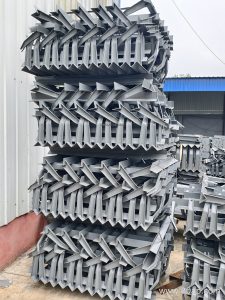
Most self-aligning idler brackets are fabricated from angle steel, channel steel, or bent steel plate. A common design uses a fixed base plate or cross beam that bolts to the conveyor frame, plus a pivoting upper section that carries the idler shaft. A vertical pivot pin, a thrust bearing, or a simple bush allows the upper section to rotate a few degrees when the belt pushes against the rollers. Some designs add a stop or limit lug so the swing angle stays small.
Typical build details include:
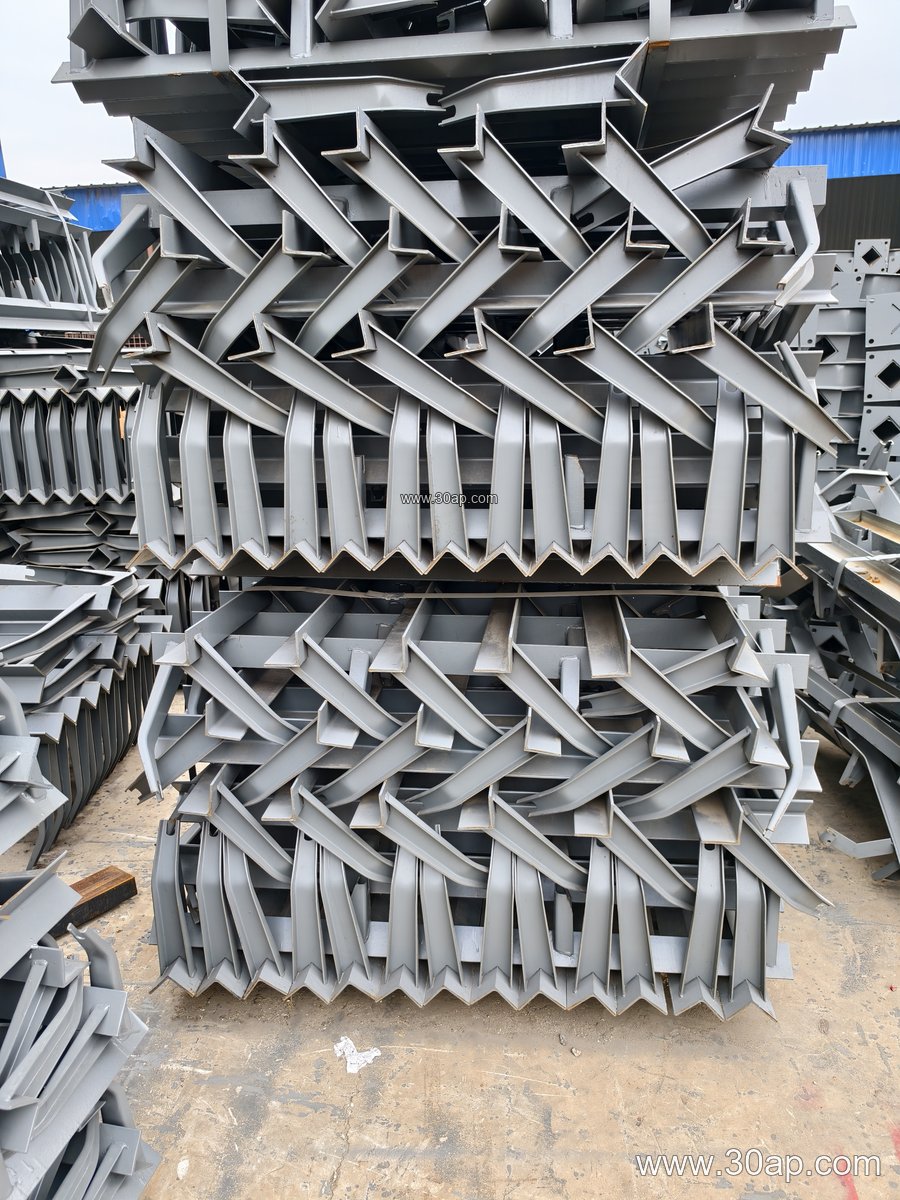
- A mounting base with slotted holes for adjustment on site
- A pivot seat with a pin, bush, or bearing
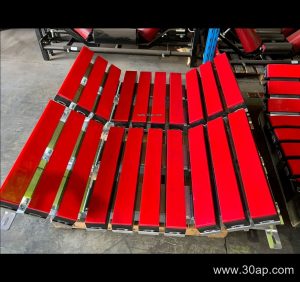
- An upper cradle that matches the idler shaft and groove angle
- Optional return-side versions that mount on the lower run
Because the frame must swing freely, the pivot area needs protection from dust and water. In a quarry or a coal handling plant, a stiff pivot is the most common reason a training bracket stops working.
Where It Is Used
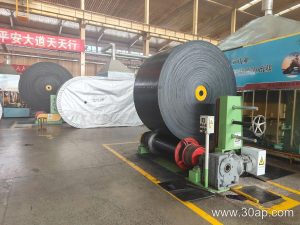
Self-aligning idler brackets appear wherever belt misalignment causes spillage, edge wear, or frame contact. In a limestone quarry, a self-aligning bracket on the carrying side keeps a wide 1200mm belt centered after a transfer point. In a coal-fired power plant, the same part is often fitted on the return run to control a flame retardant conveyor belt that has a natural tendency to wander. Cement plants use them near crushers and silos, while sand and aggregate lines fit them after loading points where the belt is easily pushed off center.
They are also found in steel plants, fertilizer plants, and port ship-loading systems. A self-aligning idler bracket for a 1400mm or 1600mm belt is common on high-tonnage lines, while B650 and B800 conveyors often use a lighter version. Whatever the site, the bracket is selected for the belt width, the idler diameter, and the trough angle of the existing frame.
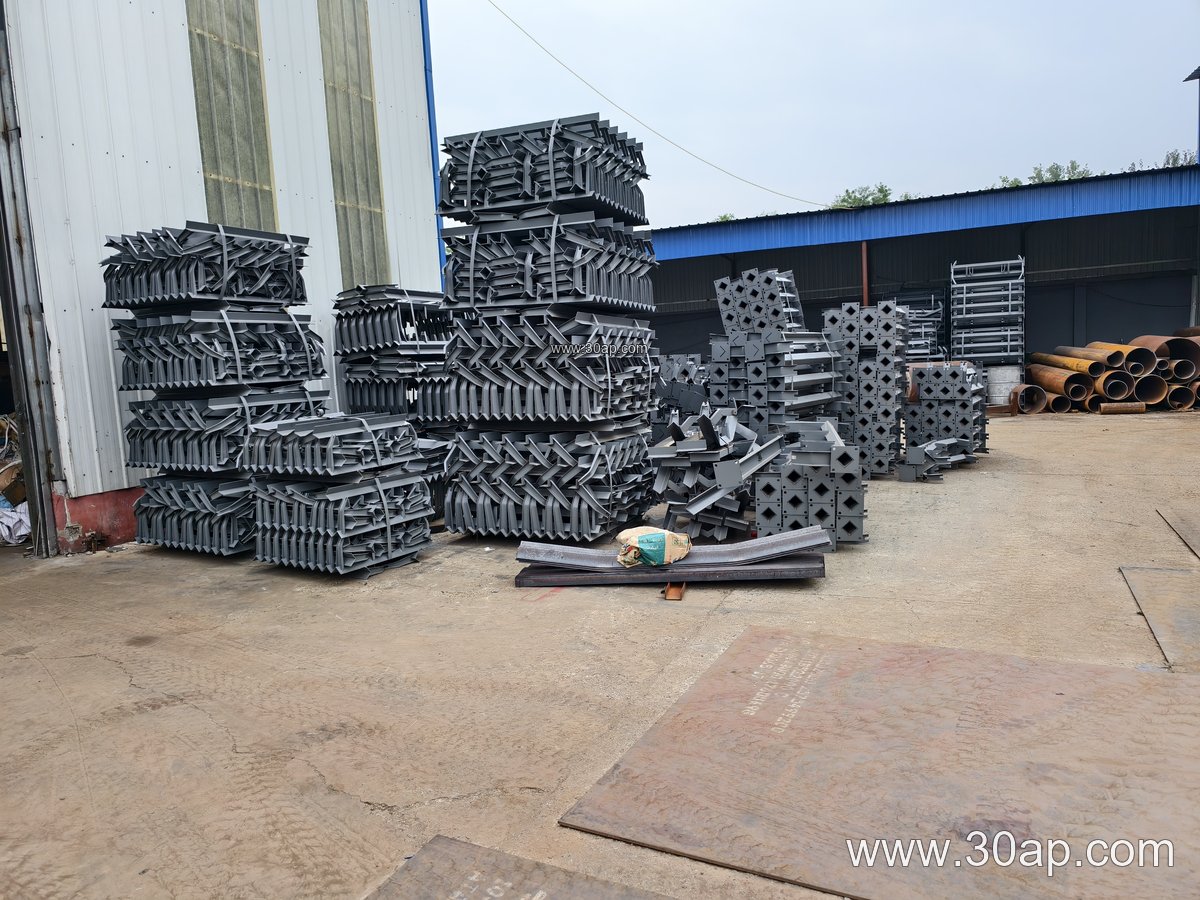
Matching the Bracket to the Conveyor
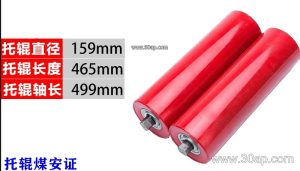
Buyers should confirm four things before ordering: belt width, idler roller diameter, trough angle, and mounting hole spacing. Belt width and roller diameter are related but not fixed to each other, so a B1000 belt may run with Ø108 or Ø133 idlers depending on load and speed. Trough angles of 20, 30, 35, and 45 degrees are all used, and an adjustable bracket can often be set among several of these angles.
Reference combinations that appear in catalogues include:
| Belt width | Typical trough angle | Common idler diameter |
|---|---|---|
| B650 | 30 degrees | Ø89 |
| B800 | 35 degrees | Ø108 |
| B1200 | 45 degrees | Ø133 |
| B1600 | 35 degrees | Ø159 |
These are reference values, not a rule. Hole spacing and cross beam length change with belt width and trough angle, so the mounting dimensions should always be confirmed against the drawing.
Buyer Checklist
- Check that the pivot moves freely by hand before installation
- Confirm the bracket suits the idler shaft end and fixing method
- Match the trough angle to the adjacent carrying idlers
- Allow clearance for the swing range on both sides
- Inspect the pivot for dust build-up during routine maintenance
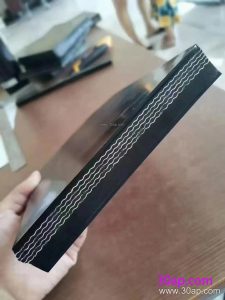
A correctly chosen self-aligning idler bracket reduces edge damage and spillage on a fabric core conveyor belt or a steel cord conveyor belt alike, and it works best when the rest of the conveyor frame is straight and the idlers are in good condition.