What a Large-Diameter Pulley Does on a Conveyor
A large-diameter pulley is a conveyor pulley whose shell diameter is sized well above the minimum needed to carry the belt, typically from around Ø630 mm upward to Ø1000, Ø1250, Ø1400 and beyond. It is usually the head or drive pulley at the discharge end, though large sizes also appear as tail, tension and bend pulleys where high belt tension or a long transition demands a gentler bend. The larger the shell, the lower the bending stress in the belt carcass and the more contact area there is for torque transmission, which matters most on heavy-duty mining conveyors and high-capacity bulk material lines.
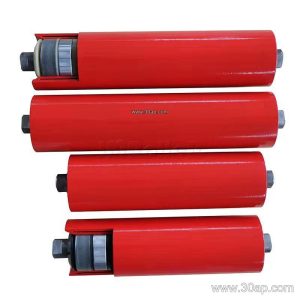
These components are not interchangeable with every other drum on the machine. A drive pulley transmits power, a tail pulley returns the belt, and a bend pulley simply changes direction; each has its own load case, and a large shell does not make them equivalent. The same logic separates a conveyor pulley from an idler roller, which supports the belt rather than driving or redirecting it.
Construction and Surface Options
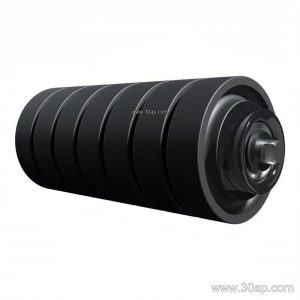
A large-diameter pulley is normally built as a welded steel shell with end discs, a hub and a shaft, or as a segmented bolt-together design when transport into a plant is difficult. The shaft diameter is set by torque and radial load, not by belt width alone, and common shaft sizes run from about Ø100 mm up to Ø200 mm on the bigger units. Shell width usually exceeds the belt width to keep the belt centred.
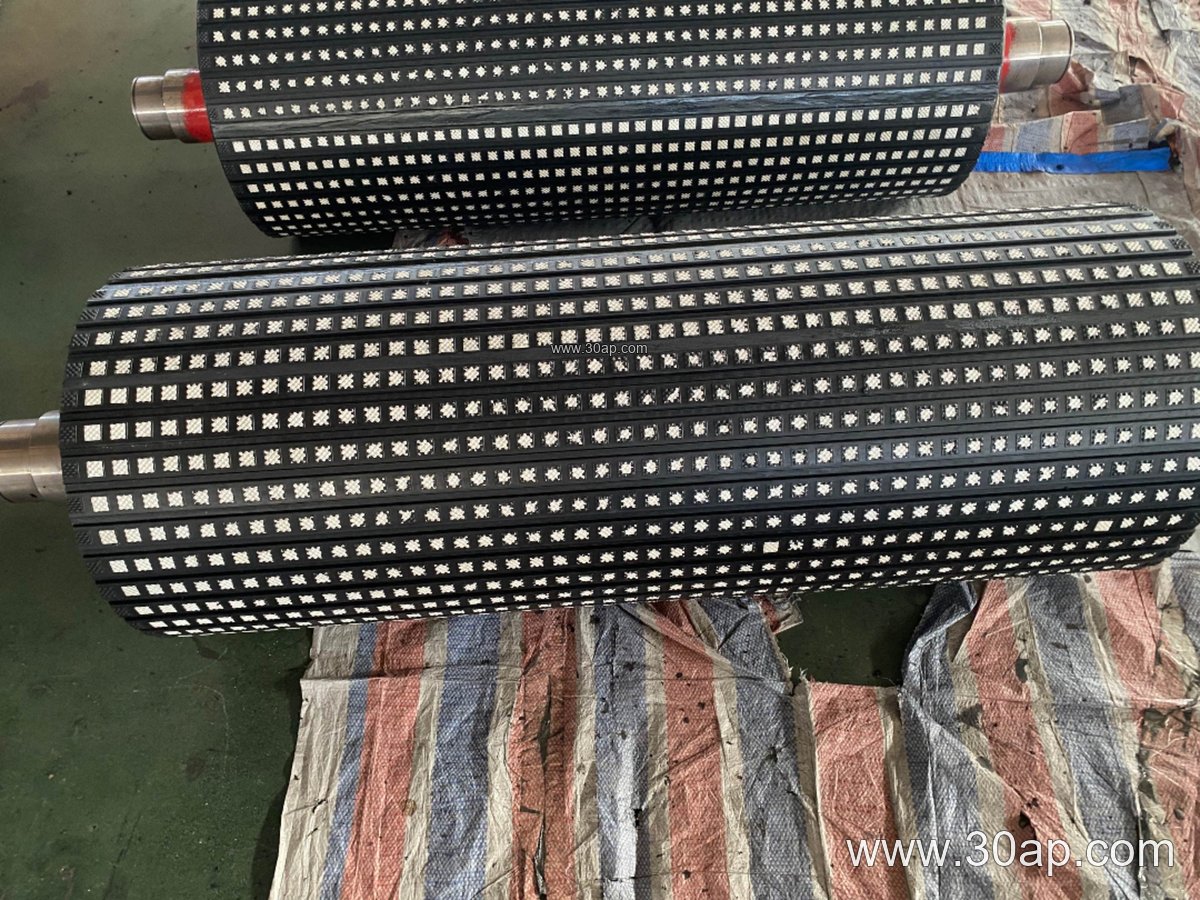
The running surface can be plain, or covered with rubber applied by hot vulcanising, cold bonding or casting. Diamond and chevron grooving improve grip on wet or dusty belts, while ceramic lagging suits abrasive duty. Lagging thickness is commonly 8, 10, 12, 15 or 20 mm depending on the duty.
Typical Reference Combinations
| Belt width | Approx. shell face width | Example diameter |
|---|---|---|
| B800 | about 950 mm | Ø500 mm |
| B1200 | about 1400 mm | Ø1000 mm |
| B1400 | about 1600 mm | Ø800 mm |
| B1600 | about 1800 mm | Ø1250 mm |
| B1800 | about 2000 mm | Ø1400 mm |
Treat these as reference data only. One belt width can be matched to several pulley diameters, and the final choice depends on belt tension, wrap angle and the belt’s own minimum pulley recommendation.
Where the Large Shell Pays Off
In an iron ore or copper ore concentrator, a large-diameter pulley at the head end keeps a steel cord conveyor belt within its fatigue limits while handling high tension over a long flight. In a coal mining or underground coal mining conveyor, flame retardant and anti-static belt grades are common, and a generous shell diameter reduces the risk of carcass damage at the drive. Aggregate and quarry lines feeding a crusher often use a large tail or bend pulley to guide an abrasion resistant conveyor belt around tight layouts.
Cement plants and power plant coal handling systems use these pulleys on clinker and coal belts where dust and heat are present; a heat resistant conveyor belt paired with a properly lagged drum runs cooler and slips less. Port bulk terminals loading ships favour wide, large-diameter drums on extra-wide belts to keep belt sag and edge stress under control.
For more on matching belts and drums, see conveyor pulley and our notes on conveyor belt selection.
Buyer Checklist
- Duty and tension: confirm the maximum belt tension and wrap angle; these set the shell and shaft size.
- Belt interface: check the belt manufacturer’s minimum pulley diameter for the carcass type, whether EP, NN or steel cord.
- Lagging: choose plain, diamond, chevron or ceramic based on grip needs and material abrasiveness.
- Balance and runout: large shells need dynamic balancing, especially at higher belt speeds.
- Mounting: confirm bearing size, take-up arrangement and how the drum sits in the conveyor bracket.
Maintenance Notes
Inspect lagging wear, check for shell cracks near the end discs, and verify bearing temperature during the first weeks of operation. Keep the belt tracking straight so the edge does not chew the lagging. A large-diameter pulley is a long-life component when sized correctly, but it is costly to replace, so getting the diameter, lagging and shaft right at the design stage is worth the effort.