What a Mining Conveyor Bracket Does on the Line
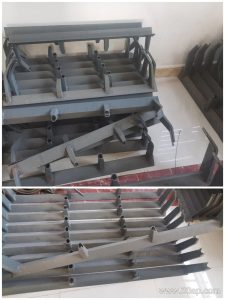
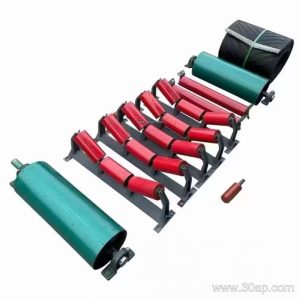
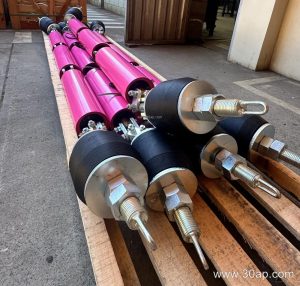
The mining conveyor bracket is the steel support that holds idler rollers in the correct position under the belt. It carries the weight of a loaded conveyor belt, keeps the trough shape consistent, and lets the idlers rotate freely as material moves from the crusher to the stockpile. In a quarry or a coal handling system, a weak bracket shows up quickly as belt sag, misalignment, and spillage.
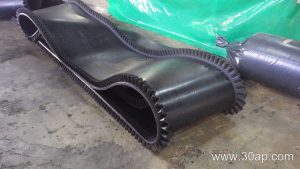
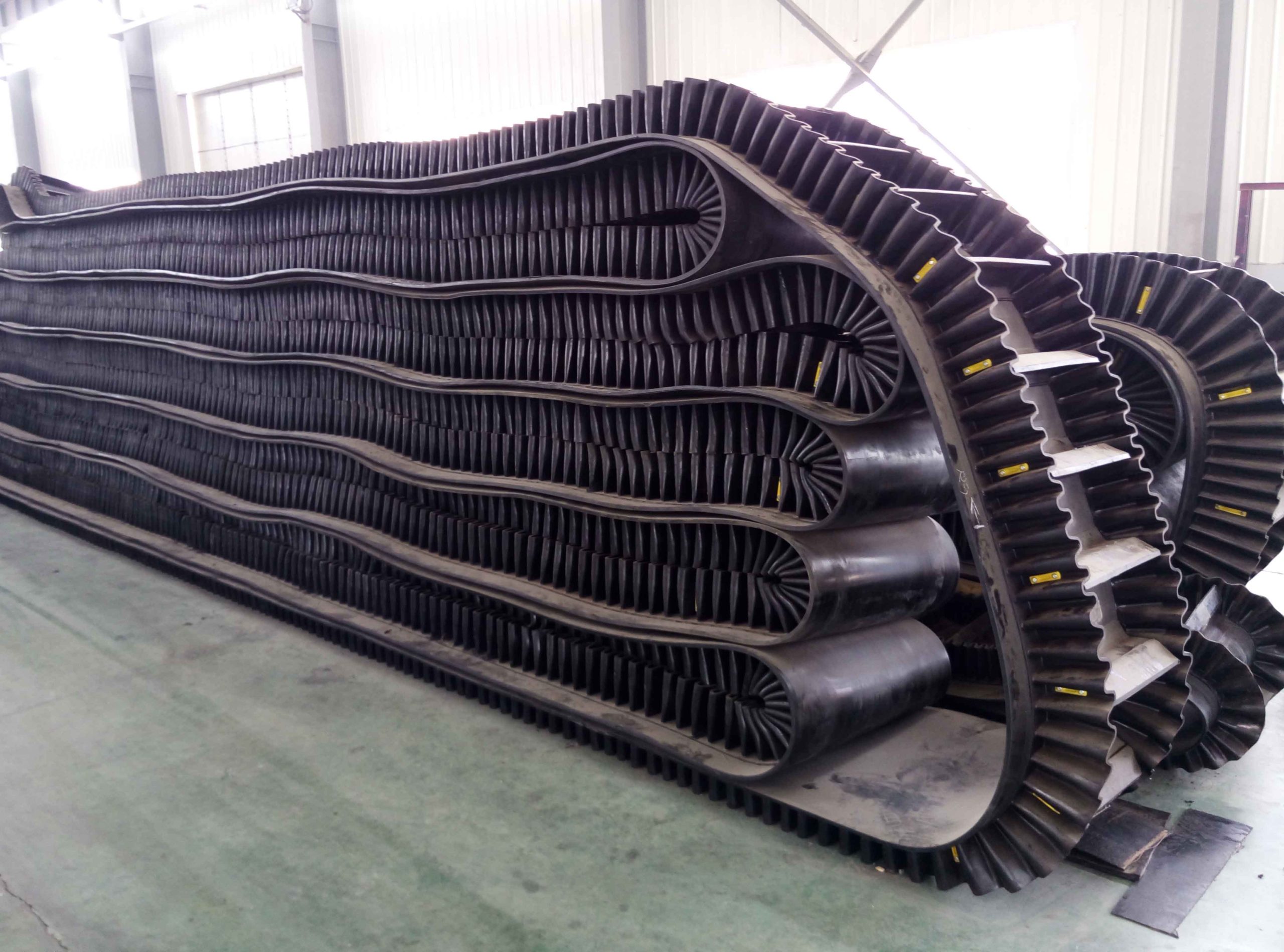
Buyers often treat this component as an accessory, but it is a structural part of the conveyor frame. A well-matched bracket keeps a heavy-duty mining conveyor belt tracking in the centre of the structure and protects both the belt cover and the roller bearings.
How the Bracket Is Built
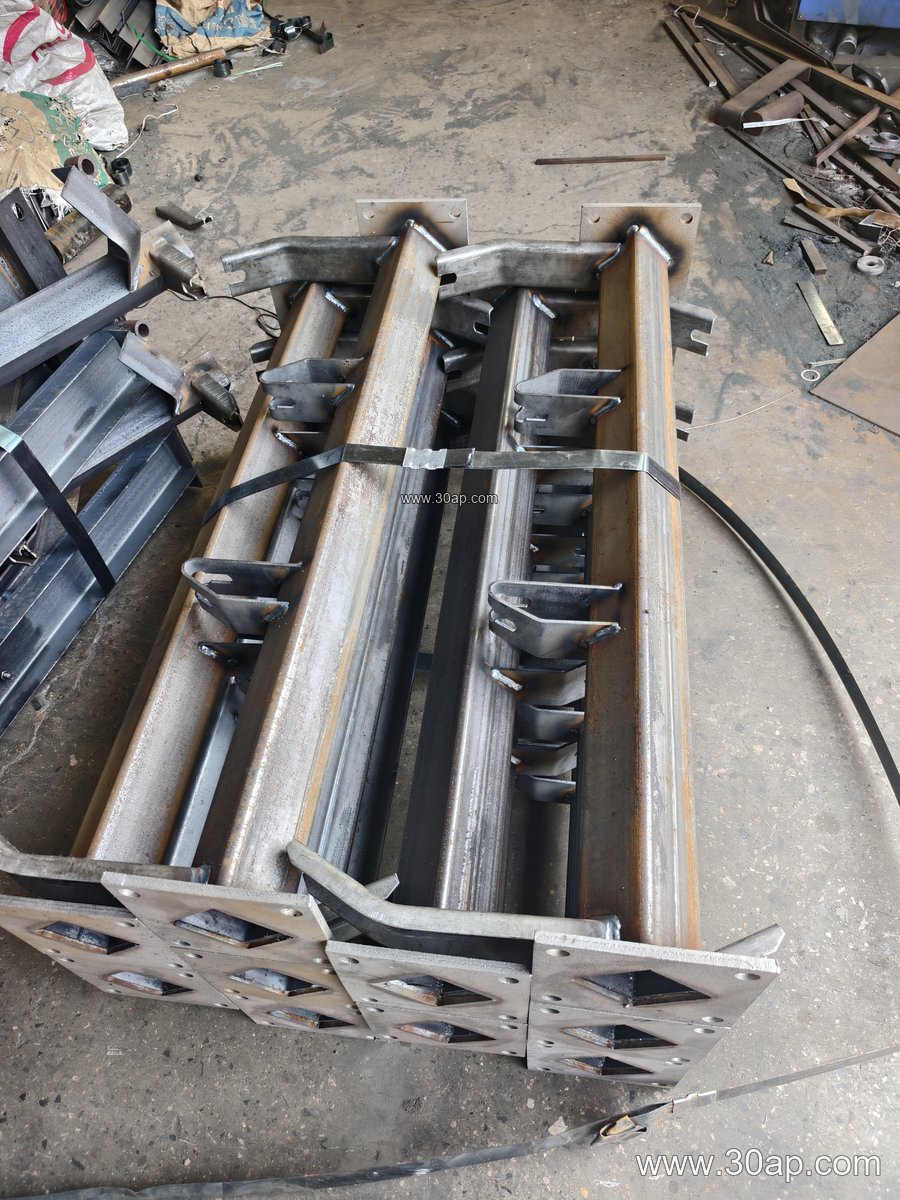
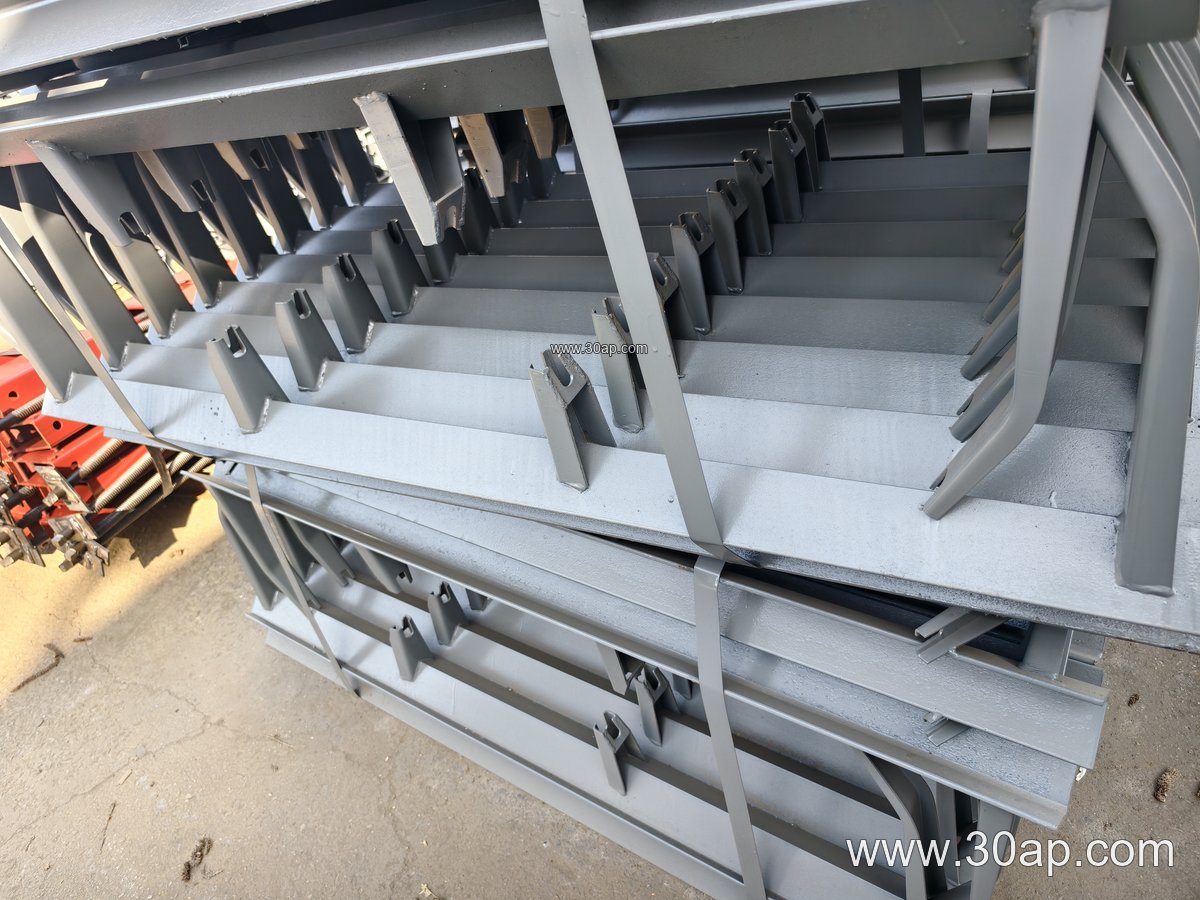
Most units are fabricated from angle steel, channel steel, or folded steel plate. The frame is welded or bolted, then drilled to match the idler shaft ends and the conveyor stringer spacing. Common forms include:
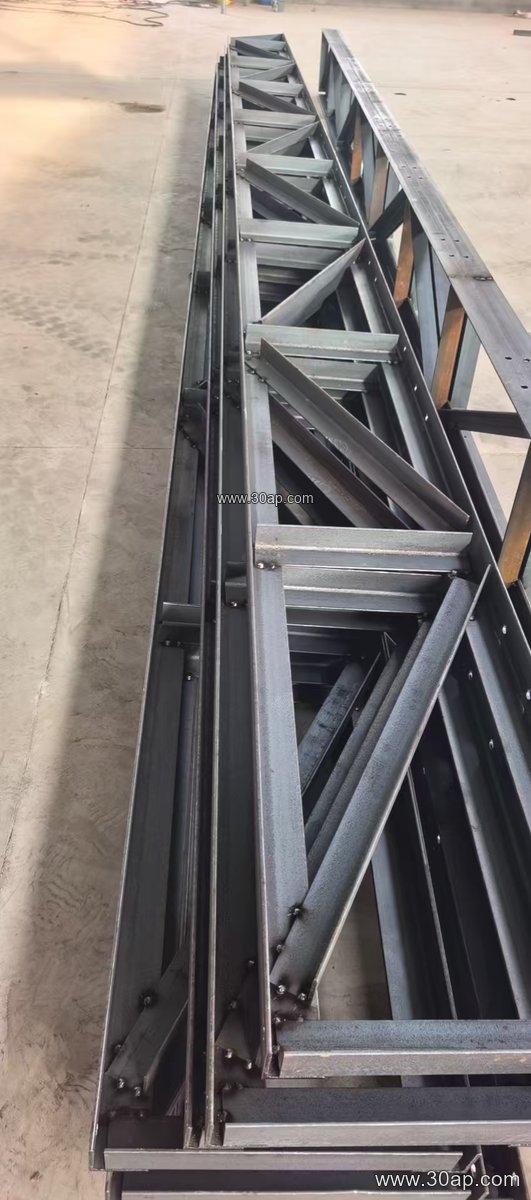
- Trough brackets for the carrying side, with two or three idler positions
- Transition brackets near the head and tail to ease the belt from flat to troughed
- Return brackets and V-return brackets for the empty strand
- Impact brackets under loading points, usually paired with buffer rollers
- Self-aligning and forward-leaning brackets for tracking control
- Adjustable brackets that allow the trough angle to be changed on site
Surface treatment matters in wet or dusty plants. Galvanising or a suitable paint system slows corrosion in wash-down areas and in coal preparation buildings.
Matching Trough Angle, Belt Width and Roller Diameter
The trough angle affects how much material the belt can hold. A 20 to 30 degree trough suits many medium-duty lines, while 35 or 45 degrees is common where capacity per belt width needs to be higher. Adjustable brackets let maintenance teams fine-tune this angle after installation.
Belt width and roller diameter are chosen together with the bracket, but they are not locked into a single combination. A B800 frame may run Ø89 or Ø108 rollers depending on load and speed, and a B1200 line often uses Ø133 or Ø159. The table below shows typical reference combinations, not fixed rules.
| Belt Width | Typical Trough Angle | Common Roller Diameter |
|---|---|---|
| B500 | 20 to 30 degrees | Ø89 |
| B650 | 30 degrees | Ø89 to Ø108 |
| B800 | 30 to 35 degrees | Ø108 |
| B1000 | 35 degrees | Ø108 to Ø133 |
| B1200 | 35 to 45 degrees | Ø133 |
| B1400 | 35 to 45 degrees | Ø133 to Ø159 |
| B1600 | 35 to 45 degrees | Ø159 |
| B1800 to B2200 | 35 to 45 degrees | Ø159 to Ø194 |
Installation hole spacing and crossbeam length change with belt width and trough angle, so these should be confirmed against the drawing rather than assumed. Forward-leaning brackets usually sit at about 1.5 to 2 degrees of tilt to help the belt self-centre.
Where These Brackets Are Used
In an iron ore or copper ore concentrator, trough brackets carry a high-abrasion conveyor belt through long transfer runs. In a cement plant, they support clinker and limestone belts that run hot and dusty. Power plant coal handling, port ship loading, and aggregate crushing lines all rely on the same basic frame, with variations for impact, return, and alignment duties.
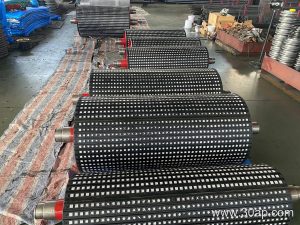
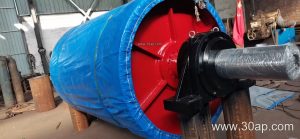
Because the bracket works with the idler roller and the conveyor pulley, alignment between these parts should be checked at every shutdown. A bracket that is out of square will shorten roller life and wear one edge of the belt.
What to Check Before Ordering
- Confirm belt width, trough angle and roller diameter as a set, not separately
- State the mounting hole pattern and stringer spacing from the existing drawing
- Choose fixed or adjustable design based on how often the line profile may change
- Specify the material and finish for the site conditions
- Check that the bracket suits the belt type in use, whether that is an abrasion resistant conveyor belt, a flame retardant conveyor belt, or a heat resistant conveyor belt
For more detail on compatible frames and rollers, visit ztconveyor.com and review the bracket and idler data before finalising a purchase order.