What a Heavy-Duty Mining Idler Does on the Line
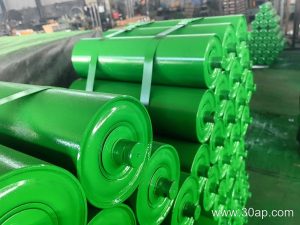
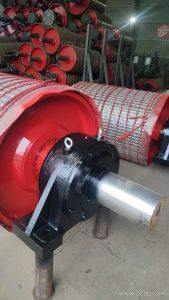
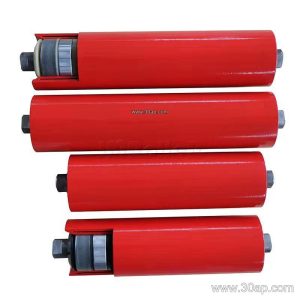
A heavy-duty mining idler is the load-bearing roller that supports and shapes the conveyor belt along its carry and return runs. In a quarry, a coal preparation plant, or an iron ore transfer house, the belt is only as reliable as the rollers beneath it. A heavy-duty mining idler carries lump ore, abrasive rock, and wet concentrate without seizing, and it keeps the belt tracking so material stays centered. In short, this roller is the workhorse of the troughing and return sections, while a conveyor pulley at the head or tail does the driving and tensioning. The two are separate components and are never swapped in a bill of materials.
How the Roller Is Built
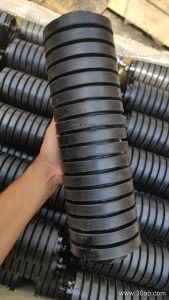
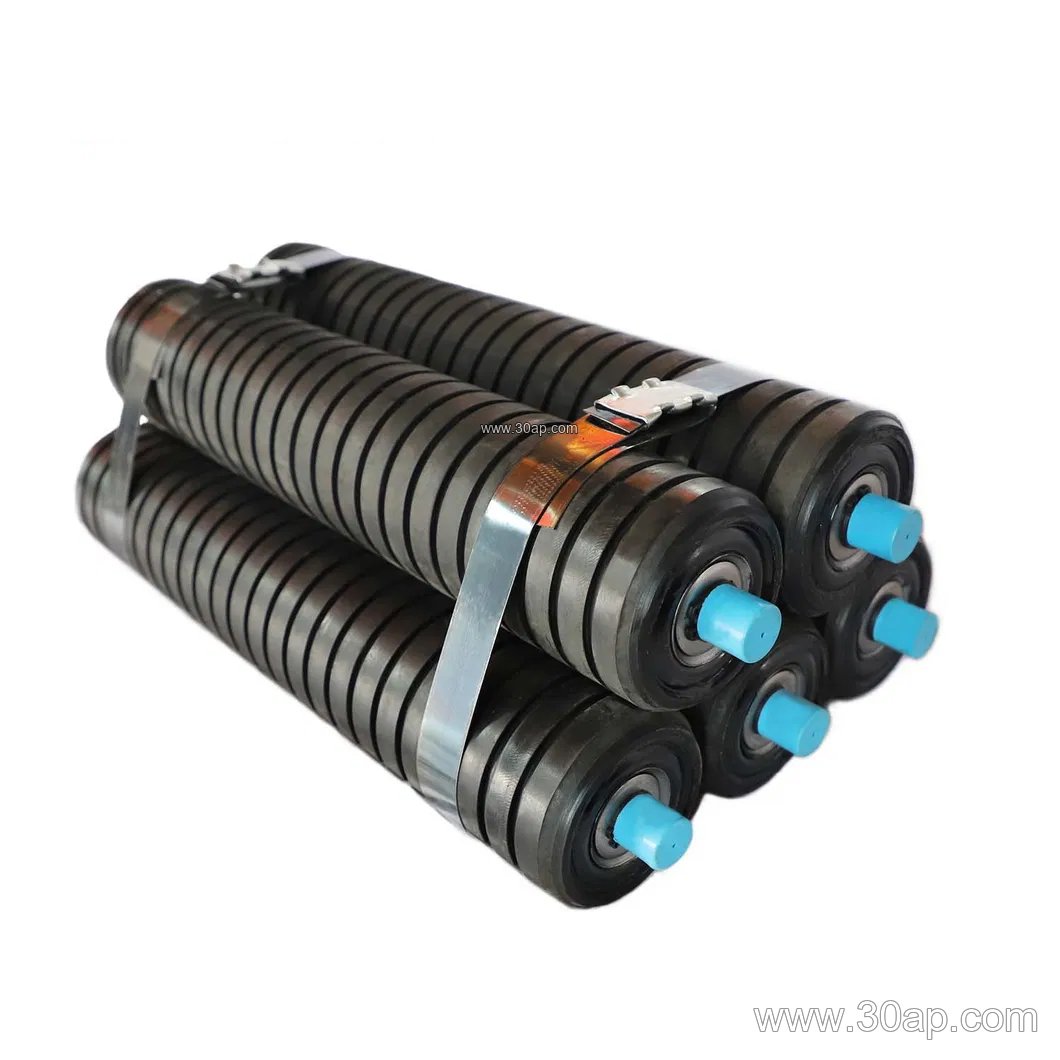
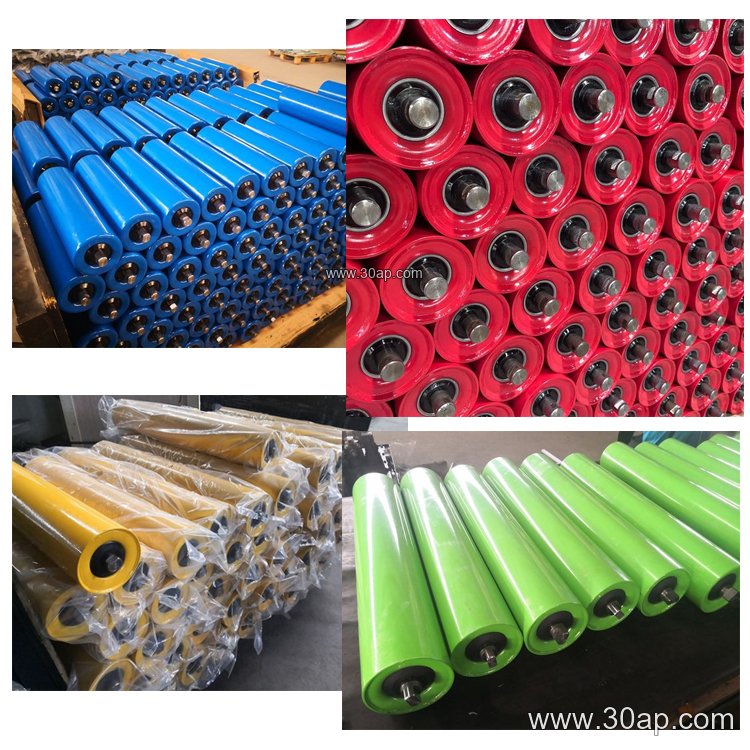
Construction starts with a thick-walled steel tube shell, machined at both ends for a press-fit bearing housing. Seals are the deciding factor in dusty service: a multi-labyrinth arrangement with grease retention keeps fine grit away from the bearing. Common bearing sizes include 6205, 6305, 6306, 6308, and 6310, matched to the shaft and load by the designer, not by belt width alone. Shell surfaces may be plain steel, nylon, ceramic, or rubber rings. Rubber-ring impact idlers are chosen under crusher discharge points, where a falling rock would dent a plain shell. A heavy-duty mining idler often uses a thicker shell and reinforced end disc so it survives belt wander and occasional spillage.
Troughing Geometry and Roll Diameter
Trough angle controls how the belt cradles the load. A 20-degree trough suits fine material, while 35 or 45 degrees is common for high-capacity ore and coal lines. Three-roll troughing sets are standard, with two-roll and single-roll sets used in tight spaces. Roll diameter usually runs from 89 mm up to 159 mm or 178 mm on large installations; the final figure depends on belt speed, load, and the shaft design. Belt width and roller length move together but are not a fixed pairing. For reference, a three-roll troughing set might use a roller of about 380 mm at B1000, 465 mm at B1200, or 600 mm at B1600, with side rollers differing from the center roller. These are typical examples, not mandatory matches.
Where These Rollers Earn Their Keep
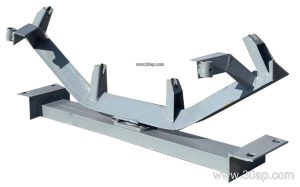
In a limestone quarry, troughing and return idlers follow a primary crusher and a long overland run. In a coal washing plant, sealed rollers cope with wet fines and washdown. At a power plant coal yard, rollers feed a belt that carries fuel to the boiler house. In all three settings, the idler works alongside a conveyor belt, a conveyor pulley, and a conveyor bracket that fixes spacing and height. Return runs may use a flat return roller or a V-return set to shed sticky material. Self-aligning or friction-aligning idlers help on long curves, but they supplement the standard troughing set, they do not replace it.
Matching the Idler to the Belt
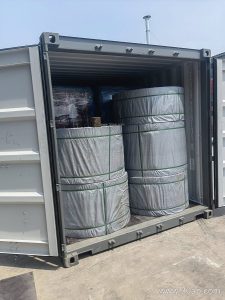
The belt and the roller are chosen together. A heavy abrasion environment may call for an abrasion resistant conveyor belt or a high abrasion resistant conveyor belt, while a coal face needs a flame retardant conveyor belt. Long high-tonnage lines often use a steel cord conveyor belt, and steep inclines may use a chevron conveyor belt. In dusty tunnels or enclosed galleries, an anti-static conveyor belt helps control charge. Textile-carcass belts such as an EP conveyor belt or NN conveyor belt are common in aggregate plants, while a multi-ply fabric core conveyor belt suits mixed duty. None of these belts dictates a single roller diameter, so the idler schedule should be confirmed against the actual belt tension and load.
Buyer Checklist
- Confirm trough angle, roll diameter, and roller length against the conveyor drawing, not against a generic table.
- Ask for the seal and bearing specification, since dust ingress shortens roller life more than load does.
- Check shell thickness and end-disc welding for impact zones below crushers and transfer chutes.
- Verify that the idler frame matches the conveyor bracket spacing and the belt width at the installation point.
- Review grease type and service interval, and keep spare rollers of the same model on site.
For plant engineers comparing suppliers, the practical test is simple: does the heavy-duty mining idler hold its alignment after months of abrasive slurry and shock loading, and can it be replaced without disturbing the belt line? A roller that passes that test keeps the whole circuit moving.