What an Aggregate Conveyor Idler Does on a Crushing Line
An aggregate conveyor idler is the rotating support that carries the loaded belt between the loading point and the discharge. In a quarry or a stone crushing plant, the belt may run hundreds of metres over rough ground, and every metre of it depends on a series of these rollers to keep the belt tracking, limit sag and protect the belt carcass. The idler roller itself is a simple assembly, but the way it is specified decides how often the line stops for maintenance.
The working environment matters as much as the load. Dust, grit, water from washdown and the constant impact of falling rock all attack the roller. A troughing idler that performs well on a clean cement plant conveyor may fail quickly under a primary crusher where lump sizes are large. Matching the roller to the duty is the core of selection.
How the Roller Is Built
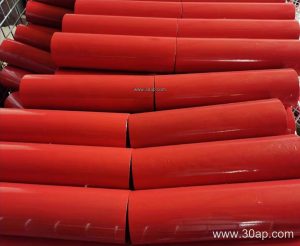
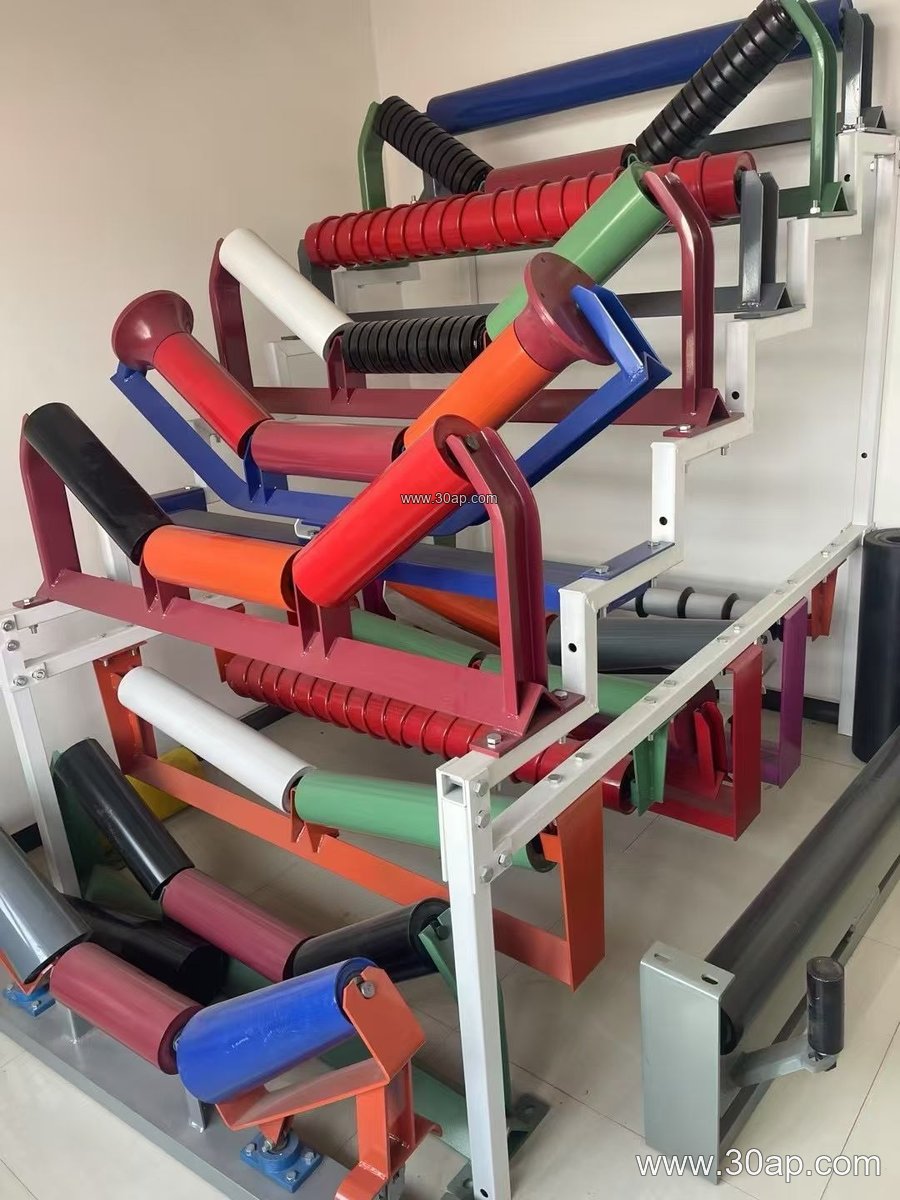
A typical aggregate conveyor idler consists of a steel tube shell, two bearing housings pressed into the ends, a shaft, and a sealing arrangement. The shell is usually made from steel tube, though nylon, ceramic and rubber-covered versions exist for specific duties. Bearings are commonly 6204, 6205, 6305, 6306, 6308 or 6310, chosen according to load and shaft size rather than belt width alone. Seals are the detail that separates a long-life roller from a short-life one; labyrinth seals with grease retention are common in dusty aggregate service.
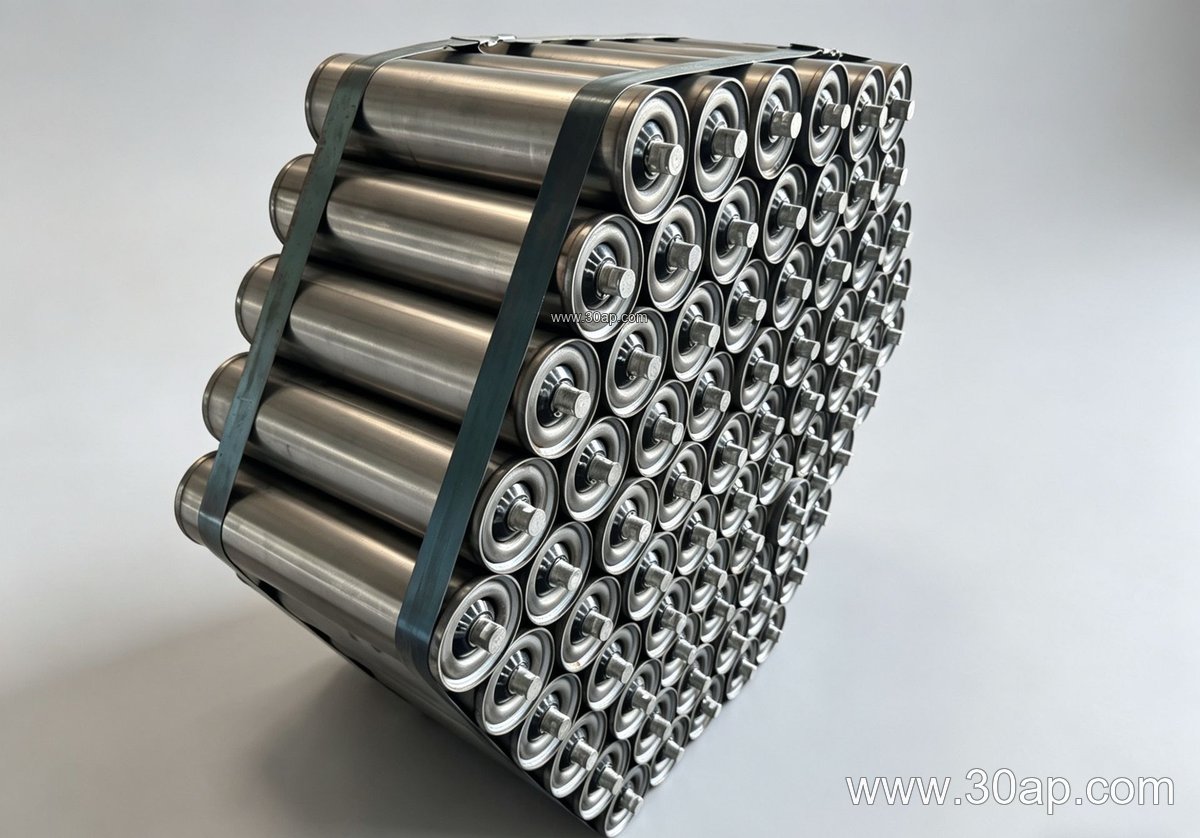
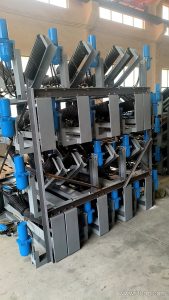
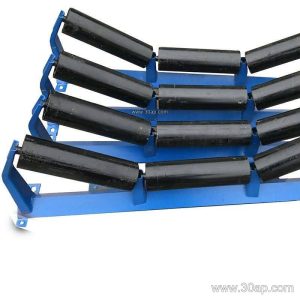
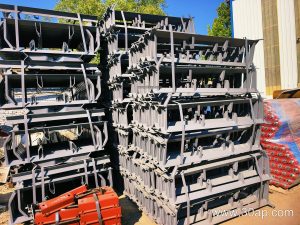
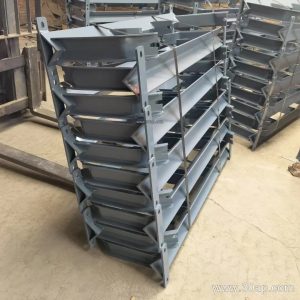
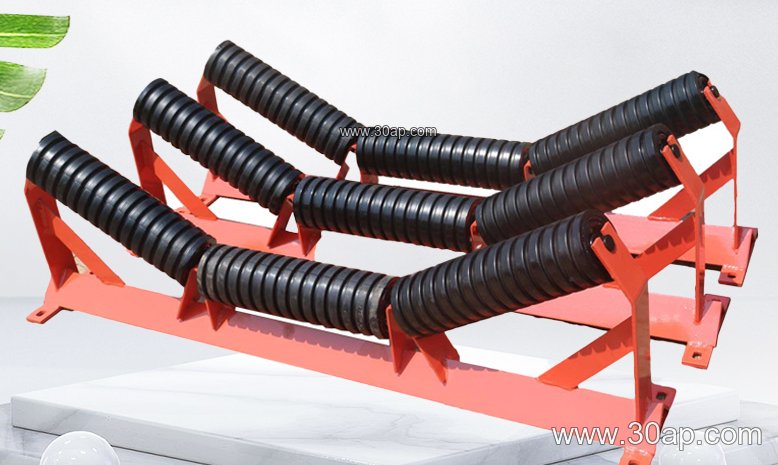
The roller sits in a conveyor bracket or frame. A troughing set may be a single roller, a two-roll set or a three-roll set. The three-roll troughing arrangement is the most common on aggregate belts because it shapes the belt into a trough and keeps material centred.
Common Idler Types and Where They Fit
- Troughing idlers carry the loaded strand and set the trough angle, commonly 20, 30, 35 or 45 degrees.
- Impact idlers with rubber rings are placed under the loading point to absorb the fall of rock from the crusher.
- Return idlers support the empty strand; flat and V-type return rollers are both used.
- Self-aligning idlers with tapered or friction design help correct belt drift on long runs.
- Spiral idlers are sometimes used on the return side to shed sticky material.
Transition idlers are placed near pulleys to ease the belt from trough to flat. They are not a substitute for the troughing set; they complement it. Likewise, a conveyor pulley at the drive or tail end performs a completely different job from an idler and should not be confused with one.
Sizes, Roll Diameters and Belt Widths
Roll diameter and belt width are linked by design, but not in a fixed one-to-one way. Common roll diameters include Ø63, Ø76, Ø89, Ø102, Ø108, Ø127, Ø133, Ø159, Ø178, Ø194 and Ø219 mm. Belt widths run from B400 up to B2400. A wider belt usually needs a larger roller and a longer roll, but the final choice depends on load, speed and trough angle. Roll length also varies with the troughing set: a three-roll set on B800 may use rolls around 315 mm, while B1200 may use about 465 mm, but side rolls and centre rolls can differ.
| Belt width | Typical three-roll length (example) | Common trough angle |
|---|---|---|
| B500 | approx. 200 mm | 20–35 degrees |
| B650 | approx. 250 mm | 20–35 degrees |
| B800 | approx. 315 mm | 30–35 degrees |
| B1000 | approx. 380 mm | 30–35 degrees |
| B1200 | approx. 465 mm | 30–45 degrees |
| B1400 | approx. 530 mm | 35–45 degrees |
| B1600 | approx. 600 mm | 35–45 degrees |
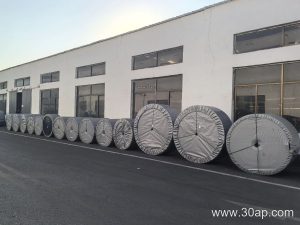
These figures are common examples, not fixed pairings. The belt itself also has to suit the line: an abrasion resistant conveyor belt or a heavy-duty mining conveyor belt may be needed where rock is sharp and the drop height is large.
Buyer Checklist Before Ordering
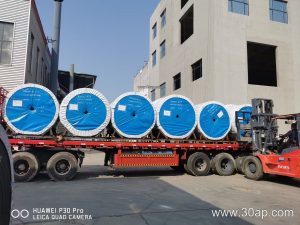
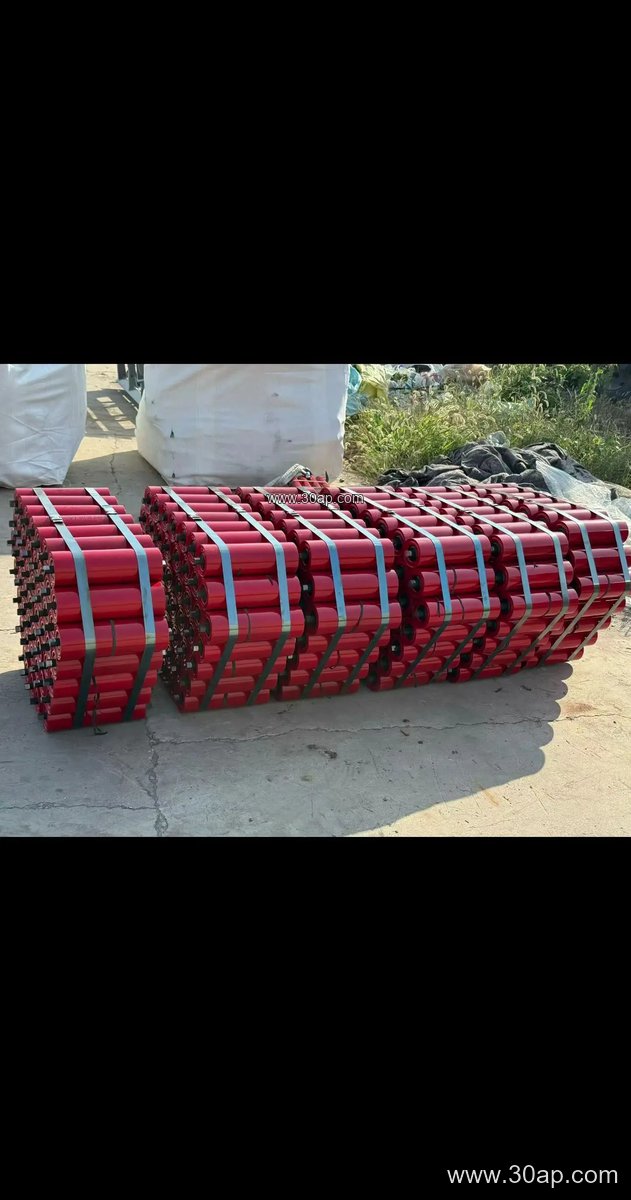
First, confirm the belt width and the trough angle used on the frame. Second, check the load at the loading point and decide whether impact idlers with rubber rings are needed. Third, review the sealing and bearing class for dusty or wet conditions. Fourth, confirm the bracket dimensions and shaft ends so the rollers fit the existing frame. Finally, ask how the rollers will be packed and whether spare sets are recommended for critical positions.
On a busy aggregate line, keeping a small stock of troughing and return idlers on site often saves more time than any single upgrade. For related equipment such as the conveyor belt, idler roller, conveyor pulley and conveyor bracket, buy from a supplier who can match dimensions consistently across the whole conveyor.