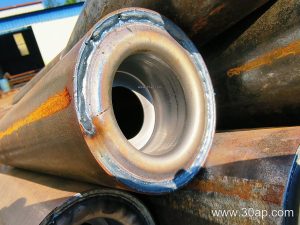
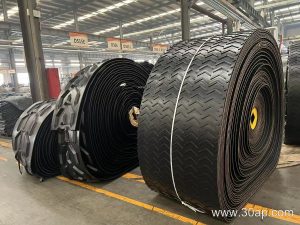
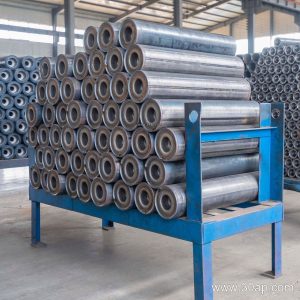
What an EP Fabric Core Conveyor Belt Is
An EP Fabric Core Conveyor Belt is a rubber conveyor belt built around a carcass of polyester warp yarns and polyamide weft yarns, usually shortened to EP conveyor belt. The carcass is the strength layer, and the rubber covers protect it from abrasion, moisture, and impact. This construction sits between all-cotton or light fabric belts and Steel Cord Conveyor Belt designs, which makes it a common choice for medium and long conveying lines in mining, cement, and aggregate operations.
The same product is also called an EP rubber conveyor belt or simply a polyester-polyamide fabric core belt. The EP carcass has low elongation in the warp direction and good elasticity in the weft direction, so the belt tracks well on a conveyor pulley and absorbs shock at loading points better than many rigid carcasses.
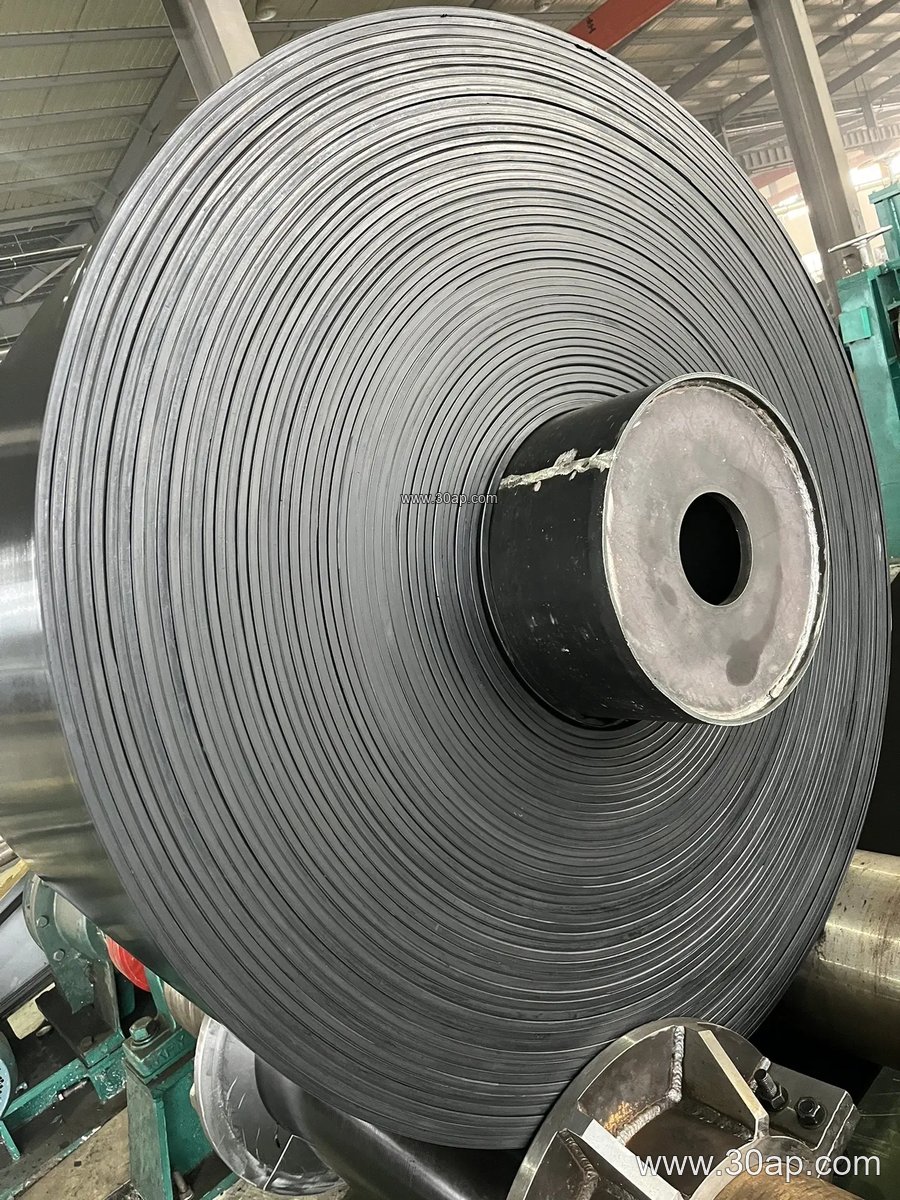
How the Belt Is Built
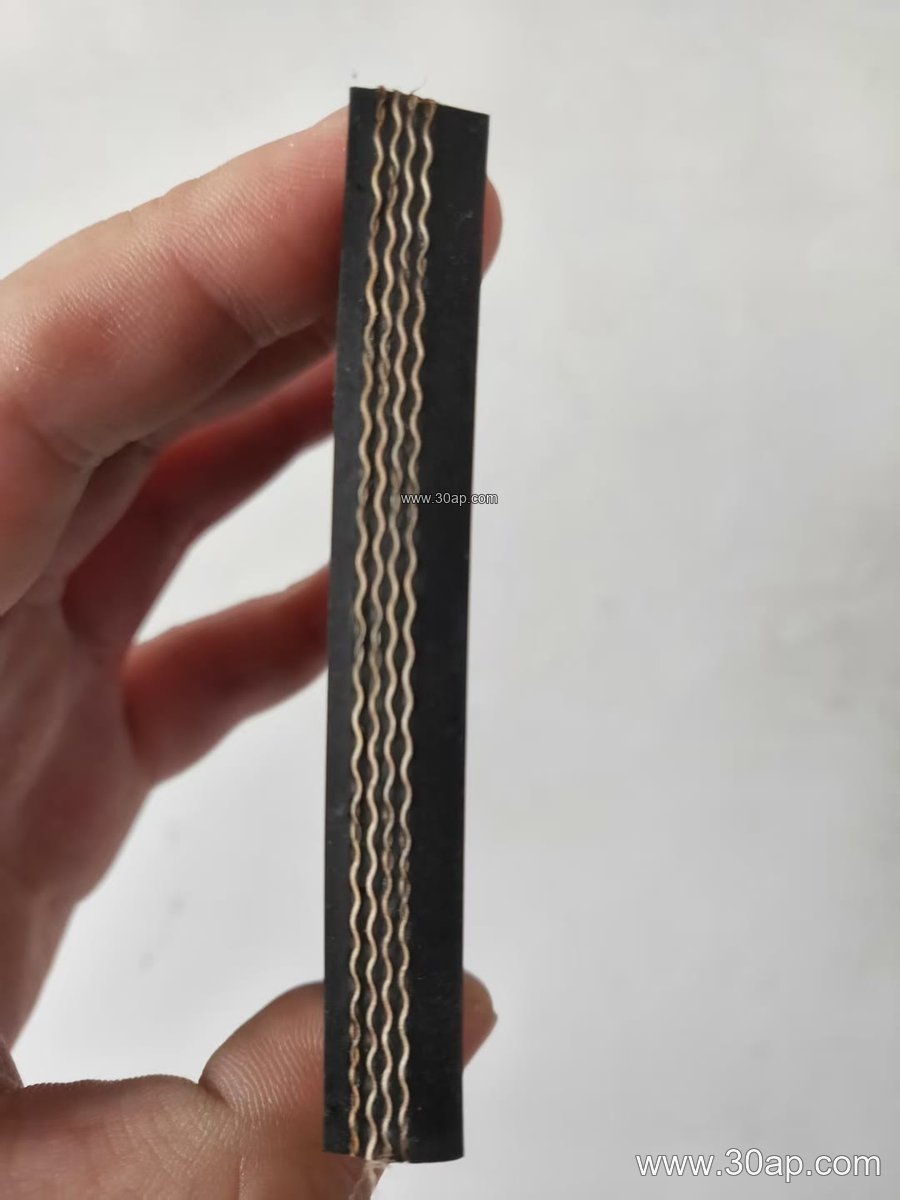
A typical EP Fabric Core Conveyor Belt contains several layers of EP fabric, skimmed and frictioned with rubber compound, then pressed into a single carcass. Top and bottom covers are applied and vulcanized. Buyers often describe the belt by ply count and cover thickness, for example a 3-ply or 4-ply belt with 4+2 mm or 6+2 mm covers. Cover thickness and compound quality decide how the belt behaves against abrasion, heat, oil, or flame, while the ply count and fabric grade set the tensile strength.
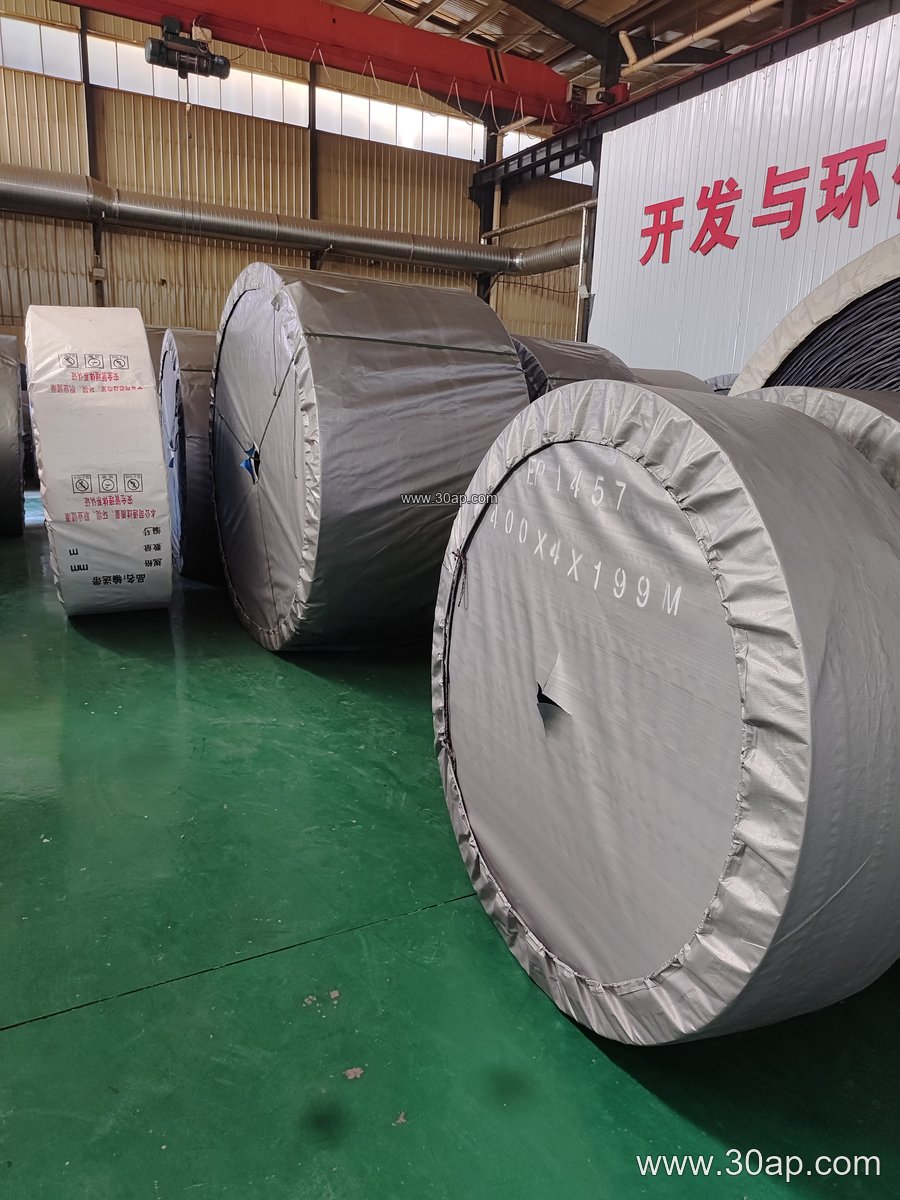
Common strength grades include EP200, EP400, EP630, EP800, EP1000, EP1250, and higher. A Multi-Ply Fabric Core Conveyor Belt is often specified when the line needs more impact resistance or a thicker carcass for heavy lumps.
Where It Fits on the Conveyor
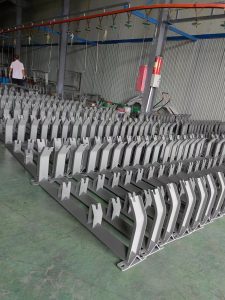
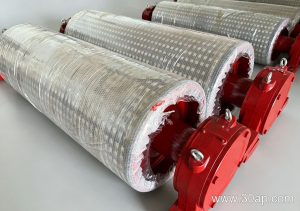
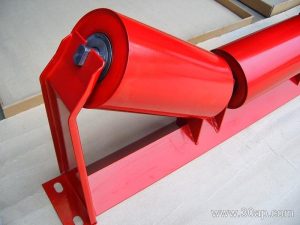
This belt runs over a drive pulley, tail pulley, and bend pulleys, supported by idler rollers on the carrying side and return side. It is widely used in coal mining, power plants, cement plants, quarries, sand and gravel yards, steel plants, ports, and recycling lines. In a crusher conveyor or a ship loading line, an EP belt handles bulk material such as ore, clinker, limestone, and aggregate. On long inclined runs, a Chevron Conveyor Belt may be preferred for slope holding, while an EP belt remains the standard flat-belt option for general transport.
For underground coal mining, flame retardant and anti-static grades are frequently requested. For hot clinker or sinter, a Heat Resistant Conveyor Belt compound is used; for oily scrap or grains, an Oil Resistant Conveyor Belt cover helps. These are cover-compound choices on the same EP carcass, not different product families.
Common Reference Sizes
The following values are typical reference data. Actual belt width, ply, and cover thickness should follow the conveyor design and the supplier’s confirmation.
| Parameter | Common Range |
|---|---|
| Strength grade | EP200, EP315, EP400, EP500, EP630, EP800, EP1000, EP1250, EP1600, EP2000 |
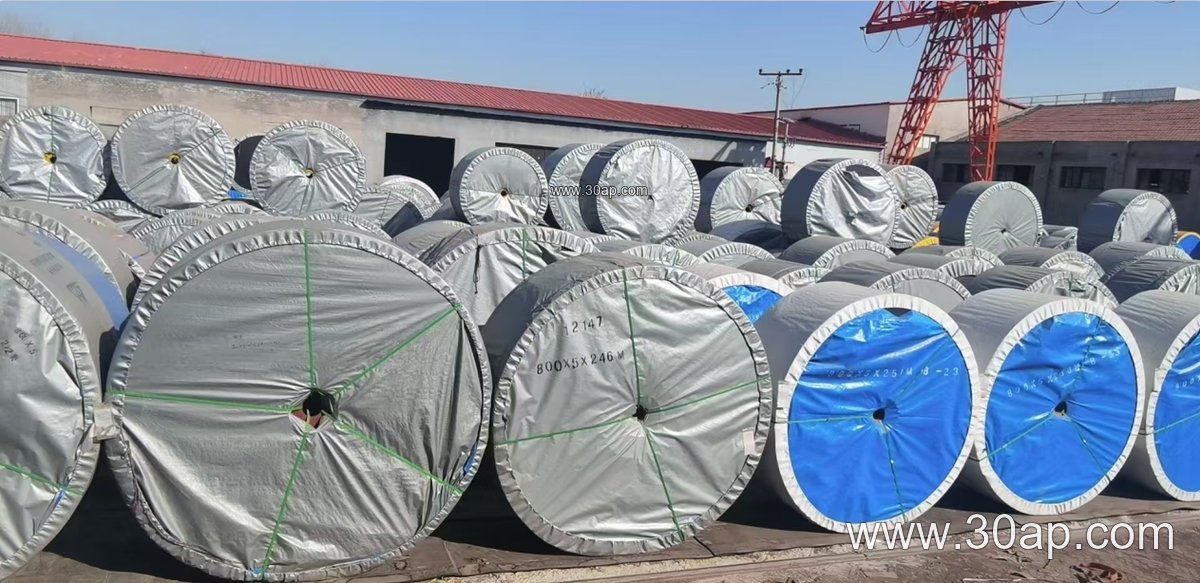
| Belt width | B500, B650, B800, B1000, B1200, B1400, B1600, B1800, B2000 |
| Cover thickness | 3+1.5, 4+2, 5+2, 6+2, 8+3 mm |
| Carcass plies | Usually 2 to 6 layers |
A wide belt such as a 1200 mm or 1400 mm unit is common in high-capacity plants. Narrower 650 mm or 800 mm belts suit smaller transfer lines. Belt width and pulley diameter are matched by the conveyor designer; no single width fixes one pulley size.
What a Buyer Should Check
- Confirm the required tensile grade and ply count against the actual load and slope.
- Match the cover compound to the material: abrasive, hot, oily, or flame-risk service.
- Check belt width, cover thickness, and edge condition against the pulley and idler roller layout.
- Ask how splices will be made, since an Endless Conveyor Belt or a vulcanized joint affects lead time.
- Review the conveyor bracket and pulley alignment during installation to avoid edge damage.
An EP conveyor belt is a practical, well-understood choice for bulk material handling when the duty is moderate to heavy and the carcass needs to resist impact and troughing. Matching grade, cover, and width to the real working conditions is more important than picking the highest number on the datasheet.