What a Steel Cord Conveyor Belt Is
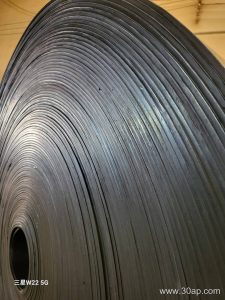
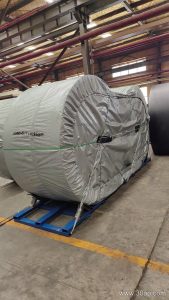
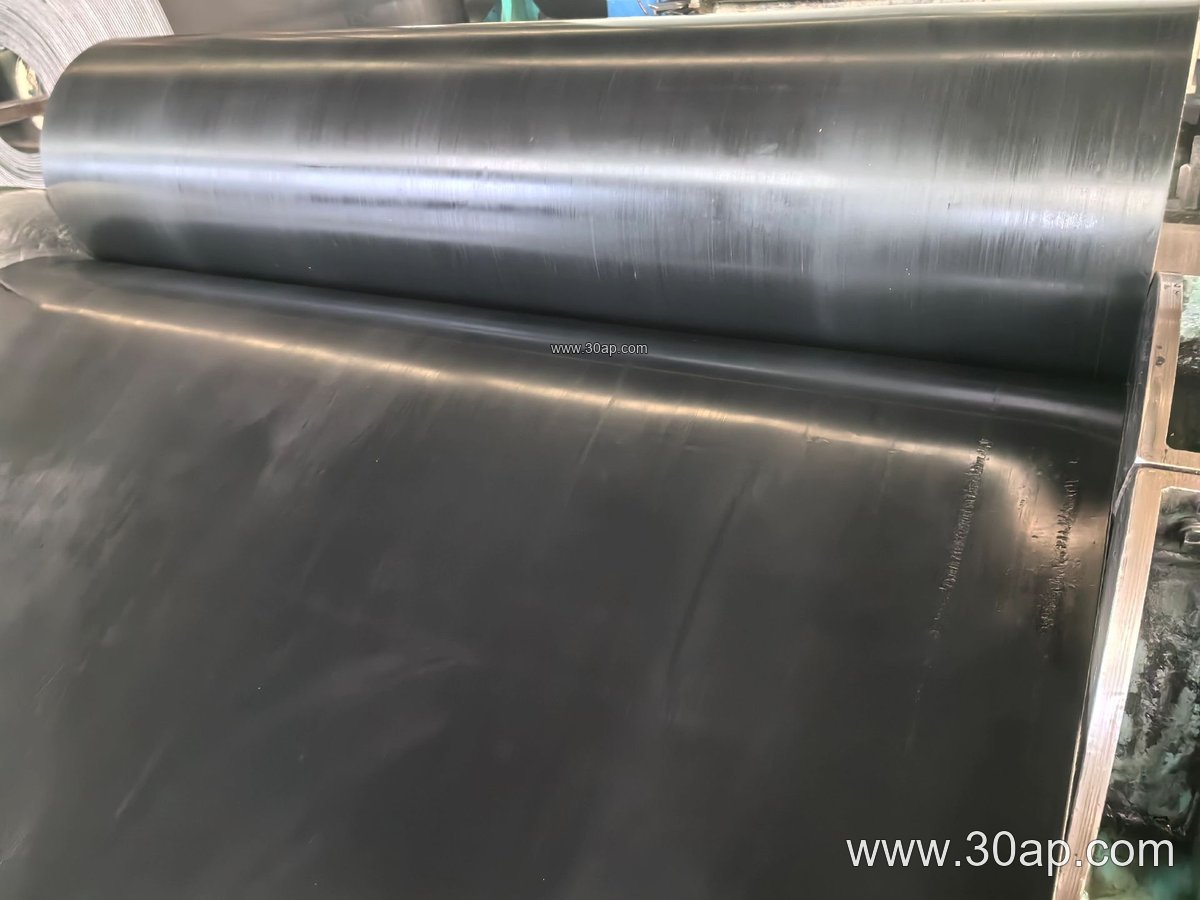
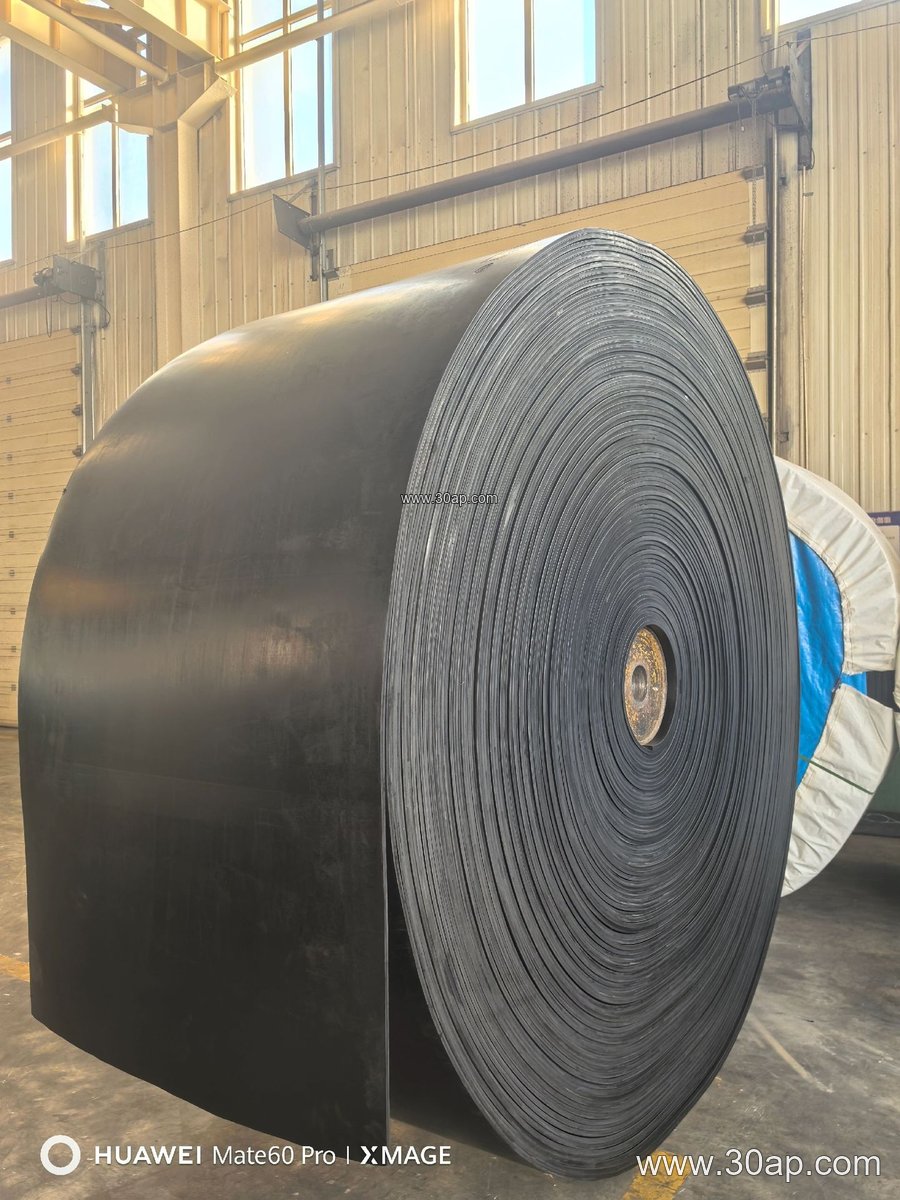
A steel cord conveyor belt is a heavy-duty rubber belt whose load-bearing skeleton is made of parallel steel cords embedded in a rubber compound. Unlike fabric-core belts, the tension members are high-strength steel cables running longitudinally, which gives the belt very low elongation and excellent tensile strength. This makes it a common choice for long-distance, high-capacity conveying in mining, cement, power plants, ports, and large quarries. The product is also known as a steel reinforced conveyor belt, and both names refer to the same construction.
Construction and Key Components
The belt is built in layers. A top cover rubber and a bottom cover rubber protect the core from abrasion, impact, and environmental attack. Between them, the steel cords are arranged at a precise pitch and bonded to the rubber through a careful calendering and vulcanizing process. The bond between cord and rubber is critical: poor adhesion can lead to cord pull-out and belt failure. The cover compound can be formulated for different duties, producing variants such as abrasion resistant conveyor belt, heat resistant conveyor belt, flame retardant conveyor belt, oil resistant conveyor belt, and cold resistant conveyor belt. In coal mining, antistatic and fire resistant grades are often specified for underground mining conveyor belt systems.
Where It Is Used
Steel cord belts are typically found where high tension and long spans are involved. Typical industries include:
- Mining and mineral processing: iron ore conveyor belt, copper ore conveyor belt, gold mining conveyor belt, and other ore conveyor belt lines.
- Coal handling: coal mining conveyor belt and underground coal mining conveyor belt systems, often with flame retardant properties.
- Cement plants: cement conveyor belt and clinker transport.
- Power plants: coal and ash handling.
- Ports and terminals: ship loading conveyor belt and bulk material conveyor belt.
- Quarries and aggregate plants: quarry conveyor belt, crusher conveyor belt, and stone crushing conveyor belt.
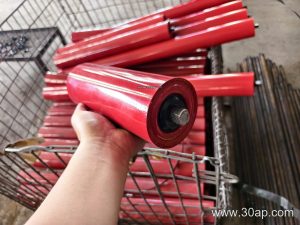
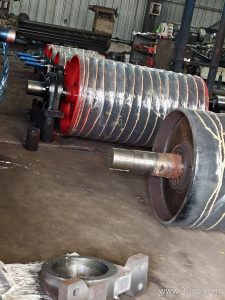
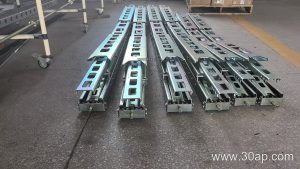
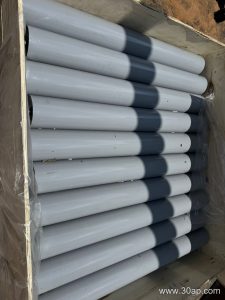
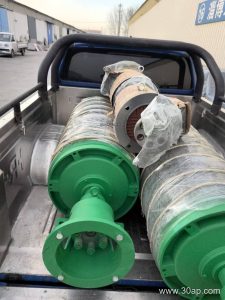
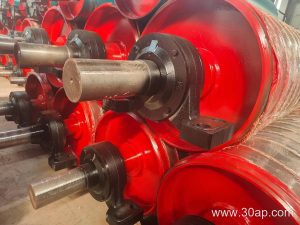
In these settings, the belt works together with conveyor pulleys, idler rollers, and conveyor brackets. Drive, tail, and bend pulleys each have a distinct role and are not interchangeable; a proper pulley specification is essential for belt life.
Common Specifications and Subtypes
Steel cord belts are often designated by their nominal tensile strength, for example ST1000, ST1250, ST1600, ST2000, ST2500, and ST3150. Belt width may range from 500 mm to 2400 mm or more, depending on the conveyor design. Cover thickness is usually stated as top cover plus bottom cover, such as 4+2 mm, 5+2 mm, 6+2 mm, or 8+3 mm. These values are reference data and should be confirmed against the actual conveyor design and manufacturer’s data.
The table below lists typical strength grades and width options for general reference:
| Strength Grade | Common Width Range (mm) | Typical Application |
|---|---|---|
| ST1000 | 800–1200 | Medium-duty bulk conveying |
| ST1250 | 1000–1400 | General mining and cement |
| ST1600 | 1200–1600 | Heavy ore and coal |
| ST2000 | 1400–1800 | Long-distance, high capacity |
| ST2500 | 1600–2000 | Very high tension applications |
| ST3150 | 1800–2400 | Extreme duty, large terminals |
Do not assume that one belt width can only match one pulley diameter; pulley sizing depends on belt tension, cord diameter, and conveyor geometry. A fixed shaft diameter cannot be derived from belt width alone.
Buyer Considerations
When selecting a steel cord belt, consider the material being conveyed, lump size, impact energy, and environmental conditions. For abrasive materials, an abrasion resistant conveyor belt grade may extend service life. For hot materials such as clinker or sinter, a heat resistant conveyor belt is appropriate. In coal mines, flame retardant and antistatic properties are often required. The belt’s splice method, cord pitch, and cover thickness should be specified with the supplier. Installation and maintenance also matter: check pulley alignment, idler roller condition, and conveyor bracket stability to avoid edge damage and cord fatigue. For very long conveyors, low elongation of the steel cord belt helps control take-up travel and start-up dynamics.
Related equipment such as conveyor pulleys and idler rollers should be matched to the belt’s tension and speed. In some cases, a fabric core conveyor belt such as EP conveyor belt or NN conveyor belt may be more economical for shorter, lower-tension lines, but for high-strength and long-distance duties, steel cord construction is often the preferred solution. Other specialized belts, like corrugated sidewall conveyor belt or pipe conveyor belt, serve different handling needs and should not be confused with the steel cord type.
Overall, the steel cord conveyor belt is a robust, low-stretch solution for demanding bulk material transport. Buyers should request detailed technical data, confirm cover grade and cord strength, and plan proper maintenance to achieve reliable service.