What a High-Capacity Idler Does on a Conveyor
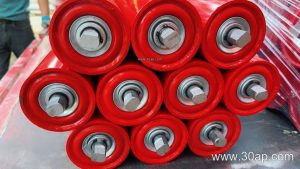
A high-capacity idler is a heavy-duty carrying or return roller built to support a loaded conveyor belt without excessive deflection, heat build-up, or premature bearing failure. In a quarry, a cement plant, or a power plant coal yard, the difference between a standard roller and a high-capacity idler usually shows up in the wall thickness, bearing class, sealing arrangement, and shaft support. The idler roller itself looks simple, but it is one of the most heavily loaded components on the whole conveyor structure.
These rollers are normally mounted in a conveyor bracket or frame, spaced along the carrying side and the return side. On a long overland line or a crusher discharge conveyor, a high-capacity idler may be asked to carry lumpy rock, wet aggregate, or hot clinker day after day. That duty calls for a more robust design than a light-duty roller used on a small package handling line.
Construction Details That Matter
The core of a high-capacity idler is a thick-walled steel tube, often with machined bearing housings welded at each end. The shaft is usually larger than on a standard roller, and the bearings are selected for the actual radial load rather than for a nominal belt width. Common bearing sizes in this class include 6305, 6306, 6308, and 6310, but the correct choice depends on load, speed, and expected service life, not on a fixed rule.
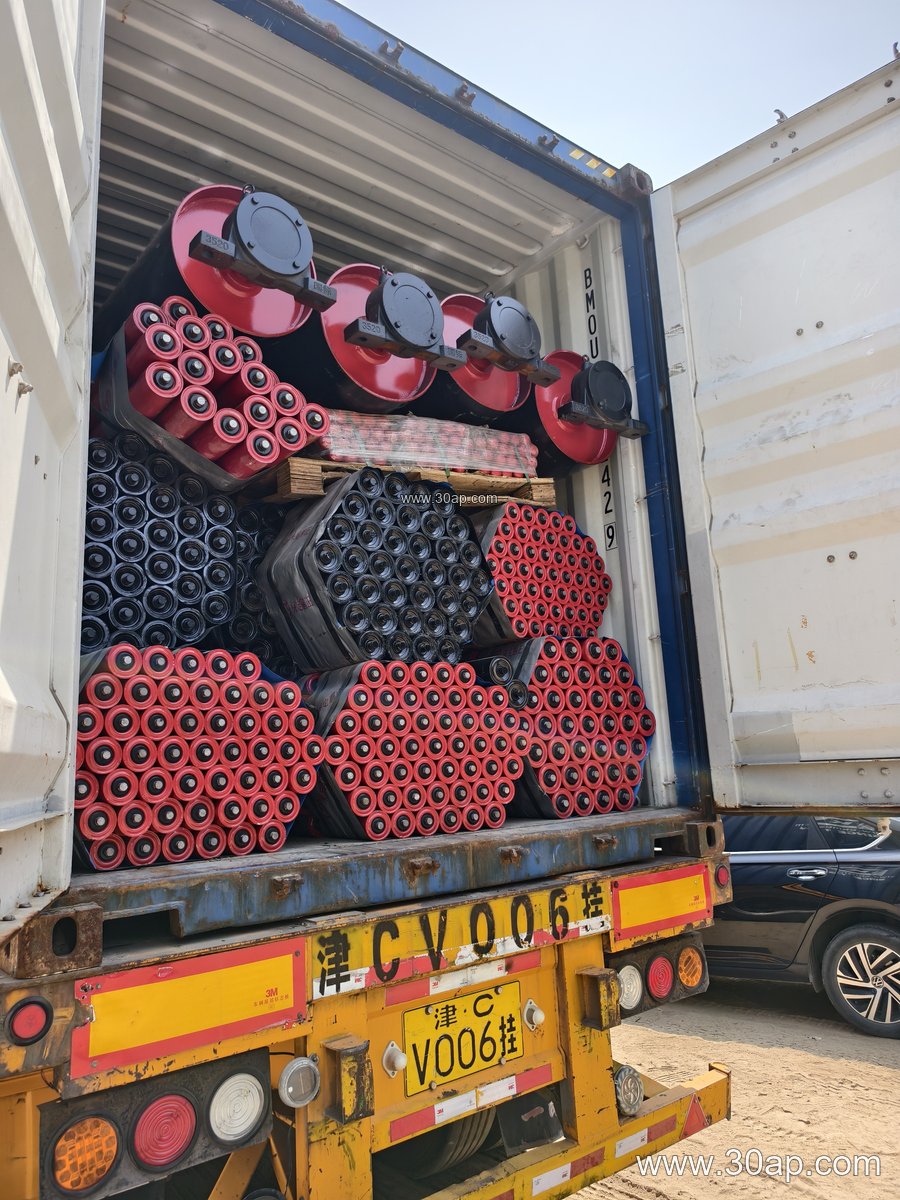
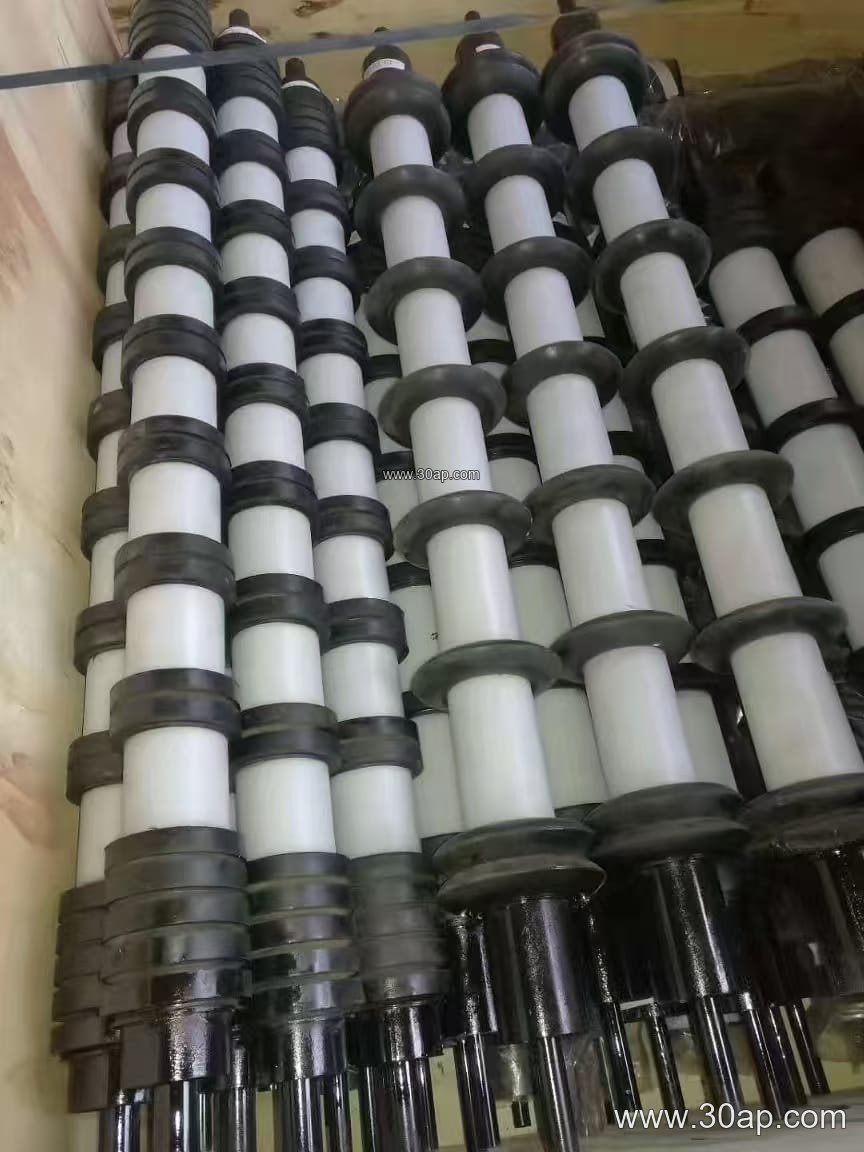
Sealing is where many cheap rollers fail. A good high-capacity idler uses a multi-stage labyrinth seal, often with a grease retention feature, to keep fine dust and water away from the bearing. In a sand and gravel line or a limestone crushing circuit, that dust is abrasive and relentless. Roller surface options include plain steel, nylon, ceramic, and rubber rings; rubber rings are common on impact zones below a crusher, while ceramic or nylon covers may be used where material build-up is a concern.
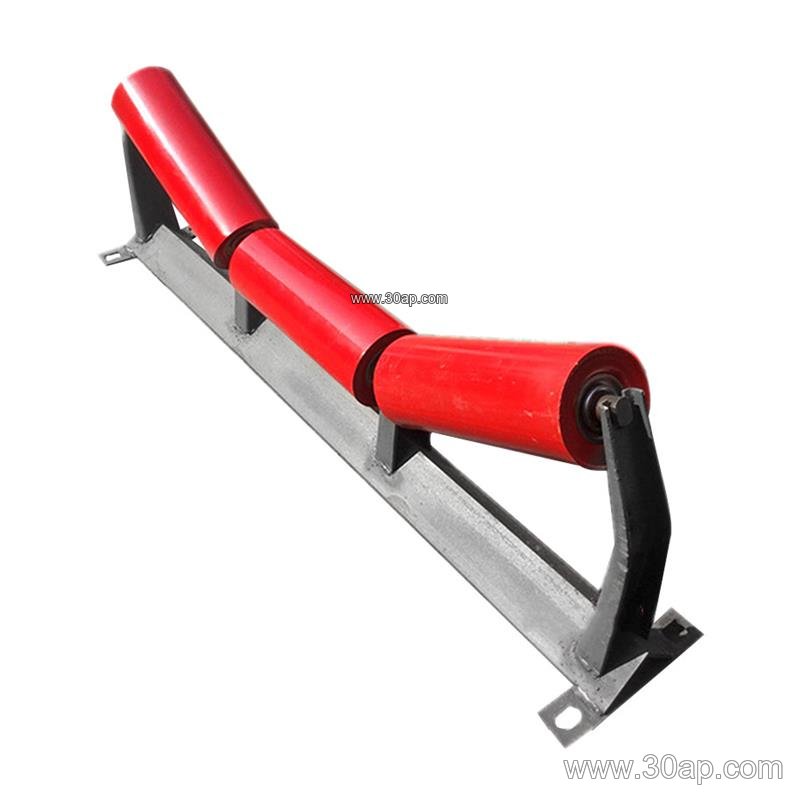
- Heavy-gauge tube for reduced radial deflection
- Larger shaft and bearing housing for higher load ratings
- Labyrinth or contact seals for dusty and wet conditions
- Optional rubber rings for impact absorption
Where High-Capacity Idlers Are Used
You will find this class of roller in primary crushing stations, transfer points, and long haulage conveyors. In an iron ore or copper ore operation, the conveyor may carry sharp, dense material that punishes both the belt and the rollers. A high-capacity idler helps keep the belt profile stable and reduces the risk of belt sag between frames. In a coal mining conveyor or an underground coal mining conveyor, flame retardant and anti-static properties are usually specified for the belt, and the rollers must be matched to the same safety expectations.
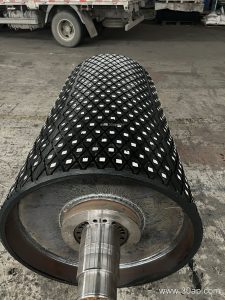
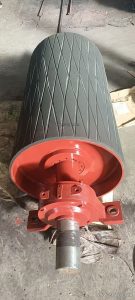
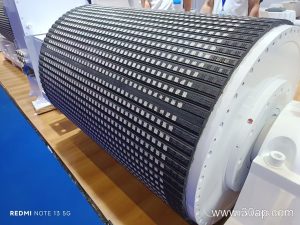
The roller also works alongside other components such as the conveyor pulley at the drive and tail ends, and the conveyor bracket that holds each idler set. A high-capacity idler is not a substitute for a drive pulley or a bend pulley; each has its own job. The idler supports the belt, while the pulley transmits power or changes direction.
Common Sizes and Arrangements
High-capacity idlers are produced in troughing, return, impact, and self-aligning arrangements. Troughing sets may be single-roller, two-roller, or three-roller, with trough angles of 20, 30, 35, or 45 degrees. Roller diameters commonly range from Ø63 up to Ø219, and belt widths from B400 to B2400. The table below gives typical reference values; actual roller length depends on belt width, trough angle, and frame design.
| Belt Width | Typical Roller Diameter | Typical Bearing | Common Trough Angle |
|---|---|---|---|
| B500 | Ø89 to Ø108 | 6204 / 6205 | 20° to 35° |
| B800 | Ø108 to Ø133 | 6205 / 6305 | 30° to 35° |
| B1000 | Ø127 to Ø159 | 6305 / 6306 | 30° to 35° |
| B1200 | Ø133 to Ø178 | 6306 / 6308 | 35° to 45° |
| B1400 | Ø159 to Ø194 | 6308 / 6310 | 35° to 45° |
| B1800 | Ø178 to Ø219 | 6310 | 35° to 45° |
For a three-roller troughing set, a common roller length might be around 315 mm for B800 or 465 mm for B1200, but side rollers and center rollers can differ. These are examples, not fixed pairings. A 1200mm wide conveyor belt does not automatically dictate one shaft diameter; the load calculation and the frame design decide that.
Buyer Checklist
Before ordering, confirm the belt width, the material being carried, the lump size, the belt speed, and the ambient conditions. Ask about the bearing brand and seal type, the tube wall thickness, and the shaft material. For a hot clinker line, a heat resistant conveyor belt may be used, and the idler should be specified for the same temperature range. For a food or fertilizer plant, check whether the roller surface and lubricant are compatible with the environment.
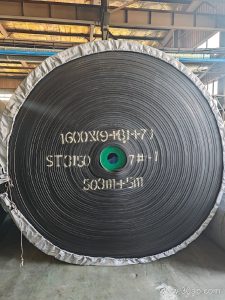
Also consider the conveyor belt type on the line. A steel cord conveyor belt or a heavy-duty mining conveyor belt may require closer idler spacing and a higher load class than a lightweight fabric core belt. A chevron conveyor belt or a corrugated sidewall conveyor belt can affect how the idler contacts the belt, so the roller profile should be reviewed. Matching the high-capacity idler to the actual belt and duty is the surest way to avoid downtime.