What the PVG800 Conveyor Belt Is
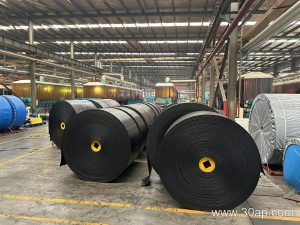
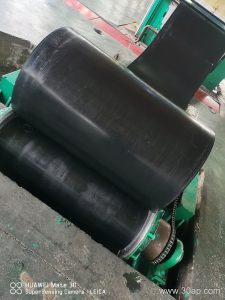
The PVG800 Conveyor Belt is a solid-woven, PVC-impregnated conveyor belt that has become a familiar sight in underground coal haulage and other demanding bulk material handling operations. In this construction, the carcass is a single-ply woven fabric fully impregnated with polyvinyl chloride, so the belt behaves as one homogeneous body rather than a stack of separate plies. The “800” refers to the belt’s tensile strength grade, commonly expressed as 800 N/mm, while PVG itself stands for polyvinyl chloride, solid woven. Buyers will also see the same product written as a PVG conveyor belt, PVG800 solid woven belt, or PVC/PVG underground belt, and these are accurate short forms for the identical item.
Because the woven core and the PVC matrix work together, the belt resists delamination, edge wear and moisture ingress better than many laminated constructions. That makes it a practical choice where abrasion, flame risk and occasional impact are part of daily operation.
Construction and Surface Options
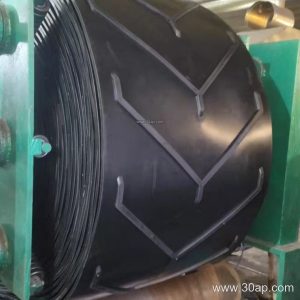
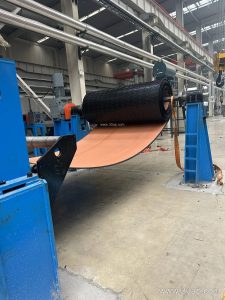
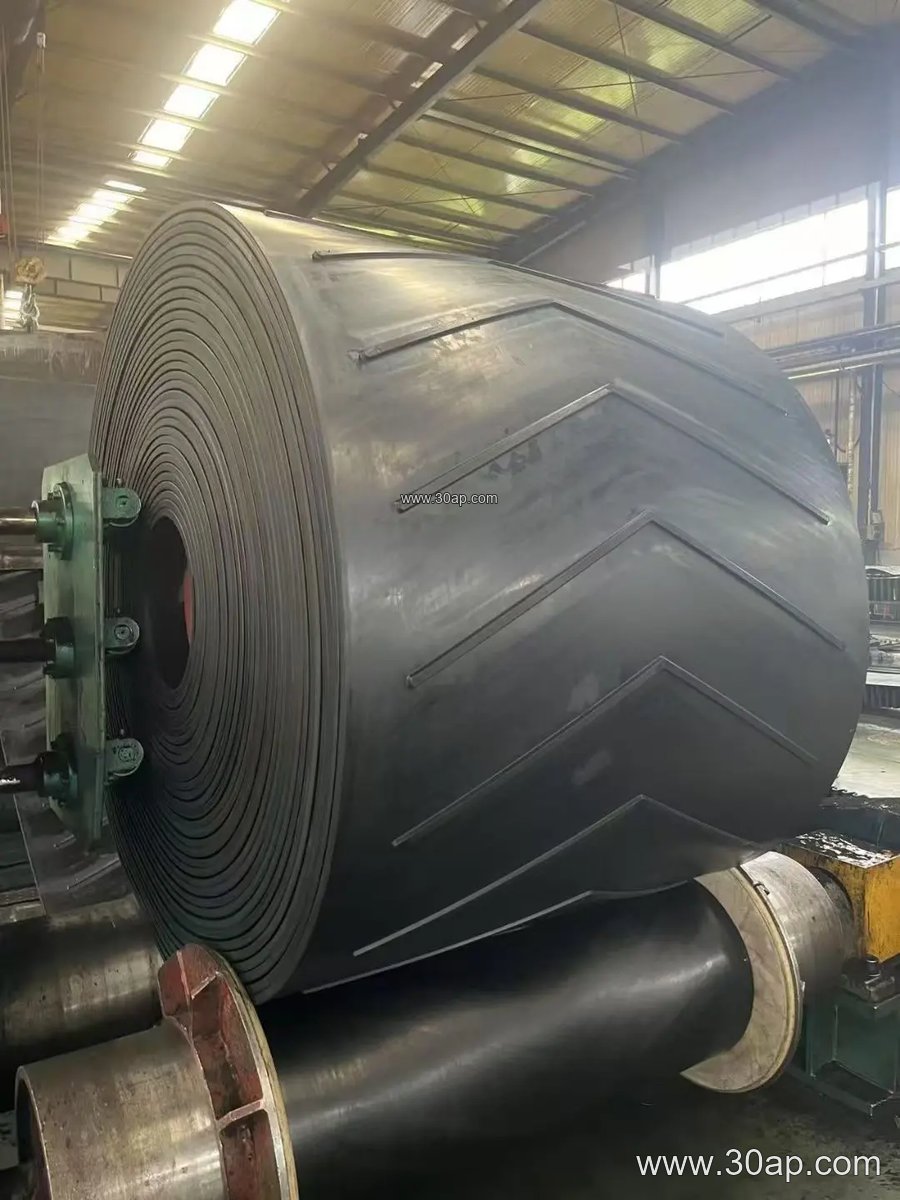
Production usually begins with a multi-ply or single-ply woven fabric that is dipped and coated with PVC paste, then pressed and vulcanized into a flat, uniform sheet. The result is a belt that can be made endless on site or supplied as an endless conveyor belt from the factory. Cover surfaces can be plain, or they can carry a chevron conveyor belt pattern or corrugated sidewall conveyor belt edges when the incline is steep and material needs to be contained.
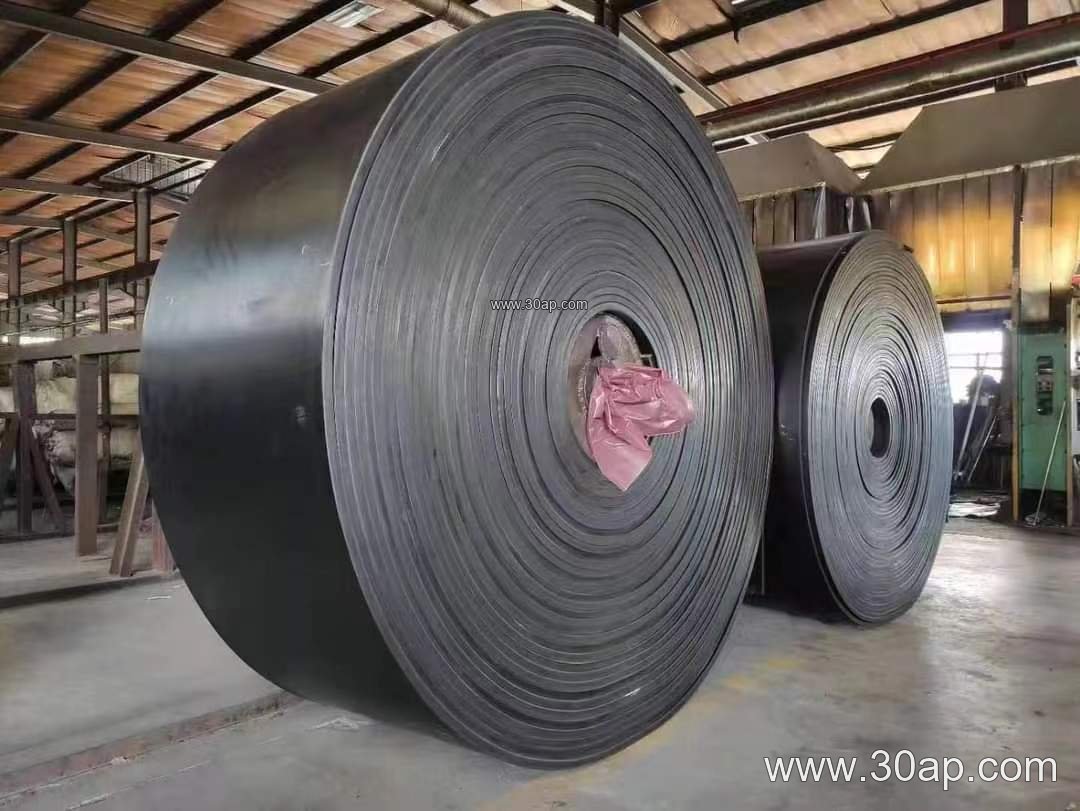
Protective grades are available for specific environments. In coal mines, a flame retardant conveyor belt with anti-static properties is the normal request, and the same PVG800 body may be built as a fire resistant conveyor belt for stricter site rules. Other variants include abrasion resistant conveyor belt, oil resistant conveyor belt, acid resistant and chemical resistant grades, and cold resistant conveyor belt for winter or freezer-adjacent service. Where the load is hot clinker or sinter, a heat resistant conveyor belt grade is selected instead. Each of these is a surface or compound choice on the same basic PVG800 product, not a different machine type.
Reference Data
The figures below are typical reference values only. Actual dimensions, ply counts and cover thicknesses are agreed with the manufacturer for each project.
| Parameter | Common Range |
|---|---|
| Strength grade | PVG800 (800 N/mm) |
| Belt width | B500, B650, B800, B1000, B1200, B1400 |
| Cover thickness | 3+1.5 mm, 4+2 mm, 5+2 mm, 6+2 mm |
| Carcass | Solid woven, 2 to 6 layers |
| Surface forms | Plain, chevron, sidewall |
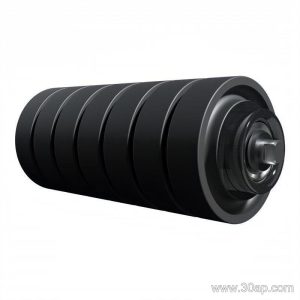
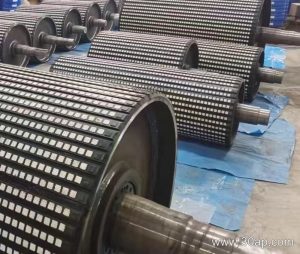
Related hardware is matched to the belt rather than to a fixed rule: conveyor pulley diameter, conveyor idler roller spacing and conveyor bracket layout are all set by the conveyor designer. A B800 belt does not dictate one shaft size, and a wider belt does not automatically need a larger drive pulley.
Where It Fits in the Plant
Underground coal mining conveyor belt duty is the classic application. The PVG800 feeds coal from the face to the main trunk conveyor, often through a crusher conveyor belt section where lump size is reduced. Above ground, the same belt appears in cement plant conveyor lines, power plant coal yards, steel plant coke handling and quarry conveyor runs feeding screens and stockpiles. Sand making plant conveyor belt circuits, stone crushing conveyor belt lines and aggregate conveyor belt loops use it where dust and sharp edges are constant. Port conveyor belt and ship loading conveyor belt systems sometimes choose it for short transfer runs, while recycling conveyor belt plants value the cut and tear resistance.
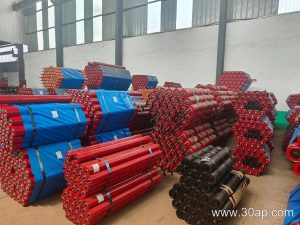
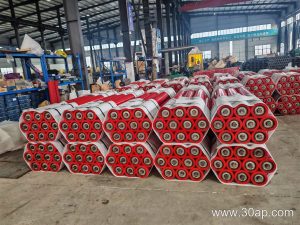
On any of these lines, the belt runs over idler roller sets and turns around the head, tail and bend pulleys; a conveyor pulley with worn lagging will shorten belt life far faster than most operators expect. Keep the conveyor bracket alignment true and the belt will track well.
Buyer Checklist
- Confirm the strength grade suits the calculated tension, not just the tonnage.
- State the environment: flame retardant conveyor belt, anti-static, oil resistant or heat resistant.
- Give belt width, cover thickness and whether an endless splice is required.
- Check pulley diameters and idler roller spacing against the belt’s minimum bend radius.
- Ask for the manufacturer’s data sheet before ordering, since values differ by supplier.
For a second line or a steep incline, compare the PVG800 with a steel cord conveyor belt or an EP conveyor belt only when tension or elongation demands it; the solid woven PVG grade remains the practical default for underground coal work.