What a 1000mm Drive Pulley Does
A 1000mm drive pulley is the head-end drum that transmits motor torque into the conveyor belt. With a nominal diameter of Ø1000, it is a large-diameter conveyor pulley often chosen for high-tension main haulage lines where belt wrap and traction matter. In a typical arrangement, the drive pulley sits at the discharge end, gripping the belt while the return side runs back through idler rollers and a tail pulley. The 1000mm drive pulley is not a tail pulley or a bend pulley; those perform different duties at different positions along the conveyor frame.
At www.morningbelt.com/1000mm-drive-pulley buyers can compare this drum with related conveyor components before specifying a complete head drive station.
Construction and Surface Options
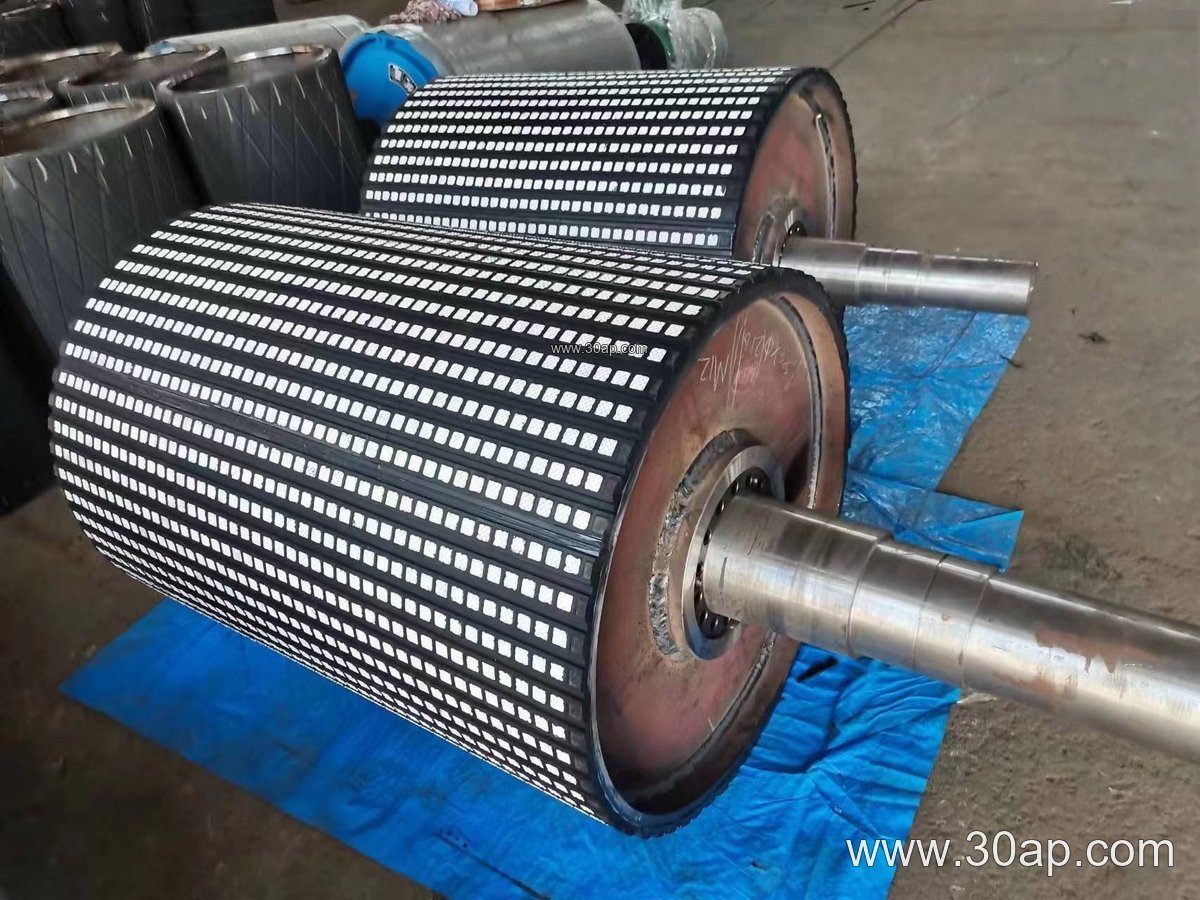
The drum body is usually a welded steel shell with end discs, a shaft, and bearing housings. The shell face may be plain, or it may carry lagging to raise friction between pulley and belt. Common lagging forms include plain rubber, diamond grooved rubber, herringbone rubber, and ceramic lagging, with thicknesses often around 8, 10, 12, 15, or 20 mm. For a 1000mm drive pulley handling wet or dusty material, diamond or ceramic lagging is frequently considered to improve grip and shed debris.
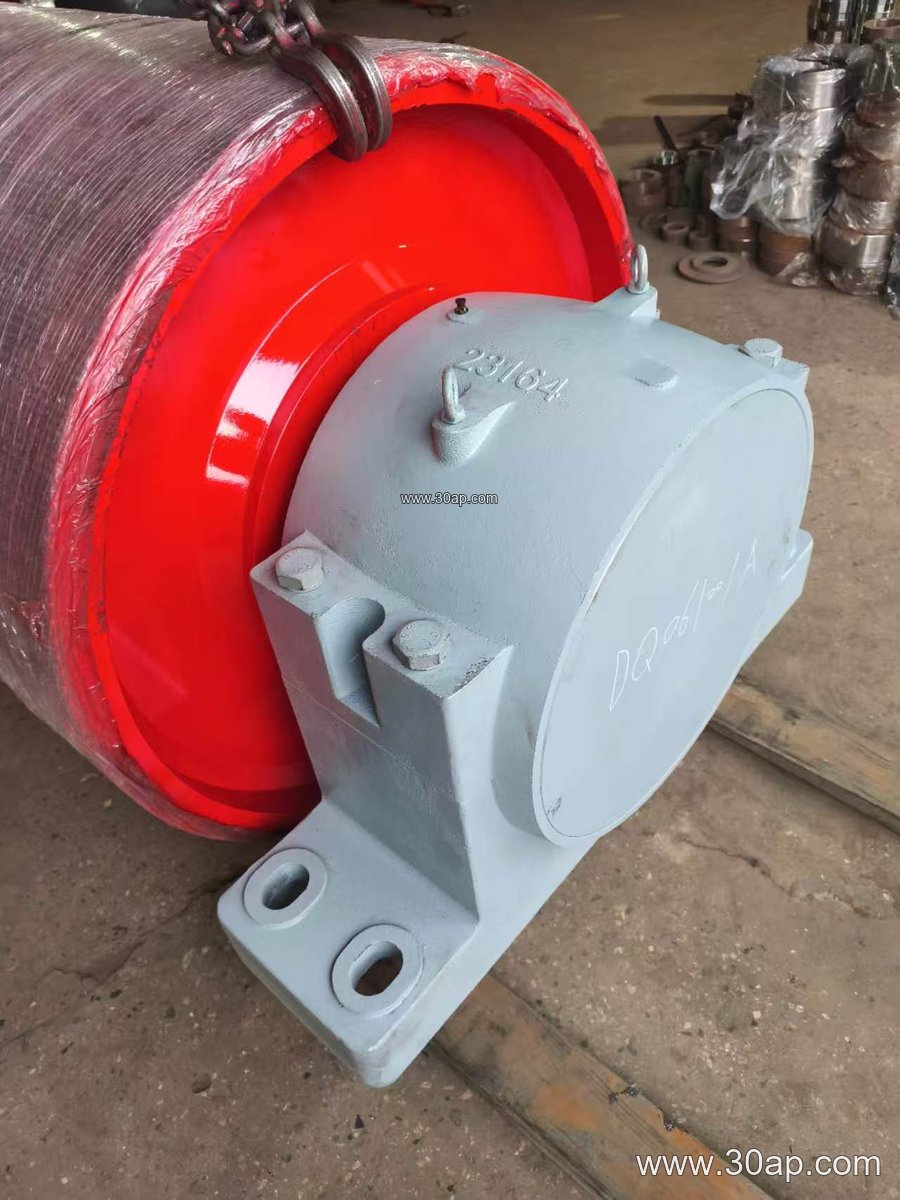
Shaft diameter is determined by torque and load, not by belt width alone. A Ø1000 drum may run on shafts in ranges such as Ø120, Ø140, Ø160, or larger, depending on the drive design. Pulley face width normally exceeds belt width; for a B1000 belt, a face width near 1150 mm is common, though final dimensions follow the conveyor design.
| Parameter | Typical reference |
|---|---|
| Nominal diameter | Ø1000 mm |
| Common belt match | B800, B1000, B1200 (by design) |
| Face width example | About 1150 mm for B1000 |
| Lagging thickness | 8–20 mm, selected by duty |
| Shaft diameter | Set by torque and bearing load |
Where It Fits in Bulk Handling
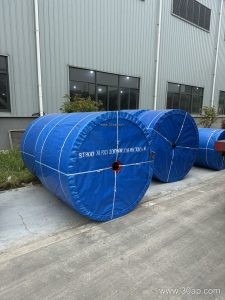
Large head drums appear in quarry and aggregate lines feeding crushers, in cement plant clinker transport, in power plant coal handling, and in iron ore or copper ore concentrators. A 1000mm drive pulley may work with an abrasion resistant conveyor belt on a primary crushed-rock line, or with a flame retardant conveyor belt in a coal preparation plant. On long overland routes, a steel cord conveyor belt paired with a large head drum helps carry high tension with limited stretch, while shorter sections may use an EP conveyor belt or NN conveyor belt.
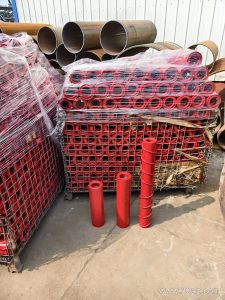
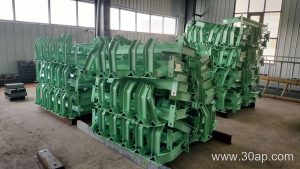
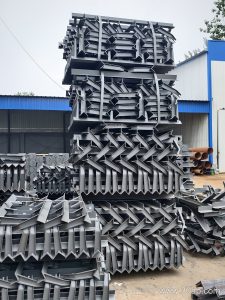
The drum should be matched to the belt construction and the surrounding frame. Conveyor brackets, conveyor idler rollers, and the take-up system all influence how the belt tracks across the face. More information on compatible belting is available at www.morningbelt.com/conveyor-pulley.
Selection Checks Before Ordering
- Confirm the required diameter and face width against the conveyor layout, not against a single standard size.
- State the belt type and tension so the shell, shaft, and lagging can be checked together.
- Choose lagging for the environment: ceramic or diamond rubber for wet, gritty duty; plain rubber where buildup is not a concern.
- Verify bearing size, shaft diameter, and keyway from the drive torque calculation.
- Check that the take-up travel and bend pulley position allow adequate belt wrap on the drive drum.
A 1000mm drive pulley is a heavy-duty component, so alignment with the gearbox, coupling, and frame matters as much as the drum itself. During installation, confirm that the pulley axis is square to the conveyor centerline and that lagging surfaces are clean before tensioning. Routine checks of lagging wear, bolt tightness, and bearing temperature help avoid belt slip and premature belt damage. For related drums and rollers, see www.morningbelt.com/conveyor-roller and www.morningbelt.com/1000mm-drive-pulley.