What a 1800mm Conveyor Belt Is
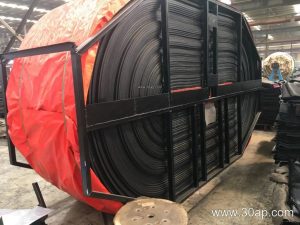
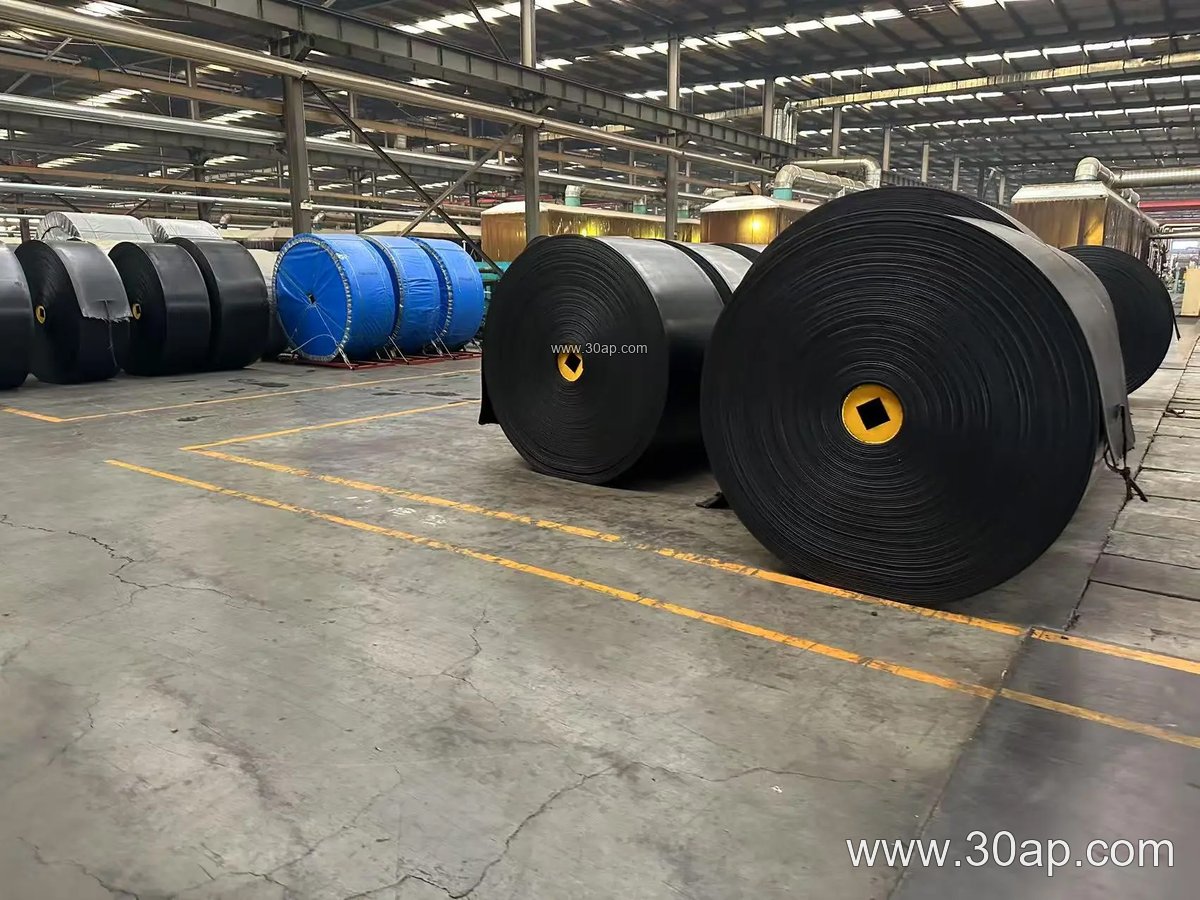
A 1800mm conveyor belt is a wide-profile rubber belt built for conveyor systems that move large tonnages or bulky material in a single pass. With a nominal belt width of 1800 mm, it sits in the wide belt class, well above the common 800mm, 1000mm and 1200mm sizes used on smaller lines. In practice, an 1800mm wide conveyor belt is often selected when a plant wants high throughput without running multiple parallel conveyors, and it appears in mines, coal preparation plants, cement works, power stations, ports and large sand and gravel yards.
The product is not a single specification. An 1800mm conveyor belt can be supplied as an EP conveyor belt, an NN conveyor belt, a steel cord conveyor belt, or a PVC/PVG belt for underground duties. Each construction has its own strength range and its own place in the plant.
How the Belt Is Built
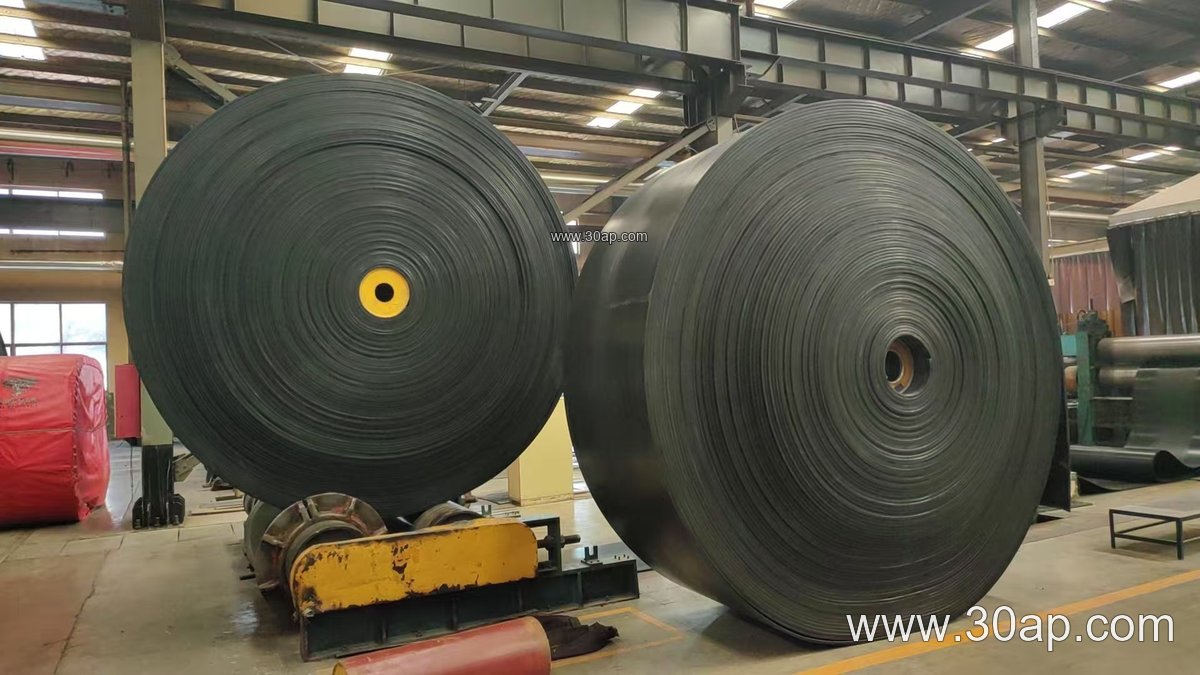
A fabric-cored 1800mm belt usually combines several plies of EP or nylon fabric with top and bottom rubber covers. Steel cord versions replace the fabric plies with a single layer of steel cords, which suits long centre distances and high tension. Cover thickness is quoted as a pair, for example 6+2 mm or 8+3 mm, and the carcass may run from 2 to 6 plies depending on the duty.
Common strength grades used with this width include EP400, EP630, EP800, EP1000 and EP1250, and steel cord grades such as ST1250 and ST1600. These are reference values, not fixed pairings: the correct grade depends on the actual tension calculation for the conveyor. The belt edge, splice type and cover compound are all agreed with the supplier at order stage.
Where It Fits in a Conveyor
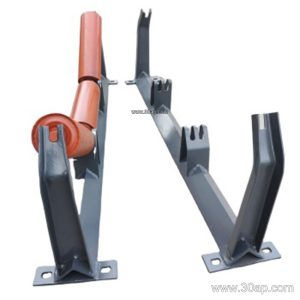
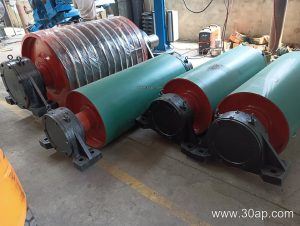
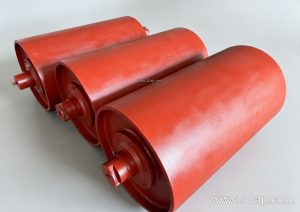
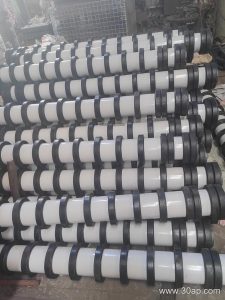
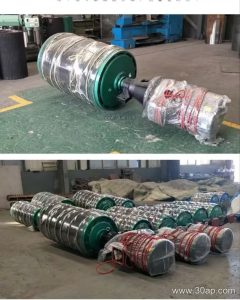
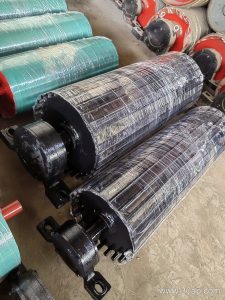
The belt runs over a conveyor pulley at the head and tail, is supported by idler roller sets along the carry side, and returns on lower idlers. A conveyor bracket holds the idlers and pulleys in alignment, and the whole assembly must be sized for the wider belt and the heavier loads it carries. Drive pulley, tail pulley and bend pulley each do a different job, so they are specified separately rather than treated as one item.
Typical duties for a 1800mm belt include:
- Primary crushing and transfer points in a quarry or ore beneficiation plant
- Coal handling and stockyard conveyors at a power plant
- Clinker and limestone transport in a cement plant
- Ship loading and yard conveyors at a port terminal
- Aggregate and sand conveying in a stone crushing line
Cover Compounds and Special Constructions
The rubber cover is chosen for the material and the environment. An abrasion resistant conveyor belt is common on crusher discharge and aggregate lines, while a heat resistant conveyor belt suits clinker and sinter. A flame retardant conveyor belt or fire resistant conveyor belt is normally required in coal mining and underground coal mining conveyors, often together with an anti-static conveyor belt construction. Oil resistant and cold resistant grades cover other site conditions.
Where material must be contained on steep or narrow routes, a corrugated sidewall conveyor belt or a skirted conveyor belt may be considered. A chevron conveyor belt is used on inclines to stop material rolling back. These are different belt forms, and they are chosen for the duty rather than substituted for a standard flat 1800mm belt.
Buyer Checklist
Before ordering a 1800mm conveyor belt, confirm the following with the conveyor designer:
- Belt width and the pulley face width, so the belt is not overhung
- Strength grade and number of plies or steel cord construction
- Cover thickness and compound, for example abrasion resistant or heat resistant
- Splice method, since a wide belt needs a splice the site can handle
- Whether an endless conveyor belt is required or an open length will be joined on site
- Ambient and material temperature, and any fire or anti-static requirement
The pulley diameter, shaft size and idler spacing are set by the conveyor design and the belt tension, not by the belt width alone. A 1800mm belt can run on different pulley sizes in different installations, so the belt supplier and the conveyor builder should confirm these values together. For assistance with belt selection and matching conveyor components, visit conveyorbeltingpro.com or check the pulley and roller ranges at conveyorbeltingpro.com.
Handling and Maintenance Notes
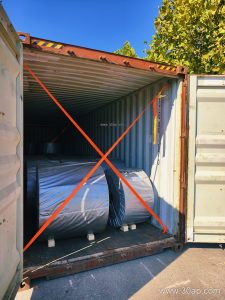
Wide belts are heavy, so lifting points, storage and splice access need planning before delivery. During operation, check belt tracking at the tail pulley and bend pulley, inspect idler roller condition, and keep the conveyor bracket fixings tight. A misaligned idler or a worn pulley lagging can quickly damage the belt edge on an 1800mm wide belt. Record cover wear and splice condition at regular intervals, and replace damaged sections before they spread. With correct alignment and a suitable cover compound, a well-matched 1800mm conveyor belt gives long service in demanding mining, cement, power and port applications.