What the Tapered Self-Aligning Idler Does
A tapered self-aligning idler is a carrying or return idler whose rollers are machined or formed with a slight taper and mounted so the assembly can pivot about a vertical axis. When a conveyor belt begins to drift sideways, the tapered profile produces a small differential in surface speed across the belt edge. That difference nudges the belt back toward the centre line without any motor, sensor or operator input. In practice, this idler roller behaves like a passive steering correction that works continuously as the belt runs.
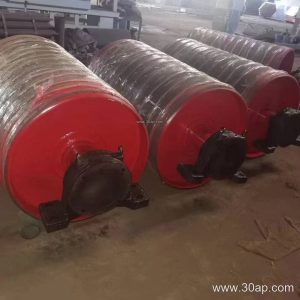
The tapered self-aligning idler is also described as a conical self-aligning idler or self-aligning taper roller. These are accurate equivalent names for the same product, and they appear in plant drawings and spare-part lists alongside the shorter term self-aligning idler. It is not a drive pulley, tail pulley or bend pulley; those components transmit power or redirect the belt path, while the tapered self-aligning idler only guides the belt and supports its load.
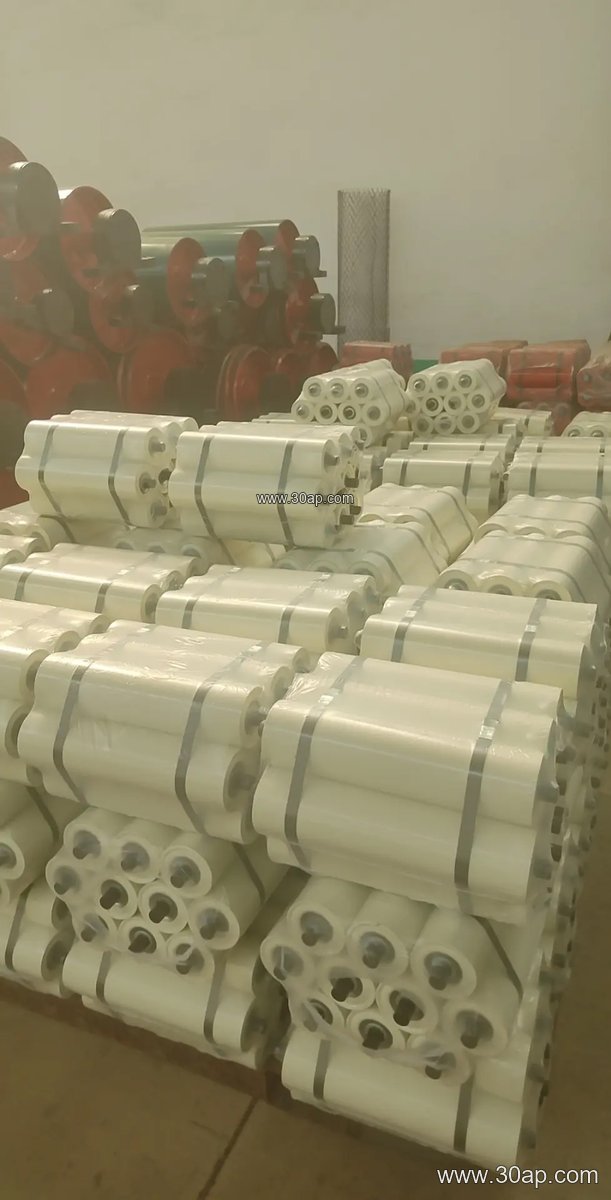
How the Assembly Is Built
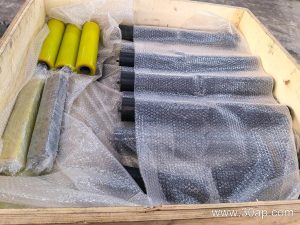
A typical unit combines a base frame, a pivoting bracket and two or three tapered rollers. The pivot usually sits in a sealed bearing housing so the frame can swing a few degrees either way. The rollers themselves are commonly steel tube with a machined taper, fitted with labyrinth seals and deep-groove ball bearings. Common bearing references include 6204, 6205, 6305, 6306, 6308 and 6310, but the bearing is matched to the roller diameter and load, not to belt width alone. Surface options range from plain steel to nylon, ceramic or rubber rings, and the choice depends on whether the belt carries wet, sticky or abrasive material.
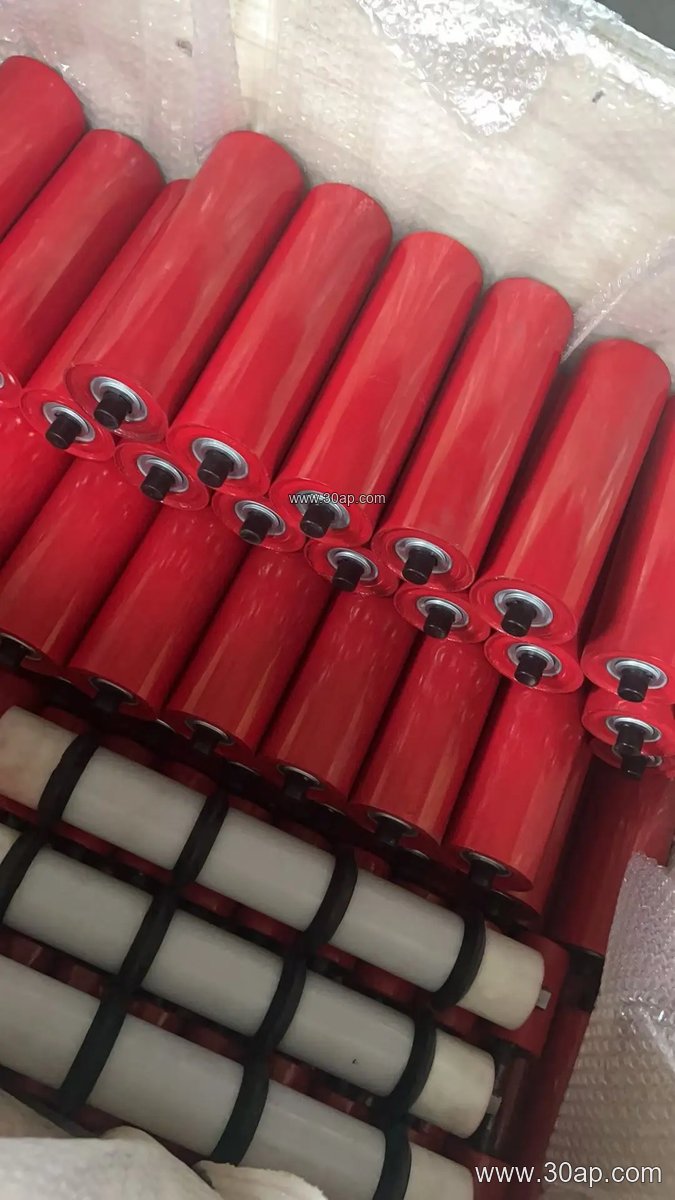
Roller diameters are usually selected from a standard range such as Ø63, Ø76, Ø89, Ø102, Ø108, Ø127, Ø133, Ø159, Ø178, Ø194 and Ø219 mm. The frame length and roller spacing follow the belt width and trough angle, and a plant may use a three-roll troughing arrangement for wide belts or a two-roll design where space is tight.
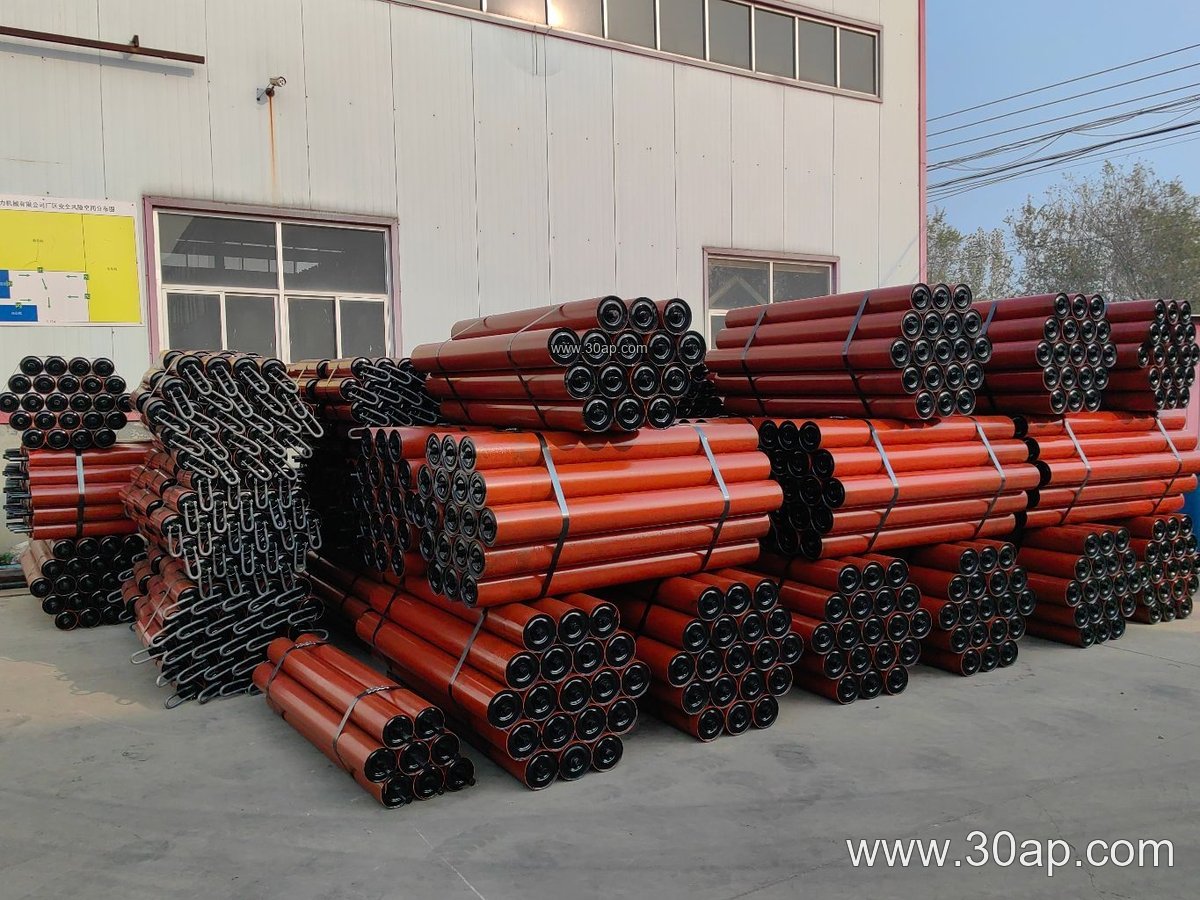
Where It Fits on the Conveyor
These idlers are often placed at intervals along a long carrying run, particularly where the belt approaches a transfer point or where loading is uneven. In a quarry or aggregate line, a tapered self-aligning idler is frequently installed a few metres after the crusher discharge to counter the sideways push from off-centre loading. In a coal handling plant or a power plant coal yard, the same idler helps keep a wide belt centred on the structure, reducing edge wear and spillage.
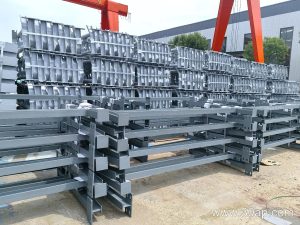
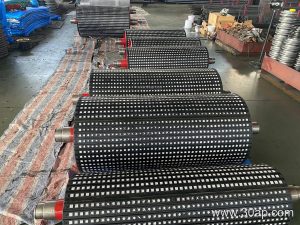
On a heavy-duty mining conveyor carrying ore, the tapered self-aligning idler is usually paired with a robust frame and a wear-resistant roller surface. It is not a substitute for a training idler of the friction type, and it is not a replacement for a bend pulley at a curve. Each plays a distinct role, and a well-designed conveyor may use several of them together.
Matching the Idler to the Belt and the Job
Buyers should look at three things: belt width, trough angle and the material being carried. Belt widths from B400 and B500 up to B2400 are common across bulk handling plants, and the idler frame must be built for the specific width rather than assumed. Trough angles of 20, 30, 35 or 45 degrees change the roller length and the contact pattern, so the idler order should state the angle. Roller length varies with belt width and roll configuration; a three-roll troughing set on a B800 belt might use rollers around 315 mm long, while a B1200 set might use rollers around 465 mm, but side rollers and centre rollers can differ and the final figure comes from the conveyor design.
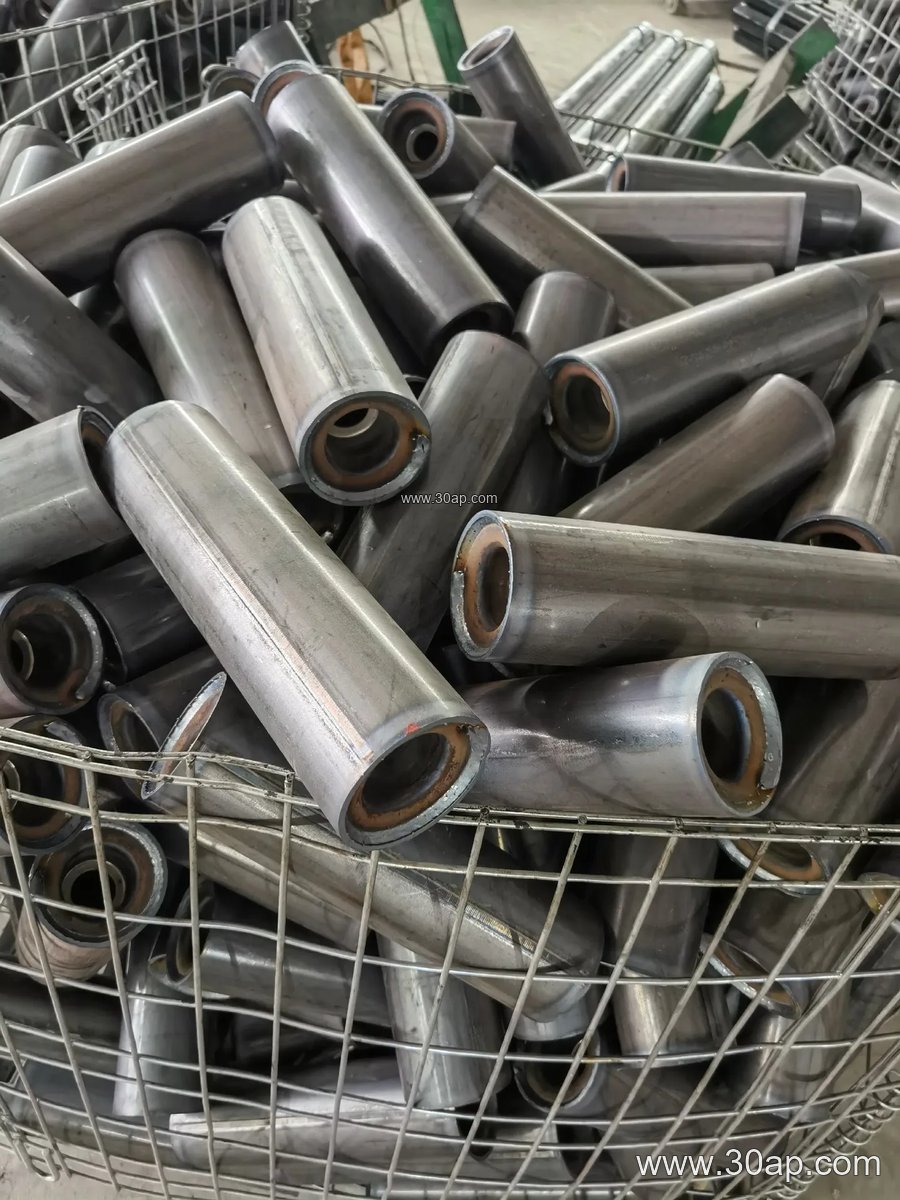
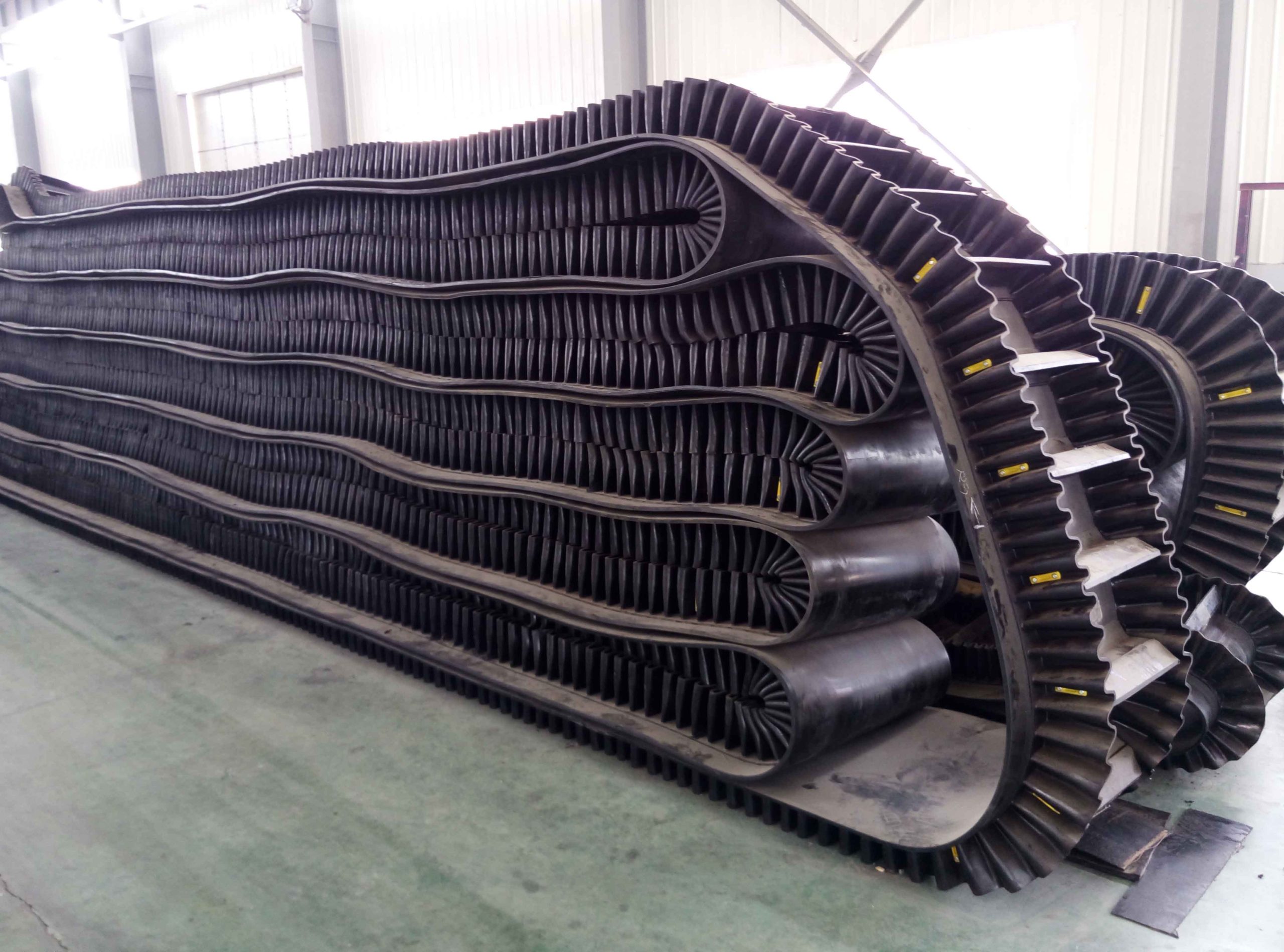
Material matters too. A dusty cement plant, a limestone quarry, an iron ore yard or a fertiliser warehouse each puts different demands on seals and roller surfaces. Where the belt is a rubber conveyor belt or an EP conveyor belt carrying abrasive stone, rubber rings or a thicker steel shell can extend service life. Where the belt is a flame retardant conveyor belt in an underground coal mine, the idler should be selected with the same attention to fire safety and dust control. A steel cord conveyor belt on a long overland run may need a larger roller diameter and a stronger frame, while a fabric core conveyor belt on a shorter aggregate line can use a lighter assembly.
Installation and Maintenance Notes
- Mount the idler square to the belt centre line; a skewed frame will steer the belt even when the idler is working correctly.
- Check that the pivot moves freely and that the seal is intact after washing or high-pressure cleaning.
- Inspect roller surfaces for build-up of sticky material, which can change the taper effect and cause uneven tracking.
- Replace a roller when the shell is worn through or the bearing becomes noisy; do not keep running a damaged tapered self-aligning idler in the hope that it will still guide the belt.
- Record roller diameter, bearing reference and frame length when ordering spares so the replacement matches the existing conveyor bracket.
For plants that also stock conveyor pulleys and conveyor brackets, keeping the tapered self-aligning idler data in the same maintenance file makes it easier to plan shutdown work and avoid mixing components from different conveyor sections.