What a Rock Conveyor Belt Is
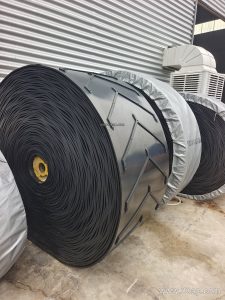
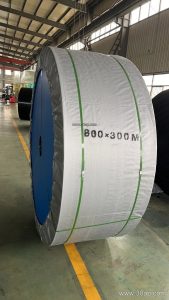
A rock conveyor belt is a heavy-duty rubber belt designed to move crushed stone, ore, gravel, and other abrasive bulk materials. In quarry, mining, and aggregate operations, it forms the core of continuous haulage between a crusher, screen, stockpile, or ship loader. Because rock is jagged, dense, and often wet or dusty, the belt must resist cutting, gouging, and impact while maintaining steady tracking over long distances.
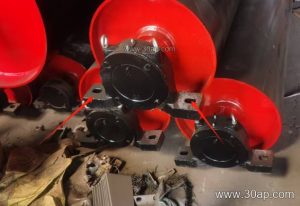
The term is a working description rather than a single construction. A rock conveyor belt may be built with fabric plies, steel cord, or a combination of rubber covers and reinforcement selected for the duty. It is often specified alongside conveyor pulleys, idler rollers, and conveyor brackets that together keep the belt aligned and supported.
Construction and Common Configurations
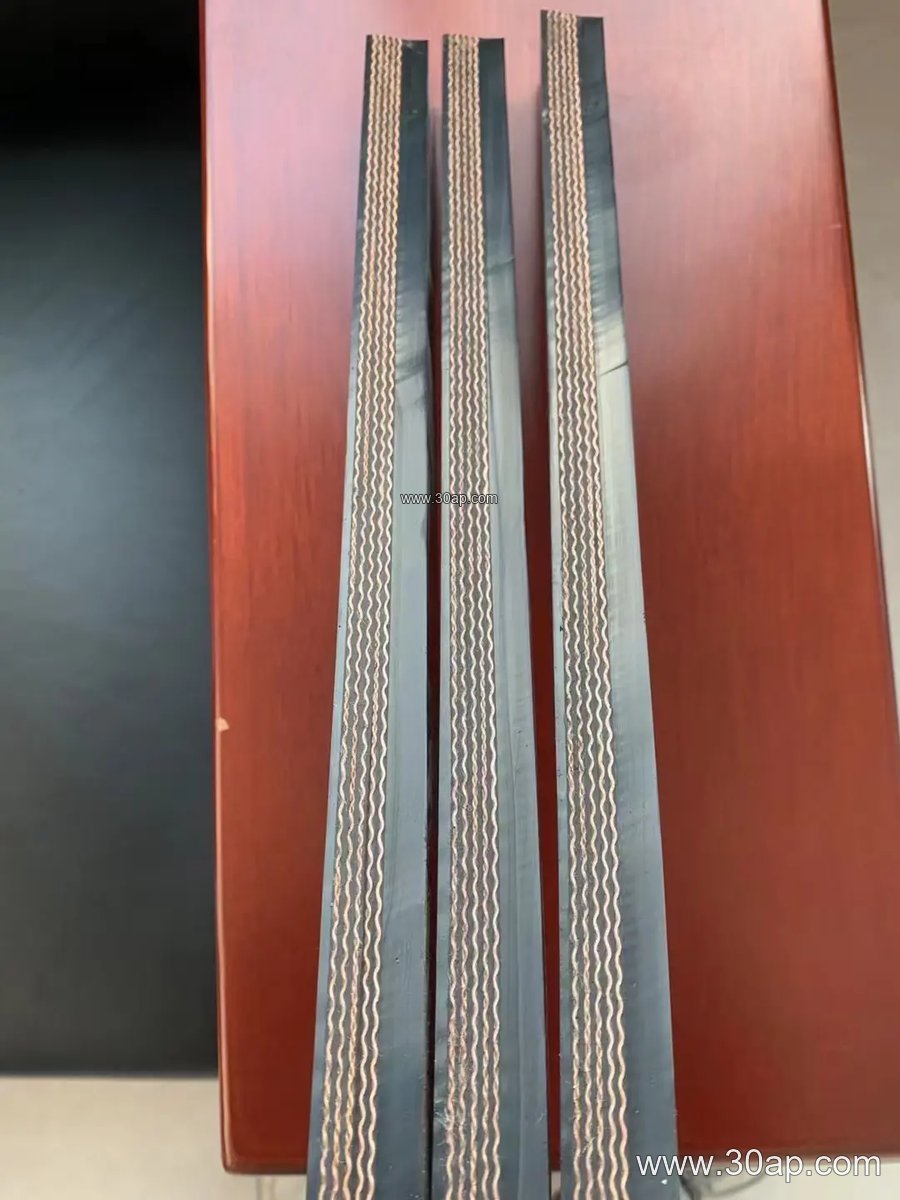
The belt body usually combines a tension-carrying carcass with top and bottom rubber covers. The carcass provides strength and elongation control, while the cover compounds protect against abrasion, impact, and environmental exposure. Buyers will encounter several carcass families in rock handling:
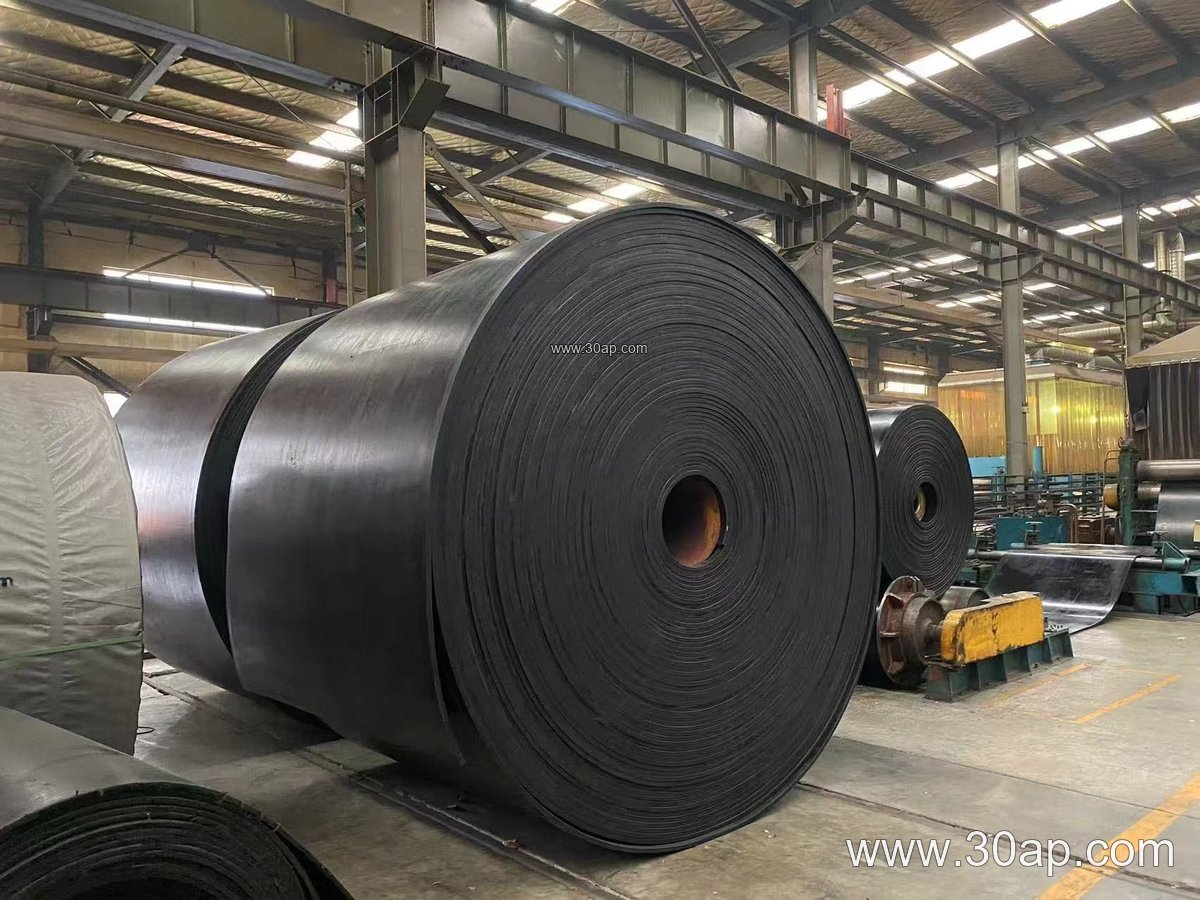
- Fabric core conveyor belt with EP or NN plies, often used in multi-ply fabric core conveyor belt constructions for moderate to high tension.
- Steel cord conveyor belt for long overland runs and high capacity where low elongation is important.
- Specialty covers such as abrasion resistant conveyor belt, heat resistant conveyor belt, oil resistant conveyor belt, and flame retardant conveyor belt for specific plant conditions.
Surface forms also matter. A chevron conveyor belt, corrugated sidewall conveyor belt, or skirted conveyor belt can help contain material on inclines or at transfer points, but these are separate design choices and not interchangeable with a standard flat rock belt. The drive pulley, tail pulley, and bend pulleys remain distinct components; a bend pulley is not a substitute for a drive pulley in layout or selection.
Typical Specifications and Reference Data
Specifications vary by manufacturer and application. The following values are common reference points, not fixed universal pairings. Belt width and pulley diameter are selected together with tension, load, and space constraints.
| Parameter | Common reference range |
|---|---|
| Belt width | B500, B650, B800, B1000, B1200, B1400, B1600, B1800, B2000 |
| EP strength grades | EP200, EP315, EP400, EP500, EP630, EP800, EP1000, EP1250, EP1600, EP2000 |
| Cover thickness (top + bottom) | 3+1.5, 4+2, 5+2, 6+2, 8+3 mm |
| Fabric plies | Typically 2 to 6 layers, depending on duty |
For example, an EP1000 1200mm conveyor belt might be considered for a primary crushed-rock line, while an EP1250 1800mm belt could suit a higher-capacity stockyard feed. Steel cord grades such as ST1000 or ST1600 appear in long-haul mining and port applications. These examples are illustrative; final selection depends on the conveyor design.
Where Rock Belts Are Used
Rock conveyor belts appear across mining, coal preparation, cement plants, power stations, sand and gravel pits, and construction recycling. In a quarry conveyor belt system, the belt often receives material directly from a crusher conveyor belt discharge and carries it to screening. In cement and aggregate plants, abrasive stone and clinker demand a high abrasion resistant conveyor belt cover. Underground coal mining conveyor belt installations may require flame retardant and anti-static properties, while iron ore and copper ore handling can call for heavy-duty mining conveyor belt construction.
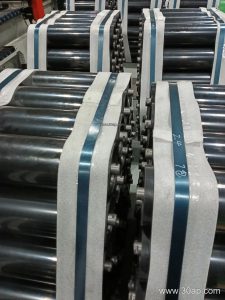
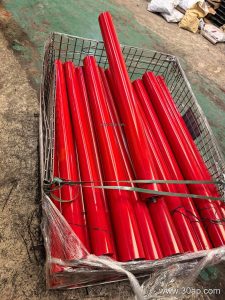
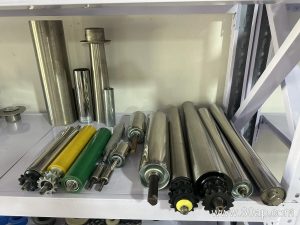
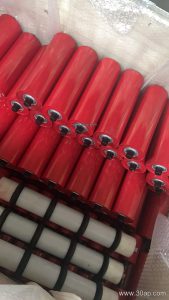
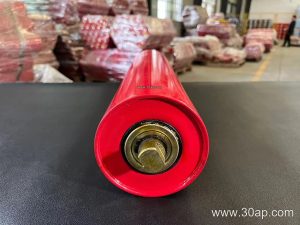
Supporting equipment is equally important. Idler rollers carry the loaded belt, conveyor pulleys transmit drive tension, and conveyor brackets hold the structure in alignment. A well-matched rock conveyor belt reduces spillage and downtime when these components are selected as a system.
Buyer Checklist
Before ordering, confirm the material size, bulk density, moisture, and temperature. Check whether the site needs a heat resistant conveyor belt, oil resistant conveyor belt, or cold resistant conveyor belt. Review the conveyor profile for inclines that may justify a chevron or corrugated sidewall design. Ask for the carcass type, cover thickness, and splice method, and verify that the belt width matches the pulley face and idler trough without assuming a fixed relationship between width and shaft size. For harsh rock duty, an abrasion resistant conveyor belt with adequate impact resistance is often a practical starting point, but the final specification should follow the conveyor designer’s calculations and the supplier’s data sheet.