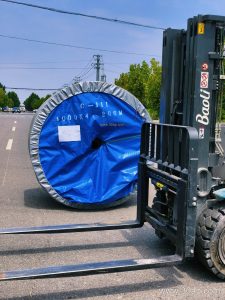
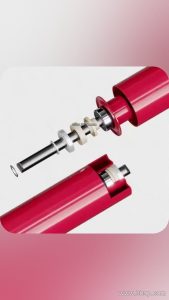
What a High-Strength Pulley Is
A high-strength pulley is a heavy-duty conveyor pulley engineered to handle high tension, shock loads, and continuous operation in tough bulk-handling environments. Often referred to as a heavy-duty conveyor pulley, it serves as the critical link between the conveyor belt and the drive system, guiding and supporting the belt at head, tail, and bend positions. Unlike standard pulleys, high-strength models feature reinforced shells, robust shafts, and heavy-duty bearings to withstand the rigors of mining, quarrying, and power generation.
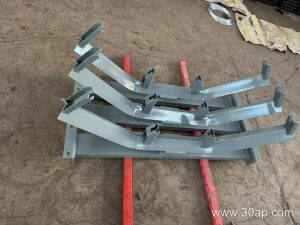
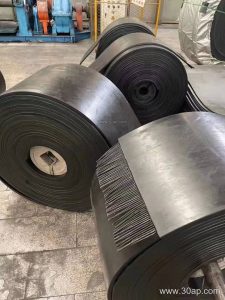
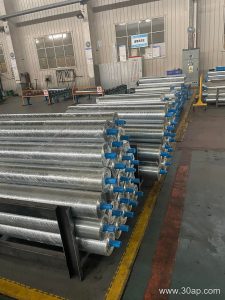
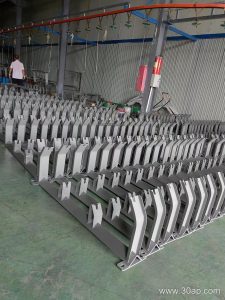
In a typical conveyor circuit, the pulley works alongside the conveyor belt, idler roller, and conveyor bracket to keep material moving efficiently. Whether you are running an EP conveyor belt or a steel cord conveyor belt, the pulley must match the belt’s tension requirements and environmental conditions.
Construction and Key Components
The construction of a high-strength pulley focuses on durability and reliability. The shell is usually made from seamless steel tube or rolled plate, machined for balance and concentricity. Shafts are sized according to torque and load, with common diameters ranging from Ø50 to Ø200 mm, and are often forged or turned from high-grade alloy steel. Bearings are selected for high radial and axial loads, and the hub-to-shaft connection may use keyways, shrink discs, or locking assemblies.
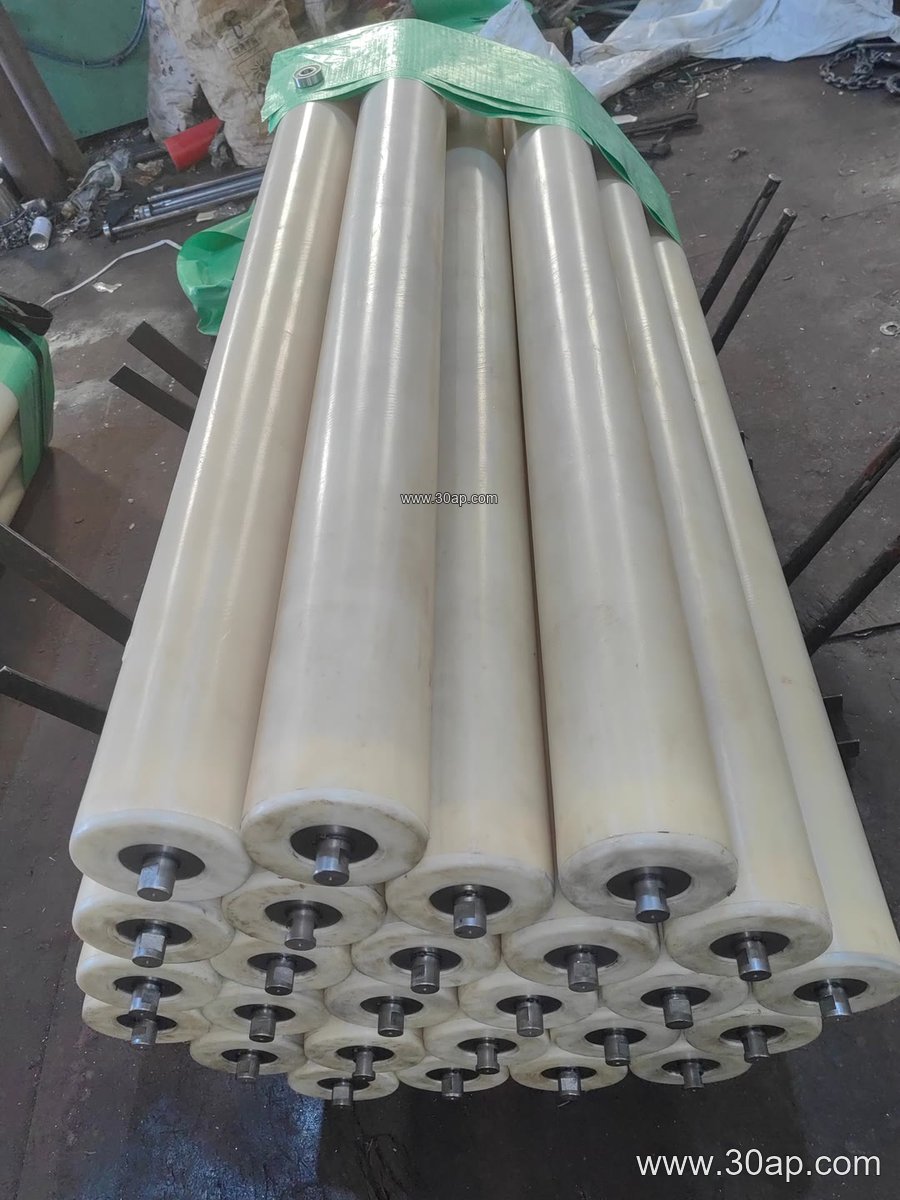
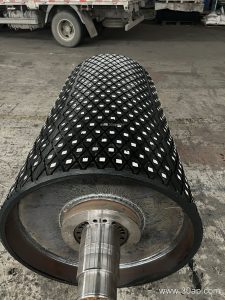
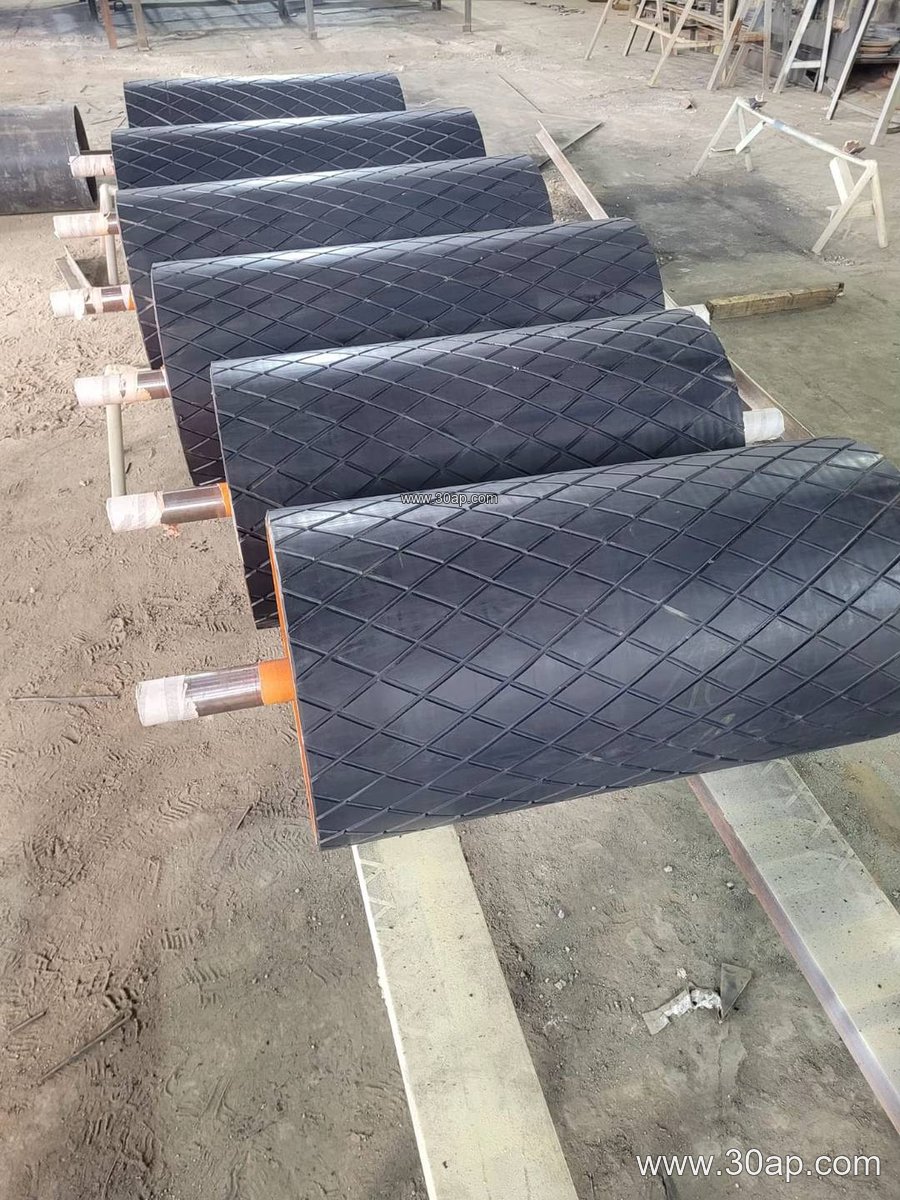
Surface options are critical for grip and wear resistance. Common finishes include plain, cast rubber, cold-bonded rubber, hot-vulcanized rubber, diamond grooving, herringbone grooving, and ceramic lagging. Lagging thickness typically ranges from 8 to 20 mm, depending on the application. For example, a B1200 × Ø1000 pulley with 12 mm diamond lagging might be used in a primary crushing circuit, while a B800 × Ø500 pulley with plain surface could serve as a tail pulley in a less abrasive environment.
Where High-Strength Pulleys Are Used
These pulleys are essential in industries where conveyor systems operate under extreme conditions. In underground coal mining, high-strength pulleys handle the tension of flame retardant conveyor belts and resist abrasive coal dust. In limestone quarries, they support heavy rock conveyor belts and withstand impact loads from large lumps. Cement plants rely on them for clinker transport, where heat resistant conveyor belts and high-strength pulleys work together to manage high temperatures and abrasive materials.
Power plants use high-strength pulleys in coal handling systems, often paired with abrasion resistant conveyor belts to ensure reliable fuel delivery. Port bulk terminals employ them for ship loading and unloading, where wide conveyor belts up to 2400 mm demand pulleys with matching face widths and robust construction. In each setting, the pulley’s design must align with the belt type, whether it’s an EP conveyor belt, NN conveyor belt, or a specialized pipe conveyor belt.
Types and Configurations
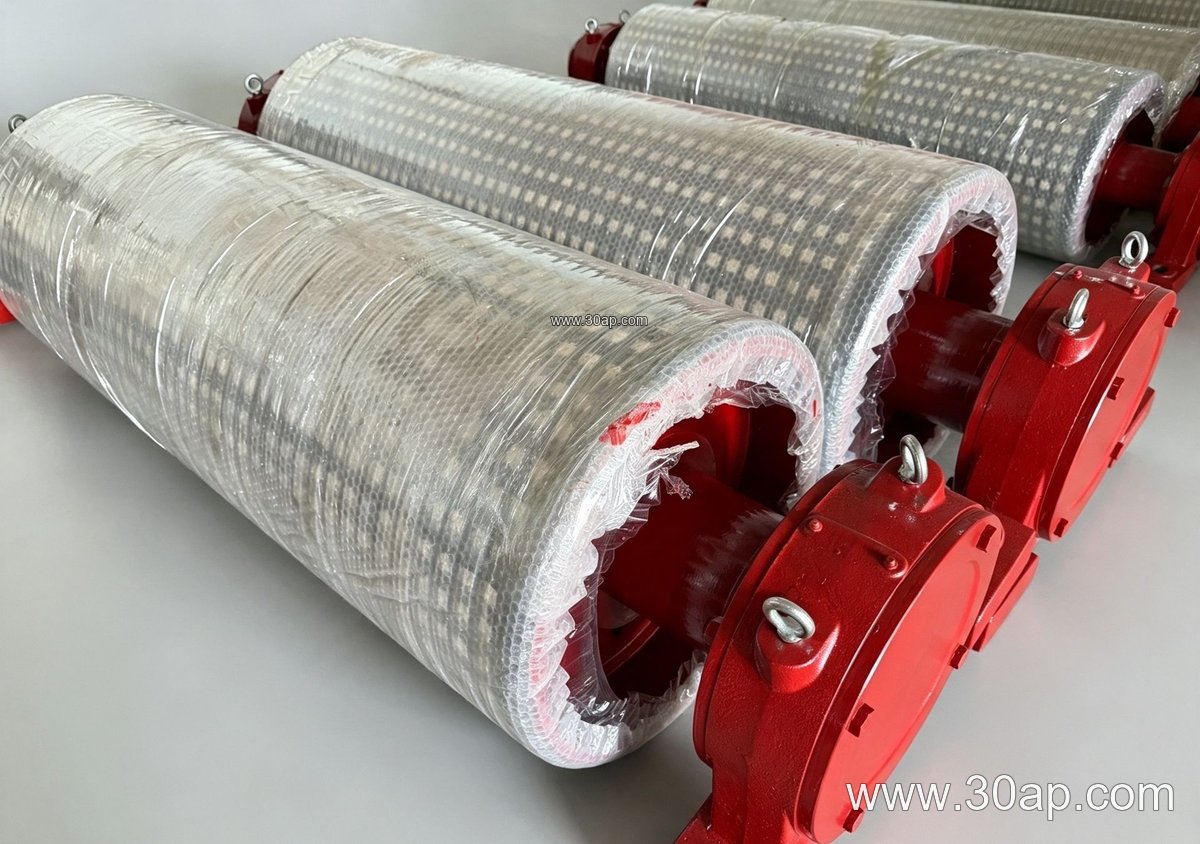
High-strength pulleys come in several configurations to suit different positions in the conveyor. Drive pulleys, also called head pulleys, transmit power to the belt and are often the largest and most heavily built. Tail pulleys support the belt at the return end and may be self-cleaning. Bend pulleys change the belt direction and are common in tensioning systems. Take-up pulleys maintain belt tension, while snub pulleys increase wrap angle around the drive pulley.
Each type has specific design considerations. For instance, a drive pulley in a high-tonnage iron ore conveyor might use a Ø1250 mm diameter with ceramic lagging for maximum grip, whereas a bend pulley in a coal plant could be Ø630 mm with plain surface. The table below lists common combinations for reference, but actual selection depends on belt width, tension, and load conditions.
| Belt Width (mm) | Common Pulley Diameter (mm) | Typical Lagging |
|---|---|---|
| B500 | Ø250 – Ø400 | Plain or 8 mm rubber |
| B650 | Ø315 – Ø500 | 10 mm diamond |
| B800 | Ø400 – Ø630 | 10–12 mm rubber |
| B1000 | Ø500 – Ø800 | 12 mm herringbone |
| B1200 | Ø630 – Ø1000 | 12–15 mm ceramic |
| B1400 | Ø800 – Ø1250 | 15 mm diamond |
| B1600 | Ø1000 – Ø1400 | 15–20 mm rubber |
| B1800 | Ø1250 – Ø1600 | 20 mm ceramic |
| B2000 | Ø1400 – Ø1800 | 20 mm rubber |
Note that face width is usually slightly larger than belt width; for example, a B1200 pulley may have a face width of about 1400 mm. Shaft diameter is determined by torque and load, not by belt width alone, so a B800 pulley might use a Ø80 mm shaft in one application and a Ø100 mm shaft in another.
Buyer’s Checklist
When selecting a high-strength pulley, consider the belt type and tension. An EP conveyor belt or steel cord conveyor belt requires a pulley with sufficient diameter to avoid excessive bending stress. Confirm the environmental conditions: for coal mining, a flame retardant conveyor belt may be used, and the pulley should be compatible with anti-static requirements. In food processing, a food grade conveyor belt demands a pulley with smooth, cleanable surfaces.
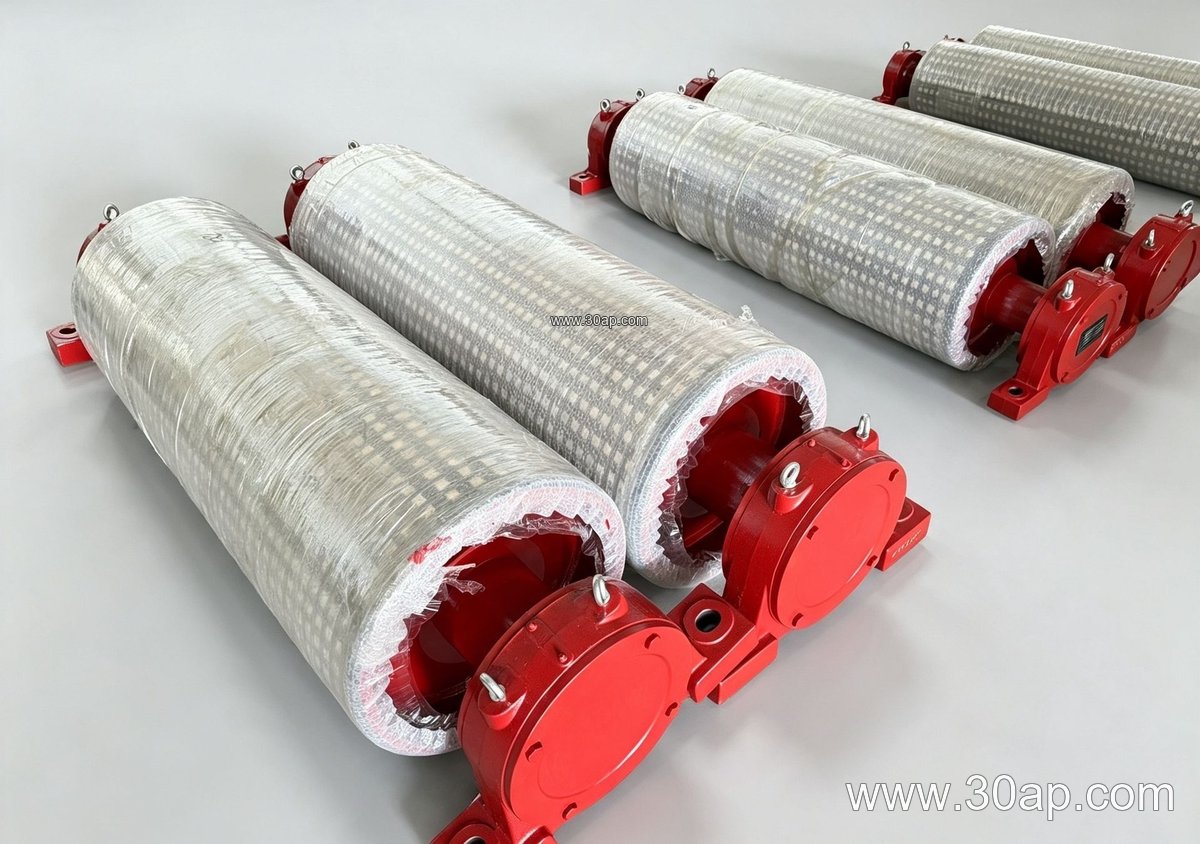
Check the pulley’s load capacity against the conveyor’s maximum tension. Verify the shaft size and bearing life for the expected duty cycle. Ensure the lagging material suits the material being conveyed—abrasion resistant conveyor belts pair well with ceramic or rubber lagging, while oil resistant conveyor belts may need oil-resistant lagging. Finally, confirm mounting dimensions and compatibility with the conveyor bracket and idler roller layout.
For more information on conveyor components, visit our site at www.example.com/conveyor-pulley or explore our range of conveyor belt and idler roller solutions. Proper selection of a high-strength pulley ensures long service life and minimal downtime in the most demanding industries.