What a Large Conveyor Pulley Does on a Bulk Handling Line
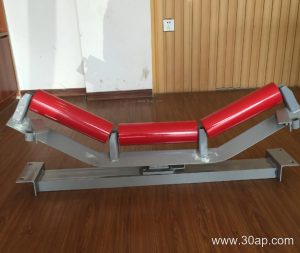
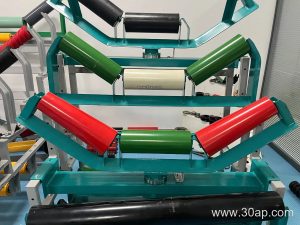
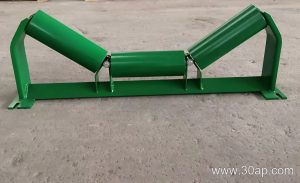
In a quarry, cement plant, or ore dressing circuit, the pulley that carries the highest load is rarely the one most people notice. A large conveyor pulley is the drum that transmits drive force, sets belt direction, or maintains tension on a high-capacity belt line. It works together with the conveyor belt, the idler roller sets along the carry side, and the conveyor bracket that anchors the shaft bearings. When the pulley diameter and shell width are sized correctly, the belt runs straighter, splice fatigue drops, and the whole conveyor pulley assembly lasts longer.
These pulleys are not a single model. Drive pulleys, tail pulleys, and bend pulleys each serve a different function, and they are not interchangeable. A drive pulley transfers torque to the belt; a tail pulley returns the belt and often carries material impact; a bend pulley changes belt direction without driving. This article focuses on the large conveyor pulley as a heavy-duty drum unit and explains how it is built, where it is used, and what to check before ordering.
Construction Details That Matter
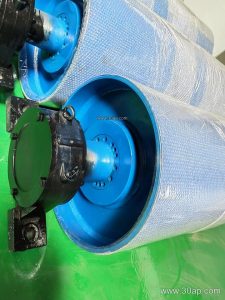
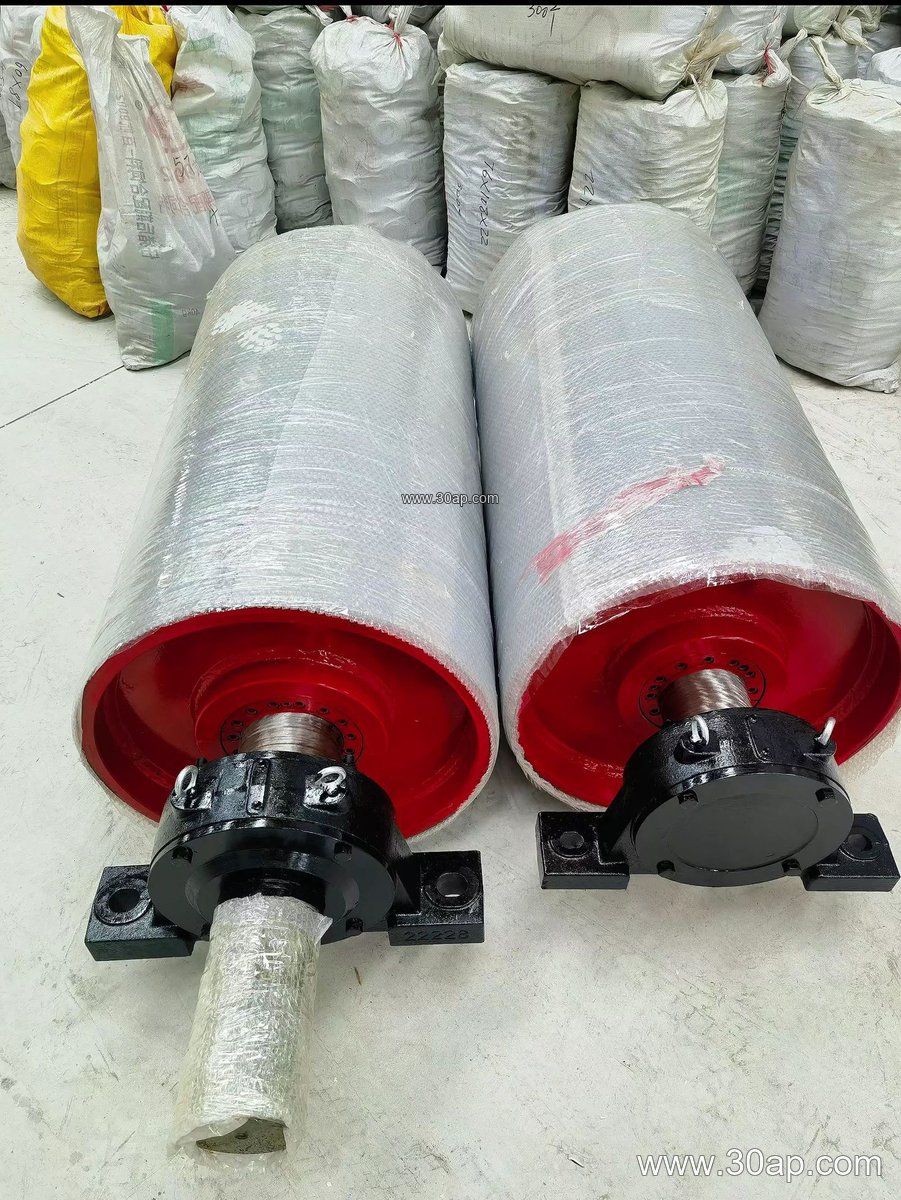
A typical large drum consists of a rolled steel shell, welded end discs, a shaft, bearing housings, and a lagging surface. The shell is machined to control runout, and the shaft is sized by torque and radial load rather than by belt width alone. Common shaft diameters include Ø80, Ø100, Ø120, Ø140, Ø160, and Ø180 mm, but the final value depends on the drive calculation. Diameters commonly range from Ø500 to Ø1250 mm or more for high-tension lines, while shell widths usually run somewhat wider than the belt, for example about 1400 mm for a B1200 belt and about 1800 mm for a B1600 belt.
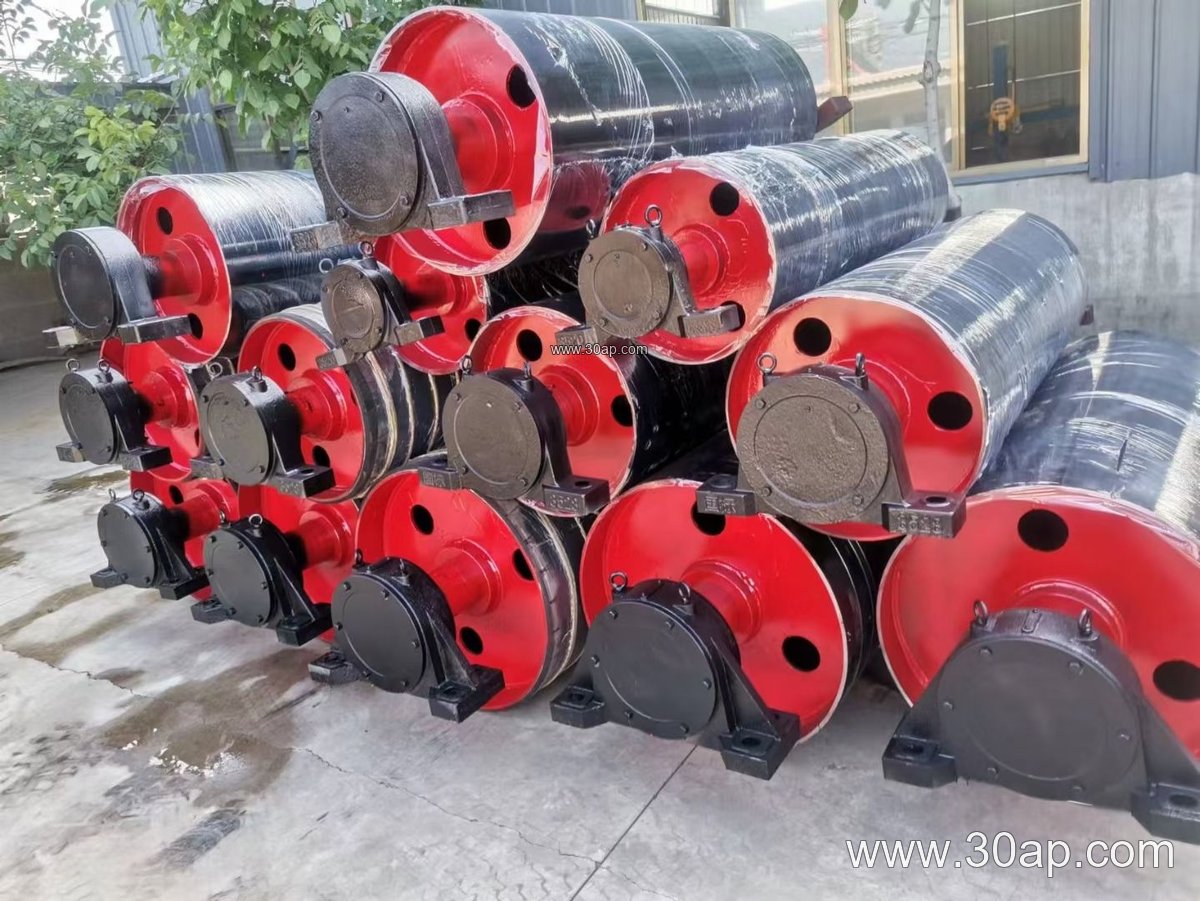
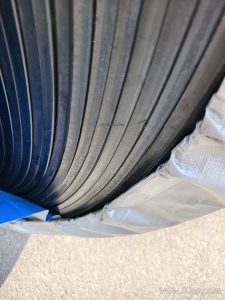
Surface treatment is a major decision. Plain steel is used where grip is not critical. Rubber lagging, applied by cold bonding or hot vulcanizing, improves friction and protects the shell. Diamond and herringbone patterns help shed water and fines, while ceramic lagging suits abrasive service. Lagging thickness commonly falls between 8 mm and 20 mm depending on duty.
Where Large Drums Are Installed
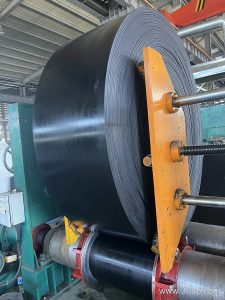
In a coal washing plant or a power station coal yard, a large conveyor pulley at the head end drives a flame retardant conveyor belt or a fire resistant conveyor belt through a gearbox and coupling. At the tail, a heavy-duty drum absorbs impact from lump coal and stone. In a limestone or iron ore operation, the same equipment may handle an abrasion resistant conveyor belt or a steel cord conveyor belt where tension is high and belt stretch must stay low. Port bulk terminals use wide drums with an EP conveyor belt or fabric core conveyor belt on long boom conveyors.
Elsewhere, a cement plant relies on heat resistant conveyor belt grades for clinker, while a fertilizer or grain silo may use an oil resistant conveyor belt or food grade conveyor belt. In each case the drum must match the belt tension, the ambient conditions, and the available space for take-up travel. You can see related drum and belt references at beltconveyorpro.com/conveyor-pulley for general product orientation.
Matching Pulley Size to Belt Width and Duty
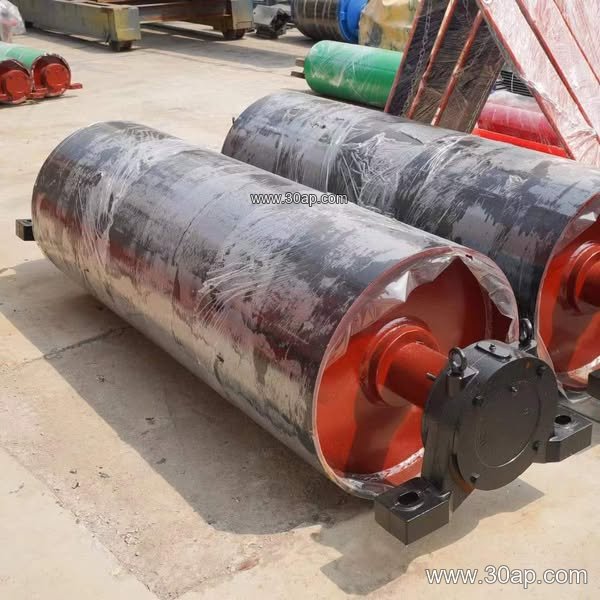
Belt width and pulley diameter are related but not locked together. A wider belt usually needs a wider shell, while diameter follows belt tension and the number of plies or cord layers. The table below shows representative combinations that engineers often evaluate; these are reference examples, not fixed rules.
- B800 belt with Ø500 drum, shell about 950 mm
- B1000 belt with Ø630 drum, shell about 1150 mm
- B1200 belt with Ø800 or Ø1000 drum, shell about 1400 mm
- B1400 belt with Ø800 drum, shell about 1600 mm
- B1600 belt with Ø1000 or Ø1250 drum, shell about 1800 mm
- B1800 belt with Ø1250 drum, shell about 2000 mm
Do not assume that one belt width can only pair with one diameter. A B1200 line moving abrasive aggregate may use a larger drum than a B1200 line handling lighter material, because the required wrap angle and belt tension differ. Shaft diameter should be confirmed by the drive supplier using torque, bearing life, and deflection limits.
Buyer Checklist Before Ordering
Confirm the pulley function first: drive, tail, or bend. Then collect belt width, belt type, belt tension, shaft diameter, bearing type, lagging pattern, and lagging thickness. Check the conveyor bracket dimensions and the available take-up travel so the drum fits the frame without modification. Ask for the shell runout, balancing grade, and welding inspection record. For harsh sites, specify lagging that matches the material: ceramic for sinter and coke, diamond rubber for wet coal, and plain or lightly lagged surfaces where belt tracking is sensitive.
Finally, plan maintenance. Inspect lagging wear, bearing temperature, and shaft seal condition on a regular schedule. A well-selected large conveyor pulley, paired with the right conveyor belt and idler roller layout, keeps a bulk line running through long shifts in mining, cement, power, and port service.