What a Food Grade Conveyor Belt Is
A Food Grade Conveyor Belt is a belt built for conveying food, food ingredients and other materials where contact with the product must not introduce contamination. It is not simply a standard belt painted a different color. The cover compound, the carcass, the splice and the surface finish are all chosen so the belt can be cleaned, resist moisture and fats, and avoid giving the conveyed material an off taste or odor. In many plants the belt is the largest single surface the product touches, so its condition matters as much as its original specification.
Where the same conveyor also handles packaging, cartons or bulk grain, buyers sometimes compare a food-grade belt with a general-purpose rubber conveyor belt. The two are not interchangeable in a food contact zone, because a Rubber Conveyor Belt intended for aggregate or ore service may contain compounds and surface treatments that are not suitable near food. The comparison is useful for budgeting, but it should not be used to justify a non-food belt in a hygienic area.
How the Belt Is Built
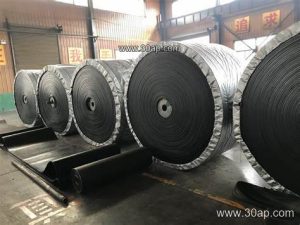
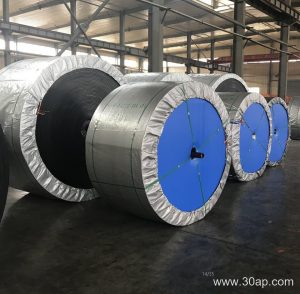
Most food belts use a fabric core with a polymer cover. The carcass carries the tension and may be a multi-ply fabric construction; the cover protects the fabric and provides the working surface. Common cover materials include PVC, polyurethane and white or light-colored rubber compounds. Light color is popular because it makes cleaning and inspection easier, though color alone does not define food suitability.
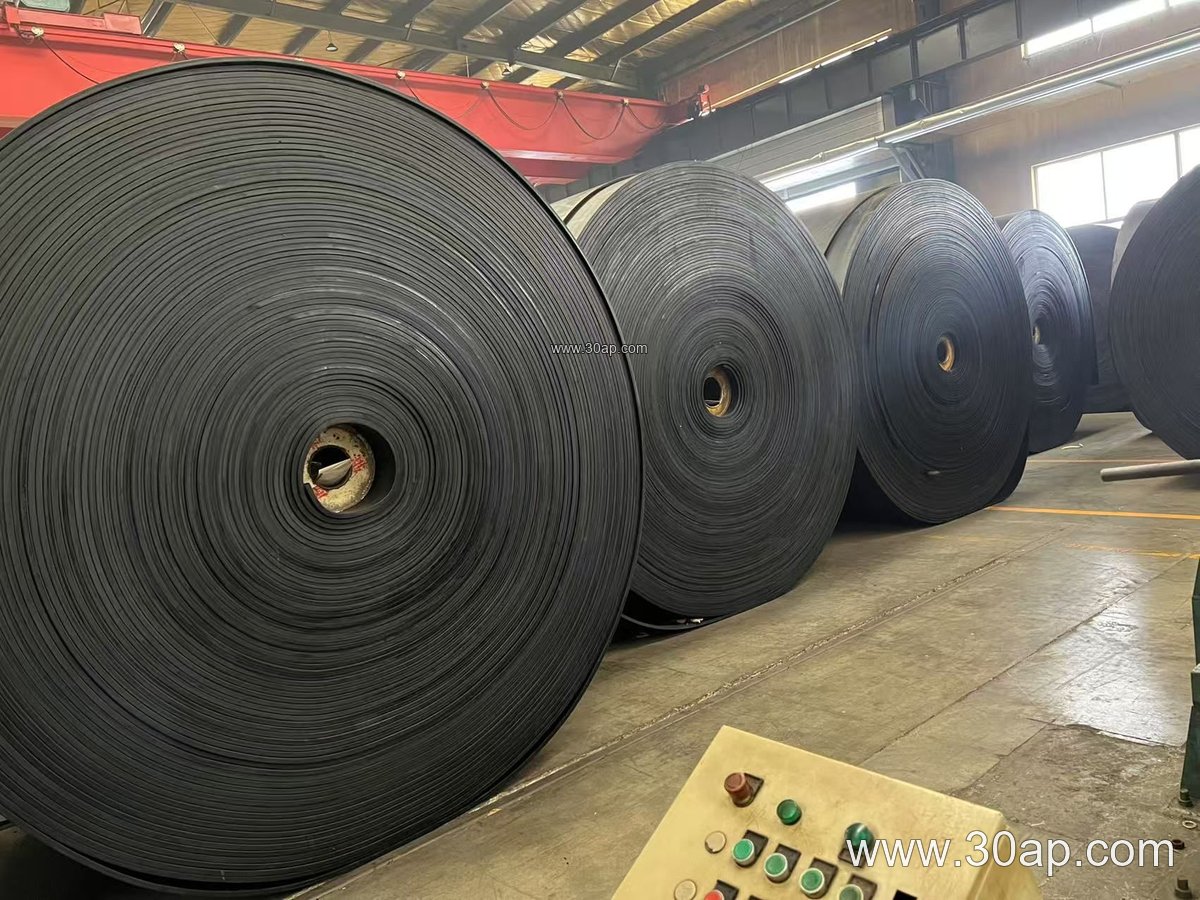
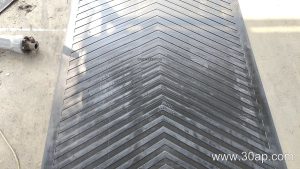
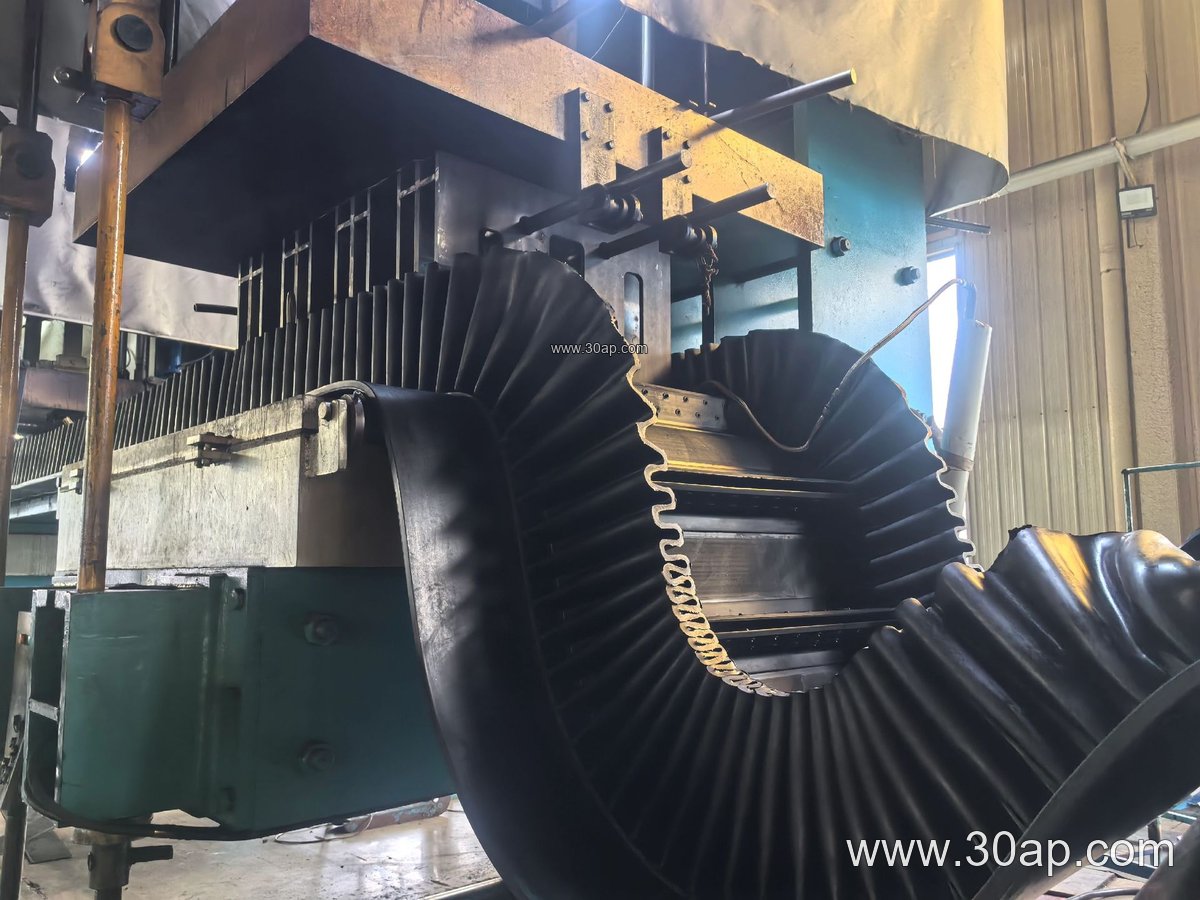
Surface forms vary with the duty. A smooth cover suits general transport of boxes, fruit and dry ingredients. A patterned or chevron top helps on inclines where products might roll back. A Corrugated Sidewall Conveyor Belt with cleats is used where the belt must carry loose material up a steep angle inside a confined frame. These are different constructions, not cosmetic options, and each has its own cleaning routine.
- Cover thickness is usually stated as a top and bottom figure, for example 3+1.5 mm or 4+2 mm, with thicker covers used where abrasion or cleaning wear is heavier.
- Carcass plies commonly range from two to six layers depending on the load and the pulley arrangement.
- Belt widths follow the conveyor design; common values include B500, B650, B800 and B1000, with wider belts used on high-capacity lines.
- Splices may be endless, laced or mechanically fastened; an Endless Conveyor Belt joint gives the smoothest surface where product transfer and cleaning are critical.
Where It Is Used
Food belts appear in bakeries, dairy and beverage plants, fruit and vegetable lines, meat and poultry rooms, snack factories, sugar and flour handling, and cold storage. They also serve in packing halls where the belt carries wrapped goods before cartoning. The same hygienic thinking is now applied outside classic food plants: a recycling line sorting food waste, a port facility handling bagged grain, or a cement plant cannot use the same belt as a bakery, but a food-adjacent area inside a plant may still call for a washable belt surface.
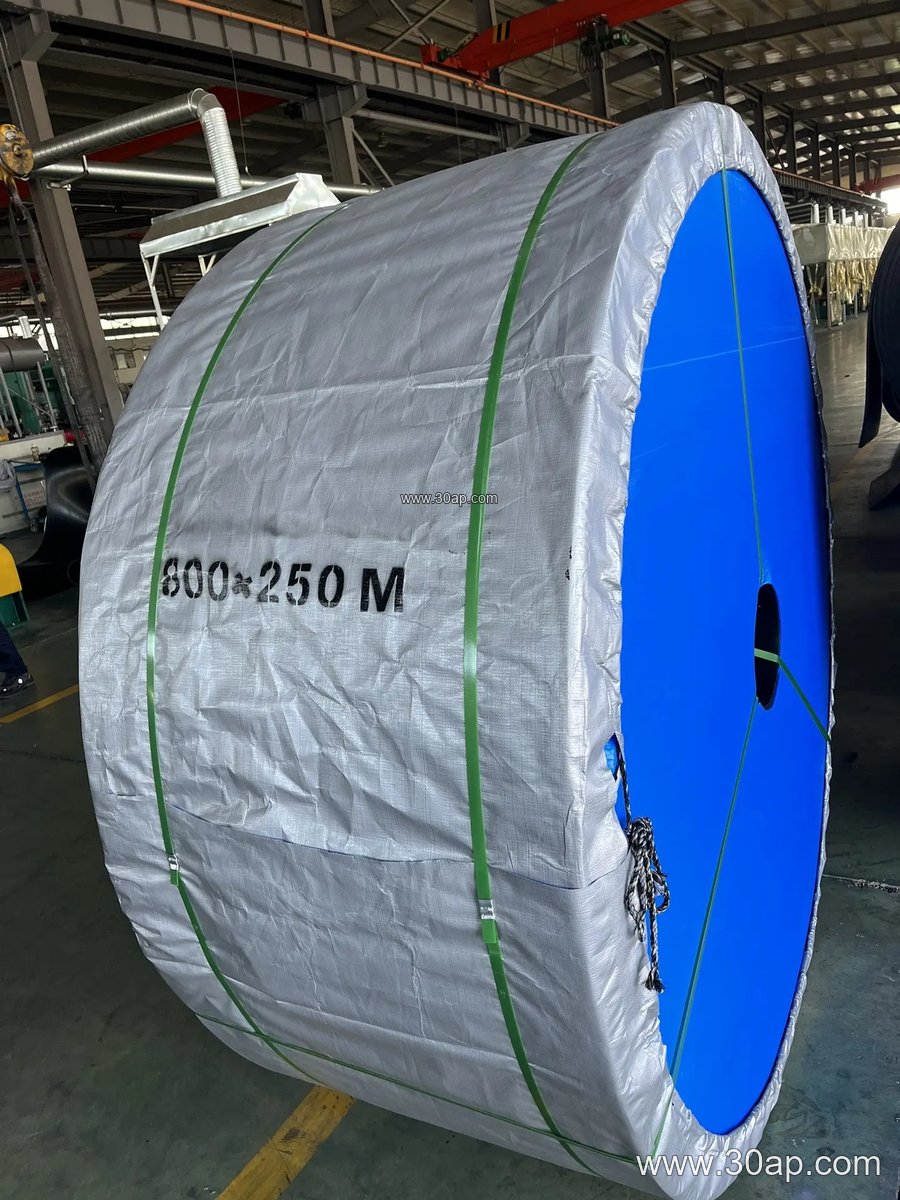
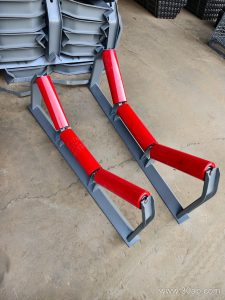
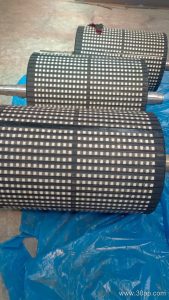
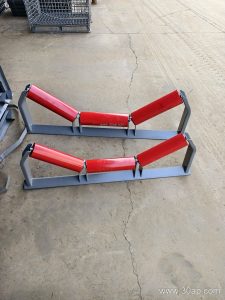
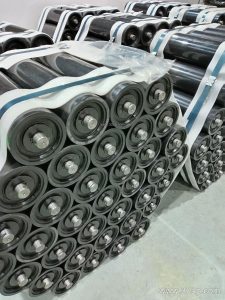
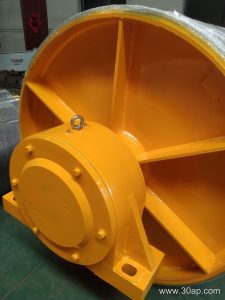
On the conveyor itself, the belt works with a conveyor pulley at the drive and tail positions, a idler roller set supporting the carrying run, and a conveyor bracket holding the frame together. These components must be chosen together. A tight transfer, a small pulley and a stiff belt can cause tracking problems, while a poorly sealed roller bearing in a wash-down area can undo the hygiene gains of a good belt.
Specifications Buyers Should Check
There is no single size that fits every line. The table below shows typical reference values; final figures are set by the conveyor design and confirmed with the supplier.
| Parameter | Common Reference Values | Notes |
|---|---|---|
| Belt width | B500, B650, B800, B1000, B1200, B1400 | Match to frame and product size |
| Cover thickness | 3+1.5, 4+2, 5+2, 6+2 mm | Thicker top cover for wear |
| Carcass plies | 2 to 6 layers | Set by tension and pulley size |
| Cover material | PVC, PU, white rubber | Depends on cleaning method |
| Surface form | Smooth, patterned, cleated, sidewall | Follows the incline and product |
Ask for the compound data and cleaning guidance, not just the color. Confirm the operating temperature range, since hot wash-down and cold storage pull in different directions. Check whether oils, fats, acids or sugars will contact the cover, because an Oil Resistant Conveyor Belt or an acid-resistant grade may be needed. In dusty rooms, an Anti-Static Conveyor Belt can reduce static build-up. Where the line handles frozen goods, a Cold Resistant Conveyor Belt is worth discussing.
Also review the splice and the belt edge. A rough splice traps residue, and a frayed edge sheds fibers into the product stream. Width alone does not fix pulley diameter, and one belt width does not lock the conveyor to one pulley size; both are chosen from the load, the wrap angle and the belt flexibility.
Maintenance and Selection Advice
Clean the belt with the method the cover was designed for. Aggressive scraping shortens cover life, and strong chemicals can attack the polymer. Inspect the carrying surface for cuts, embedded debris and cover loss, and check the return side for build-up. Keep the idler roller turning freely, watch the conveyor pulley lagging for wear, and tighten or replace loose conveyor bracket bolts before they distort the frame.
For a new line, start from the product, the cleaning regime and the temperature, then choose the cover and carcass. Treat published widths and cover thicknesses as a starting reference, not as a fixed promise, and confirm every value with the belt supplier and the conveyor designer. A food grade conveyor belt performs best when the belt, the pulleys, the rollers and the frame are specified as one system.