What a Ceramic-Lined Pulley Is
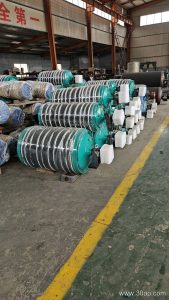
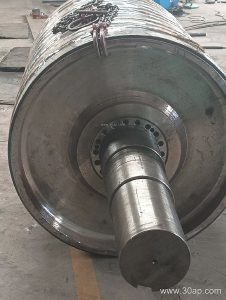
A ceramic-lined pulley is a conveyor pulley whose shell is fitted with ceramic tiles, usually set in a rubber or epoxy matrix, to protect the surface from sliding abrasion. In many plants it is simply called a ceramic lagged pulley or ceramic pulley lagging. The ceramic tiles take the wear while the underlying bond keeps them in place. This makes the pulley a practical choice at drive positions where the belt needs extra grip and where dust, grit, or sharp particles would quickly polish a plain steel shell.
Construction and Surface Options
The build starts with a steel drum shell and end discs, with shaft and bearing housings sized to the conveyor duty. Ceramic tiles are bonded to the shell in a pattern. Common forms include smooth ceramic tiles, dimpled tiles, and tiles set in a diamond or herringbone layout to channel water and fines away from the contact patch. The bond layer may be rubber, which gives some flexibility, or a harder resin system. For comparison, a standard rubber-lagged pulley relies on a continuous rubber cover, while a ceramic-lined pulley uses hard tiles to resist cutting and gouging. Both are surface treatments, not different pulley types.
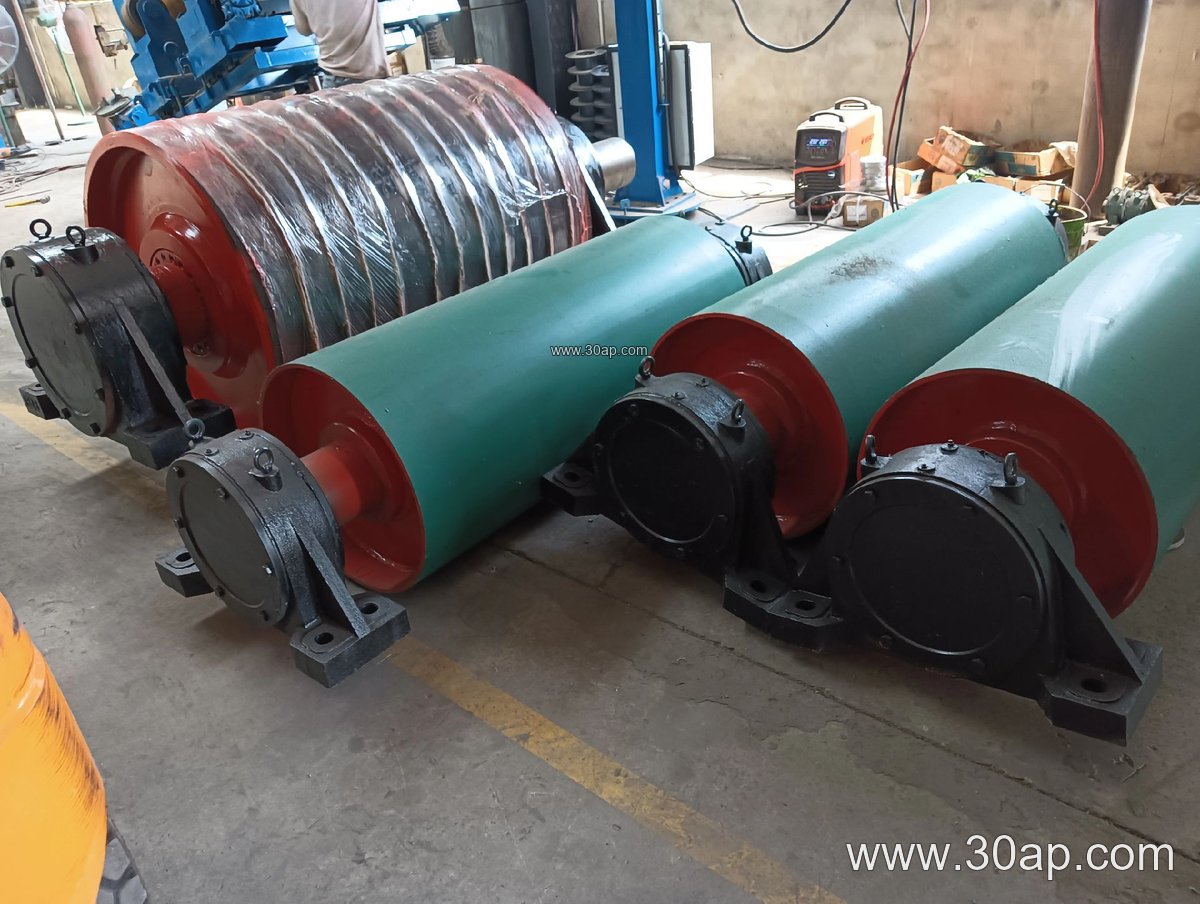
Common surface forms and thicknesses for pulley lagging include:
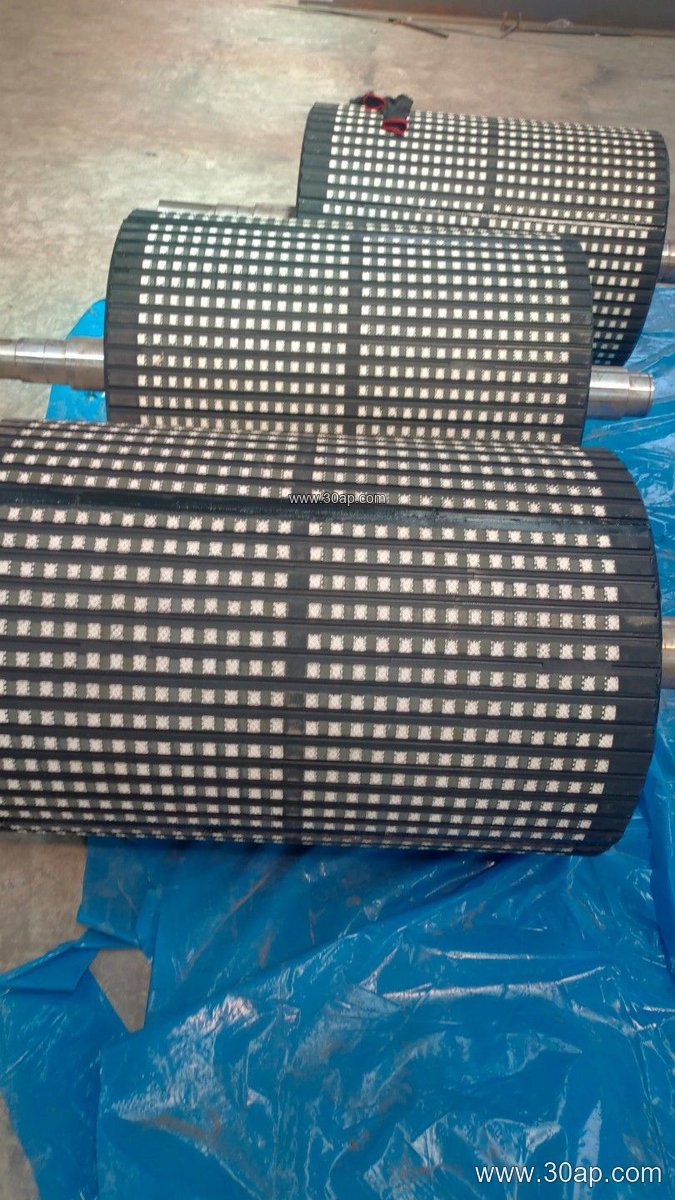
- Plain or smooth ceramic tile surface
- Diamond-pattern ceramic tiles
- Ceramic tiles in rubber bond
- Ceramic tiles in epoxy bond
- Lagging thickness commonly 8, 10, 12, 15, or 20 mm
Where It Fits in the Conveyor
Ceramic-lined pulleys are most often specified as drive pulleys, where torque transfer depends on friction between the shell and the belt. They also appear as head or discharge pulleys in crushing circuits and as bend or snub pulleys in tight layouts. In a quarry or aggregate line, a ceramic-lined drive pulley can help maintain grip when the belt is wet and coated with fines. In a coal handling plant, the same surface can resist the polishing effect of fine coal dust. In a cement plant, clinker dust and limestone grit are typical concerns. A ceramic-lined tail pulley is less common because the tail position usually favors cleaning and self-cleaning surfaces, but it can be used where wrap and wear both matter.
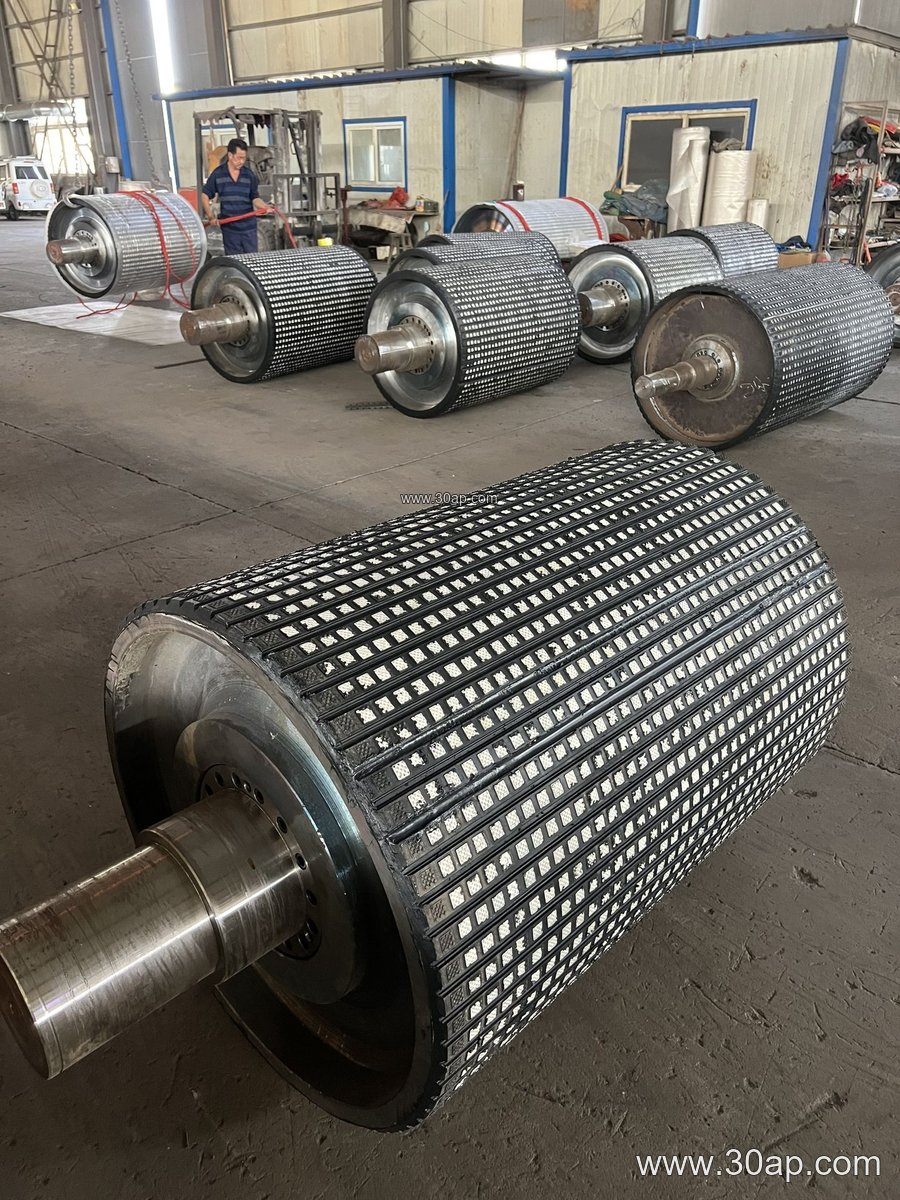
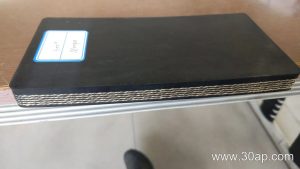
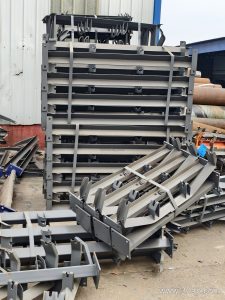
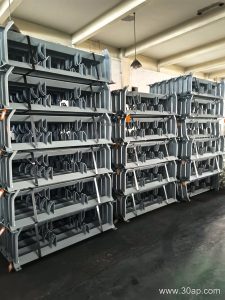
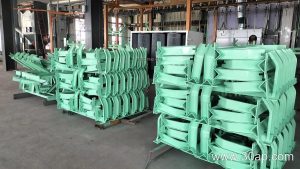
Related equipment in the same conveyor frame includes the conveyor belt, idler roller, conveyor bracket, and the pulley bearings. The ceramic surface is only one part of the wear picture; belt cover quality and loading conditions matter just as much.
Sizes, Belt Widths, and Shaft Diameters
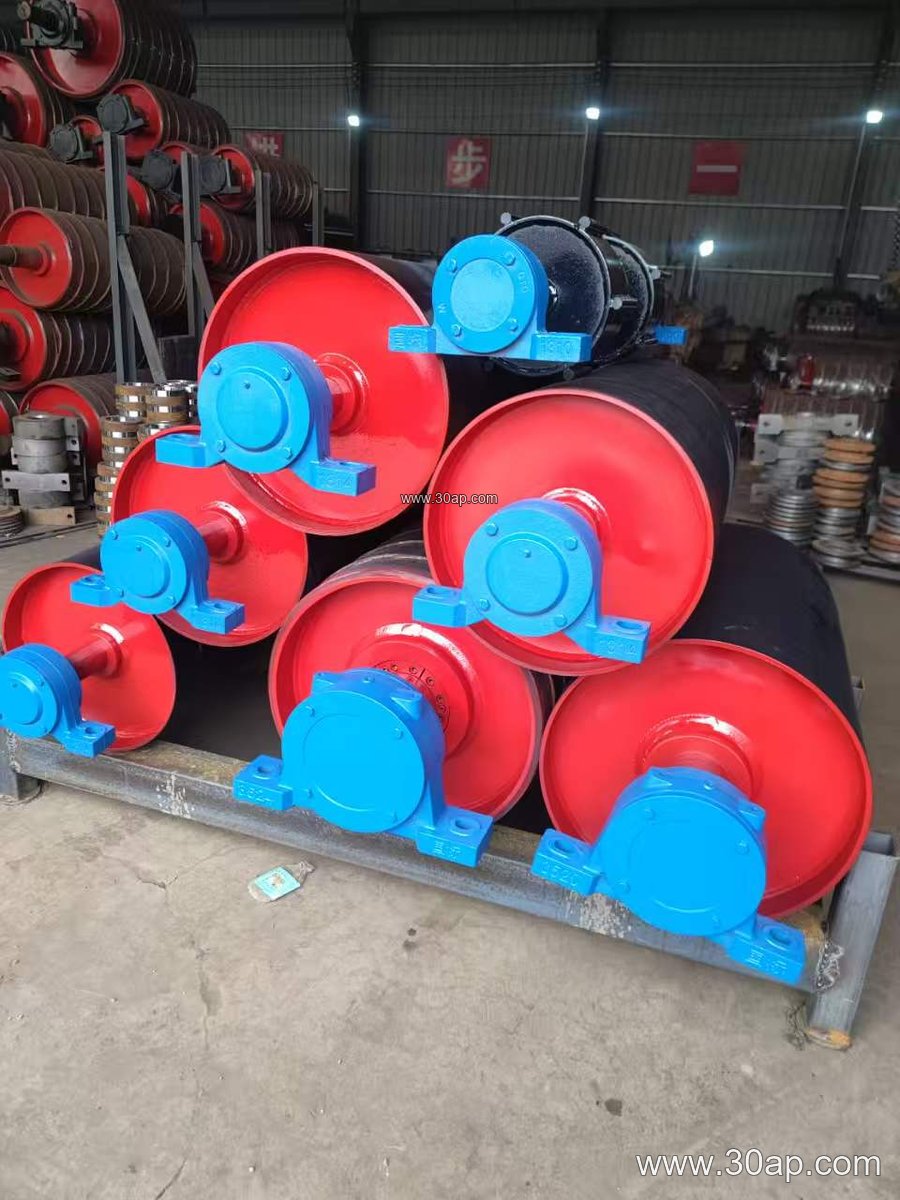
Ceramic-lined pulleys are made to suit the conveyor belt width and the required drum diameter. Face width is usually somewhat larger than the belt width. Typical reference combinations include B800 x Ø500, B1000 x Ø630, and B1200 x Ø1000, but these are examples rather than fixed rules. A wider belt does not automatically dictate one drum diameter, and shaft diameter is determined by torque and load, not by belt width alone. Common shaft sizes range from Ø50 to Ø200 depending on the design.
Reference data for pulley face width and belt width:
- B400 belt: face width about 500 mm
- B500 belt: face width about 600 mm
- B650 belt: face width about 750 mm
- B800 belt: face width about 950 mm
- B1000 belt: face width about 1150 mm
- B1200 belt: face width about 1400 mm
- B1400 belt: face width about 1600 mm
- B1600 belt: face width about 1800 mm
When selecting, match the pulley diameter to the belt thickness, the minimum bend radius, and the wrap angle. Ceramic tiles add a small amount of surface height, so check clearances at the conveyor bracket and the belt path.
Buyer Checklist
Ask for the tile pattern, bond type, and lagging thickness. Confirm the pulley position: drive, head, tail, bend, or snub. Check that the shaft and bearing size suit the actual load, not just the belt width. Consider the material being carried. A high-abrasion line may call for an abrasion resistant conveyor belt and a ceramic-lined drive pulley together, while a coal mine may combine a flame retardant conveyor belt with a ceramic surface at the drive. In a port or power plant, heat resistant conveyor belt grades may be needed elsewhere in the system, but the pulley surface should be chosen for grip and wear. Finally, confirm face width, drum diameter, and shaft diameter against the conveyor drawing before ordering.