What Makes a Large Conveyor Idler Different
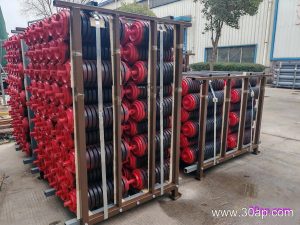
A large conveyor idler is a heavy-duty roller assembly designed to support the belt and material load on wide, high-capacity conveyor systems. Unlike standard idlers, these units typically feature larger roller diameters, thicker shells, and robust bearing housings to handle the higher tensions and impact forces found in primary crushing circuits, stockyard conveyors, and long overland lines. When specifying a large conveyor idler, engineers look at belt width, load weight, and environmental conditions together rather than treating any single dimension as a fixed rule.
Construction and Key Components
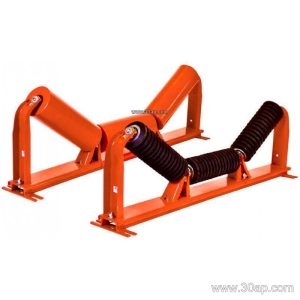
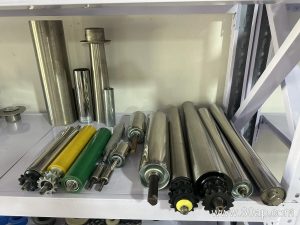
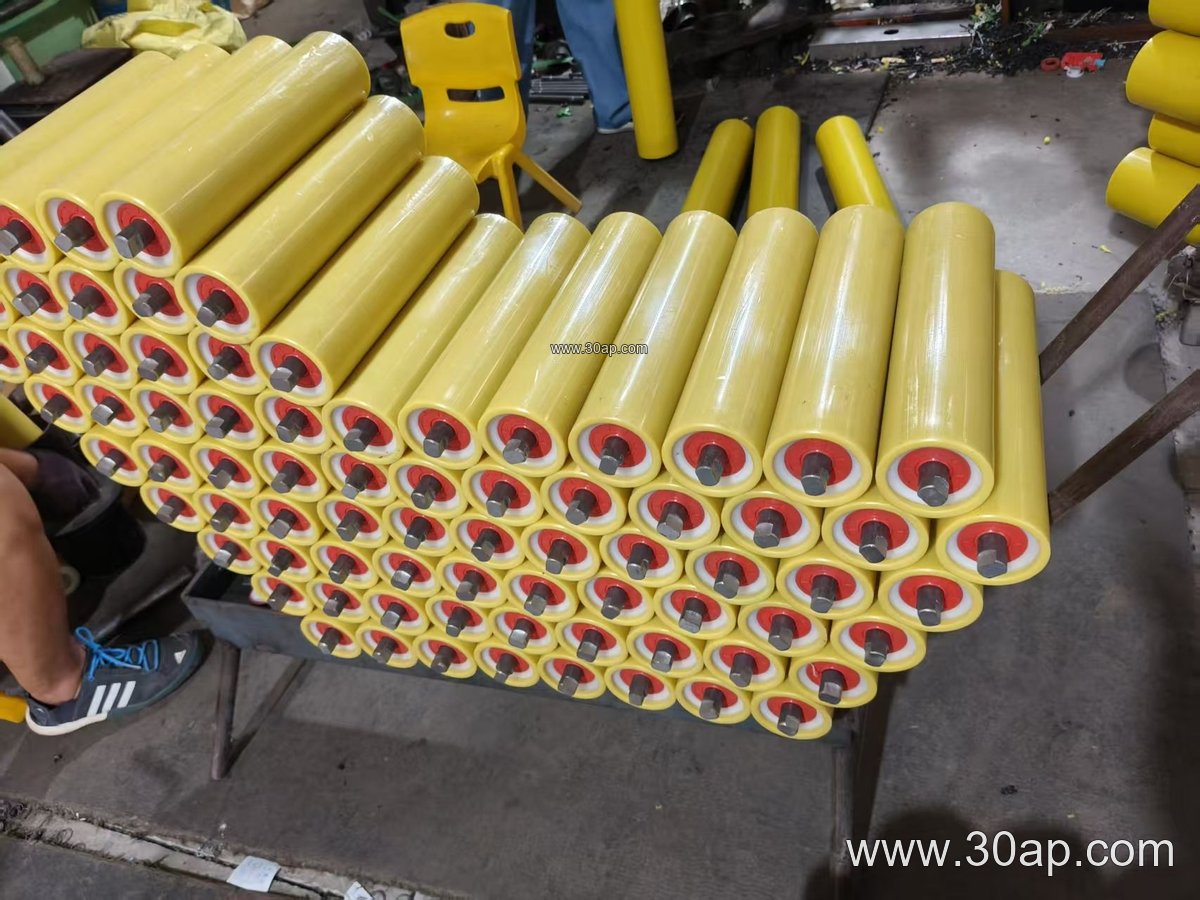
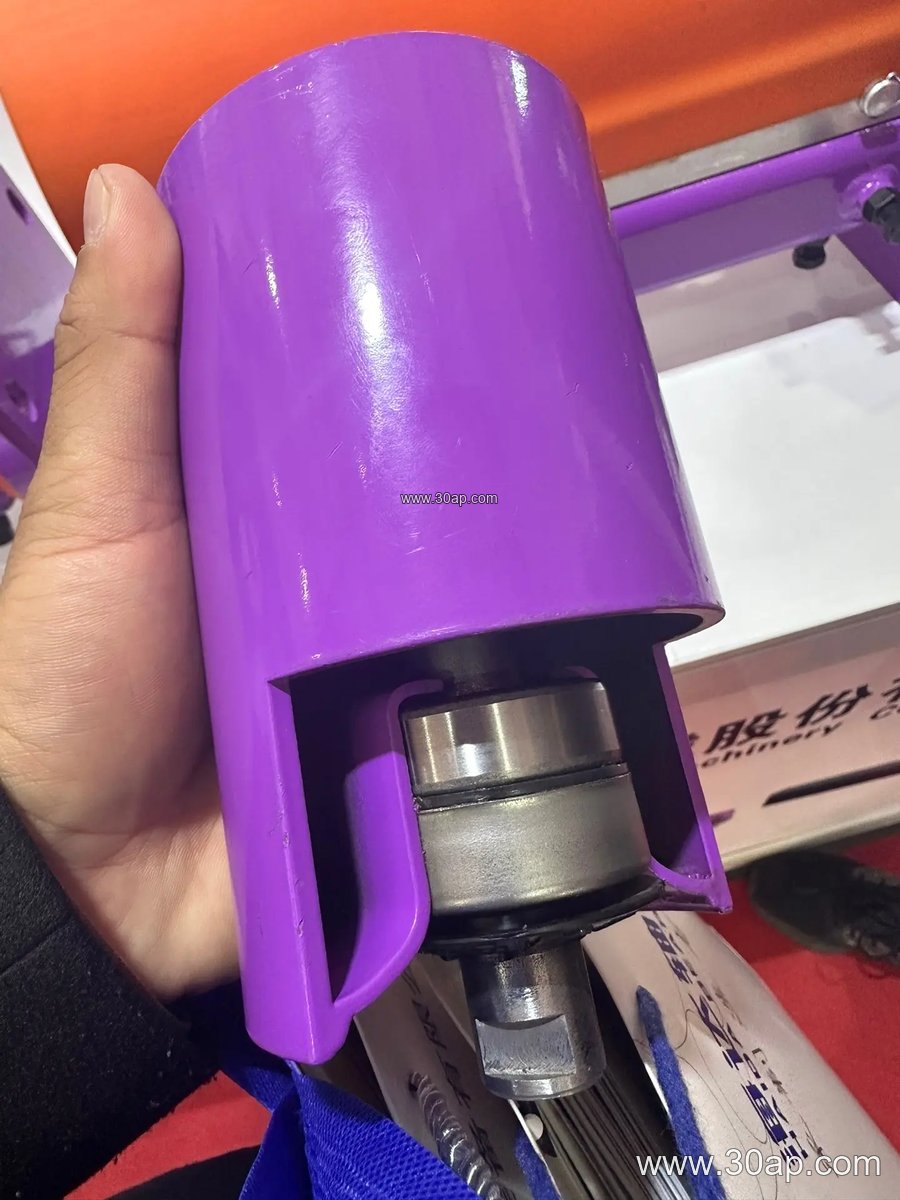
The typical large conveyor idler consists of a steel tube shell, bearing housings, a shaft, and a sealing arrangement. Roller diameters for these heavy applications often fall in the range of Ø133 mm to Ø219 mm, with shell thickness chosen to resist deflection under load. Bearings such as 6308, 6310, or larger are common, but the bearing size must be matched to the actual radial load and speed, not simply to the roller diameter. Seals are critical in dusty or wet environments; labyrinth or multi-stage seals help keep fines out of the bearing cavity and extend service life.
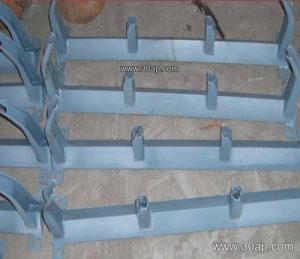
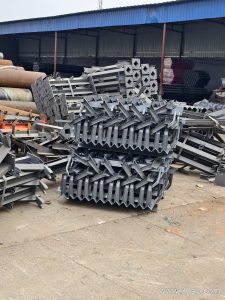
Surface options include plain steel, nylon, rubber rings, and ceramic coatings. Rubber-ring impact idlers are frequently used at transfer points where material drops onto the belt, while ceramic or nylon surfaces may be selected where material build-up or abrasion is a concern. The idler frame and brackets must also be sized for the application, and the conveyor bracket spacing should follow the structural design of the conveyor.
Where Large Conveyor Idlers Are Used
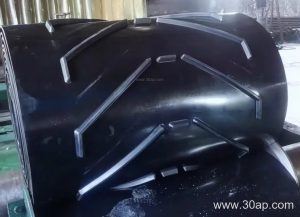
These idlers appear in bulk handling operations where belt widths reach 1200 mm, 1400 mm, 1600 mm, or wider. In a quarry or aggregate plant, large troughing idlers support the main haulage conveyor after primary crushing. In a coal preparation plant or power station coal yard, they carry high-tonnage loads on belts that may also use a flame retardant conveyor belt or an abrasion resistant conveyor belt. Iron ore and copper ore operations often require heavy-duty idlers with reinforced shells and sealed bearings to cope with abrasive fines and high belt tensions.
Other common locations include cement plant clinker conveyors, port ship-loading lines, and steel plant sinter or coke handling systems. The choice between a troughing set, a return idler, and an impact idler depends on the belt line position, not on a single universal specification.
Matching Idler Size to Belt Width and Load
Belt width is a starting point, not the only factor. A 1200 mm wide conveyor belt may use different idler diameters depending on the material density, belt speed, and idler spacing. The table below shows common reference values for large conveyor idlers; actual selection should be confirmed by the conveyor designer.
| Reference Item | Common Range or Example |
|---|---|
| Roller diameter | Ø133, Ø159, Ø178, Ø194, Ø219 mm |
| Belt width | B1200, B1400, B1600, B1800, B2000 mm |
| Trough angle | 30°, 35°, 45° |
| Bearing size | 6308, 6310, or larger depending on load |
| Roller length (three-roll trough set) | Approx. 465 mm for B1200, 530 mm for B1400, 600 mm for B1600, 670 mm for B1800 |
These figures are typical examples only. Side rollers and center rollers can differ, and the idler length must account for the trough angle and frame design. A buyer should never assume that one belt width automatically dictates one pulley diameter or one shaft size.
Buyer Checklist for Large Conveyor Idlers
- Confirm the actual belt width, belt speed, and material bulk density with the conveyor designer.
- Specify the idler position: carrying side, return side, impact zone, or transition area.
- State the environmental conditions, including dust, moisture, temperature, and any need for fire resistant or anti-static properties.
- Check that the bearing and seal arrangement suits the expected service life and maintenance interval.
- Verify that the idler frame and conveyor bracket dimensions match the existing conveyor structure.
- Ask for dimensional drawings and material certificates where required for the project.
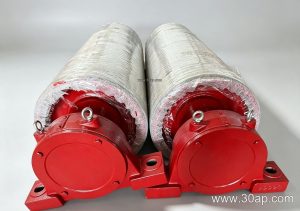
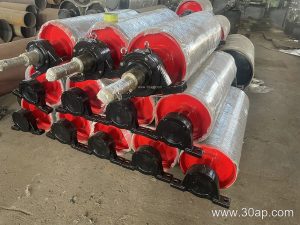
For related components, the same conveyor line may use a rubber conveyor belt, an EP conveyor belt, or a steel cord conveyor belt depending on tension and load. The idler selection should be coordinated with the belt specification, the conveyor pulley arrangement, and the overall structural design. On site, keep spare large conveyor idlers for critical carry points to reduce downtime during planned maintenance.