What a Sand and Gravel Conveyor Idler Does on the Line
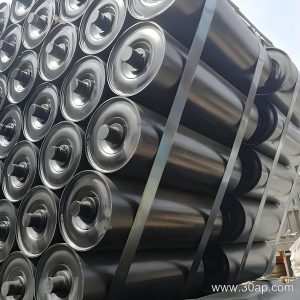
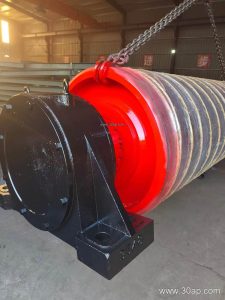
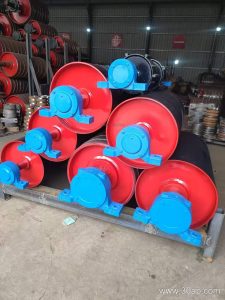
A sand and gravel conveyor idler is the rotating support that carries the loaded belt between the head and tail of an aggregate conveyor. In a quarry, a sand and gravel plant, or a concrete batching facility, these idlers keep the belt tracking, reduce sag, and protect the belt from premature wear. The same product is often called a belt conveyor roller or carrying idler, and the terms describe the same component: a shell, shaft, bearing, and sealing arrangement mounted in a frame. The idler does not drive the belt. Drive, tail, and bend pulleys handle power transmission and direction changes, while the idlers simply support the moving belt and material load.
Construction Details That Matter in Dusty Service
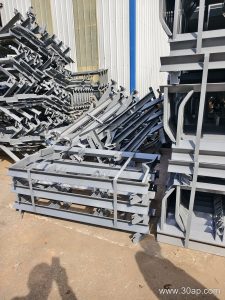
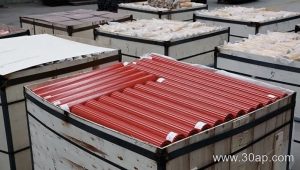
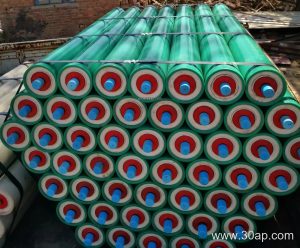
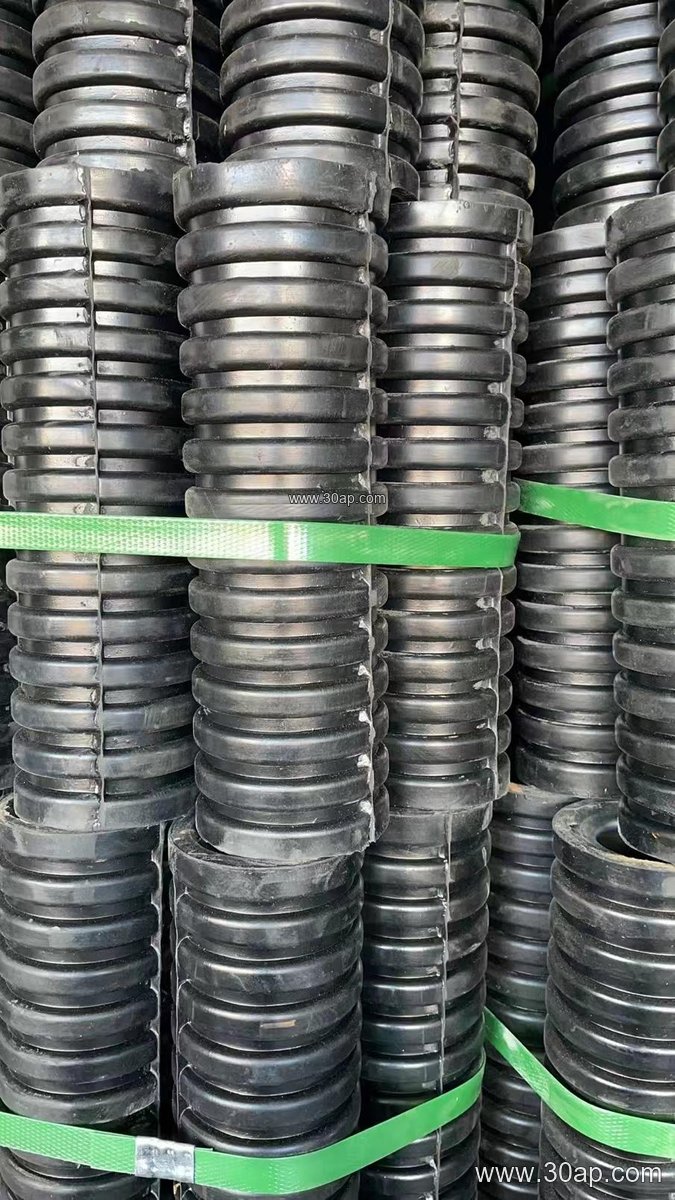
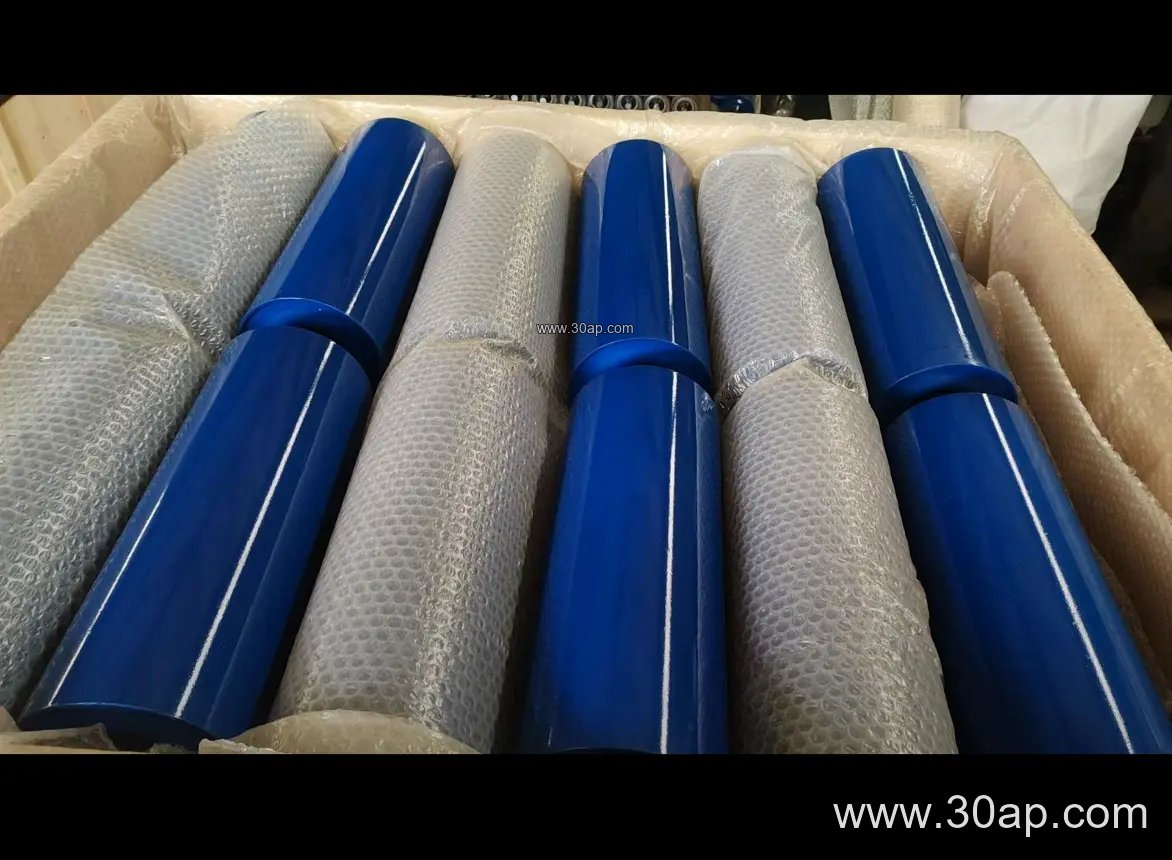
Most sand and gravel conveyor idlers use a steel tube shell with welded end caps, a through shaft, and deep-groove ball bearings. Bearing sizes such as 6204, 6205, 6305, 6306, 6308, and 6310 are common, but the bearing is selected by load and speed rather than by roller diameter alone. Sealing is critical in aggregate plants because fine silica dust and wash-down water attack the bearing cavity. Labyrinth seals, contact seals, and grease retention features all affect service life. Roller surfaces may be plain steel, nylon, ceramic, or rubber-disc covered. Rubber-disc impact idlers are useful under a crusher discharge where lump size is variable, while plain steel rolls suit the long carrying runs.
Common Idler Types and Where They Sit
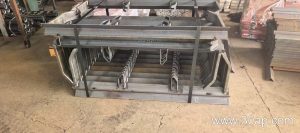
- Troughing idlers in two- or three-roll arrangements support the loaded strand.
- Impact idlers or rubber-disc impact idlers absorb shock below a primary crusher.
- Return idlers and V-return idlers support the empty belt.
- Self-aligning idlers help correct belt drift on long aggregate runs.
- Spiral idlers can reduce material buildup on the return side.
The trough angle is usually 20, 30, 35, or 45 degrees. A steeper trough increases material capacity but can affect belt training and side-roll loading. Transition idlers are placed near pulleys to ease the belt from flat to troughed profile. These are not interchangeable with the main carrying idlers, and the position on the conveyor determines the correct subtype.
Matching Idler Dimensions to Belt Width
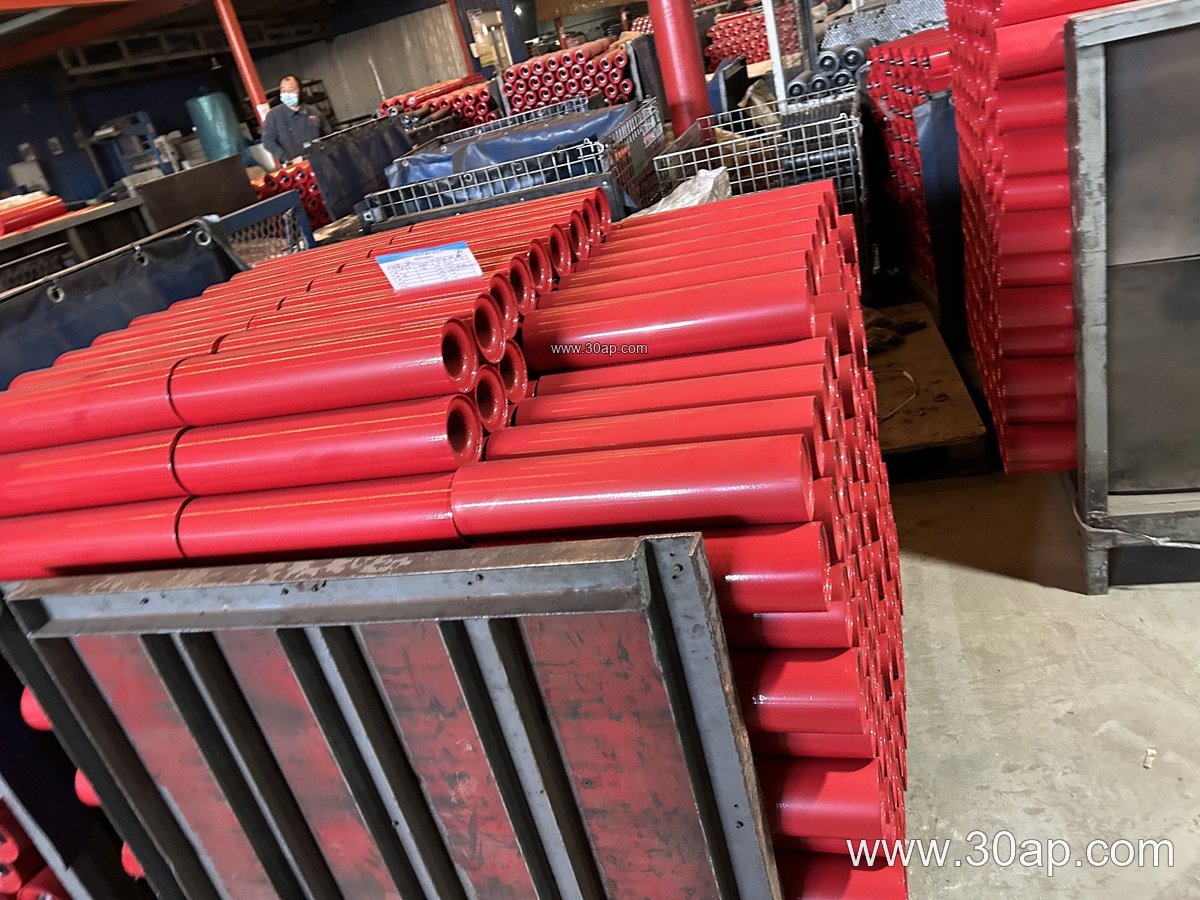
Buyers often ask how roller diameter and roll length relate to belt width. Roll length changes with belt width, trough angle, and idler arrangement. For a three-roll troughing set, common roll lengths are roughly 200 mm for B500, 250 mm for B650, 315 mm for B800, 380 mm for B1000, 465 mm for B1200, 530 mm for B1400, 600 mm for B1600, 670 mm for B1800, and 750 mm for B2000. These are reference examples, not fixed pairings, and the side rolls may differ from the center roll. Roller diameters typically range from Ø63 to Ø219, with Ø89, Ø108, Ø127, Ø133, and Ø159 appearing frequently in sand and gravel service. A larger diameter can improve bearing life and reduce roll speed, but the frame and belt clearance must allow it.
Selection and Maintenance Notes for Aggregate Plants
Choose the idler by load, belt speed, environment, and maintenance access. A high-abrasion aggregate conveyor benefits from sealed bearings and a robust shell, especially where belt cleaners throw grit. Alignment matters as much as the idler itself; a skewed frame or worn bracket can cause edge damage even with good idlers. Check that the conveyor bracket matches the frame spacing and that the shaft fits the mounting slot. During routine inspection, listen for noisy bearings, look for seized rolls, and confirm that the belt runs centered. Replacing a single failed idler early is cheaper than replacing a damaged conveyor belt later.
For more information on compatible conveyor components, visit rudton.com for conveyor belt and idler roller guidance, and check aggregate conveyor belt options at rudton.com when specifying a full conveyor package. The idler is a small part of the system, but it determines how smoothly the belt carries sand, gravel, crushed stone, and other bulk material through the plant.