What a Vertical Guide Idler Does
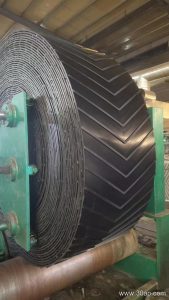
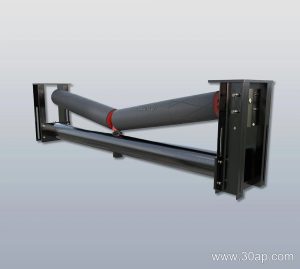
A vertical guide idler is a specialized roller assembly that keeps the conveyor belt tracking correctly on steep inclines. Unlike standard carrying or return idlers that support the belt from below, this idler is mounted vertically along the belt edge to prevent lateral drift and belt spillage. In mining, quarrying, and cement plants, where inclined conveyors transport bulk materials over challenging terrain, a vertical guide idler helps maintain stable belt alignment and reduces edge damage. It is often used in conjunction with a Rubber Conveyor Belt or a Steel Cord Conveyor Belt to ensure reliable performance on gradients.
Construction and Key Components
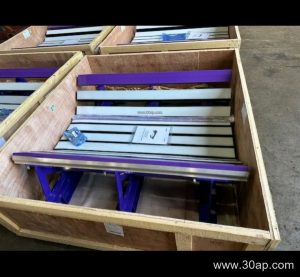
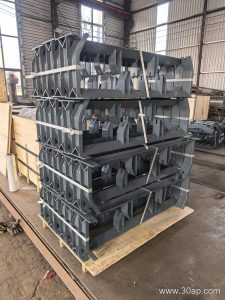
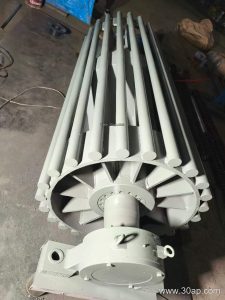
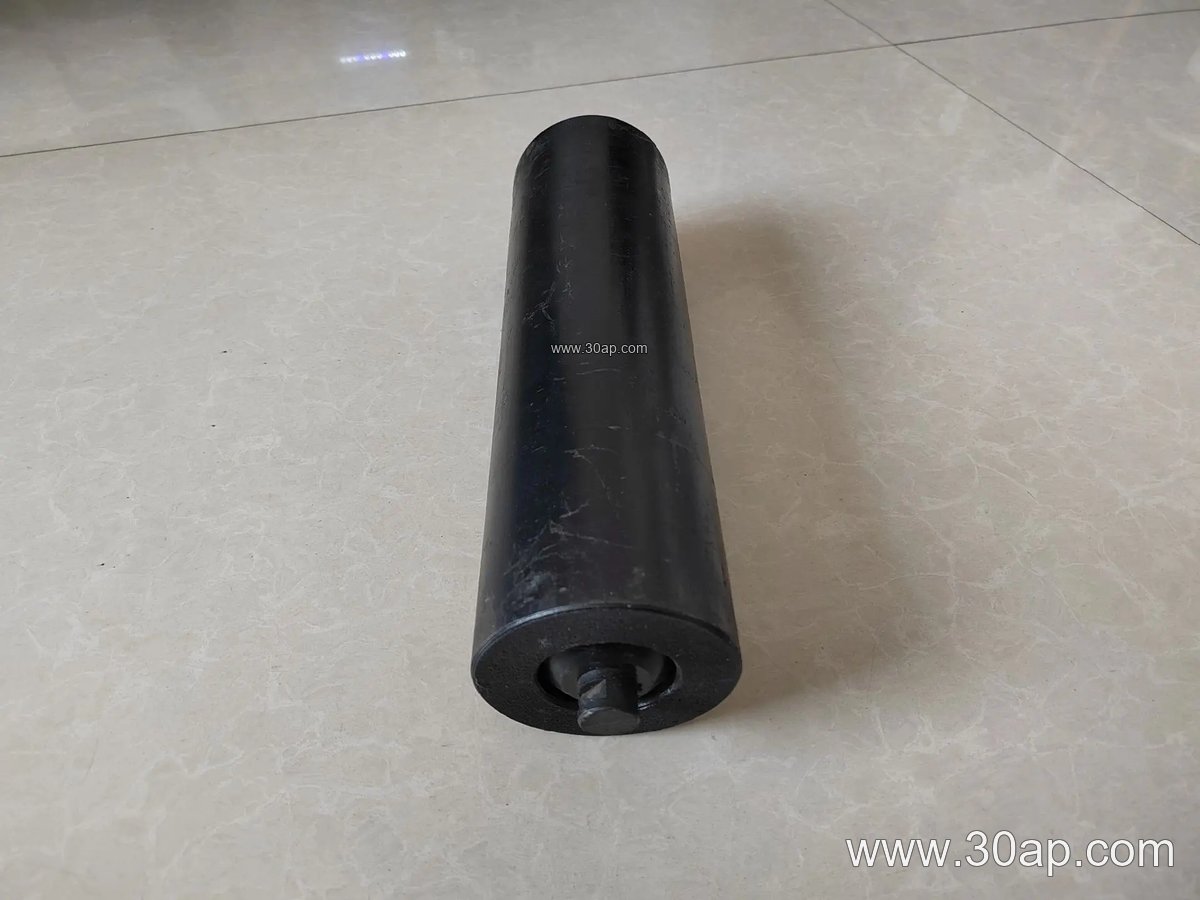
The vertical guide idler typically consists of a sturdy steel roller, sealed bearings, and a mounting bracket that attaches to the conveyor frame. The roller surface may be plain steel, nylon, or covered with rubber rings to provide friction and protect the belt edge. Common roller diameters for this type include Ø89, Ø108, and Ø133 mm, though the exact size depends on the conveyor design and belt width. Bearings such as 6205 or 6305 are frequently used, but they are selected based on load and speed requirements, not solely on roller diameter. The idler is designed to withstand the side forces generated by belt misalignment and the weight of the material on steep angles.
Where It Fits on the Conveyor
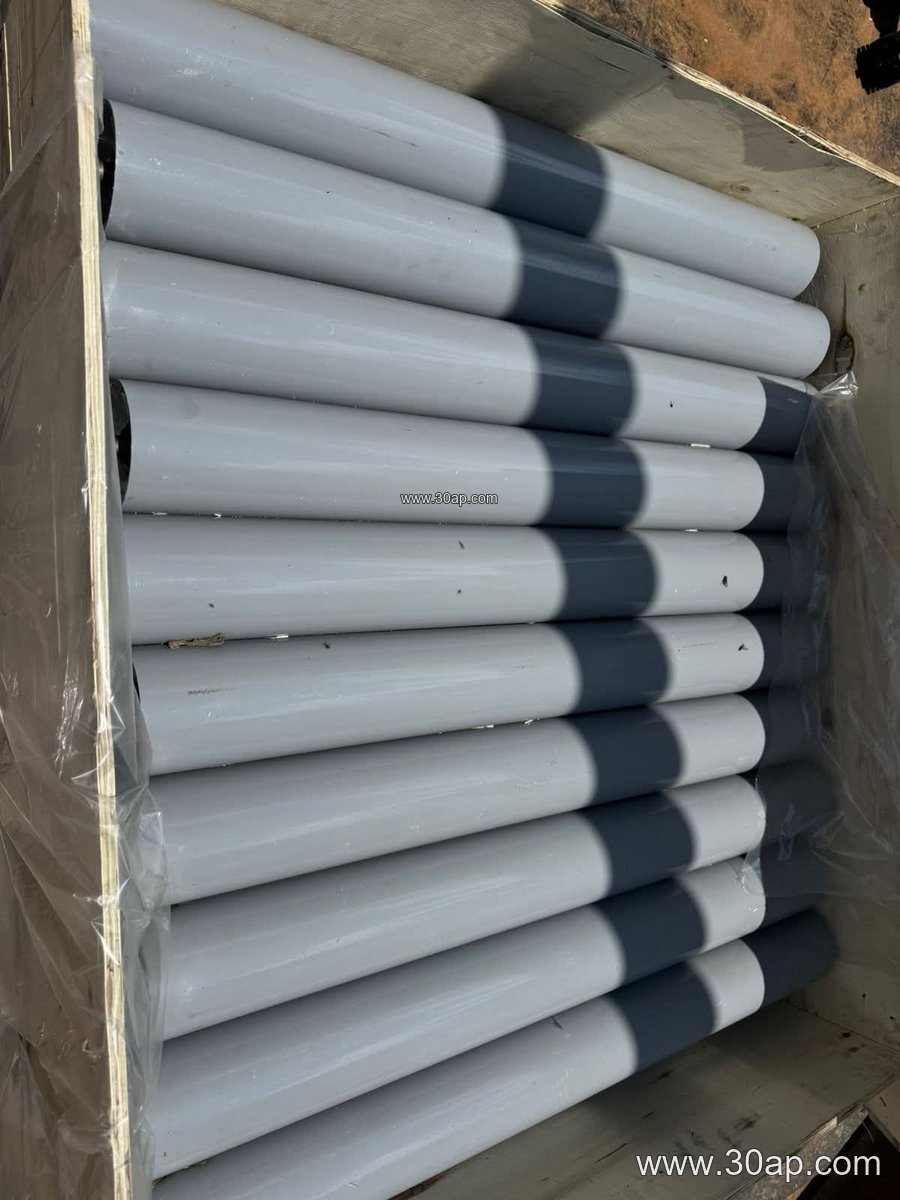
You will find vertical guide idlers installed along the inclined section of a conveyor, usually just before or after the transition zone. In a coal mining conveyor or a power plant coal handling system, they help keep the belt centered as it climbs steep slopes. They are also useful in port ship loading conveyors and aggregate transport lines where space is limited and belt edge control is critical. The idler works alongside other components like the conveyor pulley and conveyor bracket to maintain overall system stability. Note that drive, tail, and bend pulleys serve different functions and are not interchangeable with guide idlers.
Selection and Sizing Guidelines
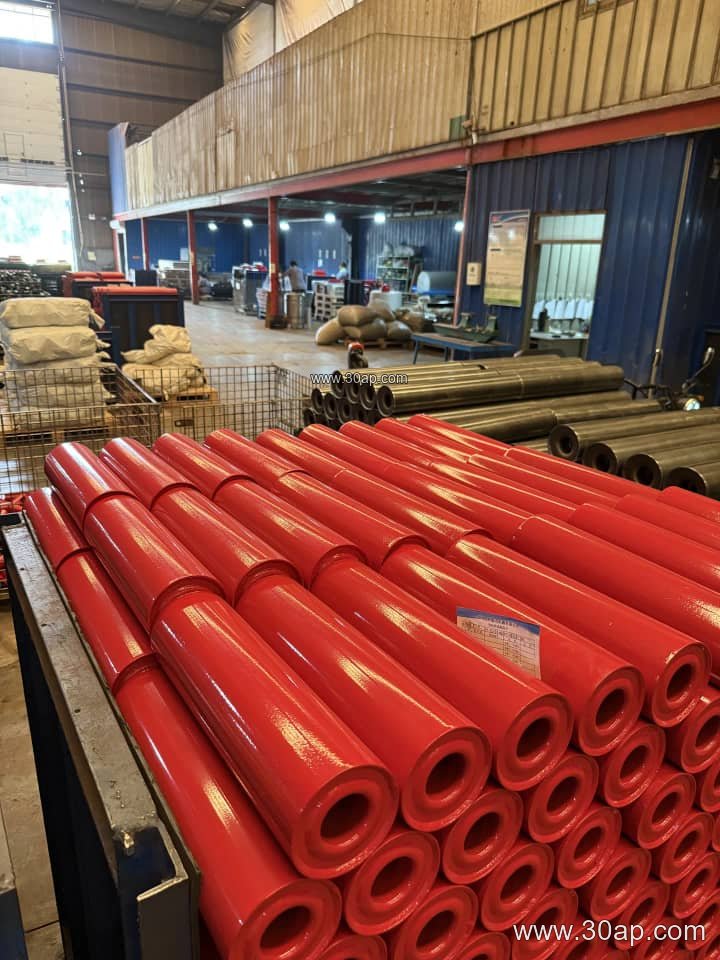
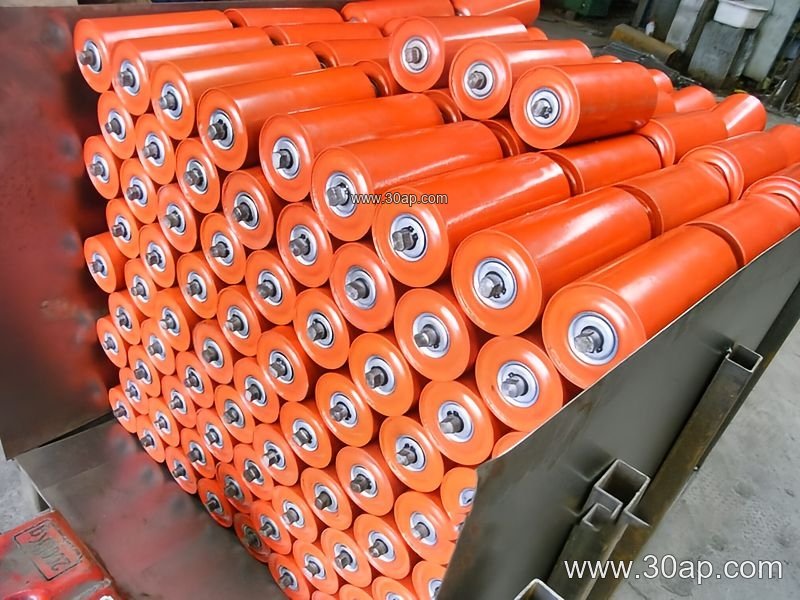
Choosing the right vertical guide idler involves matching the roller diameter and length to the belt width and the expected side load. For example, a B800 belt might use a roller of about 315 mm in length, while a B1200 belt could require a longer roller, often around 465 mm. These are common references, not fixed rules. The table below shows typical roller length examples for different belt widths, but actual dimensions should be confirmed with the conveyor designer.
| Belt Width | Common Roller Length (mm) |
|---|---|
| B500 | 200 |
| B650 | 250 |
| B800 | 315 |
| B1000 | 380 |
| B1200 | 465 |
| B1400 | 530 |
| B1600 | 600 |
When selecting, consider the belt type as well. An EP Conveyor Belt or a Flame Retardant Conveyor Belt may have different edge stiffness, affecting the required guide force. Also, the idler should be compatible with the conveyor idler roller series used elsewhere on the line for ease of maintenance.
Maintenance and Buyer Checklist
Regular inspection of the vertical guide idler is important to prevent belt misalignment and premature wear. Check for bearing play, roller surface damage, and secure mounting. In dusty environments like a cement plant or a quarry, sealed bearings are preferred to keep out grit. Buyers should ask for the roller diameter, bearing model, and mounting dimensions, and confirm that the idler is designed for the specific belt width and incline angle. Avoid assuming that one size fits all; each conveyor requires a tailored solution. For harsh applications, consider idlers with rubber or ceramic covers to extend service life. Always refer to the conveyor manufacturer’s specifications for the correct installation position and torque values.