Idler Roller Selection: The Backbone of Your Conveyor System
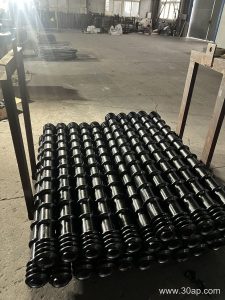
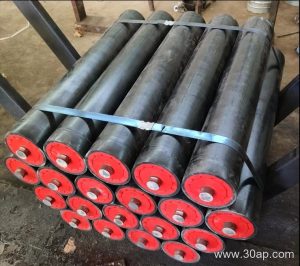
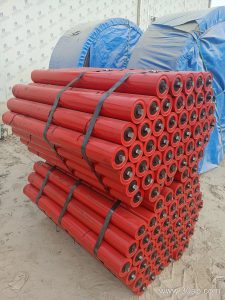
The idler roller, though often overlooked, is the critical component that supports your conveyor belt and cargo. A poorly chosen idler leads to belt misalignment, premature wear, and costly downtime. This guide focuses on the idler roller’s role, materials, and sizing—helping you make a purchase that maximizes lifespan and performance.
Key Factors When Buying an Idler Roller
- Load rating: Match the idler roller’s dynamic load capacity to your maximum belt load, including impact at loading zones.
- Roller diameter and shell thickness: Larger diameters reduce belt wrap and increase speed capacity; thicker shells resist abrasion.
- Bearing and seal quality: Choose sealed, greased bearings (e.g., C3 clearance) for dusty or wet environments—this prevents contamination and extends service life.
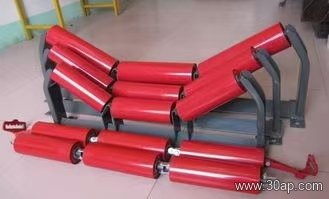
- Frame type: Decide between troughed (20°, 35°, 45°), flat, or impact idlers based on belt width and material characteristics.
Material and Maintenance Considerations
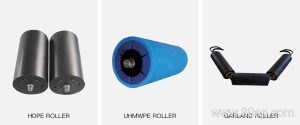
Idler rollers come in steel, HDPE, or rubber-coated options. Steel is durable for heavy loads; HDPE resists corrosion and reduces noise; rubber-coated types protect belts from sharp materials. For purchasing, always verify the idler roller’s shaft diameter and end fitting (tapered or cylindrical) to ensure compatibility with your existing frames. Request a sample and test rotation smoothness—an idler roller that sticks under load will cause belt drag and energy loss.
Finally, factor in total cost of ownership: a slightly pricier idler roller with superior seals and a thicker shell often outlasts a cheap alternative by years. Specify your operating temperature, speed, and belt tension to the supplier, and insist on a warranty that covers both manufacturing defects and bearing failure. A well-selected idler roller delivers quiet, smooth operation and reduces maintenance frequency—proof that this small part deserves careful attention.
Why the Conveyor Pulley Defines System Performance
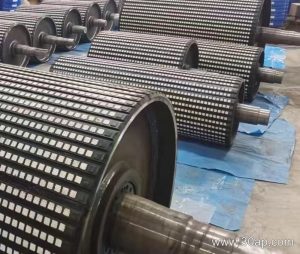
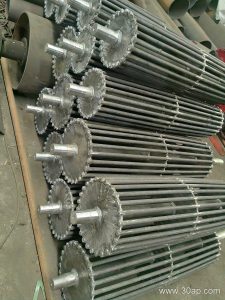
The conveyor pulley is not just a rotating cylinder; it is the mechanical heart that drives belt tension, tracking, and torque transfer. Choosing the wrong unit causes belt slippage, misalignment, and premature failure. For any new or retrofit conveyor, start by verifying the required shaft diameter, face width, and lagging type against your belt speed and load profile.
Key Specifications to Evaluate
- Drum type: Plain, crowned, or wing – crowned faces aid belt centering, while wing pulleys shed debris.
- Lagging: Rubber or ceramic lagging increases friction; specify for wet or high-angle applications.
- Construction: Welded steel with machined hubs is standard; check for dynamic balancing if operating above 300 m/min.
Purchasing Advice for Long Service Life
Request a calculated bearing life (L10) of at least 30,000 hours. Insist on a full shaft deflection report from the vendor. Also, confirm the pulley’s critical speed is below 85% of operational RPM to avoid resonance. Always match the pulley’s crown taper to your belt’s troughing angle – a 1° taper works for most 35° idler systems.
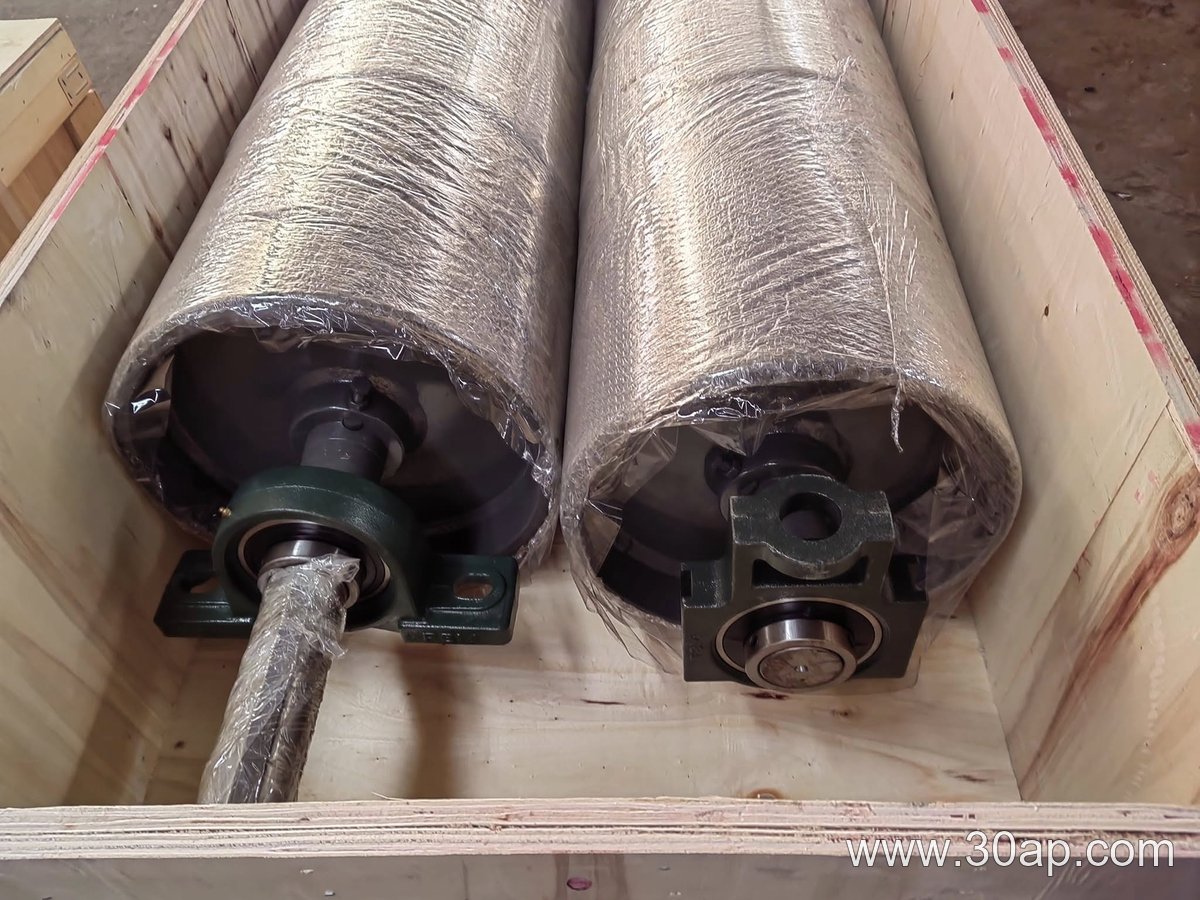
Finally, verify that the pulley’s end discs and lagging are vulcanized as a single unit, not glued. This prevents delamination under high belt tension. For abrasive materials like ore or gravel, consider a thicker (20 mm) ceramic lagging. For food-grade or low-noise environments, select a machined steel face without lagging.
Your conveyor’s uptime depends on this component more than any other. Spend the extra engineering time upfront, and you will avoid unscheduled stops and costly belt damage for years.
Why the Conveyor Bracket Determines System Longevity
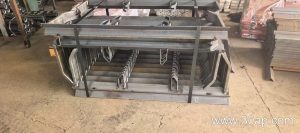
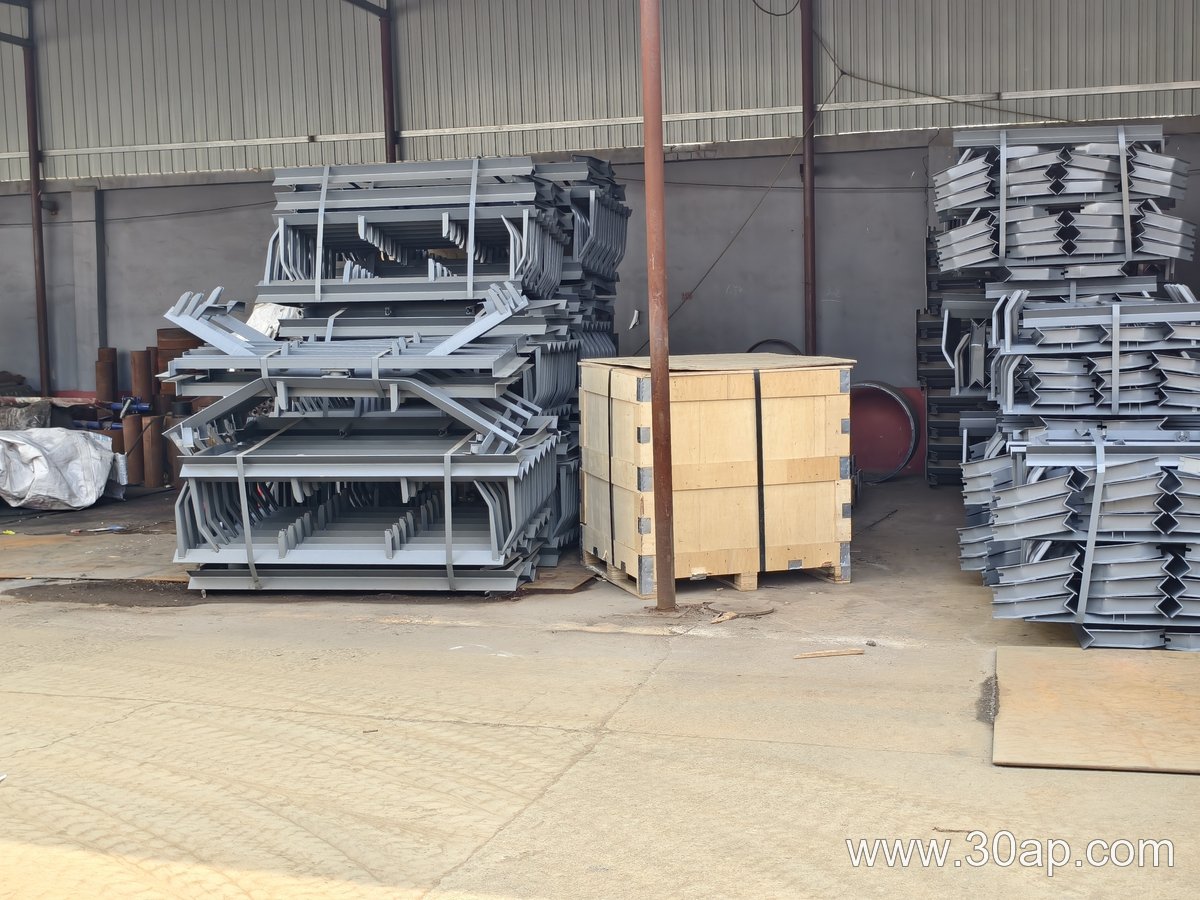
The conveyor bracket is the structural interface between your belt or roller support frame and the fixed plant floor or ceiling. A poorly selected bracket induces vibration, misalignment, and premature wear on idlers and belts. For industrial buyers, the bracket’s material grade, bolt pattern, and load rating are non-negotiable.
Selection Criteria for Heavy-Duty Operations
- Verify static and dynamic load capacity against your maximum belt tension plus material surge.
- Choose hot-dip galvanized or stainless steel for corrosive or washdown environments.
- Check slot adjustability: a slotted base allows field alignment without re-drilling.
Purchasing Advice
Request a dimensional drawing of the mating idler frame. Never guess hole centers. For retrofit projects, measure the existing bracket’s gage thickness and weld seam quality. Order spares for the most stressed positions—typically at load zones and head or tail pulleys.
Finally, confirm the bracket’s finish meets your fire or dust regulations. A robust bracket is invisible until it fails—so specify it with the same rigor as your belt.
Why the Conveyor Belt Compound Determines Your System’s Lifetime
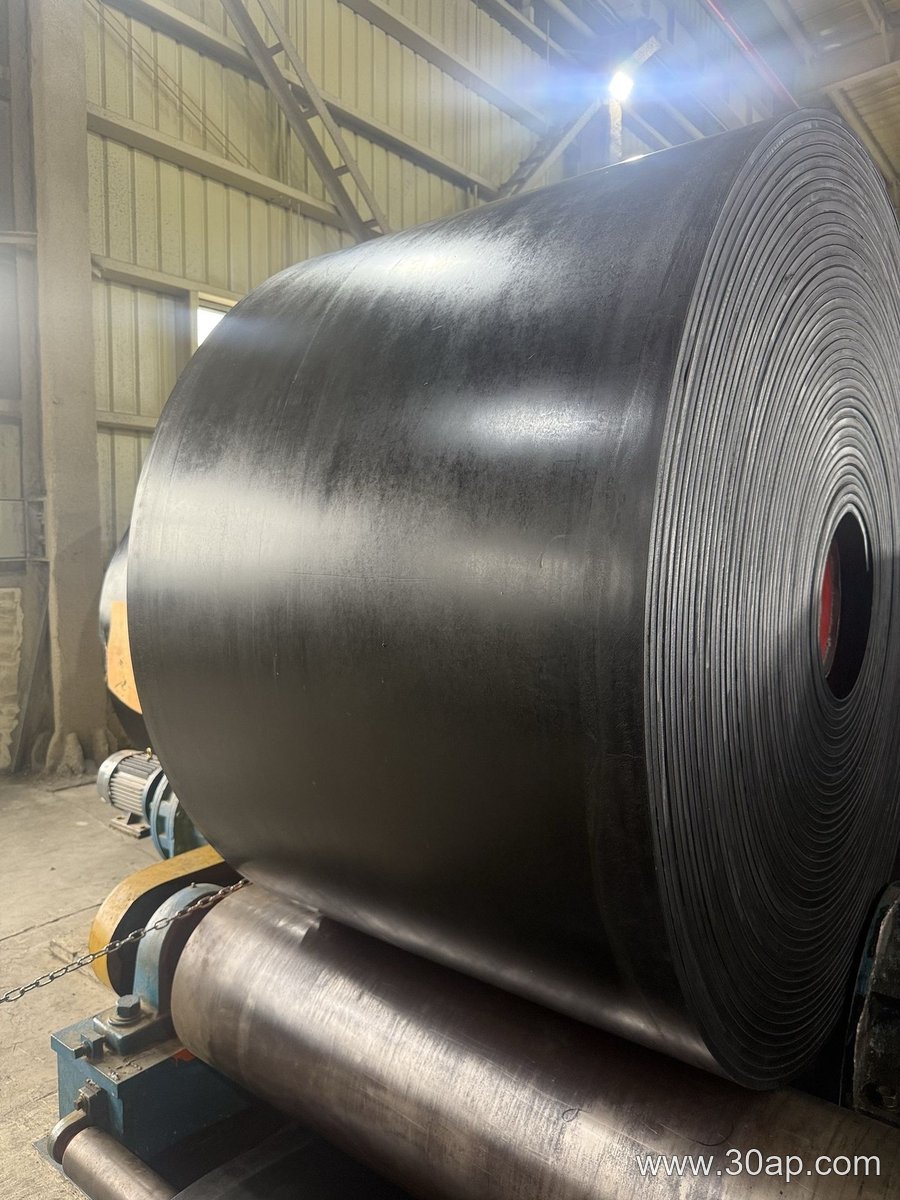
The conveyor belt is the single most cost-intensive wearable component in any bulk material handling line. Choosing the wrong rubber grade leads to premature tearing, excessive idler wear, and unplanned downtime. For abrasive materials like ore or crushed stone, specify a belt with a high-abrasion-resistant cover (e.g., DIN 22102 grade W or X).
Key Selection Criteria
- Tensile strength (EP vs. NN): EP (polyester/nylon) offers better dimensional stability for long centers; NN (nylon) suits impact-heavy short routes.
- Cover thickness: For sharp-edged loads, use a top cover of at least 6 mm; for fine powders, a thinner 3–4 mm cover reduces cost.
- Operating temperature: Standard belts handle −20°C to +60°C. For hot clinker or sinter, demand a heat-resistant (T1–T3) or fire-resistant (FRAS) compound.
- Belt width and speed: Match these to your conveyor’s capacity curve — a wider belt at lower speed reduces spillage and cover wear.
Purchasing Advice for Engineers
Always request a technical data sheet listing breaking strength, elongation at break, and recommended splice method. Ask for a sample of the rubber cover for a Shore A hardness test (typical range: 60–75). Verify that the belt carcass has no visible weaving flaws, and confirm that the manufacturer offers vulcanized endless splicing service — a weak splice can reduce belt life by 40%. For corrosive environments, inquire about a chlorobutyl or EPDM cover instead of natural rubber.