What a Power Plant Conveyor Belt Does
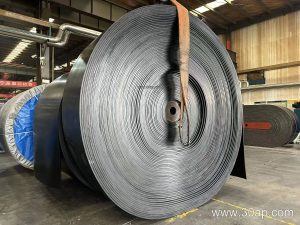
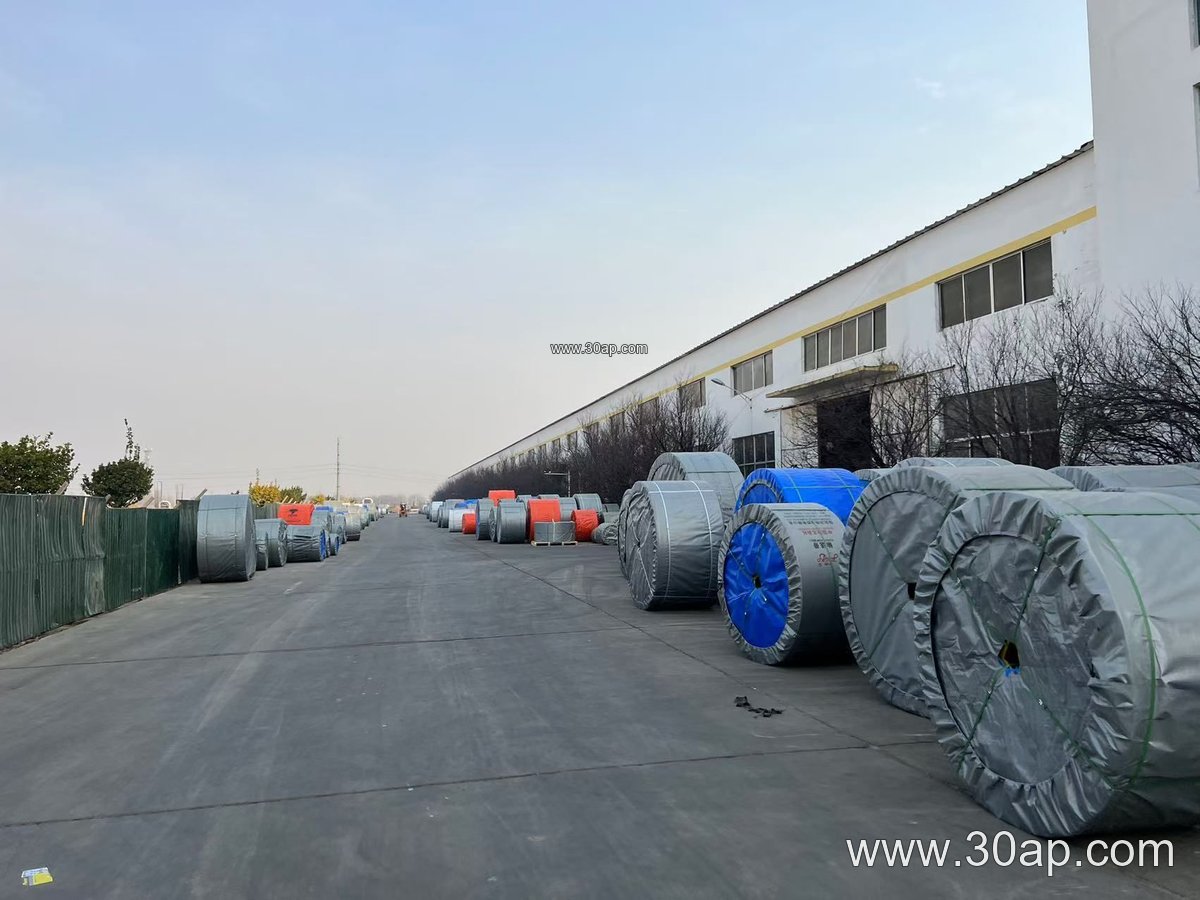
A power plant conveyor belt is the continuous moving surface that carries coal from the stockyard or receiving station to the boiler bunkers, and often carries ash or limestone in the same plant. It is a heavy-duty bulk material conveyor belt built to run for long hours with minimal stoppage. In coal-fired plants, the belt must handle sharp, abrasive fuel and withstand the heat of nearby equipment, while in biomass or waste-to-energy plants it may face different load patterns. The same product family appears under names such as coal conveyor belt or power plant belt, but the duty is defined by the material, the incline, and the environment.
Construction and Common Configurations
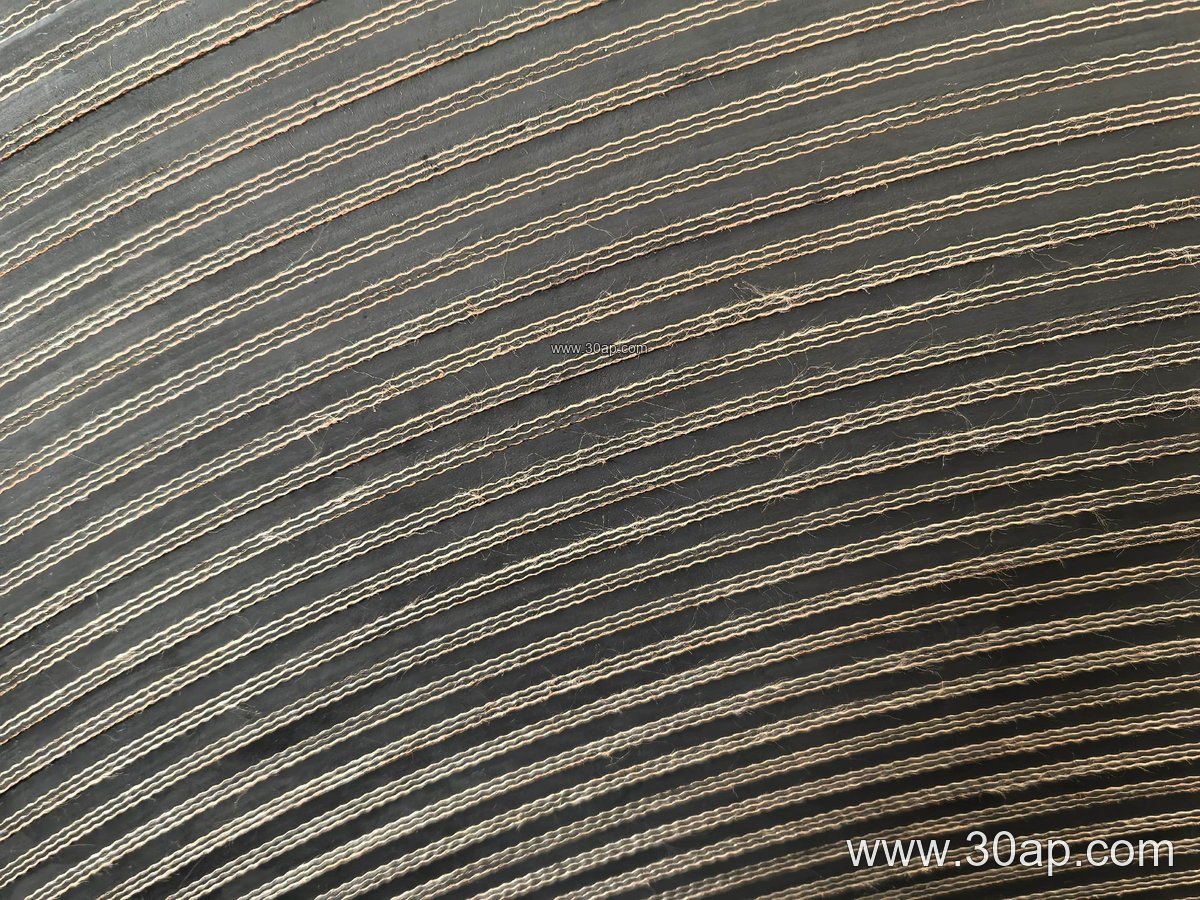
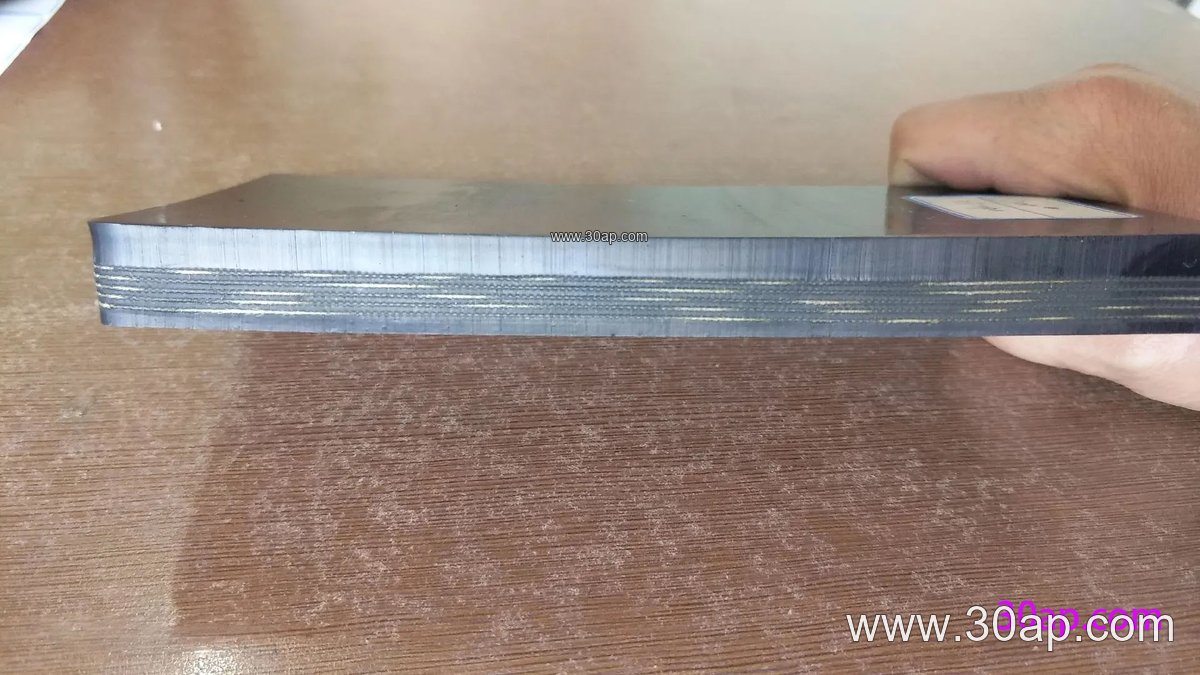
Most power plant belts use a fabric core or a steel cord core. Fabric core belts—often EP conveyor belt or NN conveyor belt—are built with multiple plies of synthetic fabric embedded in rubber. Steel cord conveyor belt uses parallel steel wires for very high tension and long center distances. The cover rubber is selected for the job: abrasion resistant conveyor belt for coal with high fines, flame retardant conveyor belt and fire resistant conveyor belt for enclosed galleries, and heat resistant conveyor belt near hot ash or clinker. Anti-static conveyor belt is common where dust ignition is a concern.
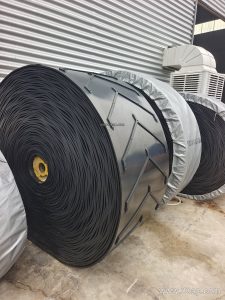
For steep inclines, a chevron conveyor belt or corrugated sidewall conveyor belt keeps material from sliding back. Where spillage must be controlled, a skirted conveyor belt helps contain the load. In some plants, a pipe conveyor belt encloses the material fully to reduce dust. Belt width is matched to the tonnage and lump size; common widths include 800mm conveyor belt, 1000mm conveyor belt, 1200mm conveyor belt, and 1400mm conveyor belt. Cover rubber gauges such as 4+2 mm or 6+2 mm are typical, with the first number being the top cover.
Reference data for belt selection
| Property | Common range | Notes |
|---|---|---|
| Belt type | EP, NN, steel cord, PVG, PVC | Selected by tension and fire safety needs |
| Strength grade | EP200 to EP2000; ST1000 to ST3150 | Higher grades for longer conveyors |
| Width | B500 to B2000 | Match to lump size and capacity |
| Cover gauge | 3+1.5, 4+2, 5+2, 6+2, 8+3 mm | Top cover carries the load |
| Ply count | 2 to 6 | Fabric core belts only |
Where It Is Used Across Industries
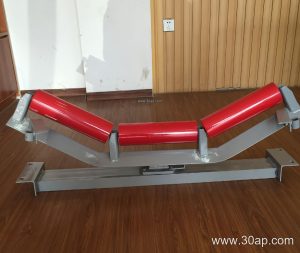
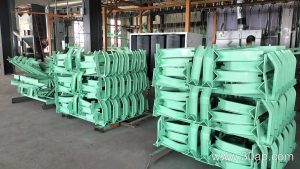
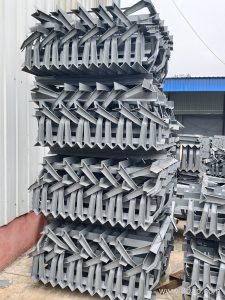
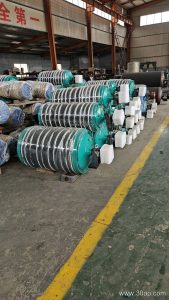
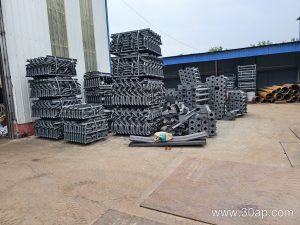
Beyond power generation, the same belt family serves mining conveyor belt duties in coal mining conveyor belt and underground coal mining conveyor belt systems, as well as quarry conveyor belt and aggregate conveyor belt lines. Cement plants use cement conveyor belt and cement plant conveyor belt designs for clinker and raw meal. Steel plants rely on heavy-duty conveyor belt and high abrasion resistant conveyor belt grades for sinter and coke. Ports use ship loading conveyor belt and port conveyor belt systems for bulk transfer. In all these settings, the conveyor pulley, idler roller, and conveyor bracket work together with the belt to keep the line running; a mismatch in any of them shortens belt life.
Buyer Checklist for Power Plant Service
- Material and duty: confirm coal type, lump size, moisture, and temperature. A coal conveyor belt for lignite may need different cover rubber than one for anthracite.
- Fire and static safety: enclosed galleries usually call for flame retardant conveyor belt or fire resistant conveyor belt, often with anti-static properties.
- Tension and length: long overland runs may justify steel cord conveyor belt or high strength conveyor belt such as EP1000 conveyor belt or EP1250 conveyor belt.
- Width and thickness: check that the selected 1200mm wide conveyor belt or 1500mm wide conveyor belt matches the existing pulley face and structure.
- Environmental resistance: oil resistant conveyor belt for fuel oil areas, cold resistant conveyor belt for winter unloading, and acid resistant conveyor belt where chemical exposure occurs.
- Maintenance: inspect idler roller alignment, conveyor pulley lagging, and belt edges regularly; track splice condition and cover wear.
When specifying a power plant conveyor belt, share the conveyor layout, tension calculation, and material data with the supplier. Ask for the cover grade, ply or cord construction, and recommended minimum pulley diameter. For example, a belt marked EP conveyor belt, 10mm thick with 4+2 covers may suit one line, while another line may need an 8+3 mm cover for impact. Keep spare belt, splice materials, and idler roller stock consistent with the original specification so that a replacement does not change the system balance. For more on matching belts with conveyor pulley and conveyor bracket details, review the plant’s conveyor data sheets before ordering.