What a Conveyor Support Leg Does
A conveyor support leg is the vertical member that carries the weight of a belt conveyor frame down to the floor, foundation, or steel structure. It works together with the longitudinal beams and the cross members that hold the idler roller sets. In a typical quarry conveyor line, the leg is the part that turns a long horizontal frame into a stable, level structure that keeps the conveyor belt tracking properly. When people talk about the support leg of a belt conveyor, they usually mean the same component: a fabricated steel column under the stringer, often supplied as a bolt-on or welded assembly with a base plate and foot plate.
The leg is not a decorative add-on. It sets the elevation of the frame, controls the spacing between supports, and transfers vibration and impact loads from the material being carried into the ground. On a heavy-duty mining conveyor or a power plant coal handling line, the support leg also has to cope with constant dynamic loading from the belt and the material load.
Construction and Common Materials
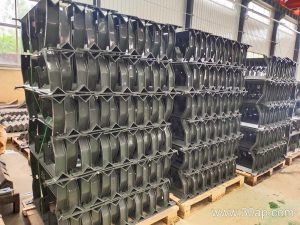
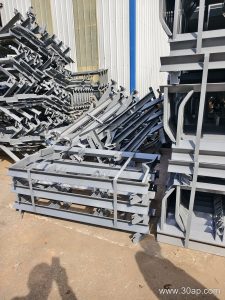
Most conveyor support legs are fabricated from angle steel, channel steel, or folded steel plate. The choice depends on the load, the required height, and how the leg is connected to the frame. A light aggregate conveyor might use angle steel legs with simple bolted connections, while a heavy iron ore or cement plant conveyor typically uses channel sections or folded plate with gusseted joints.
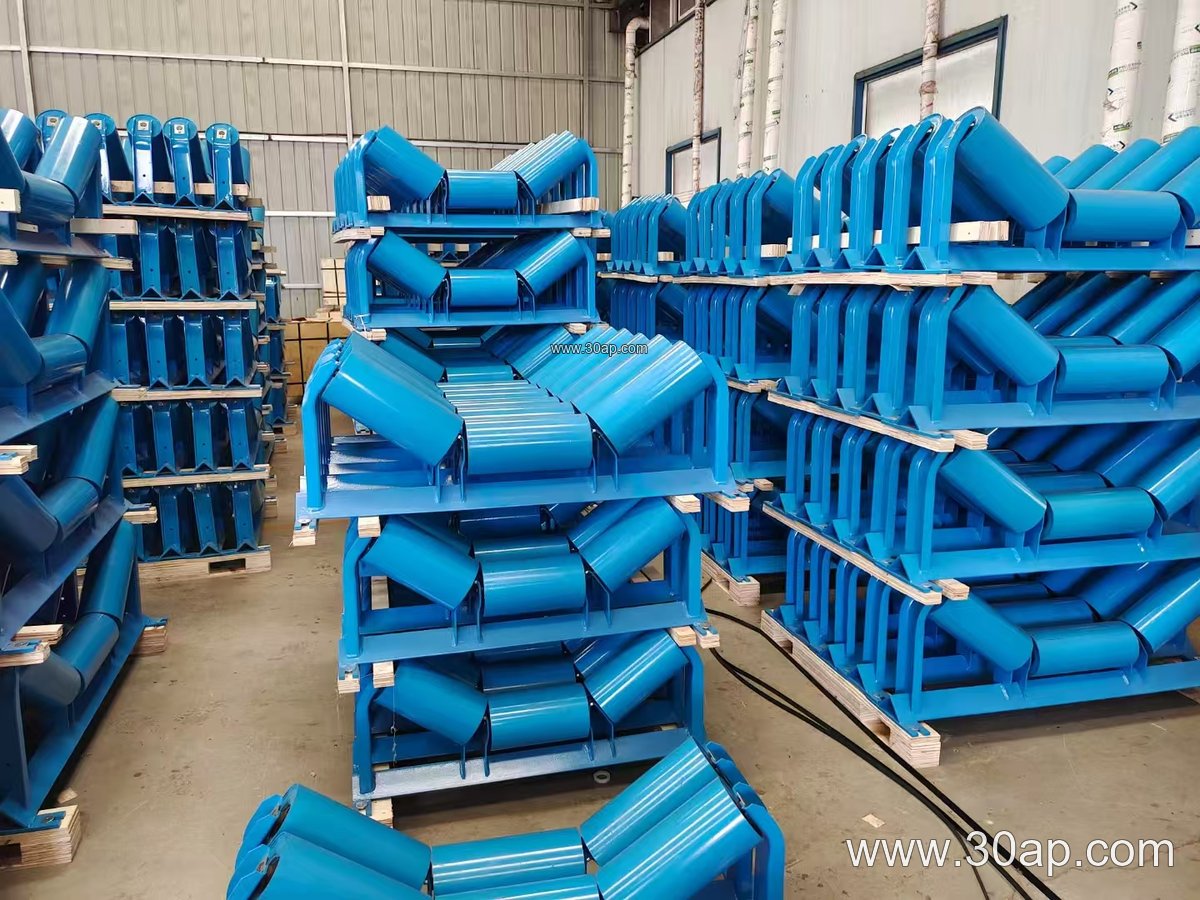
Typical features include:
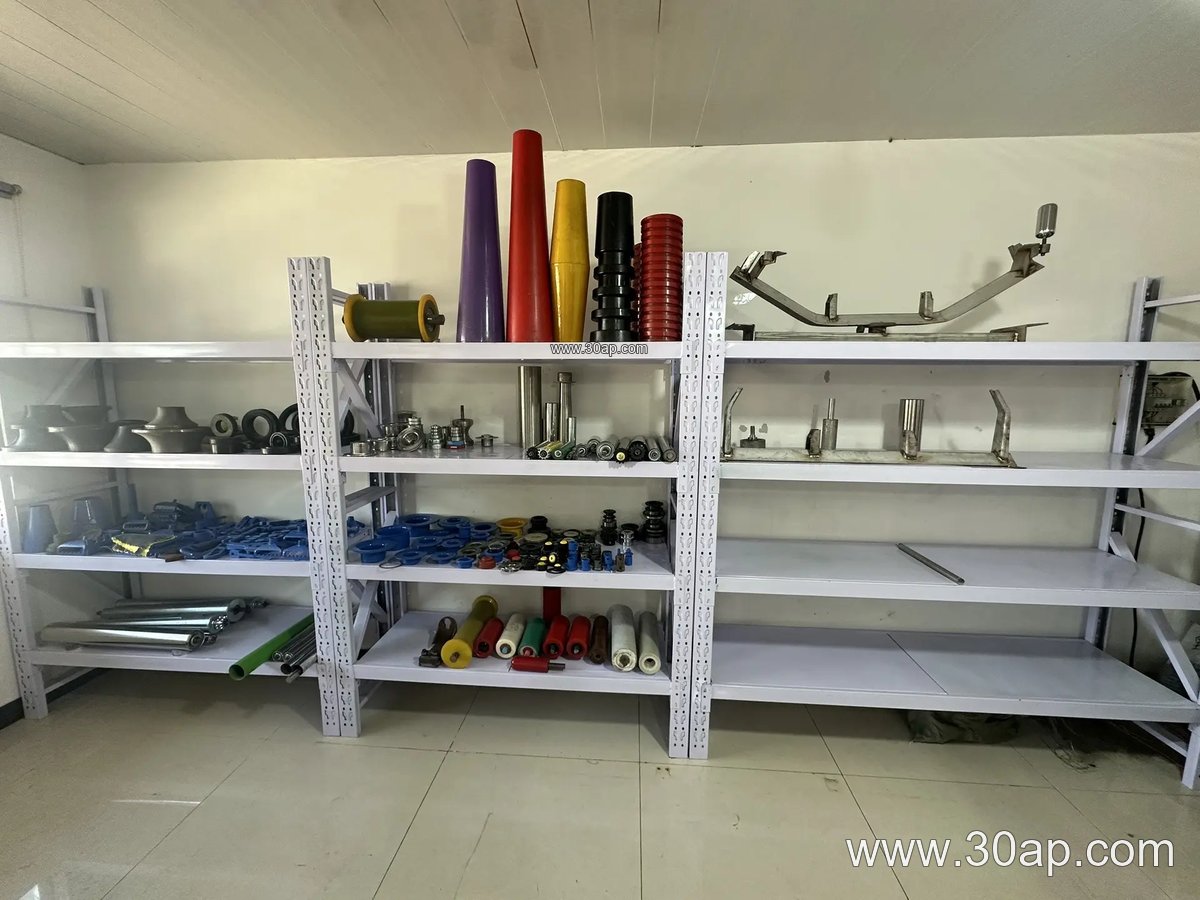
- A base plate drilled for anchor bolts or welded to an embedded plate
- A top plate or bracket matched to the stringer or cross beam
- Diagonal bracing or cross bracing for taller legs
- Slotted holes or adjustable sections where frame height must be fine-tuned
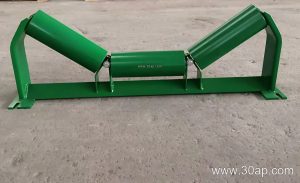
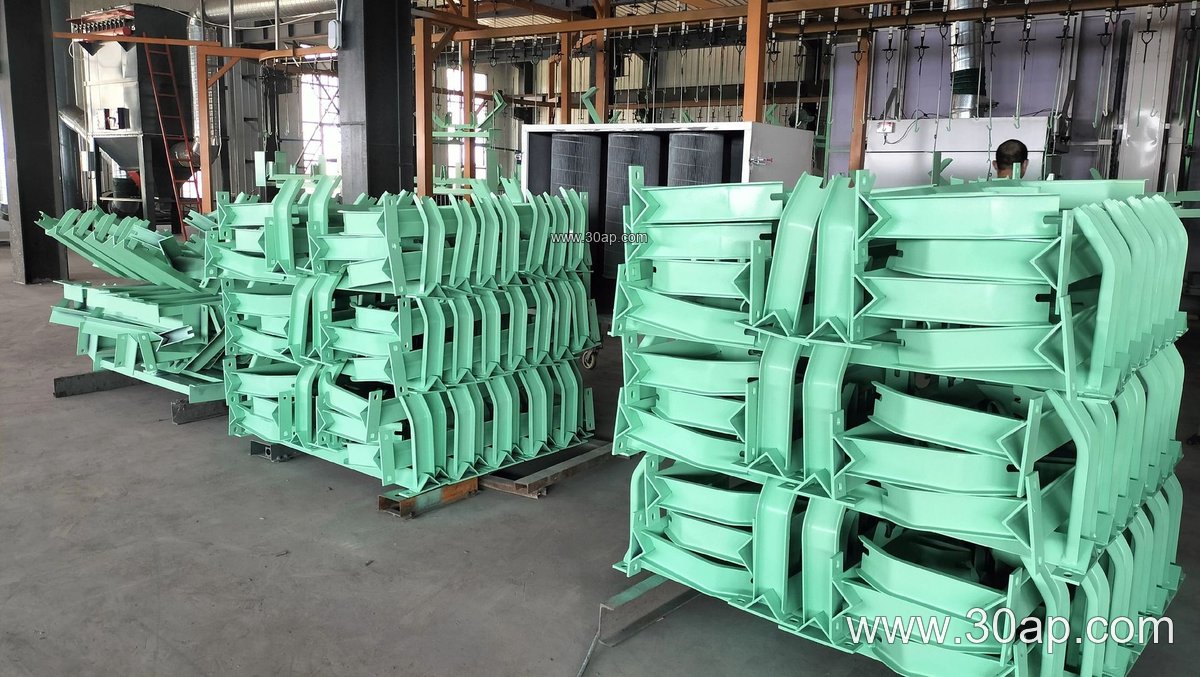
The leg is usually paired with a conveyor bracket at the top, which connects the leg to the frame and can also support the idler roller stations. A well-made leg keeps the frame square and prevents the stringers from twisting under load.
Where Support Legs Are Used
Support legs appear wherever a conveyor frame needs to stand above ground level. In a limestone mine or stone crushing plant, they hold the incline section that lifts rock from the crusher to the screening area. In a coal washing plant or port terminal, they support long overland frames that carry bulk material to stockpiles or ship loaders. The same component is used in cement plants, steel plants, and tunnel spoil handling lines.
Because the leg is exposed to dust, moisture, and sometimes washdown water, surface protection matters. Galvanized or painted legs are common, and the base detail should allow water to drain rather than collect around the foot.
Matching the Leg to Belt Width and Idler Size
Support legs are not chosen by belt width alone, but belt width does influence the frame geometry. A wider frame needs wider cross members and often heavier legs. Common belt widths in conveyor frames include B500, B650, B800, B1000, B1200, B1400, B1600, B1800, B2000, B2200, and the leg spacing and beam length usually change with these widths.
The trough angle of the carrying idlers also affects the load path into the leg. Trough angles of 20 degrees, 30 degrees, 35 degrees, and 45 degrees are common, and a transition support leg near the pulley may need a different height than a standard carrying leg. Idler roller diameters such as Ø89, Ø108, Ø133, Ø159, and Ø194 are matched to the frame and the belt, not to a single fixed rule. A frame for a B800 belt at 35 degrees with Ø108 idlers and a frame for a B1200 belt at 45 degrees with Ø133 idlers will both use support legs, but the leg height, base plate, and bracing are determined by design.

Where the conveyor carries a heavy-duty mining conveyor belt, a steel cord conveyor belt, or an abrasion resistant conveyor belt, the leg design should account for the higher belt tension and the stiffer frame required. On a chevron conveyor belt or corrugated sidewall conveyor belt line, the leg spacing may also need to suit the cleat or sidewall profile so the belt does not rub the frame.
Fixed and Adjustable Legs
Fixed legs are made to a set height and are common on long, level runs. Adjustable legs use slotted connections or telescoping sections so the frame height can be corrected during installation or later when the foundation settles. Adjustable legs are useful at transfer points and near a conveyor pulley, where small height differences affect belt tracking and skirt sealing.
The support leg should be checked together with the idler roller alignment. A leg that is out of plumb or a base plate that is not level can cause the frame to twist, which shows up as belt mistracking and uneven wear on the conveyor belt.
Buyer Checklist
- Confirm the frame height, belt width, and trough angle before ordering, for example B1000 at 30 degrees
- State the idler roller diameter and the load per support point
- Specify bolted or welded connection and the base plate hole pattern
- Ask about surface treatment for the site conditions
- Check whether bracing is needed for tall legs or windy locations
For more frame and component guidance, see the conveyor support leg range at gkconveyor.com and the matching conveyor bracket options. A correctly sized support leg keeps the whole conveyor frame steady, which protects the belt, the idler roller sets, and the conveyor pulley over the life of the installation.