What Is a High Wear-Resistant Lagged Pulley
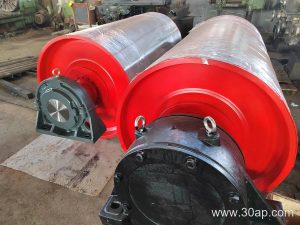
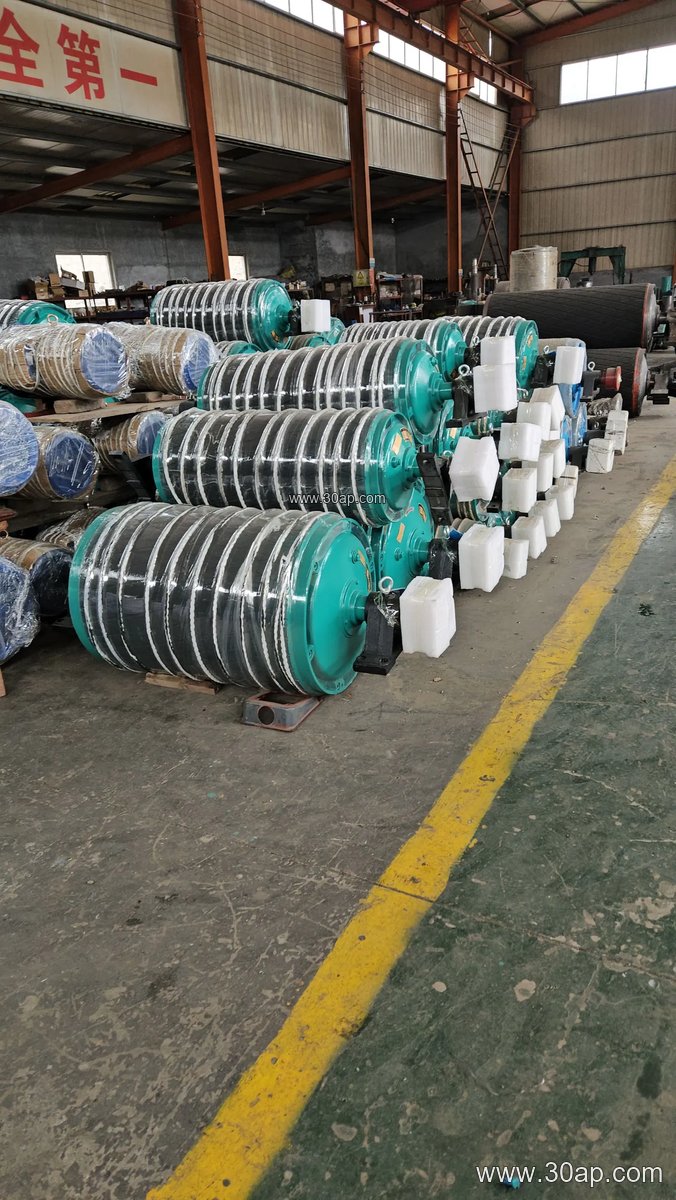
A high wear-resistant lagged pulley is a conveyor pulley whose shell is covered with a durable rubber or ceramic lagging to protect the belt and the pulley in abrasive service. In bulk handling, this pulley is often the drive pulley at the head of the conveyor, but it can also serve as a tail or bend pulley where wear is severe. The lagging raises friction between the pulley and the conveyor belt, reduces slip, and shields the shell from grit, sharp stone, and continuous abrasion.
Unlike a standard smooth pulley, the lagged version adds a sacrificial layer that can be replaced or re-coated. This makes it a practical choice for quarry, limestone, iron ore, and coal preparation plants where dust and fines are constant. The same design approach also appears in cement clinker lines and power plant coal handling, where the pulley must survive both abrasion and occasional impact.
Construction and Surface Options
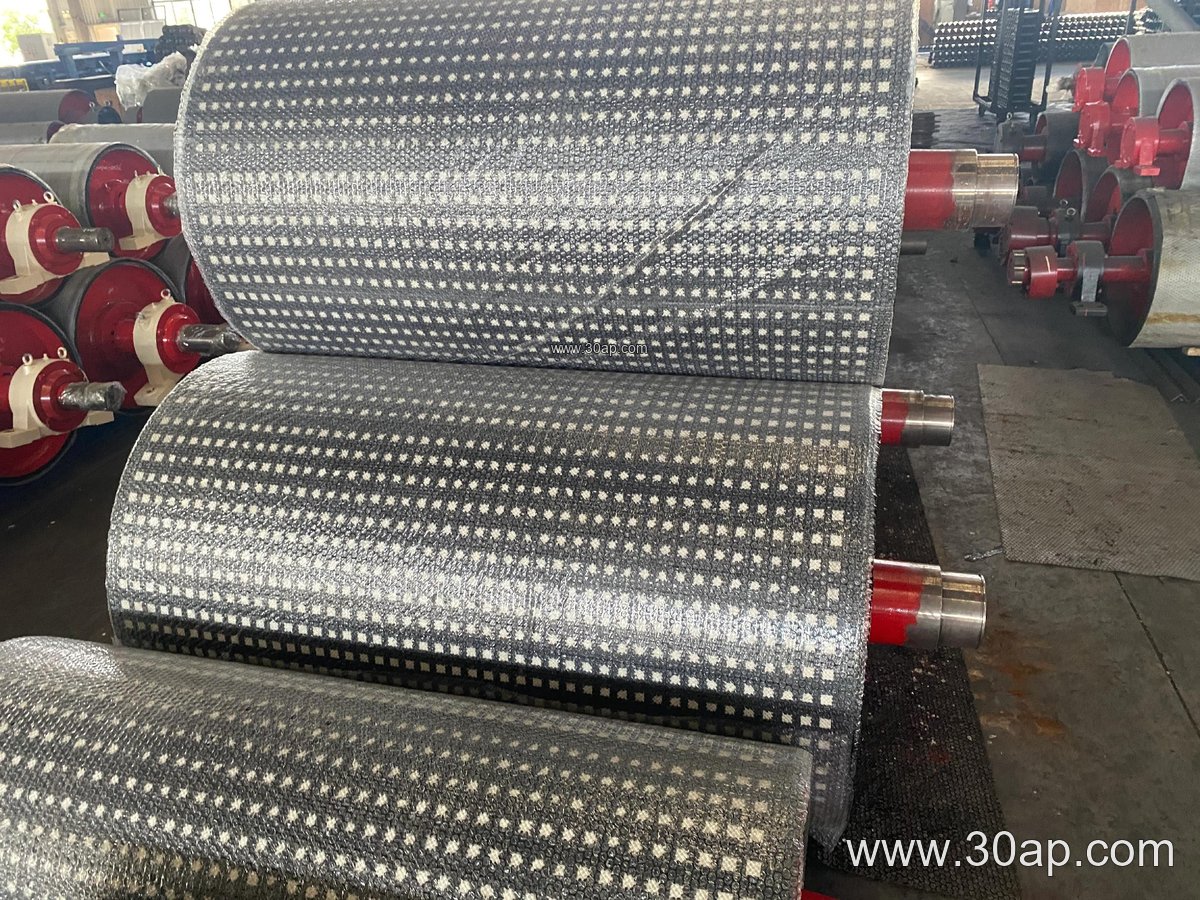
Most high wear-resistant lagged pulleys start with a welded steel shell and a shaft sized by torque and load, not by belt width alone. Common shaft diameters include Ø80, Ø100, Ø120, Ø140, and Ø160, but the final value is determined by the conveyor design. The lagging is applied in several ways: hot vulcanized rubber, cold bonded rubber, cast rubber, diamond pattern, herringbone pattern, or ceramic tiles. Thickness typically ranges from 8 mm to 20 mm depending on the duty.
For abrasive bulk material, diamond or herringbone rubber lagging helps shed fines and improve grip. Ceramic lagging is chosen when the pulley faces sharp rock or sinter. Plain rubber lagging remains suitable for less aggressive conditions. The pulley face width is usually wider than the belt: for example, a B800 belt often uses a pulley face around 950 mm, and a B1200 belt around 1400 mm. These are reference relationships, not fixed rules.
Where It Fits in the Conveyor
Although drive, tail, and bend pulleys are not interchangeable, the high wear-resistant lagged pulley is most often specified as a drive or head pulley. In a stone crushing line, it pulls the belt under a steady stream of crushed rock. In a coal washing plant, it may work with a flame retardant conveyor belt or an abrasion resistant conveyor belt. At a port bulk terminal, the same pulley type can be found on ship loading conveyors handling ore and aggregate.
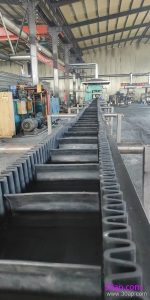
When the application involves a pipe conveyor belt or a corrugated sidewall conveyor belt, the pulley still needs proper lagging, but the belt path and pulley position are designed as a system. A high wear-resistant lagged pulley is not a replacement for a bend pulley or a tension pulley; those positions have their own load and wrap requirements. The lagged pulley simply adds wear protection where the belt and pulley meet under high friction.
Common Sizes and Combinations
Buyers often review pulley diameter together with belt width and shaft size. The table below gives common reference combinations; they are examples, not mandatory matches.
| Belt Width | Pulley Face Width (approx.) | Common Pulley Diameter | Common Shaft Diameter |
|---|---|---|---|
| B500 | 600 mm | Ø250, Ø315, Ø400 | Ø60, Ø70, Ø80 |
| B650 | 750 mm | Ø315, Ø400, Ø500 | Ø70, Ø80, Ø90 |
| B800 | 950 mm | Ø400, Ø500, Ø630 | Ø80, Ø90, Ø100 |
| B1000 | 1150 mm | Ø500, Ø630, Ø800 | Ø100, Ø120, Ø140 |
| B1200 | 1400 mm | Ø630, Ø800, Ø1000 | Ø120, Ø140, Ø160 |
| B1400 | 1600 mm | Ø800, Ø1000, Ø1250 | Ø140, Ø160, Ø180 |
| B1600 | 1800 mm | Ø1000, Ø1250, Ø1400 | Ø160, Ø180, Ø200 |
In practice, a B1200 × Ø1000 high wear-resistant lagged pulley may be used on a heavy-duty mining conveyor belt, while a B800 × Ø500 unit might suit a smaller aggregate line. The shaft diameter is calculated from the actual torque, belt tension, and bearing load; it is not taken directly from the belt width.
Selection and Maintenance Notes
When choosing a high wear-resistant lagged pulley, match the lagging material to the conveyed material. Sharp iron ore or copper ore calls for a tougher surface than a food grade conveyor belt line would need. Consider the conveyor belt type as well: an EP conveyor belt, NN conveyor belt, or steel cord conveyor belt each has different tension and tracking behavior. The pulley lagging should not be so aggressive that it damages the belt cover.
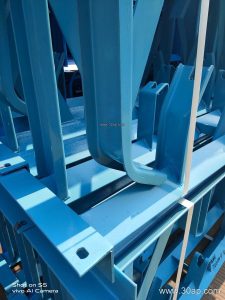
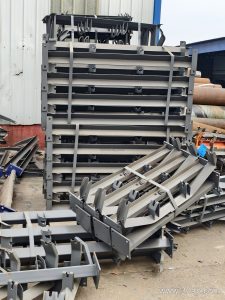
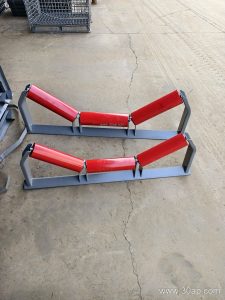
Check the pulley alignment, bearing condition, and lagging wear regularly. A worn lagging can cause belt slip, especially on a drive pulley in a wet or dusty plant. Re-lagging or replacing the rubber layer restores friction without replacing the entire pulley. Keep the conveyor bracket and idler roller frames in good order as well, because poor support can accelerate pulley wear.
Buyer Checklist
- Confirm the pulley position: drive, head, tail, or bend, and state the function clearly.
- Specify belt width, pulley diameter, face width, and shaft diameter from the conveyor design.
- Select lagging type and thickness for the actual abrasion level.
- Check compatibility with the conveyor belt and the loading conditions.
- Review maintenance access for lagging inspection and replacement.
For more information on conveyor pulleys, conveyor belt selection, and related components, visit our site at www.example.com/conveyor-pulley or www.example.com/high-wear-resistant-lagged-pulley. A well matched high wear-resistant lagged pulley helps keep the belt running true and reduces unplanned stops in abrasive bulk handling.