What the PVG800S Conveyor Belt Is
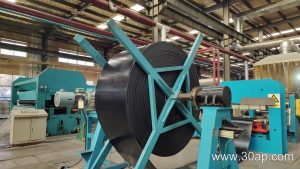
The PVG800S Conveyor Belt is a solid-woven, PVC-covered belt built for underground coal haulage and other tough bulk material duties. The designation points to a whole-belt tensile strength of 800 N/mm, with the “S” typically marking a grade intended for stringent safety and flame-retardant requirements. Because it is a solid-woven construction rather than a multi-ply Fabric Core Conveyor Belt, the carcass behaves as one integrated body, which helps it resist impact, tearing and edge damage in cramped, wet or dusty workings.
Buyers often meet the product under its accurate equivalent name, PVG800 Conveyor Belt, and both terms describe the same solid-woven PVC belt with an 800 N/mm strength class. It should not be confused with a Steel Cord Conveyor Belt or a conventional EP Conveyor Belt, since the load-bearing structure and the splice method differ.
Construction and Surface Options
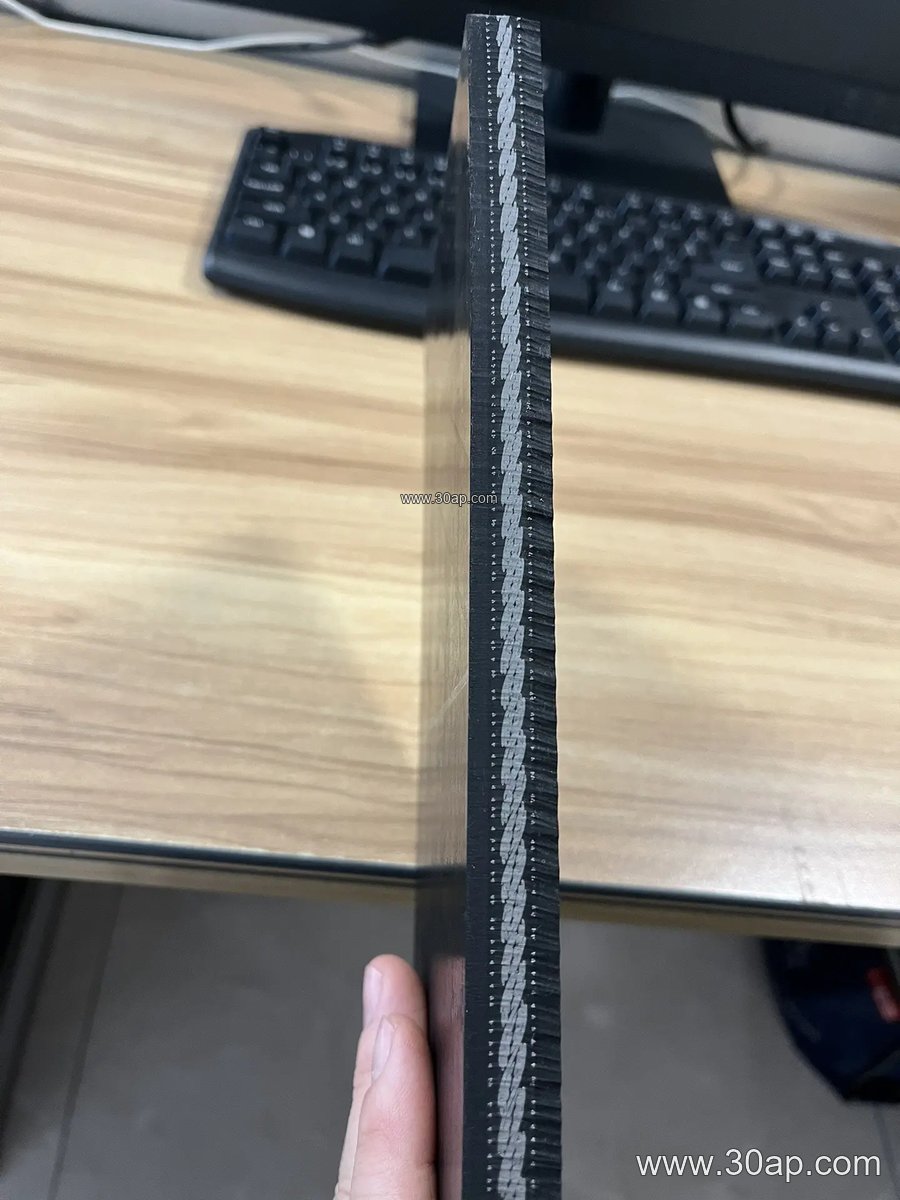
A typical PVG800S belt combines a solid-woven fabric core with PVC covers on both faces. The cover compounds can be adjusted for Flame Retardant Conveyor Belt and Anti-Static Conveyor Belt performance, which is why the grade is common in coal mining and underground installations. The cover thickness is usually quoted as a pair, for example 4+2 mm, 5+2 mm or 6+2 mm, while the overall belt thickness is set by design.
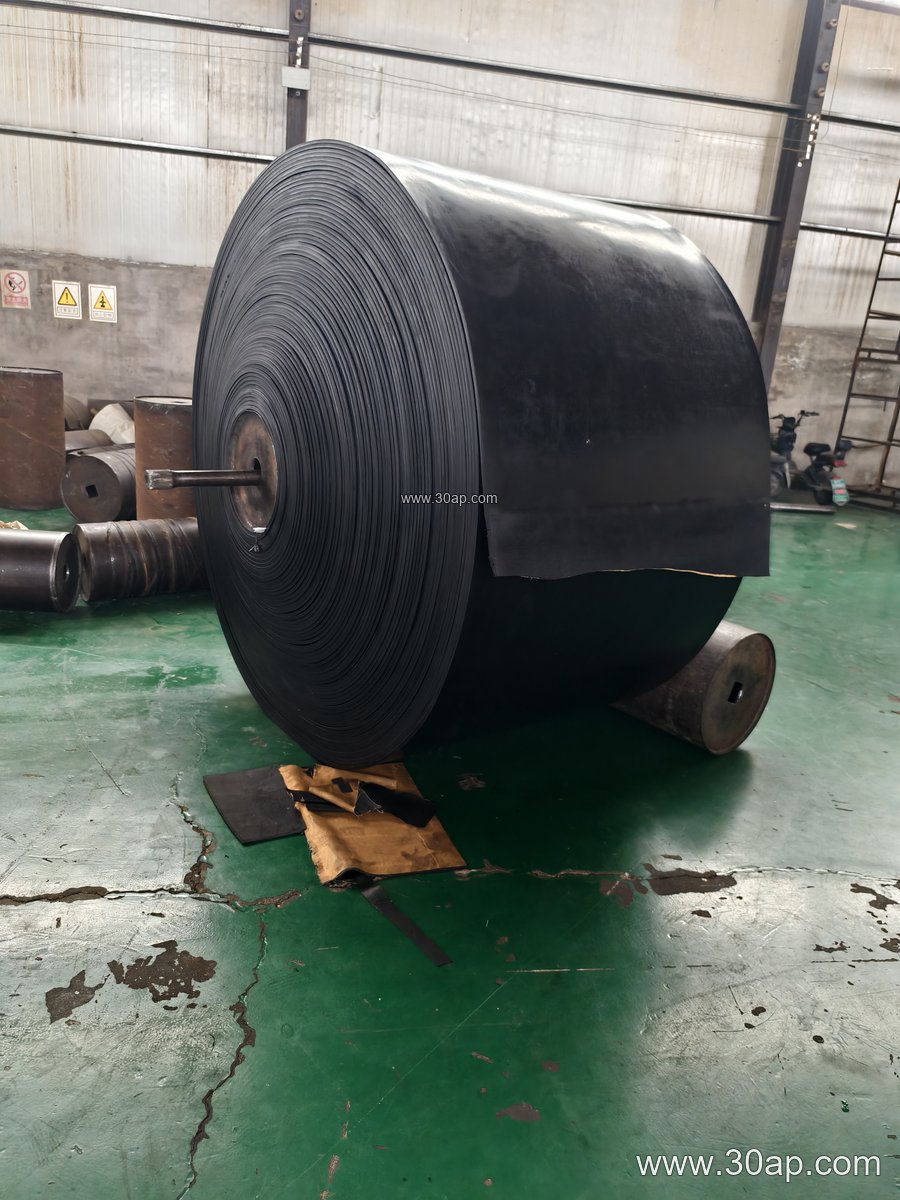
- Core: solid-woven fabric, single-body carcass
- Covers: PVC-based, optionally flame retardant and anti-static
- Edges: usually cut or moulded to suit the pulley and skirt arrangement
- Splice: vulcanised or mechanical, selected to match the belt grade
Where a different surface form is needed, such as a Chevron Conveyor Belt profile for inclined haulage, that is a separate product and should not be treated as a substitute for the PVG800S in the same conveyor design.
Typical Service Conditions
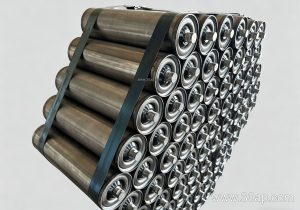
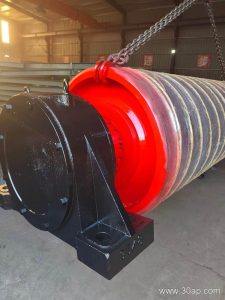
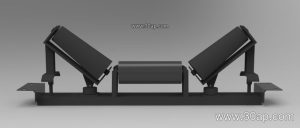
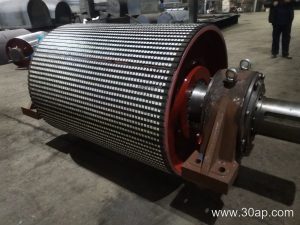
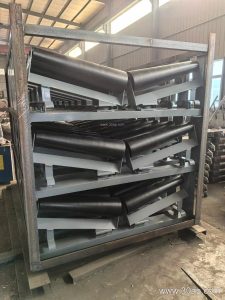
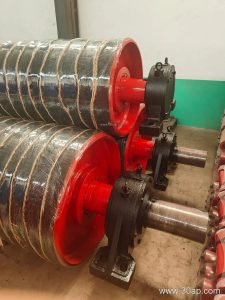
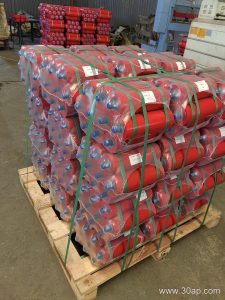
The PVG800S Conveyor Belt is most often found in coal mining, underground coal mining, power plants and cement plants where flame resistance and anti-static behaviour matter. It also appears in quarry and aggregate circuits, though a high-abrasion EP or steel cord belt may be preferred for very long overland runs. The belt works well with standard conveyor pulleys, idler rollers and conveyor brackets, and its flexibility helps it track around tail and bend pulleys in confined roadways.
In a mine or a cement plant, the belt is usually specified together with a flame retardant conveyor belt requirement for the whole system, and matching the belt grade to the drive pulley, tail pulley and take-up arrangement is part of the design. For an underground coal mining conveyor belt, the fire and anti-static properties are generally the first selection criteria, followed by tensile strength and cover thickness.
Common Reference Sizes
The table below shows reference data only; actual widths, cover gauges and strengths are confirmed by design and by the manufacturer.
| Parameter | Typical reference values |
|---|---|
| Belt width | B800, B1000, B1200, B1400, B1600, B1800 |
| Strength class | 800 N/mm (PVG800S) |
| Cover thickness | 4+2 mm, 5+2 mm, 6+2 mm |
| Core type | Solid-woven fabric |
| Cover material | PVC, flame retardant and anti-static options |
What a Buyer Should Check
Before ordering a PVG800S Conveyor Belt, confirm the required flame retardant and anti-static grade, the belt width, and the cover thickness against the material being carried. Check the pulley diameters, the troughing angle of the idler rollers, and the splice method available on site. Ask for the belt mass per square metre, the recommended minimum pulley diameter, and the storage and handling conditions. Remember that belt width does not fix pulley diameter on its own; the drive, tail and bend pulleys are chosen from the belt tension, the load and the conveyor profile.
For long-term performance, keep the belt aligned, maintain the conveyor pulley lagging and the idler rollers, and inspect the splice regularly. A well-matched PVG800S Conveyor Belt, used with the right conveyor brackets and a suitable take-up, gives reliable service in coal, cement, power and quarry operations.