What a 1000mm Drive Pulley Does
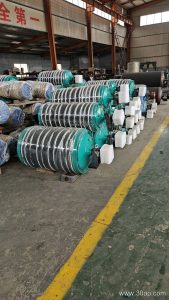
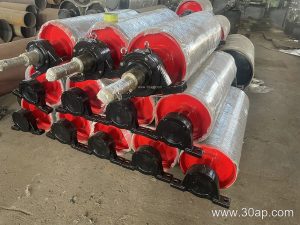
A 1000mm drive pulley is the head-end drum that transfers motor torque into the conveyor belt. The 1000 mm figure refers to the drum diameter, while the pulley face width is sized to suit the belt it carries. In a typical arrangement the drive pulley, sometimes called the head pulley, sits at the discharge end, grips the belt through friction, and pulls the loaded strand toward the transfer point. Tail pulleys and bend pulleys guide and tension the return side, but they do not drive the belt, so they are not interchangeable with this component.
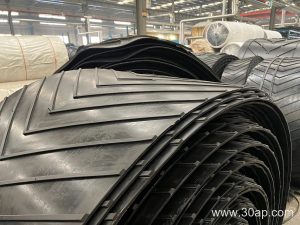
Large-diameter drums are common on high-tension installations such as a bulk material conveyor belt handling iron ore, limestone, or cement clinker. The bigger the drum, the lower the bending stress in the belt carcass and the more contact area available for grip.
Construction and Surface Options
The body is usually a welded steel shell with machined end discs, keyed hubs, and a through shaft. Shaft diameter is set by torque and bearing load, not by belt width alone, so a B1000 conveyor might use anything from a Ø100 shaft upward depending on the drive power.
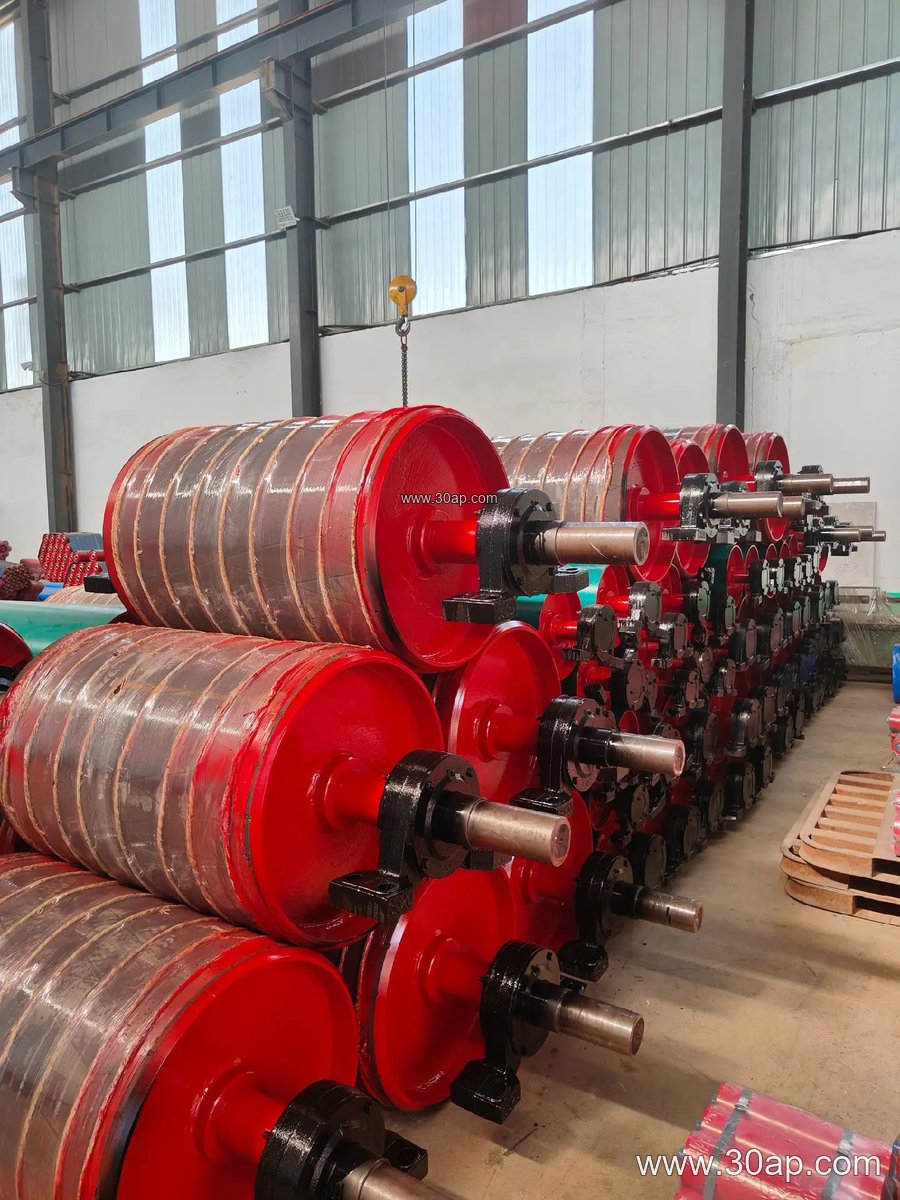
Lagging is where much of the grip comes from. Common surface forms include plain, hot-vulcanized rubber, cold-bonded rubber, diamond grooving, herringbone, and ceramic tile. Lagging thickness is often 8, 10, 12, 15, or 20 mm. Diamond or herringbone patterns help shed water and fine dust, which matters in a wash plant or a port handling wet aggregate.
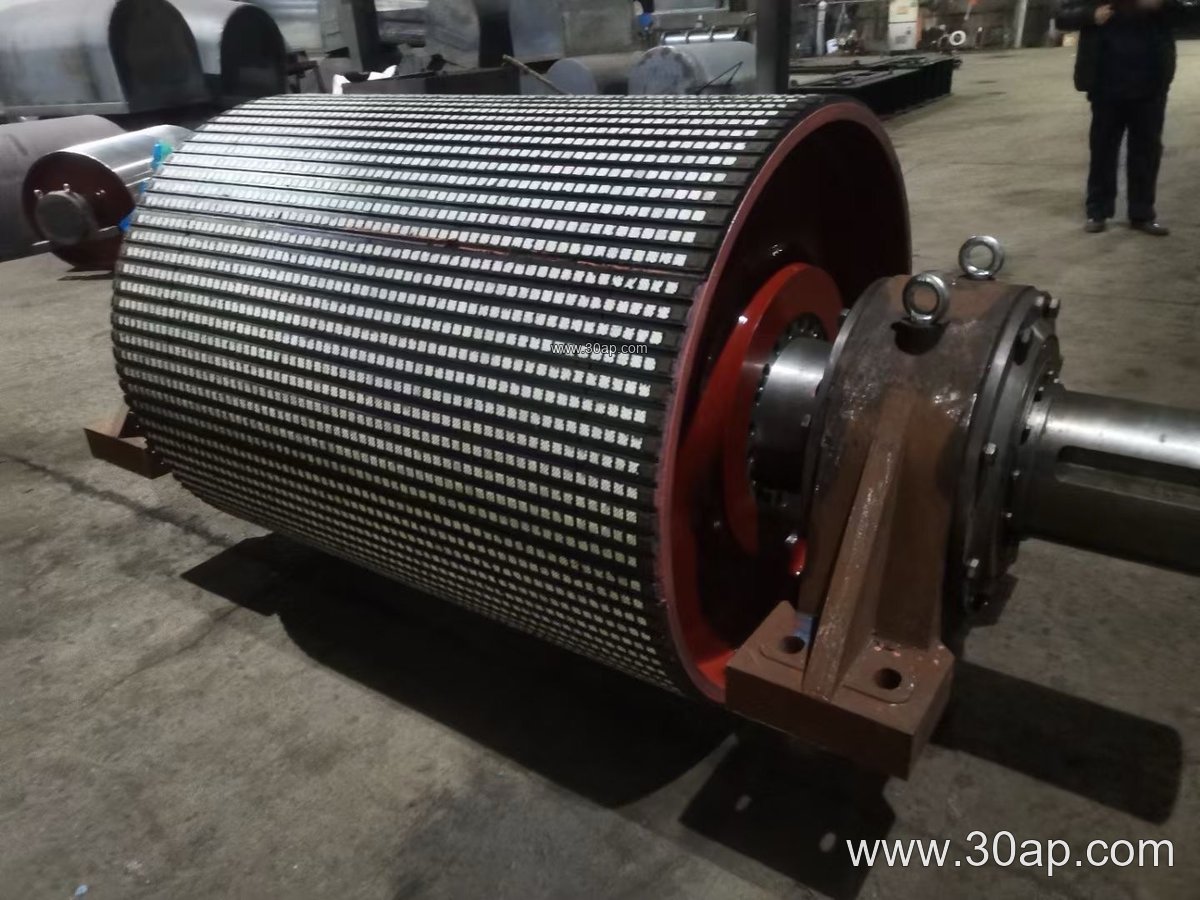
- Shell: rolled and welded steel, machined for concentricity
- Lagging: plain, rubber, diamond, herringbone, or ceramic
- Shaft: keyed, sized to torque and bearing load
- Bearings: pillow block housings on a rigid conveyor bracket
Matching Belt Width and Drum Diameter
Face width is normally a little wider than the belt. A B800 belt typically runs on a pulley face near 950 mm, a B1000 belt near 1150 mm, and a B1200 belt near 1400 mm. The 1000 mm diameter is a separate decision, driven by belt tension, carcass stiffness, and the minimum bend radius the belt maker allows.
Combinations such as B1200 x Ø1000 or B1400 x Ø1000 appear in heavy-duty circuits, but no single belt width is locked to one drum size. A steel cord conveyor belt with a stiff carcass usually needs a larger drum than a thin multi-ply fabric core belt carrying the same load.
| Reference item | Typical value |
|---|---|
| Drum diameter | Ø1000 mm |
| Belt widths served | B800 to B1400, by design |
| Face width examples | 950 mm, 1150 mm, 1400 mm |
| Lagging thickness | 8 to 20 mm |
| Shaft diameter range | Ø100 to Ø200, by torque |
Where It Fits in the Plant
You will see this drum at the discharge of a primary crusher conveyor in a quarry, or on the main haulage belt at a copper mine where tonnage is high and downtime is expensive. In a coal preparation plant the drive pulley often carries a flame retardant conveyor belt, and the lagging choice must suit wet, fine coal rather than dry rock.
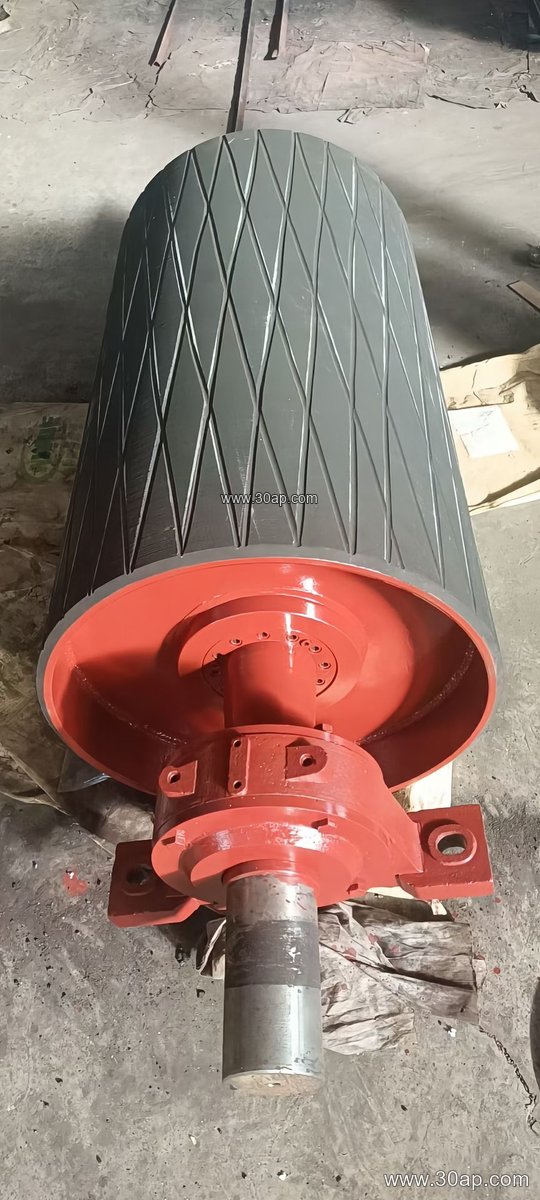
At a power plant coal yard, a Ø1000 drive drum on the head end may pair with an abrasion resistant conveyor belt on a long overland run. The same size drum can appear in a cement plant clinker line, where heat resistant conveyor belt grades protect the carcass from hot material.
Buyer Checklist
Before ordering, confirm the belt width, the maximum operating tension, the motor power and speed, and the shaft and bearing arrangement. Ask for the lagging pattern and thickness, the face width, and the balancing grade. Check that the pulley will fit the existing conveyor bracket and that the bearing centers match the frame.
Also confirm the belt type it will drive, because an EP conveyor belt, an NN conveyor belt, and a steel cord belt each have different minimum pulley diameters. For a 1000mm drive pulley, the diameter is generous for many fabric belts but may be marginal for the stiffest high-strength carcasses. Share the belt data sheet with the drum supplier so the two are matched, and keep spare lagging on hand for planned shutdowns.