What a Self-Aligning Idler Bracket Does
A self-aligning idler bracket is the mounting component that holds the training idlers of a belt conveyor and lets them pivot slightly so the belt stays centered on the carrying run. It sits between the conveyor frame and the idler roller, and it is usually installed on the carrying side where misalignment tends to appear first. In a quarry, a coal preparation plant, or a cement plant, a belt that wanders toward the frame will soon damage both the edge of the conveyor belt and the structure. The self-aligning idler bracket, also called a self-tracking idler bracket, gives the idler assembly a small steering action that corrects this drift before it becomes costly.
How the Bracket Is Built
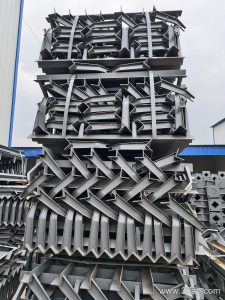
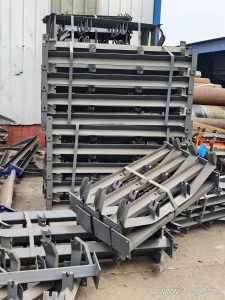
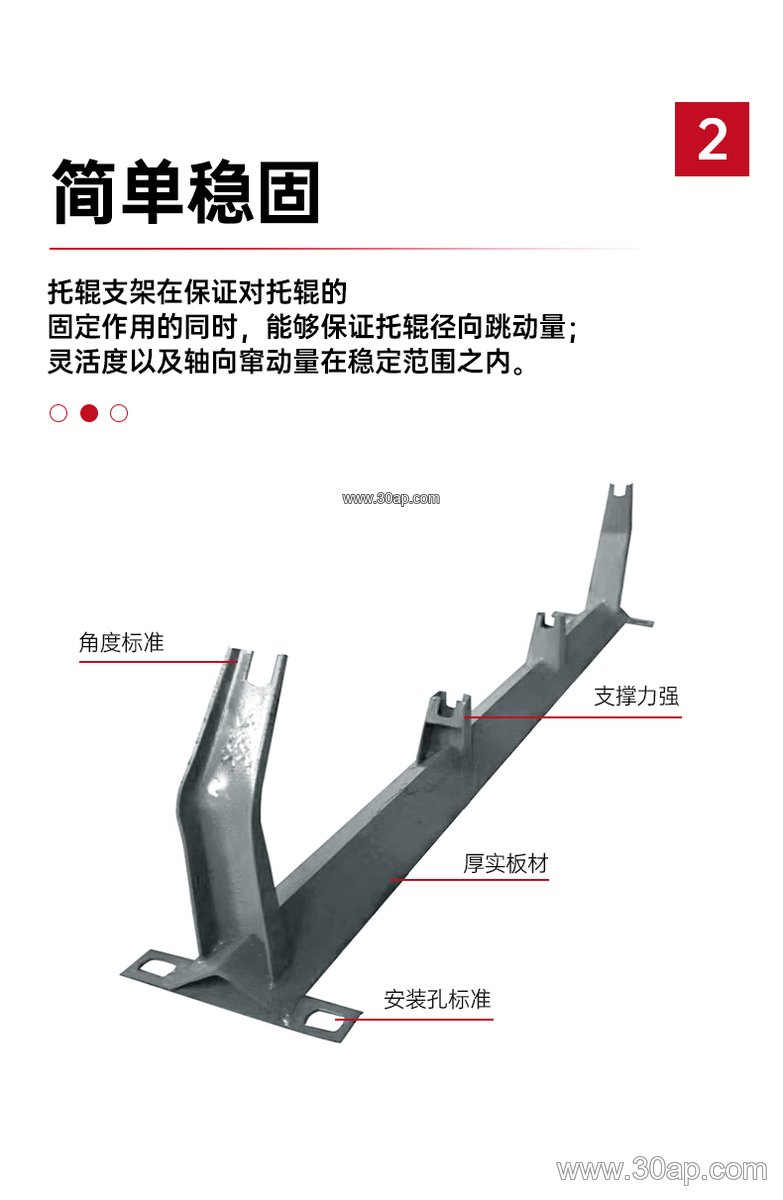
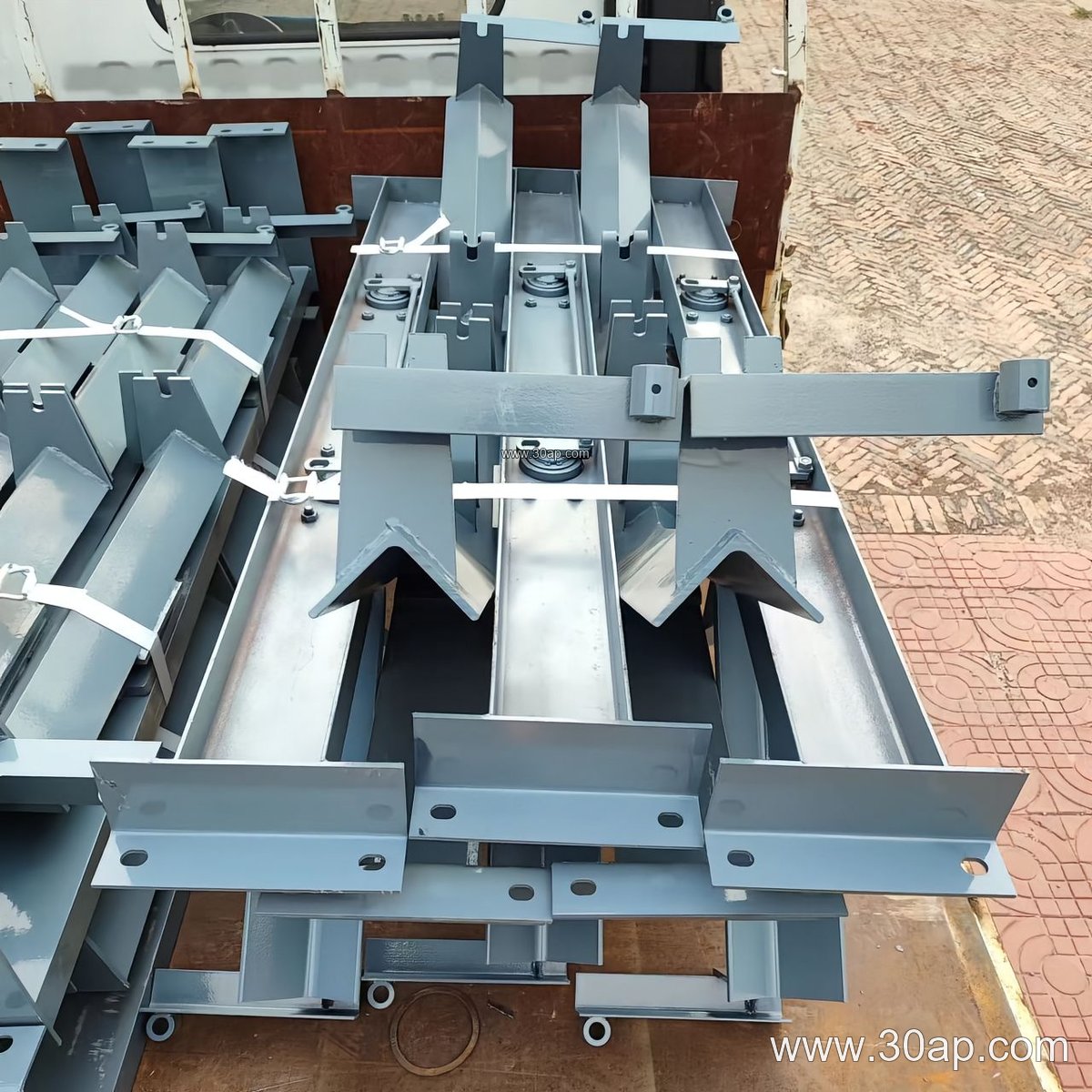
Most designs combine a fixed base and a rotating or swiveling upper section. The base is bolted to the conveyor bracket on the main frame, while the upper part carries the idler roller shaft. A vertical pivot, a thrust bearing, or a sealed bushing allows the upper section to turn a few degrees. A return arm or a small guide roller often touches the belt edge and converts lateral movement into rotation of the bracket.
Fabrication is typically from angle steel, channel steel, or folded steel plate, with welded gussets for stiffness. The pivot area is usually protected against dust and water, because fine material from a crusher conveyor belt or an ore conveyor belt can quickly seize an unprotected bearing.
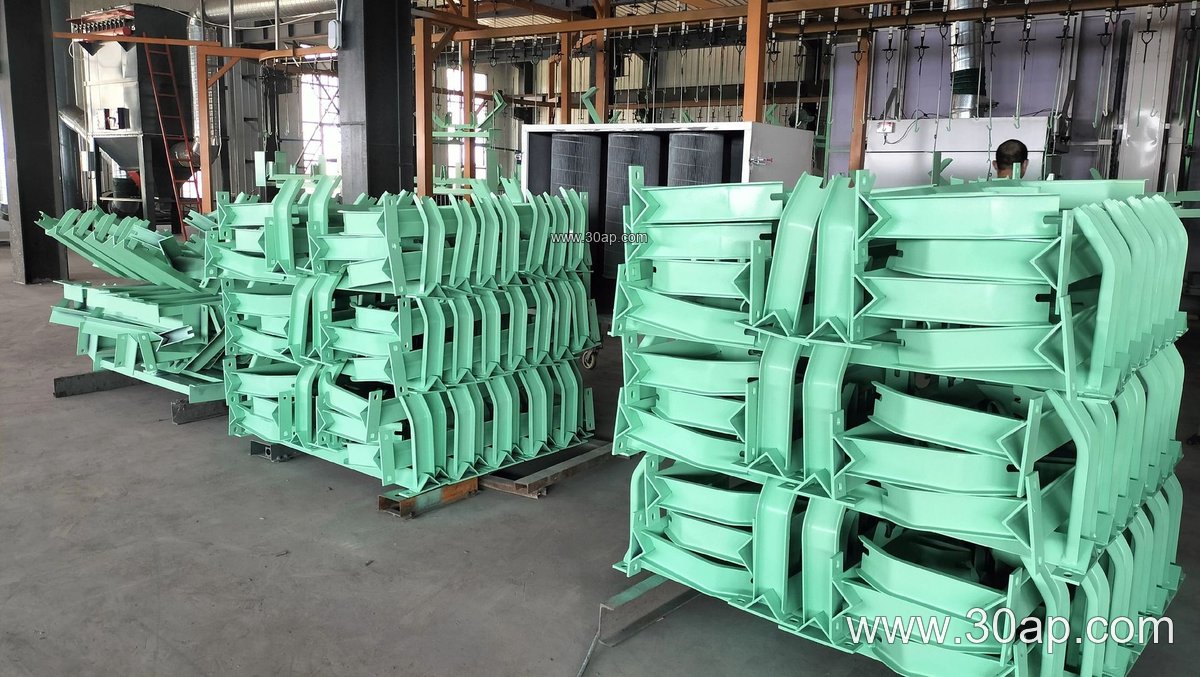
- Base plate with slotted mounting holes for field adjustment
- Pivot or swivel section with sealed bearing or bushing
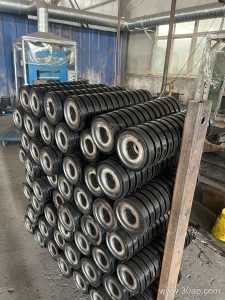
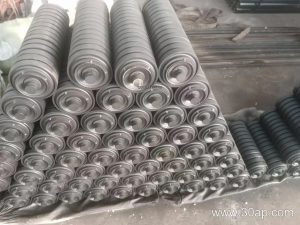
- Idler support cradle matched to the roller diameter
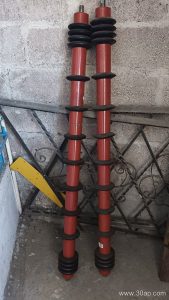
- Guide arm or edge roller for sensing belt drift
- Paint or galvanized finish for outdoor installations
Where It Fits on the Conveyor
The bracket normally replaces a standard fixed bracket at selected positions along the carrying side. It is common to place self-aligning units after the loading point, before a transfer tower, and at intervals on long runs. In a power plant coal handling line, a port ship loader, or a tunnel spoil removal system, a few self-aligning brackets can reduce edge damage on a long conveyor belt.
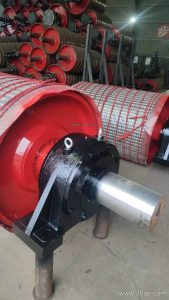
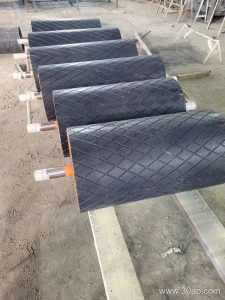
It is not a substitute for a drive pulley, a tail pulley, or a bend pulley. Those components transmit power and change belt direction, while the self-aligning idler bracket only supports and steers the belt. Likewise, it does not replace a return bracket or a V-return bracket; those serve the lower run and are chosen separately.
Matching Bracket, Belt, and Roller
Selection starts with the belt width and the trough angle. A self-aligning bracket is often ordered together with training idlers, so the cradle must accept the chosen roller diameter. The table below shows common reference combinations; actual mounting hole spacing and beam length are determined by the conveyor design.
| Belt Width | Trough Angle | Roller Diameter | Typical Use |
|---|---|---|---|
| B650 | 30 degrees | Ø89 | Small aggregate line |
| B800 | 35 degrees | Ø108 | Sand and gravel plant |
| B1000 | 35 degrees | Ø108 / Ø133 | Cement plant, coal yard |
| B1200 | 45 degrees | Ø133 | Iron ore, port loading |
| B1400 | 35 degrees | Ø159 | Power plant coal line |
| B1600 | 45 degrees | Ø159 / Ø194 | Heavy bulk handling |
| B1800 | 35 degrees | Ø194 | Large mining conveyor |
These values are reference data, not fixed rules. A wider belt does not automatically require a larger roller, and one belt width can work with more than one trough angle or roller size. The load, belt speed, and material type decide the final match. A heavy-duty mining conveyor belt carrying lump ore needs a stiffer bracket than a light food grade conveyor belt in a grain silo.
Installation and Adjustment Notes
Install self-aligning brackets in pairs or in a short series so the steering effect builds gradually. Align the base square to the frame, then check that the pivot moves freely by hand before the belt is tensioned. After the first run, observe belt tracking at low speed. Small corrections to the guide arm are usually enough; large frame adjustments should be avoided.
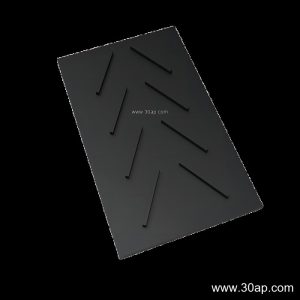
On a steel cord conveyor belt or a thick multi-ply fabric core belt, the training idlers must contact the belt evenly. If the trough angle is set too steep for the belt stiffness, the center roller may lift and the belt will not respond to the bracket. For a chevron conveyor belt or a corrugated sidewall conveyor belt, check that the guide arm and edge roller do not rub the cleats or sidewalls.
Buyer Checklist
- Confirm belt width, trough angle, and roller diameter before ordering.
- Ask for the mounting hole pattern and overall beam length, since these follow the frame design.
- Check pivot sealing for dusty or wet locations such as a limestone mine or a washing plant.
- Specify finish and material thickness for outdoor or corrosive service.
- Plan spare guide rollers and bushings, as these wear faster than the bracket body.
A well-chosen self-aligning idler bracket is a small part of the conveyor, but it protects the conveyor belt, the idler roller, and the frame from the effects of persistent misalignment. For more conveyor components and matching accessories, visit conveyorbelt.top and review the range of belt and bracket options before finalizing the design.