What a Coal Conveyor Belt Does
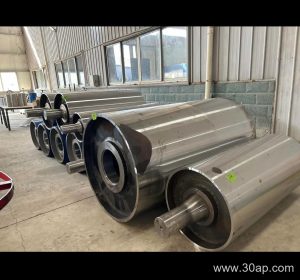
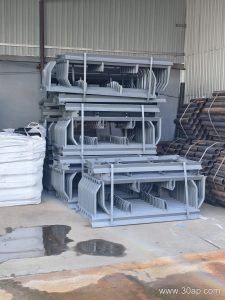
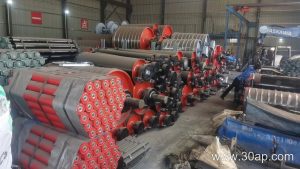
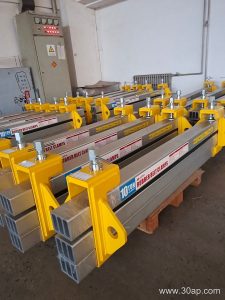
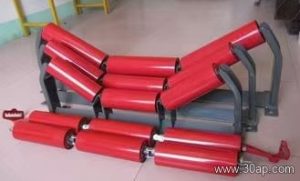
A coal conveyor belt is the load-carrying element of a troughed or enclosed conveying system. In mines, power plants, cement works and ports, it moves crushed coal from a transfer point to stockpiles, bunkers or ship loaders. The belt itself is a composite: a fabric or steel cord carcass provides tensile strength, while rubber covers protect the carcass from abrasion, impact and moisture. Around it sit the idler roller sets, conveyor pulleys and conveyor brackets that form the supporting structure.
Because coal is abrasive, often damp and sometimes dusty or flammable in fine form, belt selection is rarely a matter of picking the cheapest roll. A Mining Conveyor Belt for a coal yard usually combines abrasion resistance with flame retardant properties, and an Underground Coal Mining Conveyor Belt adds stricter fire and anti-static requirements.
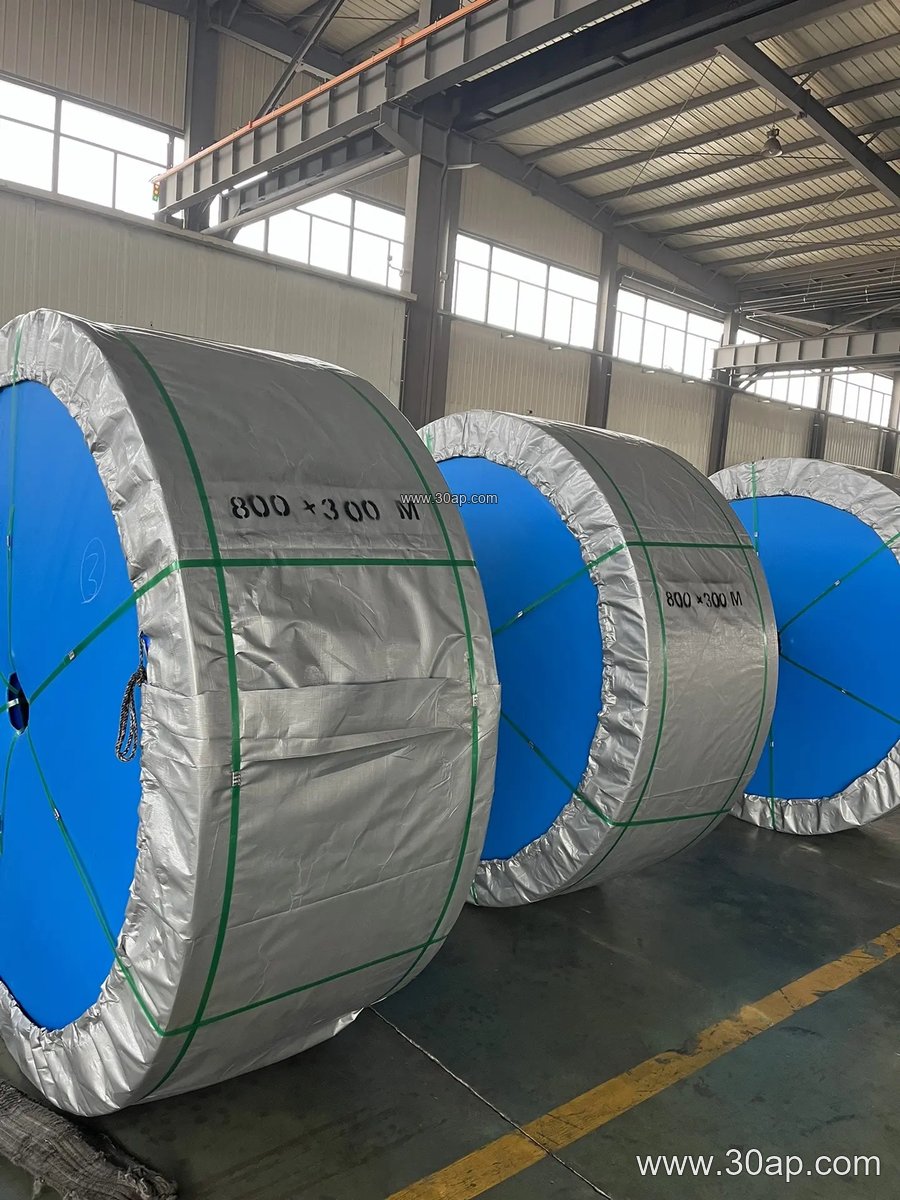
Construction and Common Types
The carcass is the first decision. Multi-ply fabric construction suits short to medium centres and moderate loads, while steel cord designs handle long overland runs and high tensions. Typical options include:
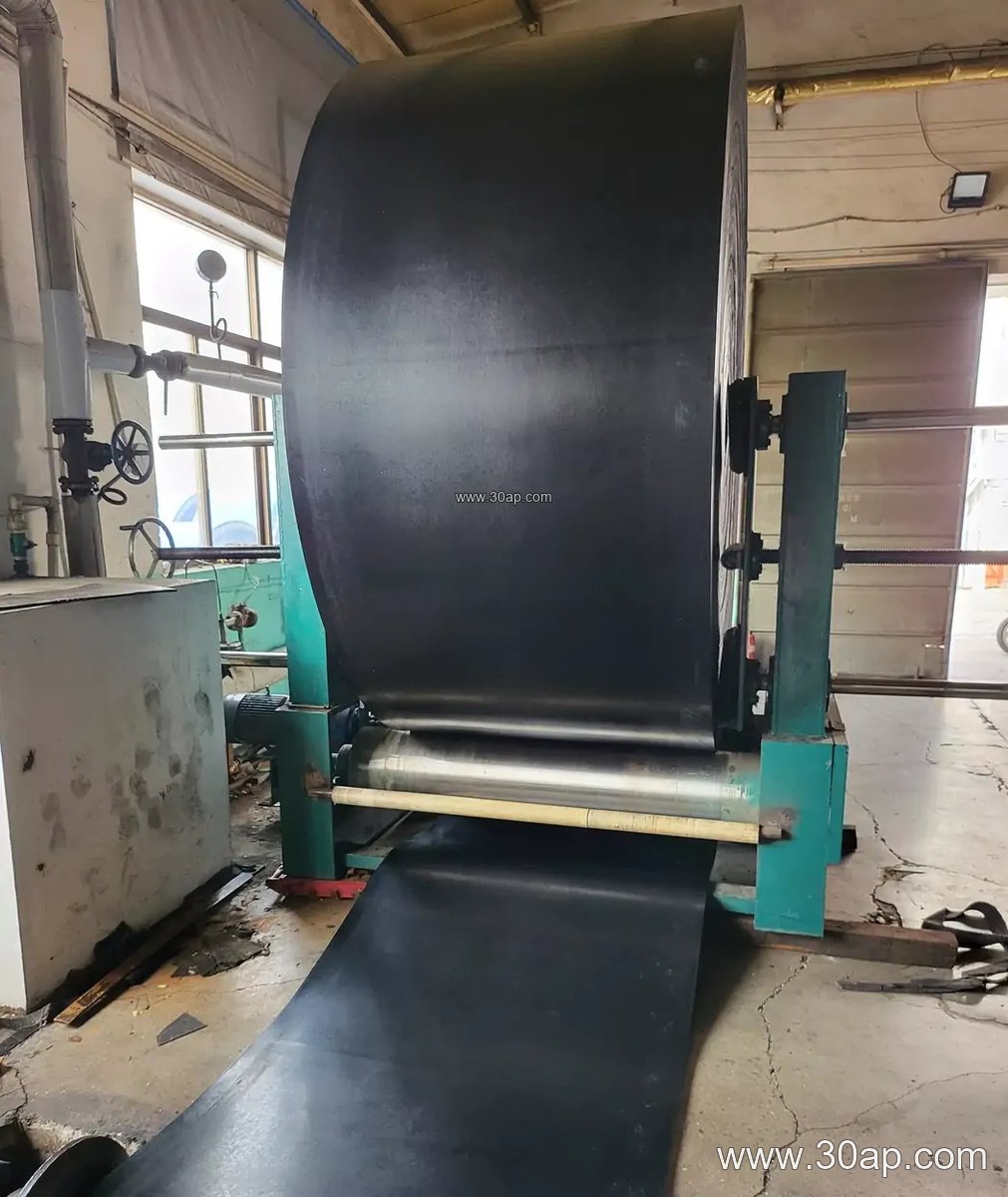
- EP Conveyor Belt — polyester-polyamide carcass, a common general-purpose choice for coal handling.
- NN Conveyor Belt — nylon-nylon carcass with good flexibility and impact absorption.
- Steel Cord Conveyor Belt — high tensile strength for long distance and heavy tonnage.
- PVG Conveyor Belt — solid-woven carcass with PVC covers, often used in underground coal mining.
- Flame Retardant Conveyor Belt and Anti-Static Conveyor Belt — used where fire risk and static buildup must be controlled.
Cover compounds are matched to the duty. An Abrasion Resistant Conveyor Belt protects against coal and rock wear, a Heat Resistant Conveyor Belt suits hot material or nearby heat sources, and an Oil Resistant Conveyor Belt helps where lubricants or oily coal are present. Chevron Conveyor Belt and Corrugated Sidewall Conveyor Belt designs are used on inclines where material would otherwise slide back.
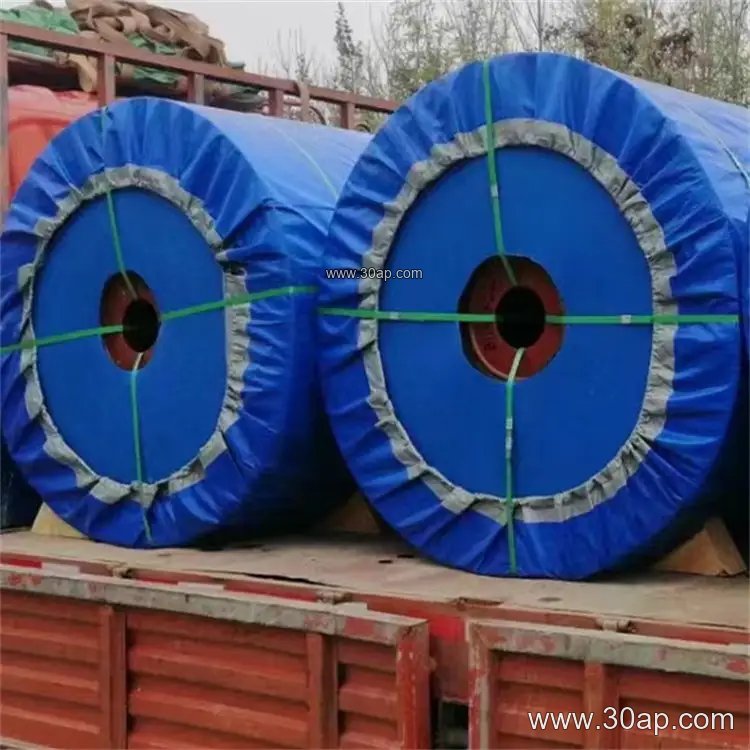
Reference Dimensions and Parameters
The values below are common reference ranges, not universal specifications. Final dimensions are set by the conveyor design, and different manufacturers offer different combinations.
| Parameter | Typical range |
|---|---|
| Belt width | B500, B650, B800, B1000, B1200, B1400, B1600, B1800, B2000 |
| EP strength grades | EP200, EP315, EP400, EP500, EP630, EP800, EP1000, EP1250, EP1600, EP2000 |
| Carcass plies | 2 to 6 layers for fabric cores |
| Cover thickness | 3+1.5, 4+2, 5+2, 6+2, 8+3 mm |
| Steel cord grades | ST1000 to ST3150, selected by tension |
Belt width and pulley diameter are related through the conveyor design, not by a fixed one-to-one rule. A wider belt does not automatically dictate a particular shaft size; the drive pulley, tail pulley and bend pulley are each sized from torque, wrap angle and shaft loading. These pulley roles are distinct and should not be treated as interchangeable.
Where It Fits in the Plant
Coal handling spans several environments. In a coal-fired power plant, belts feed bunkers and boiler houses, often with a Flame Retardant Conveyor Belt specified along the route. In a cement plant or quarry, a Cement Conveyor Belt or Quarry Conveyor Belt may carry coal for kiln firing alongside limestone. Port terminals use wide belts for ship loading, while a Coal Mining Conveyor Belt underground must meet ventilation and fire-safety expectations.
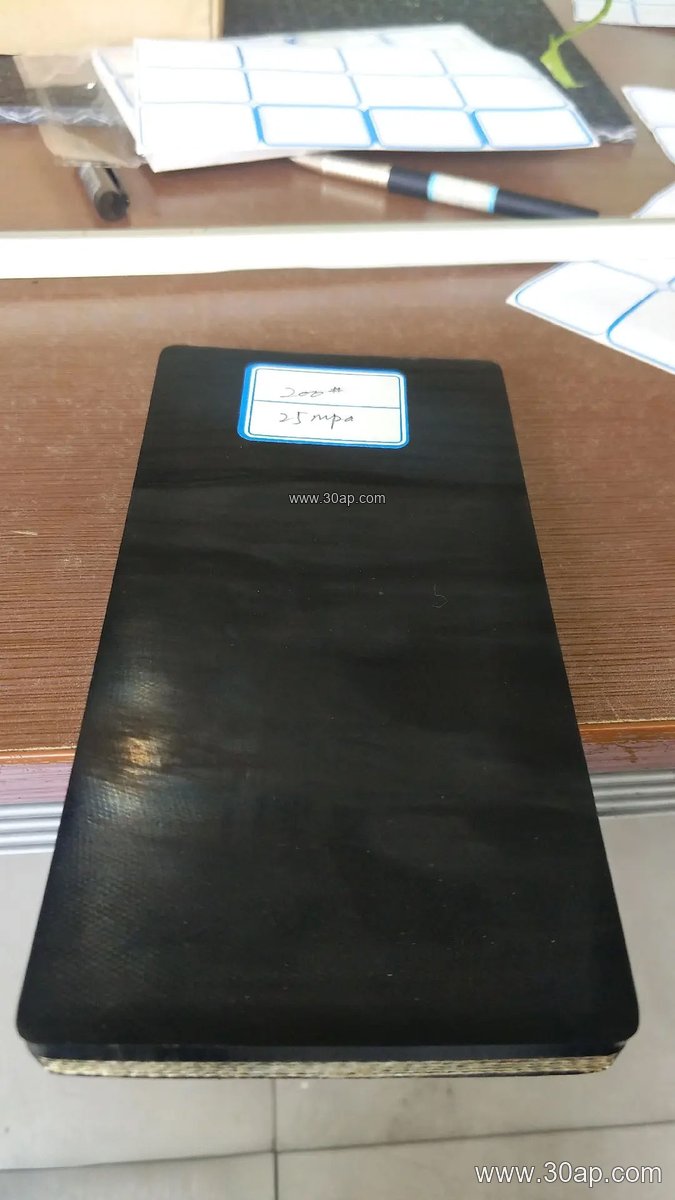
Supporting hardware matters as much as the belt. Idler roller spacing affects sag and belt life, conveyor pulleys transfer drive tension, and conveyor brackets keep the frame aligned. A poorly aligned frame wears the belt edge long before the cover reaches its wear limit.
Buyer Checklist
- Confirm the actual duty: lump size, moisture, temperature, oil exposure and incline angle.
- State whether flame retardant and anti-static properties are required for the site.
- Provide centre distance, capacity and trough angle so tension can be calculated.
- Match cover thickness to impact and abrasion, not only to price per metre.
- Ask about splice method and whether an Endless Conveyor Belt is preferred for the application.
- Check pulley and idler compatibility with the selected belt thickness and stiffness.
For more on matching belts with idler roller and conveyor pulley assemblies, see our notes at industrial-belting.com/coal-conveyor-belt. A belt chosen for the real coal condition will usually outlast a generic specification, and that is the practical measure of value in mining, power and bulk material handling.