What an Industrial Conveyor Pulley Does
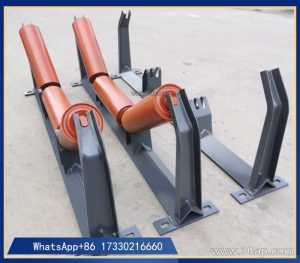
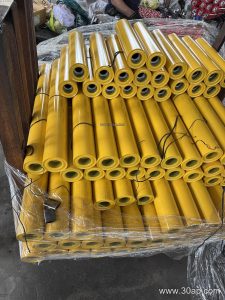
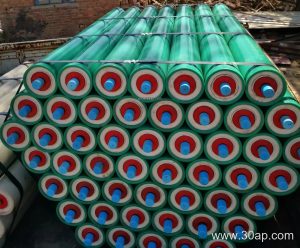
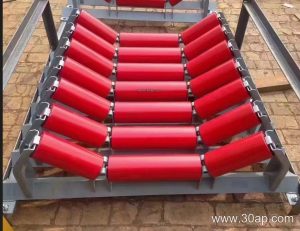
An industrial conveyor pulley is the cylindrical rotating component that drives, tensions, or redirects a conveyor belt. Often called a conveyor drum or belt pulley, it transfers motion from the drive unit to the belt and maintains proper belt tracking along the conveyor structure. In a quarry, cement plant, or coal handling system, the pulley works together with the conveyor belt, idler roller, and conveyor bracket to keep bulk material moving efficiently.
The pulley is not a standalone part; its performance depends on correct matching with the belt and the overall conveyor layout. A well-chosen pulley reduces belt wear, minimizes downtime, and supports smooth operation in demanding environments such as mining, power generation, and aggregate processing.
Construction and Key Components
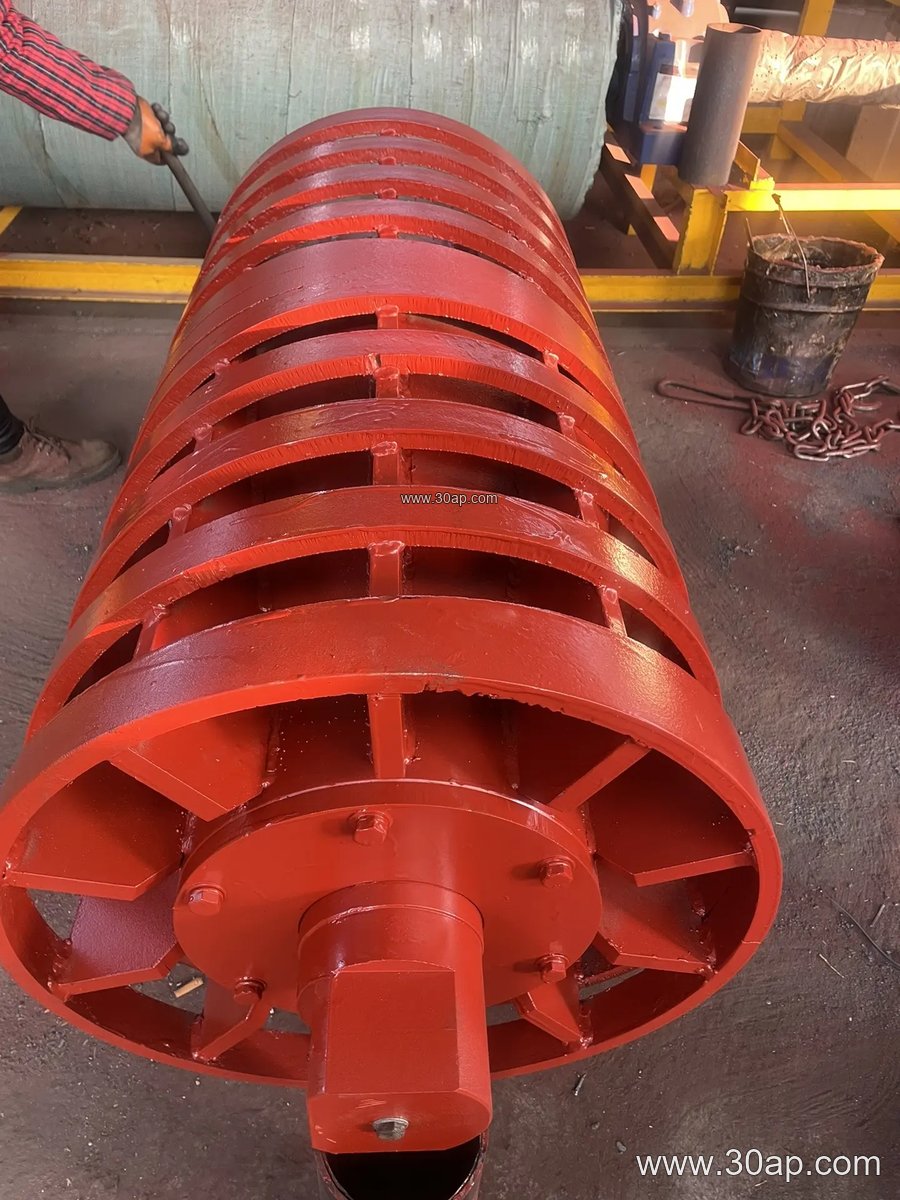
Most industrial conveyor pulleys consist of a cylindrical shell, end discs, a shaft, and bearing housings. The shell is usually made from steel tube or plate, machined for balance and concentricity. The shaft transmits torque and is sized according to load and torque requirements, not simply by belt width. Common shaft diameters include Ø50, Ø80, Ø120, and Ø160 mm, but final selection depends on the drive design and belt tension.
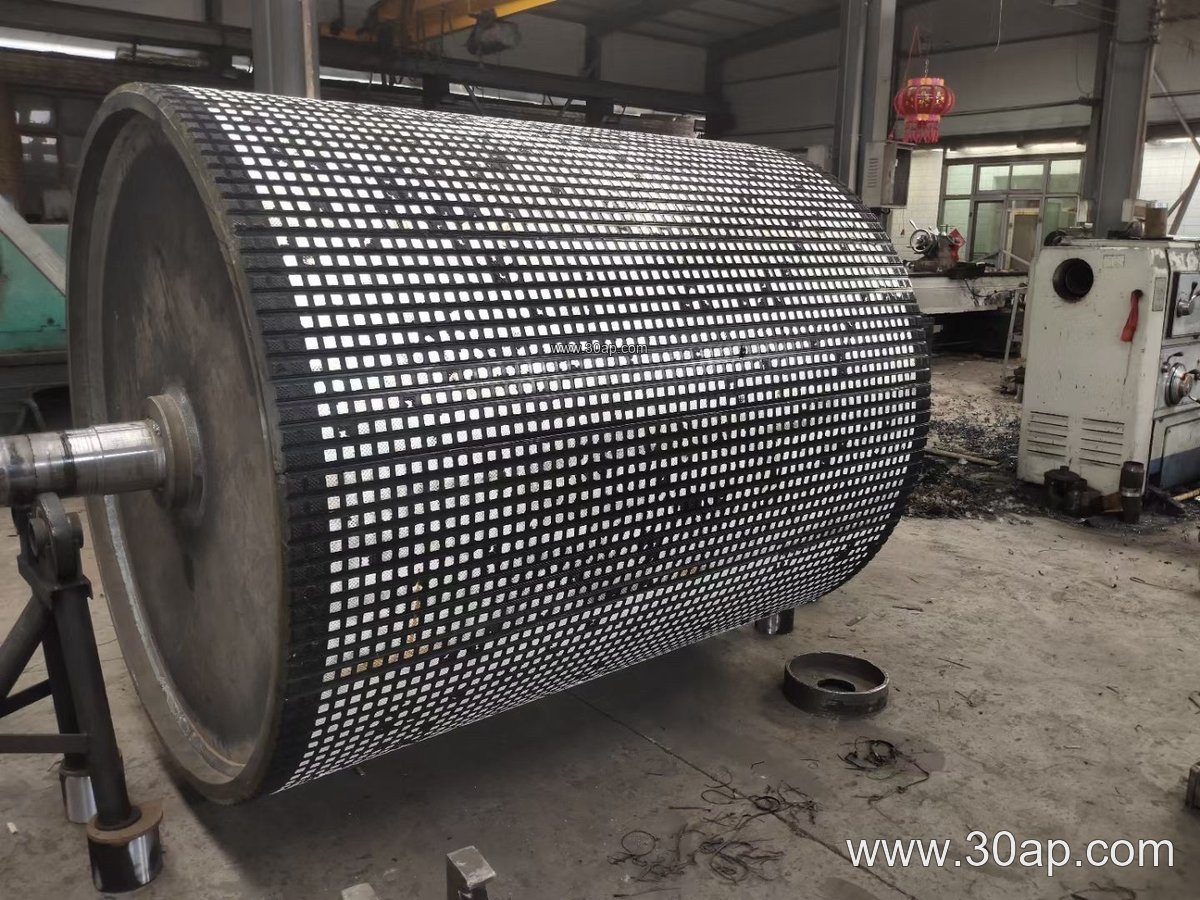
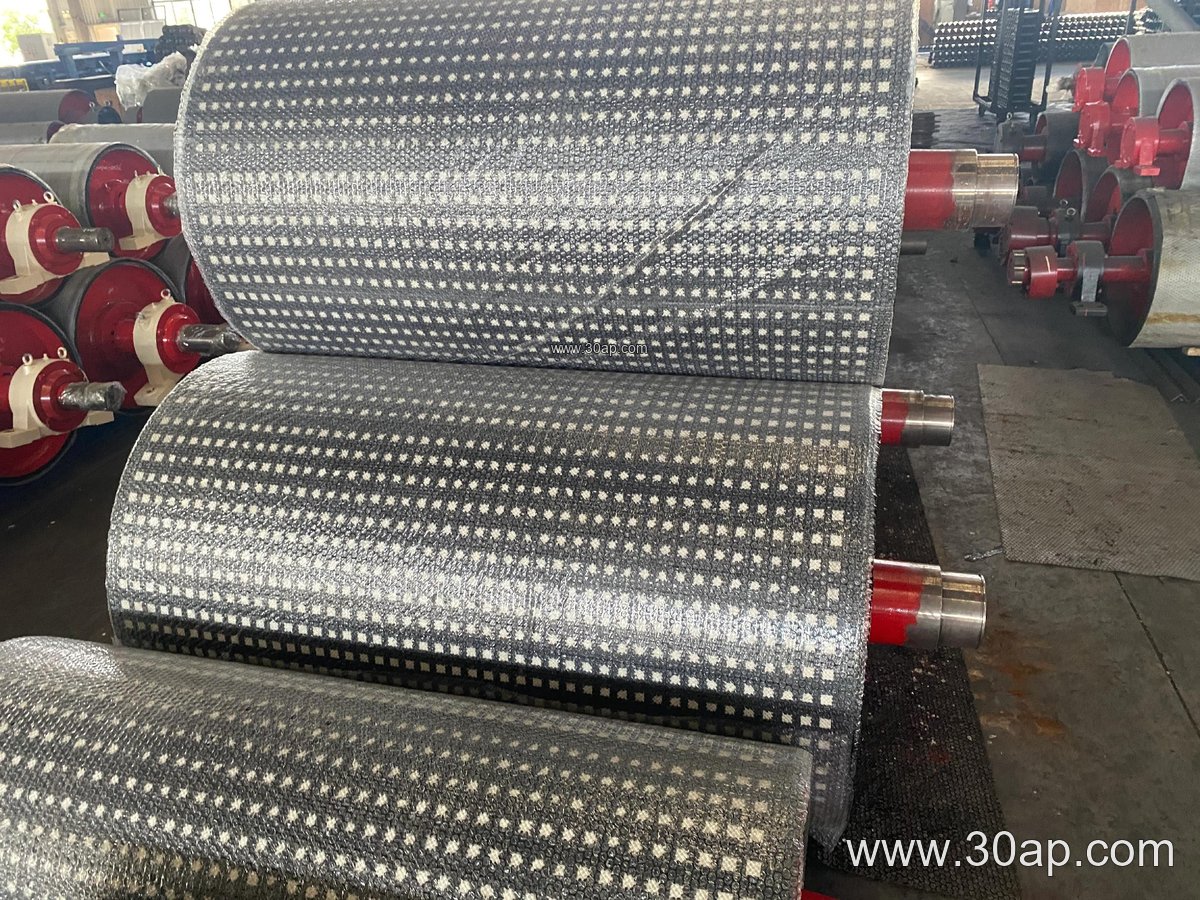
Surface treatment is critical for grip and wear protection. Plain (smooth) surfaces suit many tail or bend positions, while rubber lagging improves traction for drive pulleys. Lagging types include cold-bonded rubber, hot-vulcanized rubber, diamond grooving, herringbone pattern, and ceramic lagging. Lagging thickness commonly ranges from 8 mm to 20 mm, with 10 mm and 12 mm frequently used in general applications. The pulley face width is typically slightly wider than the belt; for example, a B800 belt often uses a pulley face around 950 mm, and a B1200 belt may use about 1400 mm. These are reference values, not fixed rules.
Main Types and Their Roles
Drive pulleys, also called head pulleys, transmit power to the belt and are usually lagged for grip. Tail pulleys at the loading end maintain belt tension and may be plain or lagged depending on conditions. Bend pulleys change belt direction in tensioning systems and are not interchangeable with drive or tail pulleys. Take-up pulleys, snub pulleys, and wing pulleys serve specific functions in belt path and cleaning. Electric pulleys integrate the motor inside the drum for compact layouts.
For comparison, a bend pulley may use a plain surface, while a drive pulley in a wet or dusty environment often benefits from diamond or ceramic lagging. The choice depends on belt tension, ambient conditions, and material being conveyed. A conveyor belt such as an EP Conveyor Belt or Steel Cord Conveyor Belt may require different pulley lagging to handle high tension or abrasive loads.
Matching Pulley to Belt and Application
Belt width and pulley diameter are related but not fixed pairs. A B650 belt might run on a Ø400 or Ø500 pulley, while a B1400 belt could use Ø800 or Ø1000, depending on tension and space. Common diameter series include Ø200, Ø315, Ø500, Ø630, Ø800, Ø1000, Ø1250, and Ø1400. Do not assume one belt width matches only one diameter. Shaft size should be determined by torque and load calculations, not by belt width alone.
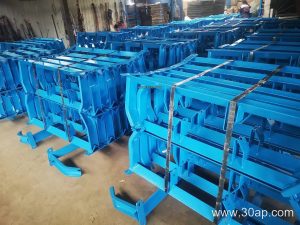
In a coal mine, a Flame Retardant Conveyor Belt may be paired with a lagged drive pulley to reduce slip risk. In a cement plant, heat-resistant belts may require pulleys with heat-tolerant lagging. For abrasive ore, a High Abrasion Resistant Conveyor Belt works with wear-protected pulleys to extend service life. The conveyor bracket and idler roller layout also affect pulley alignment and belt tracking.
Buyer Checklist for Industrial Conveyor Pulleys
- Confirm belt width, speed, and tension to select pulley diameter and shaft size.
- Choose lagging type based on grip needs, material buildup, and environmental conditions.
- Verify bearing type and housing compatibility with the conveyor bracket.
- Check pulley balance and concentricity for high-speed applications.
- Consider maintenance access for lagging replacement and bearing lubrication.
For harsh industries such as mining, quarrying, and power plants, a properly specified industrial conveyor pulley helps protect the conveyor belt and keep the line running. Whether the system uses an EP Conveyor Belt, NN Conveyor Belt, or Steel Cord Conveyor Belt, the pulley should be selected as part of the complete conveyor design, not as an afterthought.