What the ST3150 Conveyor Belt Is
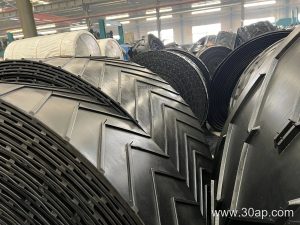
The ST3150 Conveyor Belt is a steel cord conveyor belt with a nominal tensile strength of 3150 N/mm per unit width. It belongs to the top end of the ST series, where ST1000, ST1250, ST1600, ST2000 and ST2500 occupy the lower and middle steps. In plants that move large tonnages over long distances, this belt is often the single component that determines how much material the whole system can carry.
Because the load-bearing element is steel cord rather than fabric plies, the belt stretches very little under tension. That low elongation is the main reason engineers specify a Steel Cord Conveyor Belt for main trunk lines in mines, cement works, power stations and port loading systems, where a few millimetres of extra stretch would disturb take-up travel and pulley alignment.
How the Belt Is Built
The carcass consists of parallel brass-plated steel cords embedded in a rubber core compound. A layer of transverse reinforcement usually sits above and below the cords to hold spacing and resist tearing. Cover rubber is bonded to both faces, and the grade of that cover matters as much as the cord strength.
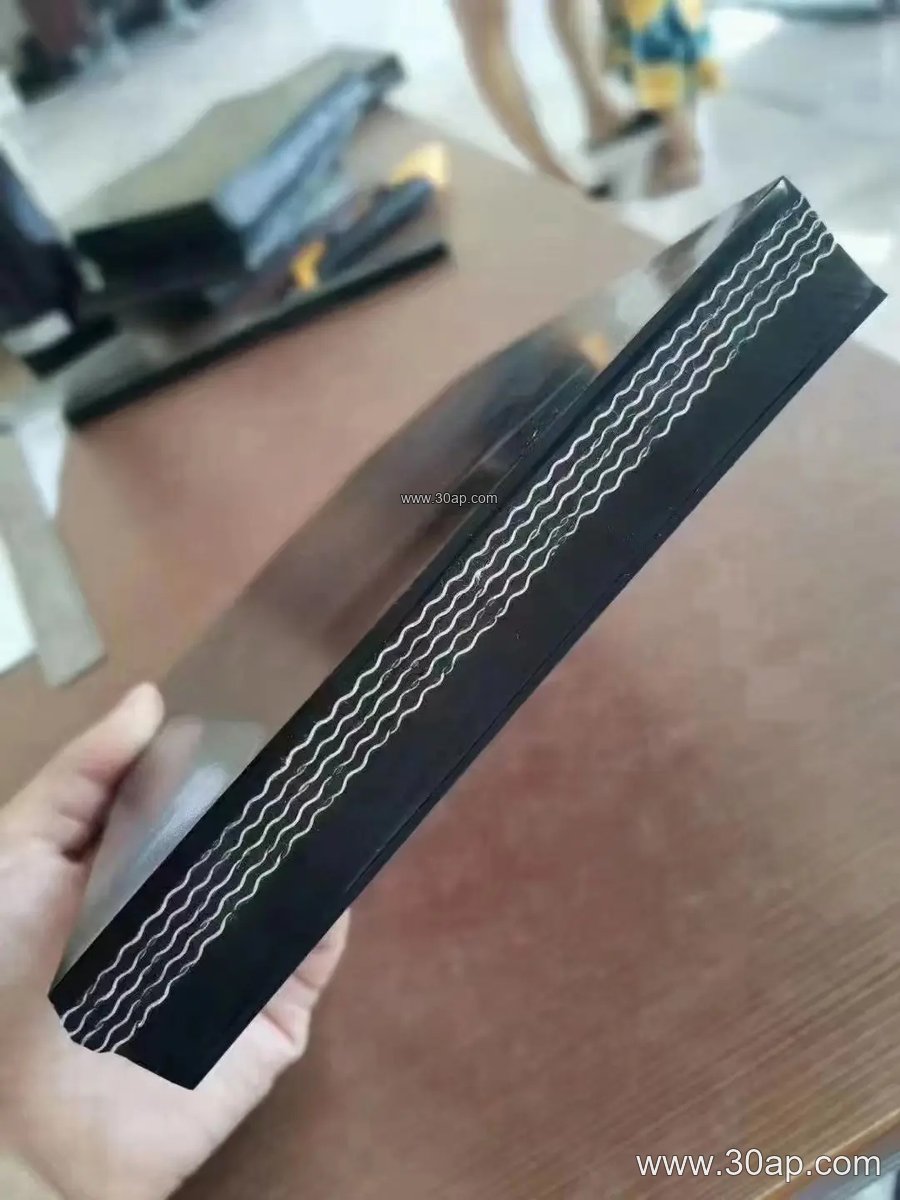
- Steel cord carcass for high tension and low stretch
- Top and bottom cover rubber in various thickness combinations
- Optional flame retardant, anti-static, heat resistant or abrasion resistant compounds
- Available as an Endless Conveyor Belt when splice quality and joint life are critical
Cover gauges are commonly quoted in pairs such as 6+2 mm, 8+3 mm or heavier for impact zones. These are reference figures, not universal specifications; the correct combination depends on lump size, drop height and the abrasive nature of the material.
Where It Fits in a Conveyor
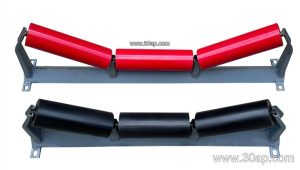
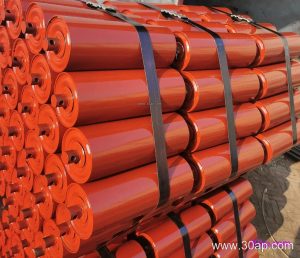
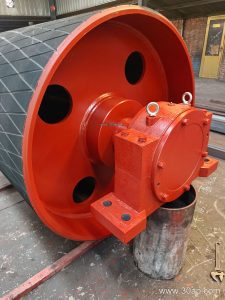
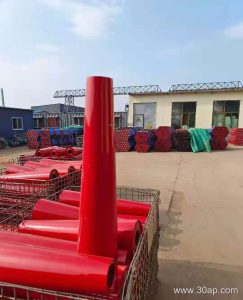
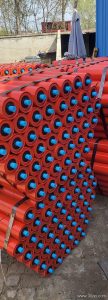
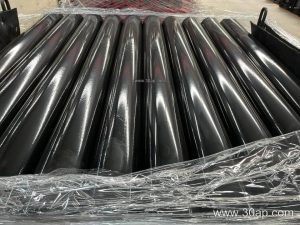
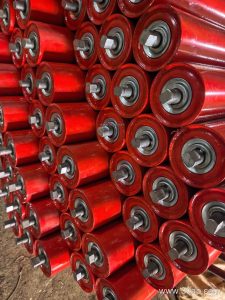
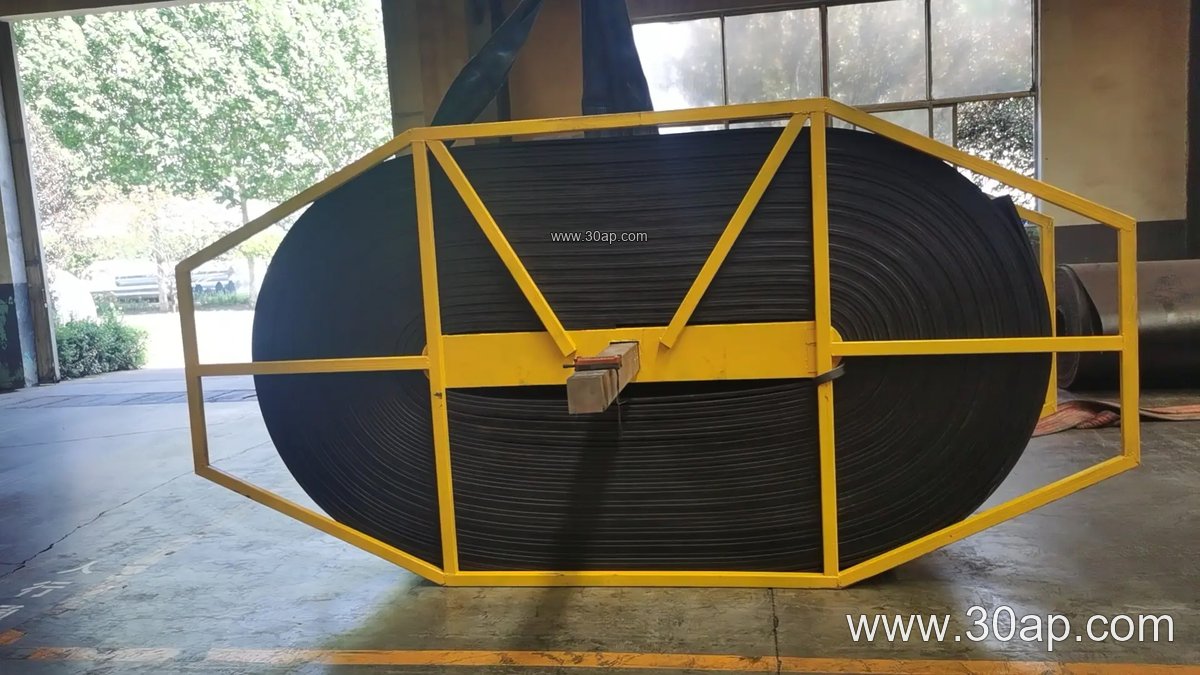
A belt of this class rarely works alone. The drive pulley transmits power, the tail pulley sets the return point, and bend pulleys guide the belt through transitions. Idler roller sets support both the carrying and return strands, while the conveyor bracket and frame keep everything aligned. A mismatch between belt stiffness and pulley diameter can shorten splice life, so the pulley layout should be reviewed together with the belt data sheet rather than chosen separately.
Typical duties include:
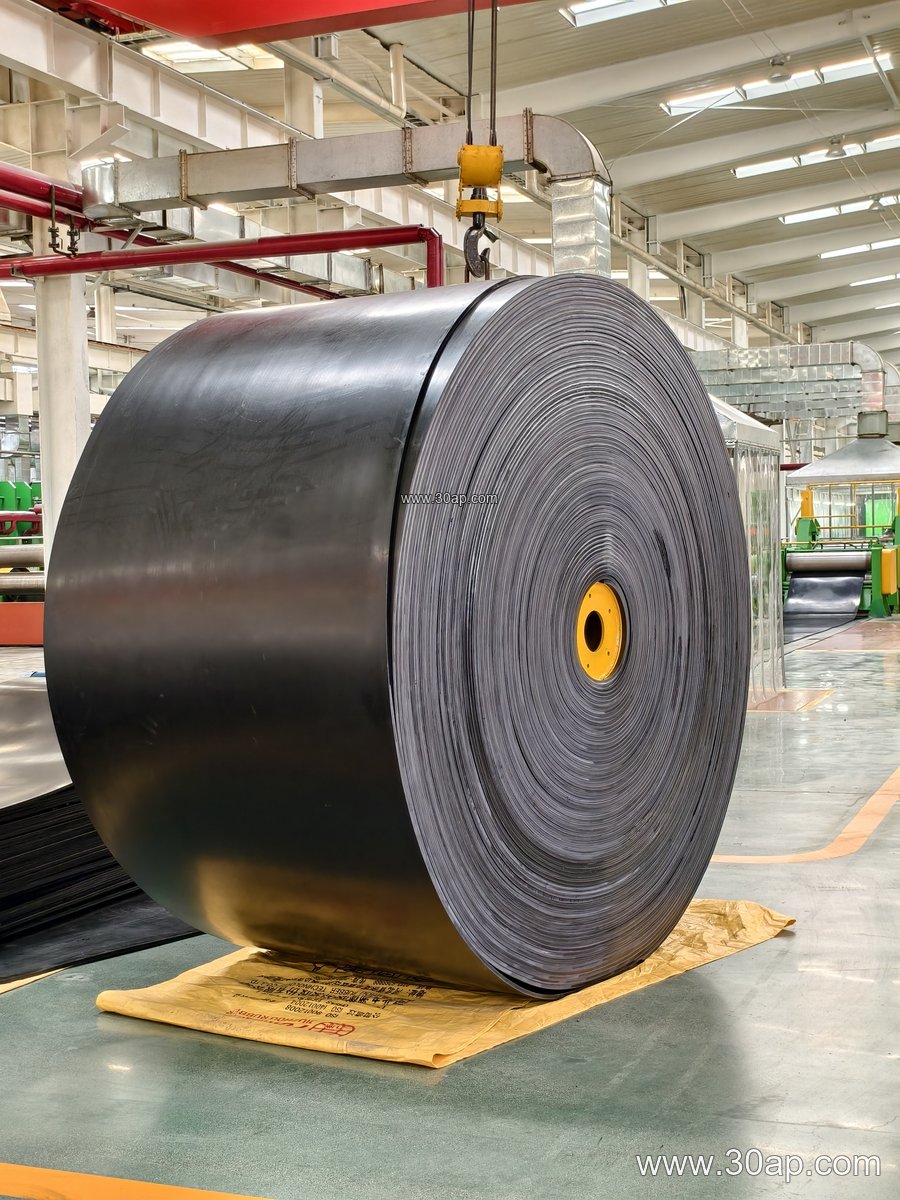
- Iron ore and copper ore transport in mining and mineral processing
- Coal handling in power plants and Coal Mining Conveyor Belt systems
- Limestone and clinker lines in cement plants
- Quarry and aggregate duty with sharp, heavy rock
- Ship loading and stockyard conveying at ports
For abrasive ore, a High Abrasion Resistant Conveyor Belt cover is often paired with the ST3150 carcass. In underground coal work, a Flame Retardant Conveyor Belt and Anti-Static Conveyor Belt construction is normally requested. Where material is hot, a Heat Resistant Conveyor Belt grade protects the cord-to-rubber bond.
Specification Points Buyers Should Check
Width and strength must be confirmed against the actual conveyor design, not assumed from a neighbouring line. Belt width may range from 800 mm up to 2000 mm or more on large installations, and no single width is tied to one pulley diameter. The table below shows how the ST family is usually scaled; values are indicative only.
| Parameter | Typical reference |
|---|---|
| Belt type | ST3150 Conveyor Belt (steel cord) |
| Nominal strength | 3150 N/mm |
| Width range | 800 mm, 1000 mm, 1200 mm, 1400 mm, 1600 mm, 1800 mm, 2000 mm |
| Cover thickness | 6+2 mm, 8+3 mm, heavier on request |
| Cover grades | Abrasion resistant, heat resistant, flame retardant, oil resistant, cold resistant |
| Splice style | Vulcanised step splice or endless |
Ask for the cord pitch, cord diameter and recommended minimum pulley diameter from the manufacturer. These details decide whether the belt can be spliced on site and how the take-up should be set.
Selection and Maintenance Notes
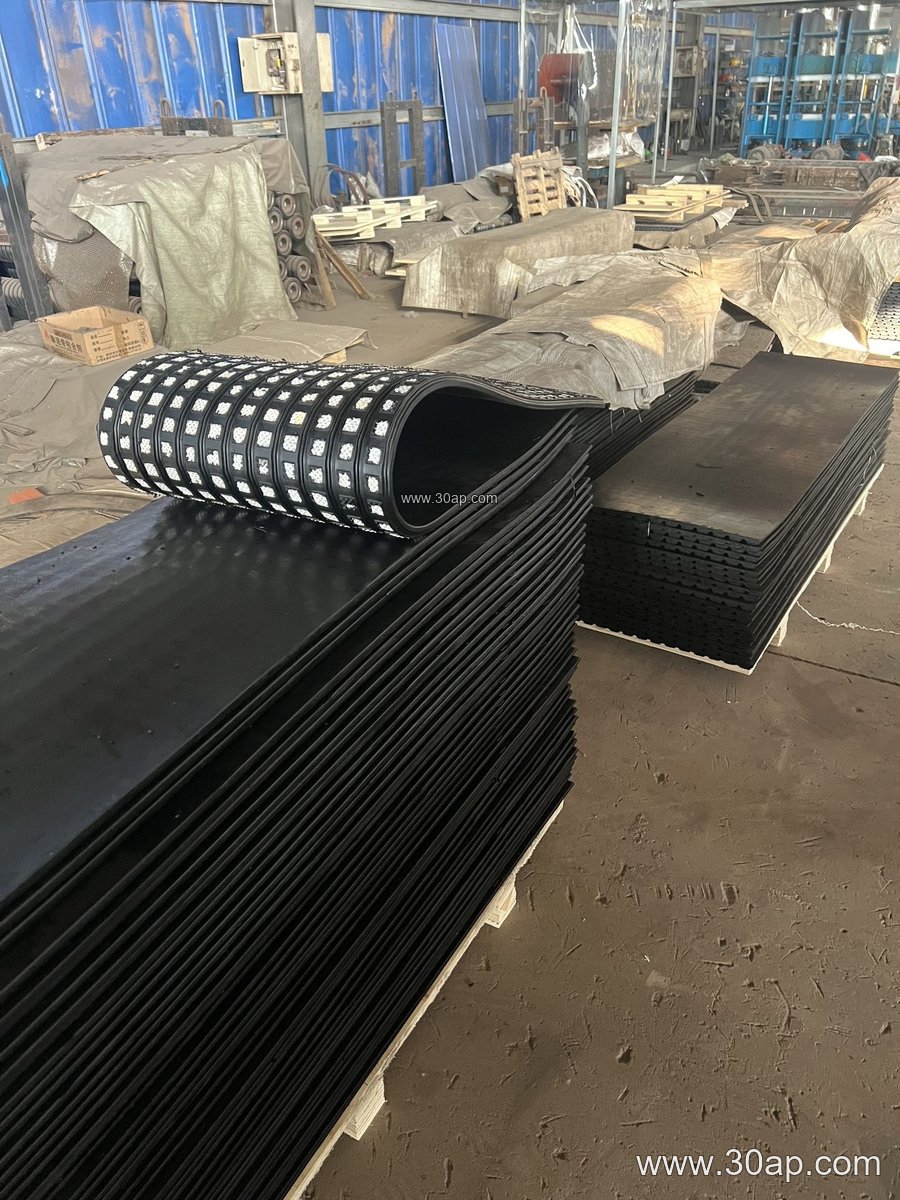
Do not size the belt by strength alone. Impact energy at the loading point, material temperature, moisture and the number of start-stop cycles all influence cover choice and splice design. On a long overland route, a Steel Cord Conveyor Belt with an abrasion resistant cover may last longer than a cheaper belt that needs frequent patching. Where fine dusty material is handled, anti-static properties also deserve attention.
During operation, watch for cord exposure at the edges, cover gouges near the loading chute, and tracking drift that loads one side of the idler roller. Regular inspection of the conveyor pulley lagging and splice area prevents small faults from becoming belt failures. Keep a spare length and a trained splice crew available, because a stopped main line is costly in any mine, cement plant or power station.
For a full range of belts, rollers and pulleys, see the product pages at Steel Cord Conveyor Belt, conveyor pulley and idler roller.