What an EP Conveyor Belt Is
An EP conveyor belt is a fabric core belt built on polyester (E) warp yarns and polyamide (P) weft yarns. The carcass gives the belt its tensile strength and its ability to trough and track, while the rubber covers protect the fabric from the material being carried. Because the two fibre directions behave differently, an EP belt usually combines low stretch along the length with good resistance to impact and tearing across the width. In everyday plant language it is often called an EP rubber conveyor belt or simply an EP fabric core conveyor belt, and it sits alongside the NN conveyor belt as one of the two common fabric core families.
The name is usually followed by a number such as EP200 or EP630, which refers to the nominal tensile strength of the carcass in newtons per millimetre of belt width. A higher number means a stronger carcass, not necessarily a heavier or thicker belt overall.
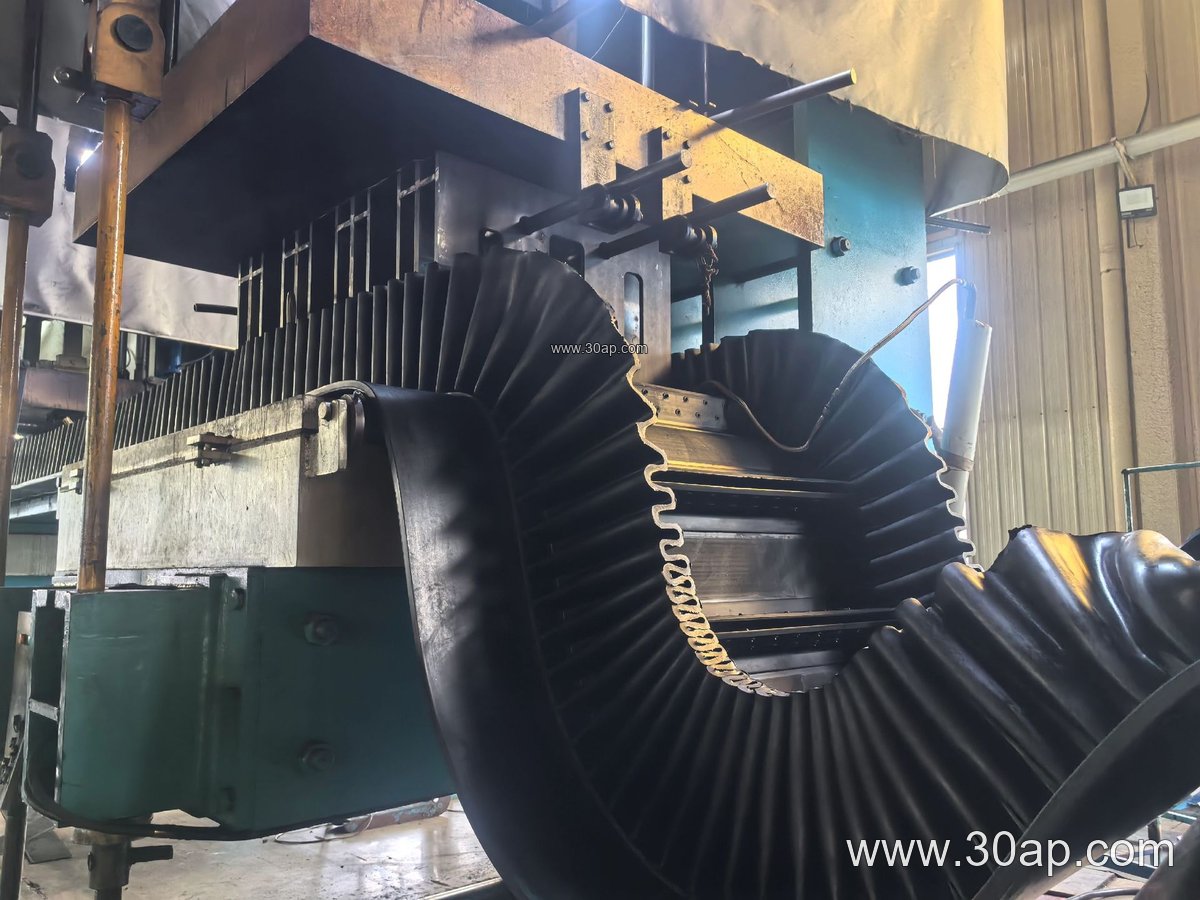
How the Belt Is Built
A typical construction stacks several layers of EP fabric, known as plies, and bonds them with rubber skim compound. Covers are applied to the carrying side and the pulley side in different thicknesses, often written as a pair such as 4+2 mm or 6+2 mm. The belt edges may be cut and sealed or moulded, depending on the manufacturer and the duty.
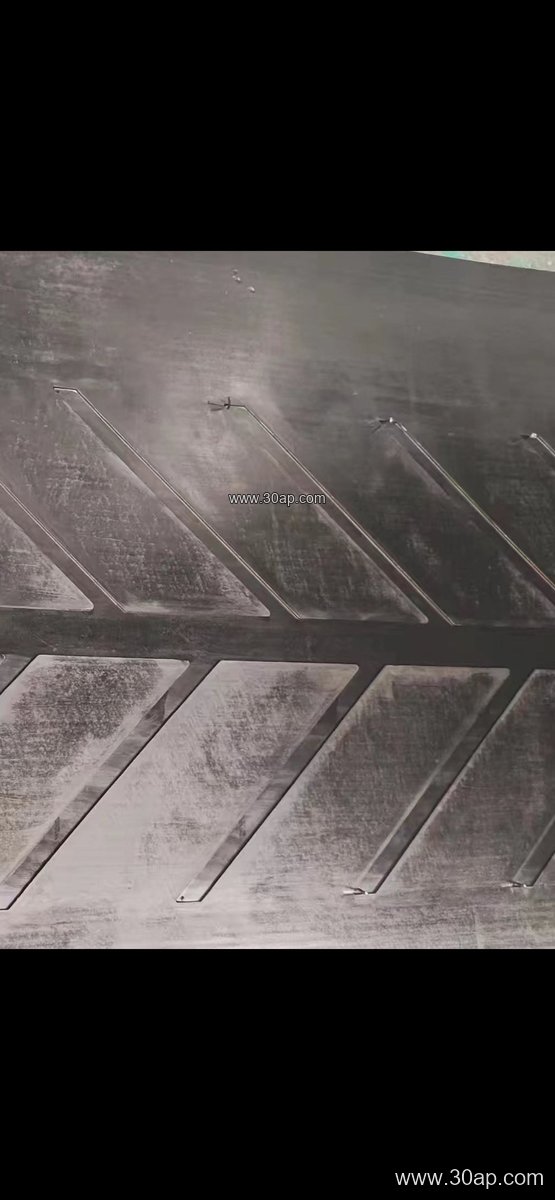
- Carcass: usually 2 to 6 plies of EP fabric, depending on the required strength.
- Top cover: thicker where material is abrasive, hot or sharp.
- Bottom cover: often thinner, sized for pulley contact and wear.
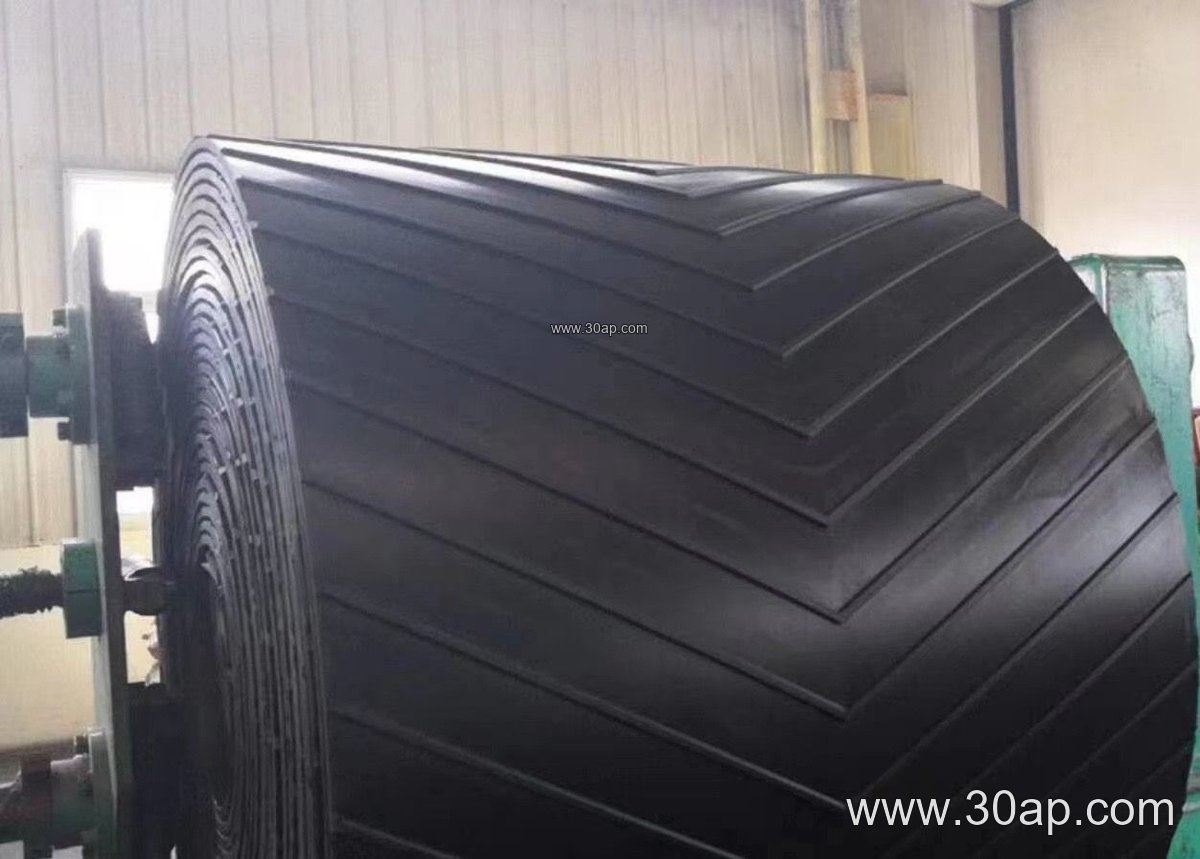
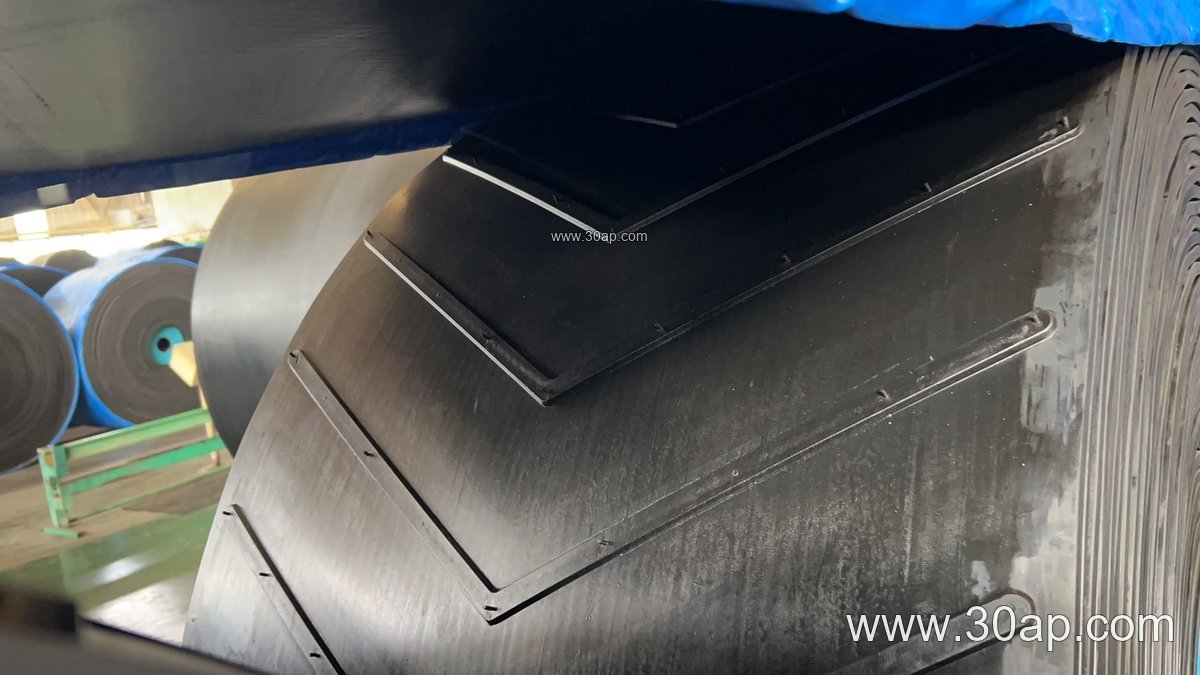
- Optional features: flame retardant, anti-static, heat resistant or oil resistant compounds, chevron ribs, or corrugated sidewalls.
Belt thickness is often quoted in millimetres, for example an EP conveyor belt, 10 mm thick, but the exact figure depends on ply count and cover grades. Buyers should ask for the ply construction and cover thickness rather than relying on a single overall number.
Common Strength Grades and Widths
The table below shows typical reference values used when specifying an EP belt. These are common industry ranges, not fixed promises from any one supplier.
| Parameter | Common reference values |
|---|---|
| Carcass grade | EP200, EP315, EP400, EP500, EP630, EP800, EP1000, EP1250, EP1600, EP2000 |
| Belt width | B500, B650, B800, B1000, B1200, B1400, B1600, B1800, B2000 |
| Cover thickness | 3+1.5, 4+2, 5+2, 6+2, 8+3 mm |
| Ply count | 2 to 6 plies, by design |
Wider belts such as 1200 mm, 1400 mm or 1600 mm are common on main haulage lines in mines and large aggregate plants, while narrower widths suit transfer and feeder positions. Belt width and pulley diameter are matched through the conveyor design, so a given width does not dictate one shaft size.
Where EP Belts Are Used
The combination of moderate stretch, impact tolerance and reasonable cost makes the EP belt a frequent choice in bulk handling. Typical duties include:
- Mining and coal mining conveyor belts on surface and underground lines, where flame retardant and anti-static grades are often specified.
- Quarry and aggregate conveyor belts moving crushed rock, sand and gravel.
- Cement plant and power plant conveyors handling clinker, limestone, coal and ash.
- Port, ship loading and stockyard conveyors for ore and bulk material.
- Crusher discharge and screen feed belts, where impact resistance matters.
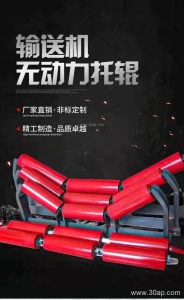
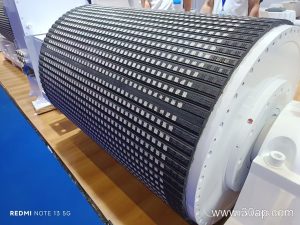
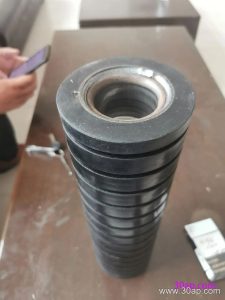
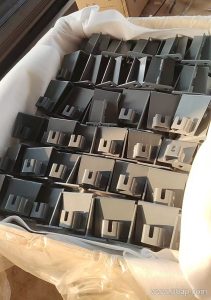
In these installations the belt works with conveyor pulleys at the drive and tail ends, idler rollers along the carry and return runs, and conveyor brackets that hold the structure together. Belt selection should always consider the whole system, not the belt alone.
Choosing Between EP and Other Constructions
For very long, high-tension lines, a steel cord conveyor belt may be preferred because it limits elongation. Where higher strength is needed at lower cost, an NN conveyor belt is another fabric option. An EP fabric core conveyor belt generally offers better dimensional stability than an all-nylon carcass, which is why it is common on long inclined runs. Specialised duties call for specialised covers: a heat resistant conveyor belt for hot clinker or sinter, an abrasion resistant conveyor belt for sharp rock, a flame retardant conveyor belt or fire resistant conveyor belt for coal, and an oil resistant conveyor belt for oily scrap or biomass.
What a Buyer Should Check
Before ordering, confirm the carcass grade, ply count, cover thickness and cover grade against the actual duty. Ask how the belt will be joined, since an endless conveyor belt made in the factory differs from one spliced on site. Check pulley diameters and idler spacing with the conveyor designer, because a stiff carcass on small pulleys can shorten belt life. For underground coal work, confirm the required flame retardant and anti-static properties in writing. Finally, store belts on a dry, flat surface away from sunlight and ozone sources, and inspect splices and edges regularly once running.