What an Impact Resistant Conveyor Belt Is
An impact resistant conveyor belt is a heavy-duty rubber belt built to absorb the shock of large, sharp or fast-falling material at transfer points. In mines, quarries, cement plants, power stations and sand and gravel yards, rock and ore often drop from a crusher or chute directly onto the belt. A standard belt may cut, gouge or split under that load, while an impact resistant conveyor belt uses a tougher cover and a reinforced carcass to spread the force and keep running.
The product is also called a shock-absorbing belt or heavy-duty impact belt. It remains a fabric or steel cord belt at heart; the impact resistance comes from the cover compound and the breaker layer, not from a different conveyor concept.
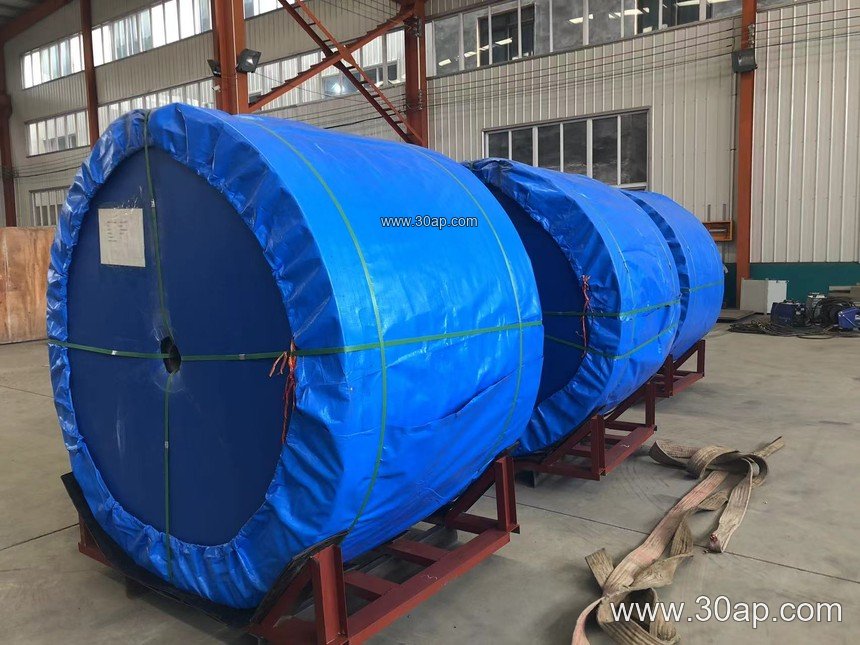
How the Belt Is Built
The structure usually combines three elements. First, a thick top cover rubber, often with high abrasion resistance, takes the direct hit. Second, an impact breaker layer, commonly a woven fabric or steel mesh, sits under the cover to spread point loads. Third, a strong carcass carries the tension along the conveyor.
- Cover rubber: commonly 5+2 mm, 6+2 mm or 8+3 mm for heavy drop points.
- Breaker layer: extra fabric or mesh placed below the top cover.
- Carcass: EP fabric, NN fabric or steel cord, selected by load and distance.
- Edge protection: thicker edges help resist tearing at chute corners.
An EP conveyor belt carcass is a common choice because it balances strength and flexibility. For very long runs or high tension, a steel cord conveyor belt may be used, and the breaker layer is still added where impact is severe.
Typical Working Conditions
These belts are common in mining, coal preparation, cement production, power plant coal yards, iron ore and copper ore handling, and aggregate plants. A primary crusher discharge is a classic duty: lump size can be large and fall height significant.
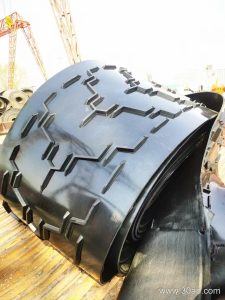
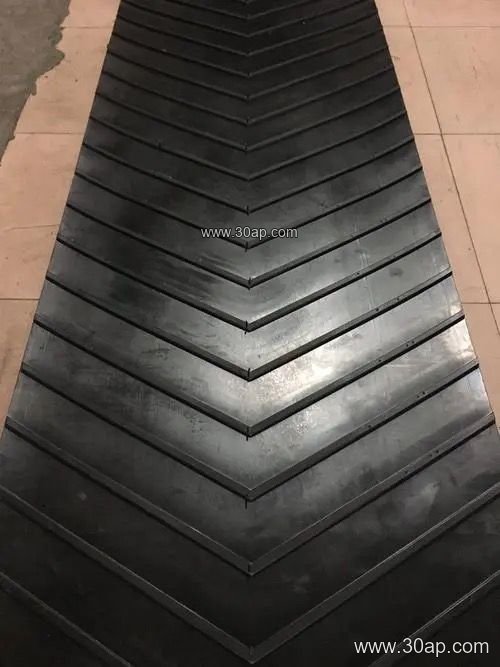
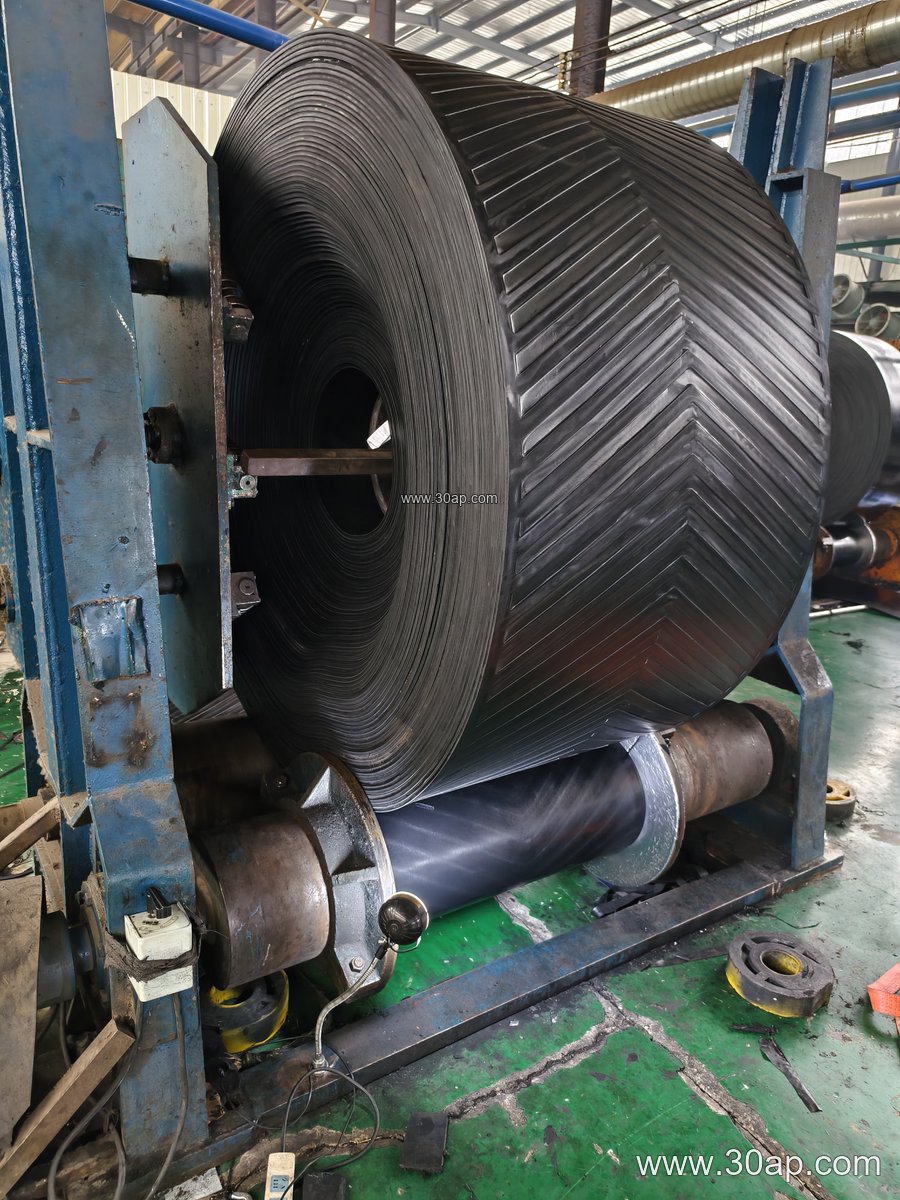
At the same time, the belt may need other properties. Underground coal mining often asks for flame retardant and anti-static grades. Cement and clinker lines may need heat resistance. Quarries handling wet stone may prefer a chevron or patterned surface to stop material rolling back. The impact grade and these features are usually combined in one specification rather than chosen separately.
Common Specifications
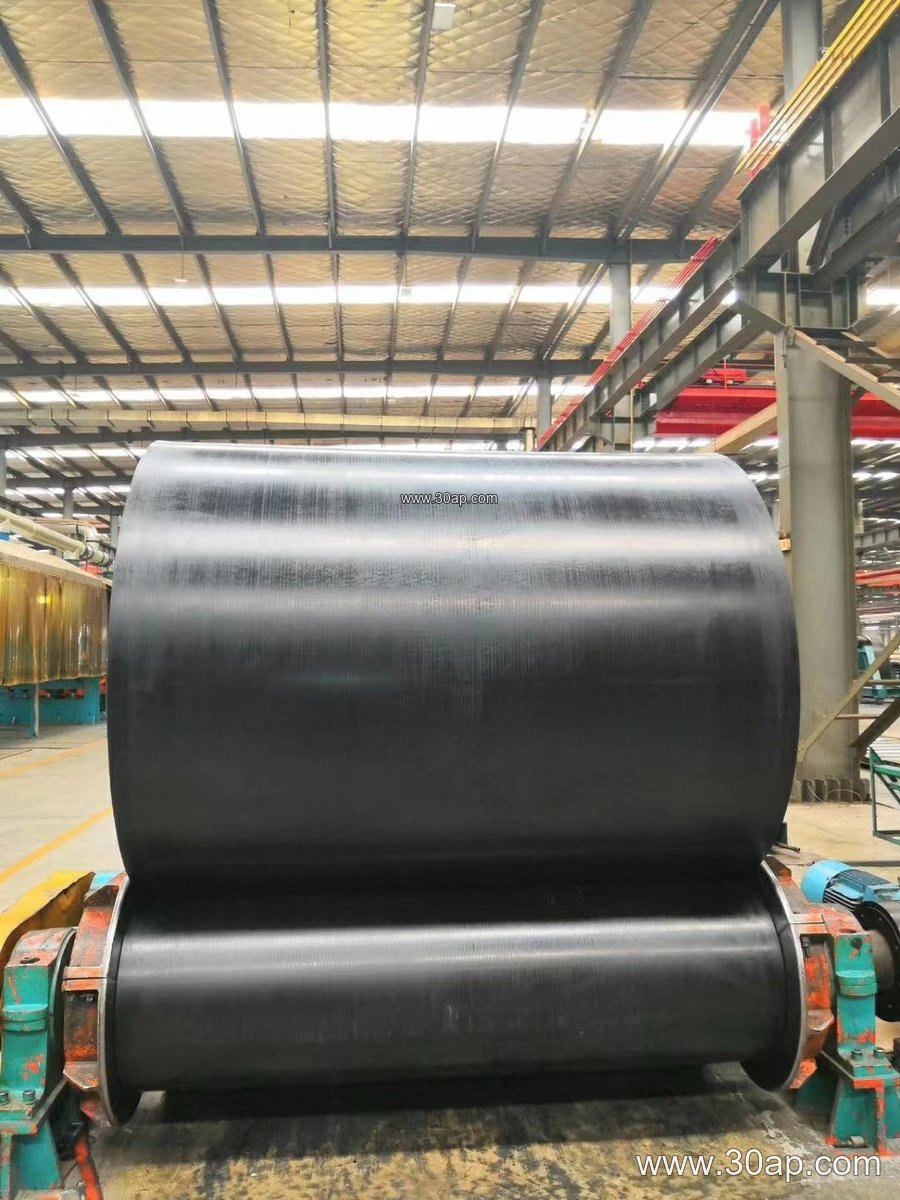
Buyers normally define width, carcass grade, cover thickness and any special property. The table below shows reference values; actual supply is set by design and manufacturer.
| Parameter | Typical reference values |
|---|---|
| Belt width | B650, B800, B1000, B1200, B1400, B1600, B1800, B2000 |
| EP carcass grade | EP200, EP315, EP400, EP500, EP630, EP800, EP1000, EP1250 |
| NN carcass grade | NN100, NN200, NN300, NN400 |
| Steel cord grade | ST1000, ST1250, ST1600, ST2000 |
| Cover thickness | 4+2, 5+2, 6+2, 8+3 mm |
| Fabric plies | 2 to 6 layers, depending on duty |
For example, an EP1000 belt at 1200 mm width with a 6+2 mm cover is a common combination for a crusher discharge, but it is not a rule. A 650 mm or 800 mm narrow belt can also be built with the same impact structure for a smaller plant.
Selection Points for Buyers
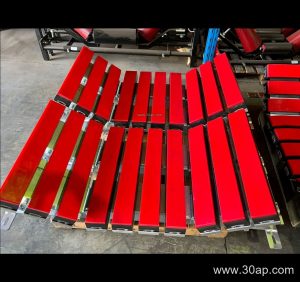
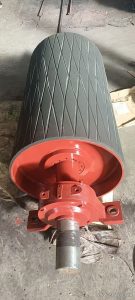
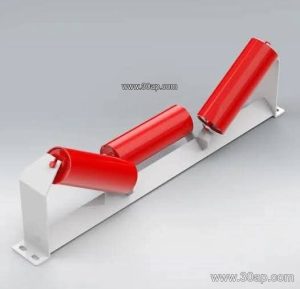
Give the belt supplier the material type, maximum lump size, drop height, throughput and the distance between the feed point and the first idler roller. These details decide the breaker layer and cover thickness. Check that the conveyor pulley and conveyor bracket at the tail end can handle the extra belt weight, and confirm the idler roller spacing under the loading zone, since closely spaced impact idlers reduce stress on the belt.
Also state the environment: coal mine, cement kiln area, port terminal or recycling line. If the belt must be flame retardant, oil resistant, cold resistant or abrasion resistant, mention it at inquiry stage so the compound is matched to the job. A skirted or corrugated sidewall design may be needed if material must be contained on steep inclines.
Installation and Care
Correct transfer chute design matters as much as the belt. Avoid sharp lips and high free fall; use baffles or rock boxes to cushion the drop. Keep impact idlers in good condition and check the loading zone for trapped metal or spillage. Track belt wear at the edges and under the chute, and retension according to the manufacturer’s guidance. With sensible loading and maintenance, an impact resistant conveyor belt gives long service in demanding mining, cement and aggregate operations.