What the ST2500 Conveyor Belt Is
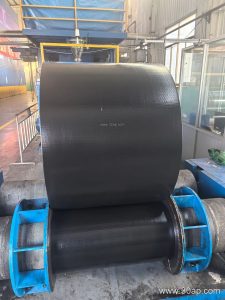
The ST2500 conveyor belt is a steel cord conveyor belt built for demanding bulk material handling. The designation refers to a nominal tensile strength class of 2500 N/mm, placing it among the higher-strength steel cord belts used when a single long run must carry heavy loads with limited stretch. It is a steel cord core belt, distinct from fabric-reinforced constructions such as EP or NN nylon belts, and it is typically chosen where high tension, long center distances, or steep capacity requirements make fabric belts impractical.
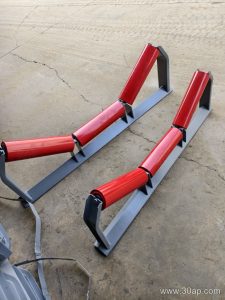
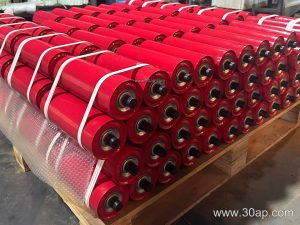
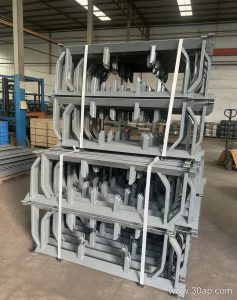
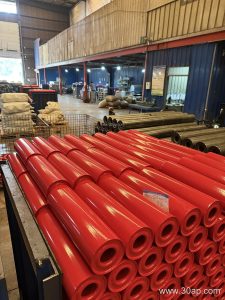
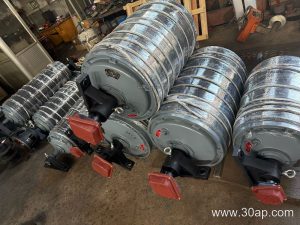
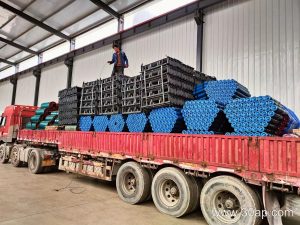
In a typical conveyor system, the ST2500 belt works together with conveyor pulleys, idler rollers, and conveyor brackets that support and guide the belt along its route. Each of these components has its own role, and the belt specification should be matched to the pulley and idler arrangement rather than treated in isolation.
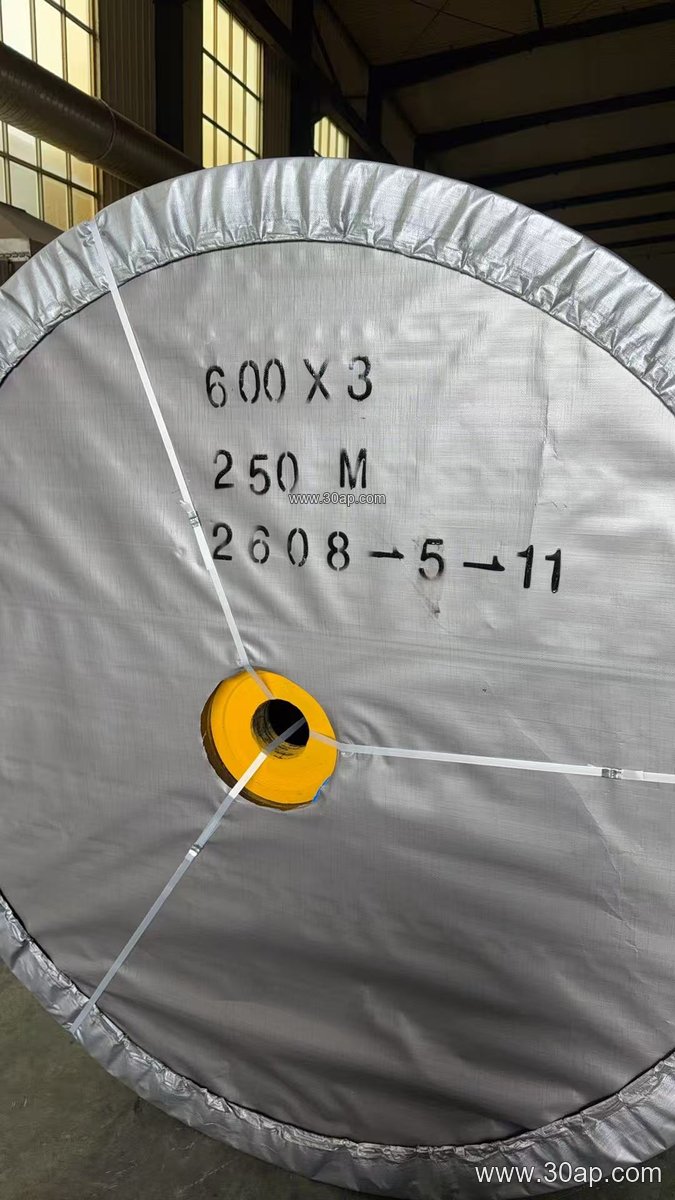
Construction and Build
The core of the ST2500 belt is a layer of parallel steel cords embedded in rubber. These cords carry the tension load, while the top and bottom cover rubbers protect the core from abrasion, impact, and moisture. Cover thickness is usually stated as a top and bottom pair, for example 6+2 mm or 8+3 mm, and the grade of cover rubber is selected to suit the working environment.
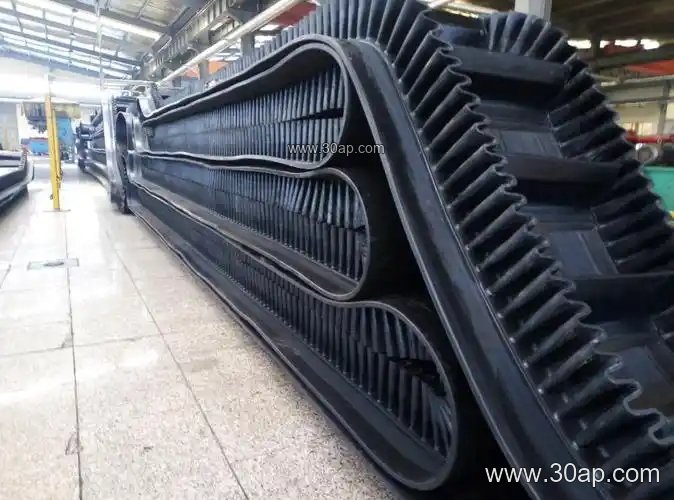
Common cover options include abrasion-resistant, heat-resistant, oil-resistant, flame-retardant, antistatic, and cold-resistant compounds. For special handling needs, patterned surfaces such as herringbone or chevron profiles can be considered, though these are separate design choices and not part of the basic ST2500 specification.
Typical Reference Parameters
The values below are common reference points only. Actual specifications are confirmed by the manufacturer and the conveyor design.
- Strength class: ST2500 (nominal 2500 N/mm)
- Belt widths: B800, B1000, B1200, B1400, B1600, B1800, B2000
- Cover thickness examples: 6+2 mm, 8+3 mm
- Cover grades: abrasion-resistant, heat-resistant, oil-resistant, flame-retardant, antistatic, cold-resistant
Width and Cover Reference Table
| Item | Reference Range | Notes |
|---|---|---|
| Belt width | B800 to B2000 | Selected by capacity and conveyor design |
| Top cover | 6 mm, 8 mm | Thicker cover for abrasive or impact loads |
| Bottom cover | 2 mm, 3 mm | Matched to pulley contact and support |
| Core | Steel cord | Tension carried by parallel cords |
Belt width does not dictate a single pulley diameter. Pulley sizing depends on the cord construction, belt tension, and the conveyor engineer’s design, so a given width may work with different pulley diameters in different installations.
Where It Is Used
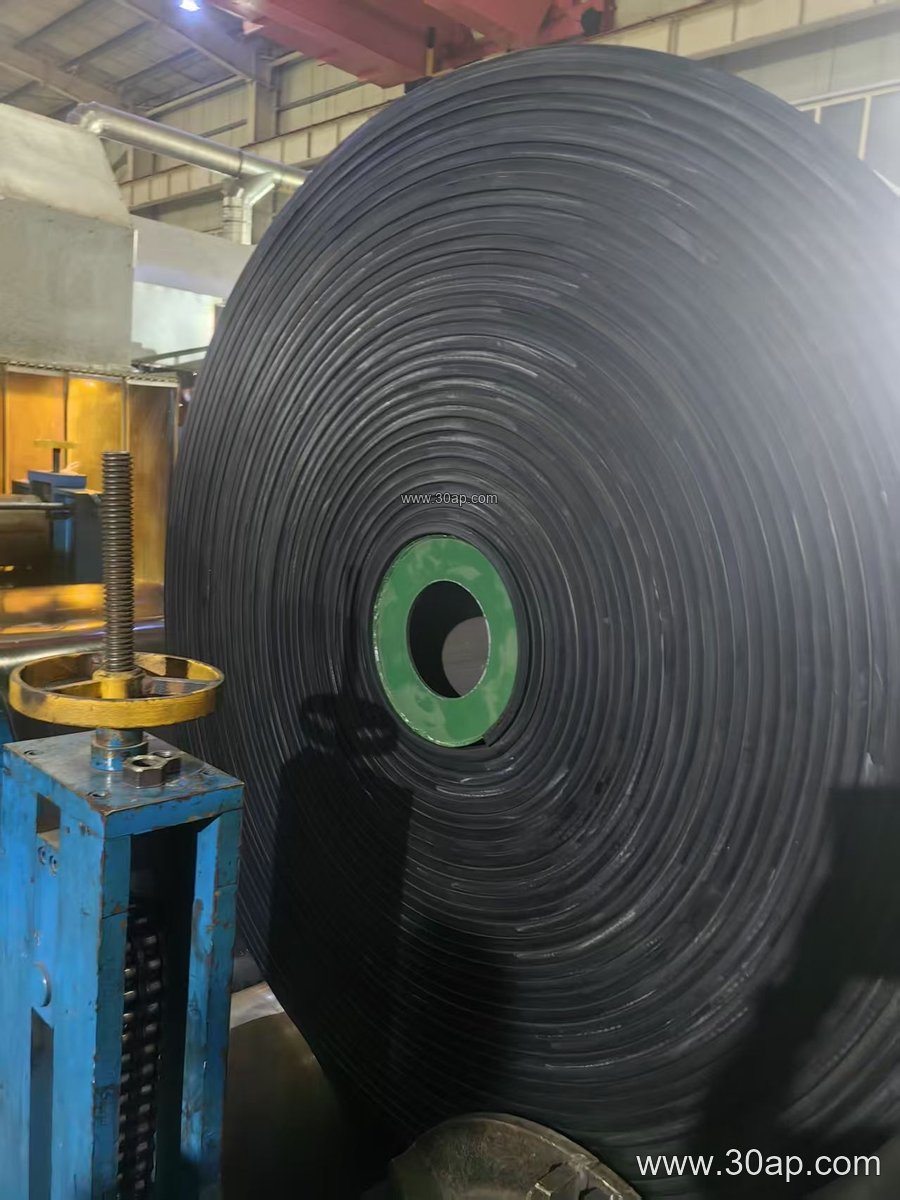
Steel cord belts of this strength class appear in mines, coal preparation plants, cement works, power stations, and sand and gravel yards. Long overland conveyors, main haulage lines, and high-capacity transfer systems are typical duties. In these settings, the belt may run over conveyor pulleys at the head and tail, pass over bend pulleys, and rest on idler rollers spaced along the carrying and return sides. Conveyor brackets hold the idlers and pulleys in position and keep the structure aligned.
The choice between a steel cord belt and a fabric belt such as EP or NN nylon often comes down to tension and distance. Fabric belts suit shorter or lighter duties, while the ST2500 class is intended for heavier tension duty. The two are not interchangeable in a given design without recalculating the conveyor.
What Buyers Should Check
- Confirm the required strength class and whether ST2500 is the right match for the calculated tension.
- State the belt width, cover thickness, and cover grade for the actual material and environment.
- Provide the pulley diameters and idler spacing so the belt construction can be checked against them.
- Describe the material: lump size, temperature, moisture, oil content, and any flame or antistatic requirement.
- Ask about splicing method and whether the supplier supports joint preparation and field service.
- Plan inspection of covers and cords, and keep spare belt sections for emergency repair.
For coal mines and other hazardous areas, flame-retardant and antistatic covers are often requested, while cement and aggregate plants usually prioritize abrasion resistance. Heat-resistant grades suit clinker and sinter duties, and cold-resistant grades help in low-temperature yards. The final specification should be confirmed against the conveyor design and the supplier’s data sheet rather than assumed from the strength class alone.