What a 500mm Conveyor Belt Is
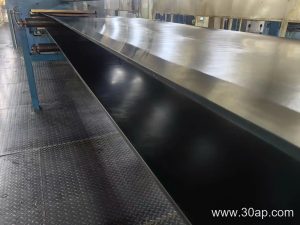
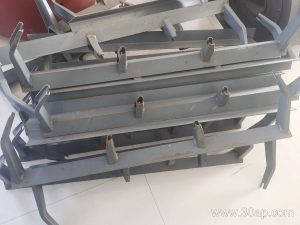
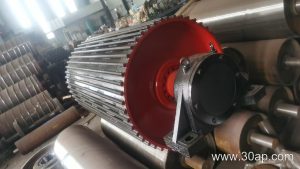
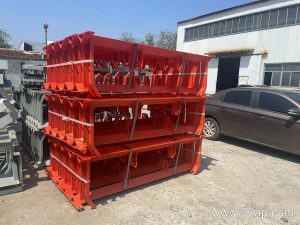
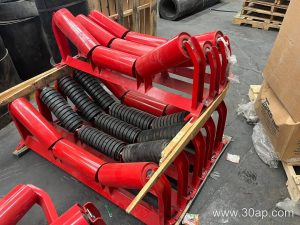
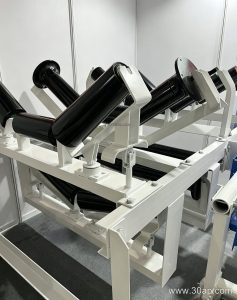
A 500mm conveyor belt is a belt with a nominal width of 500 millimeters, often written as B500 in specifications. It serves as the load-carrying surface on a belt conveyor and is a common choice for medium-capacity material handling in mines, coal preparation plants, cement works, power stations, and sand and gravel yards. The belt works together with idler rollers, conveyor pulleys, and conveyor brackets to form a complete conveying line.
This width sits at the smaller end of the common belt range, which also includes B650, B800, B1000, and wider sizes. A 500mm belt is not tied to one pulley diameter; drive pulleys, tail pulleys, and bend pulleys are selected by the conveyor designer based on belt tension, speed, and load, not by width alone.
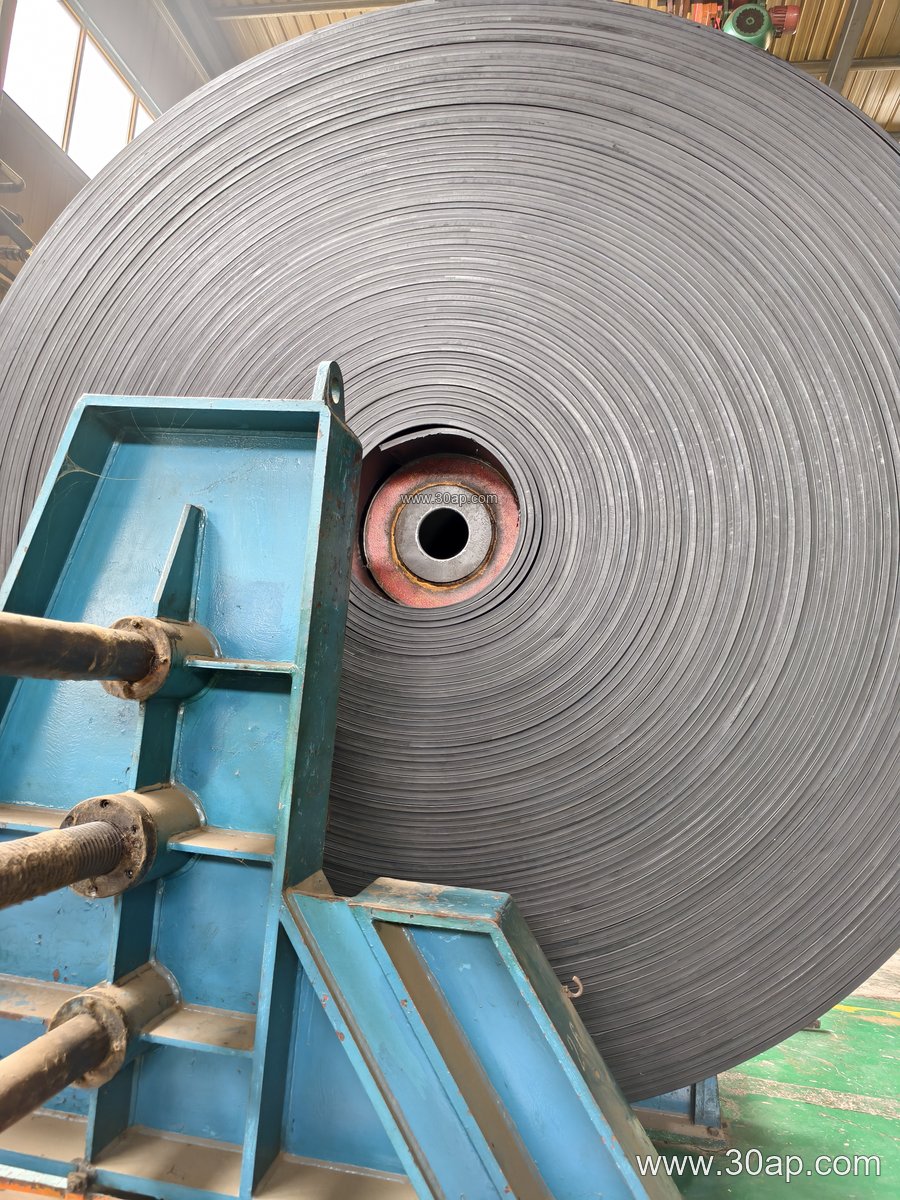
Construction and Common Specifications
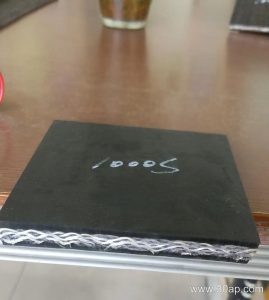
The belt is built around a carcass that carries tension and a rubber cover that protects the carcass from abrasion, impact, and the environment. Common carcass types include EP (polyester-cotton) fabric, NN nylon fabric, and steel cord, though steel cord belts are usually supplied in larger widths. For a 500mm belt, EP and NN constructions are widely used. Cover grades can be selected for wear resistance, heat resistance, oil resistance, flame resistance, antistatic behavior, cold resistance, and acid or alkali exposure.
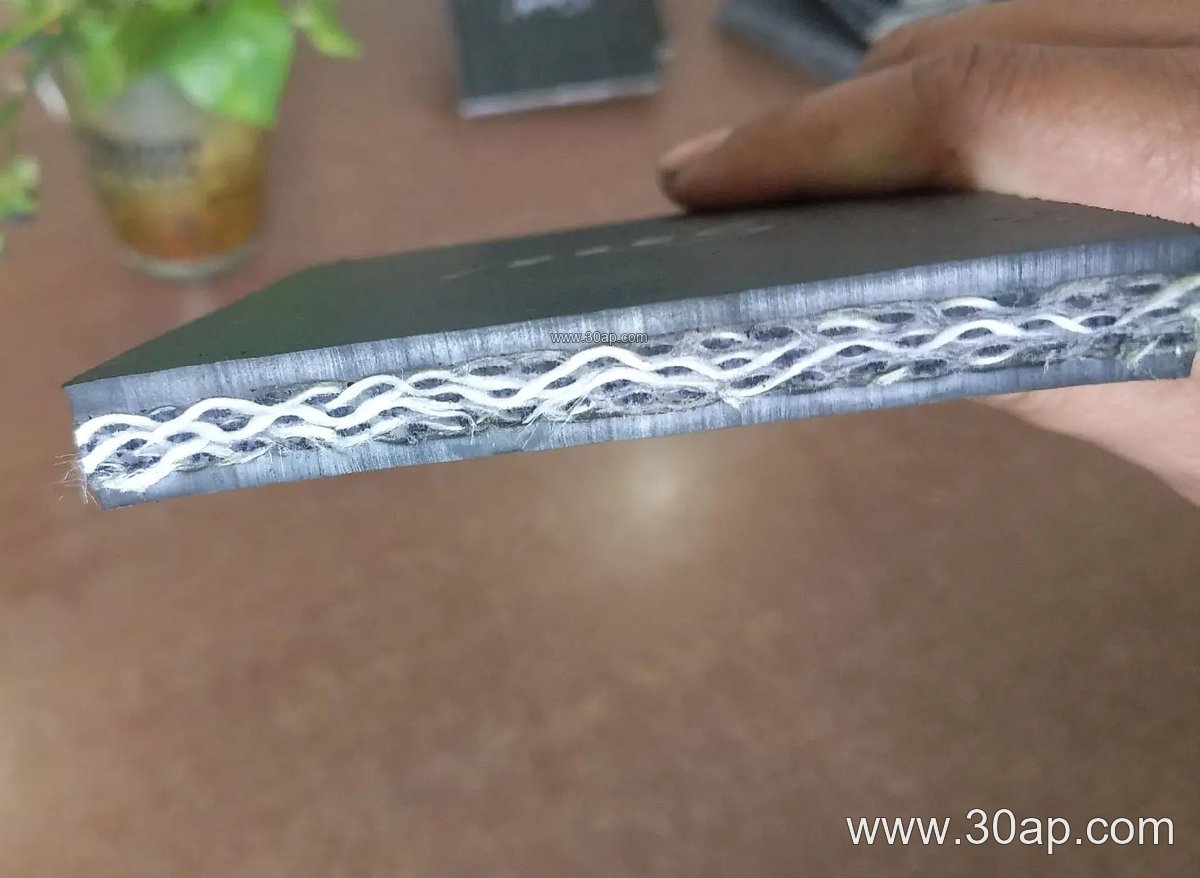
Typical reference data for this belt width are summarized below. These values are common examples, not fixed supply promises; actual construction is confirmed by the manufacturer and the conveyor design.
| Parameter | Common reference values |
|---|---|
| Belt width | 500 mm (B500) |
| Carcass type | EP fabric, NN nylon fabric |
| Strength grades (EP) | EP200, EP315, EP400, EP500, EP630 |
| Fabric layers | 2 to 6 layers, typically 3 to 5 for this width |
| Top cover thickness | 3 mm, 4 mm, 5 mm, 6 mm |
| Bottom cover thickness | 1.5 mm, 2 mm, 3 mm |
| Cover combinations | 3+1.5, 4+2, 5+2, 6+2 mm |
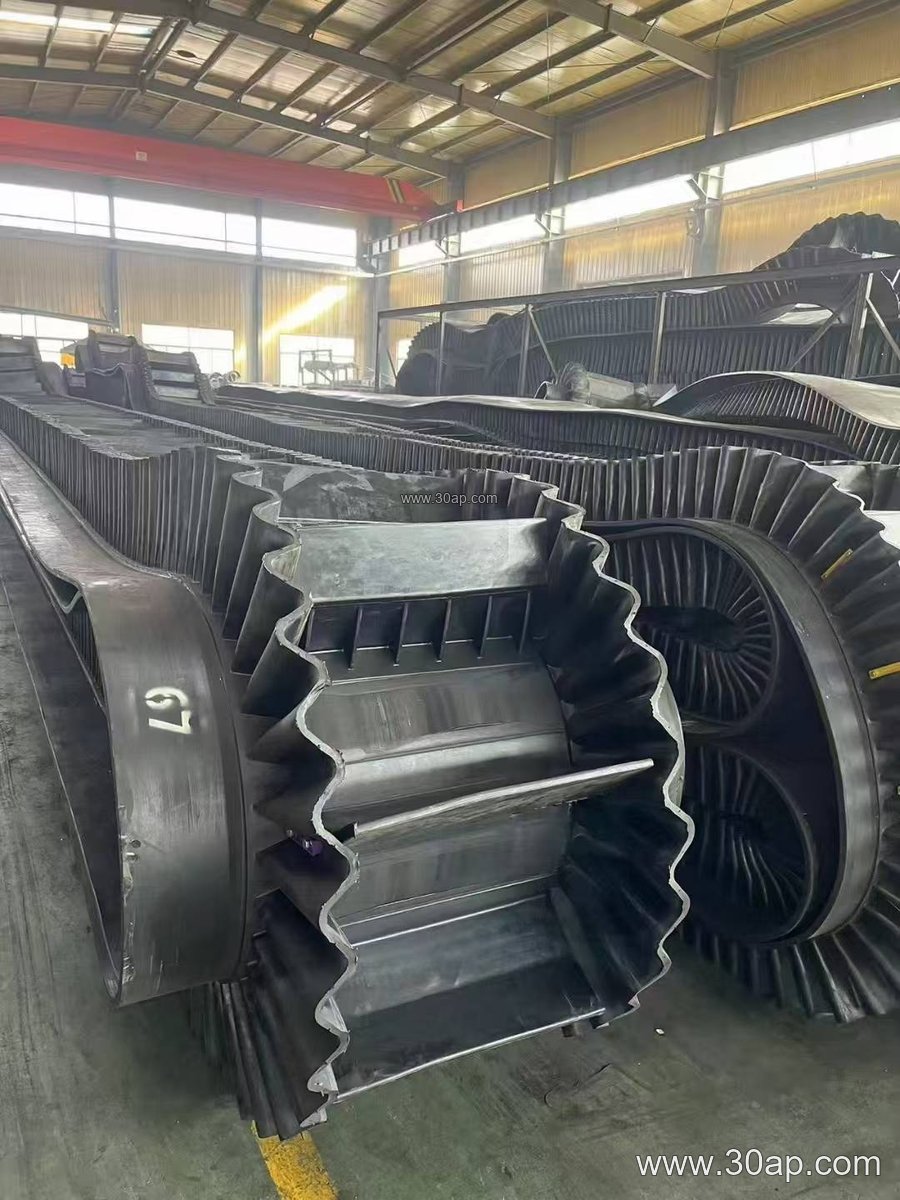
| Surface forms | Smooth, patterned, chevron, corrugated sidewall |
Where It Is Used
In mining and coal handling, a 500mm belt often feeds crushers, screens, and transfer points where the tonnage is moderate. In cement plants it may carry clinker, limestone, or additives along short-to-medium routes. Power plants use this width for coal and ash handling lines, while sand and gravel operations rely on it for aggregate transport. The belt is also found in smaller bulk terminals and industrial plants handling packaged or granular materials.
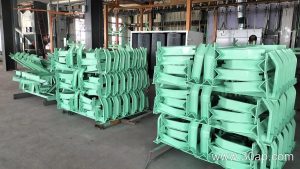
Because the belt is relatively narrow, it suits layouts with limited space and lighter structural frames. It still requires properly aligned idler rollers and well-matched conveyor pulleys to keep tracking stable. Conveyor brackets and frames should be sized to the belt width and the load, and the transition distance from the tail pulley to the first troughing idler should be set by the designer.
Selection and Maintenance Notes
Buyers should confirm the material being conveyed, lump size, temperature, moisture, and any fire or antistatic requirement before choosing a cover grade. The strength grade should be matched to the maximum belt tension, and the number of fabric layers should follow the manufacturer’s recommendation. For abrasive materials such as sand and clinker, a thicker top cover is often useful; for oily or chemical environments, a suitable resistant cover is chosen.
Installation and upkeep matter as much as the belt itself. Check idler rollers for seizure, keep pulleys clean and aligned, and inspect the belt edges for damage. A 500mm conveyor belt can deliver long service when the conveyor pulley diameters, take-up tension, and loading conditions are set correctly for the duty.