What a Conveyor Belt Pulley Does on a Belt Conveyor
A conveyor belt pulley is the rotating drum that carries, drives, tensions, or redirects the belt on a belt conveyor. In everyday plant language it is simply called a conveyor pulley, but each position on the conveyor asks something different of the drum. The pulley at the head end transmits torque and often discharges material, the tail pulley supports the return side and helps keep the belt tracking, and bend or take-up pulleys change direction or hold tension. Drive, tail, and bend pulleys are not interchangeable names; a buyer should always state the duty position, because shell thickness, shaft size, lagging, and bearing arrangement follow from that role.
How the Drum Is Built
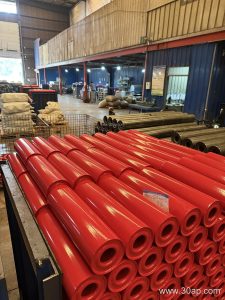
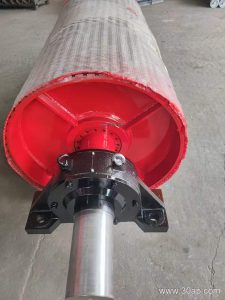
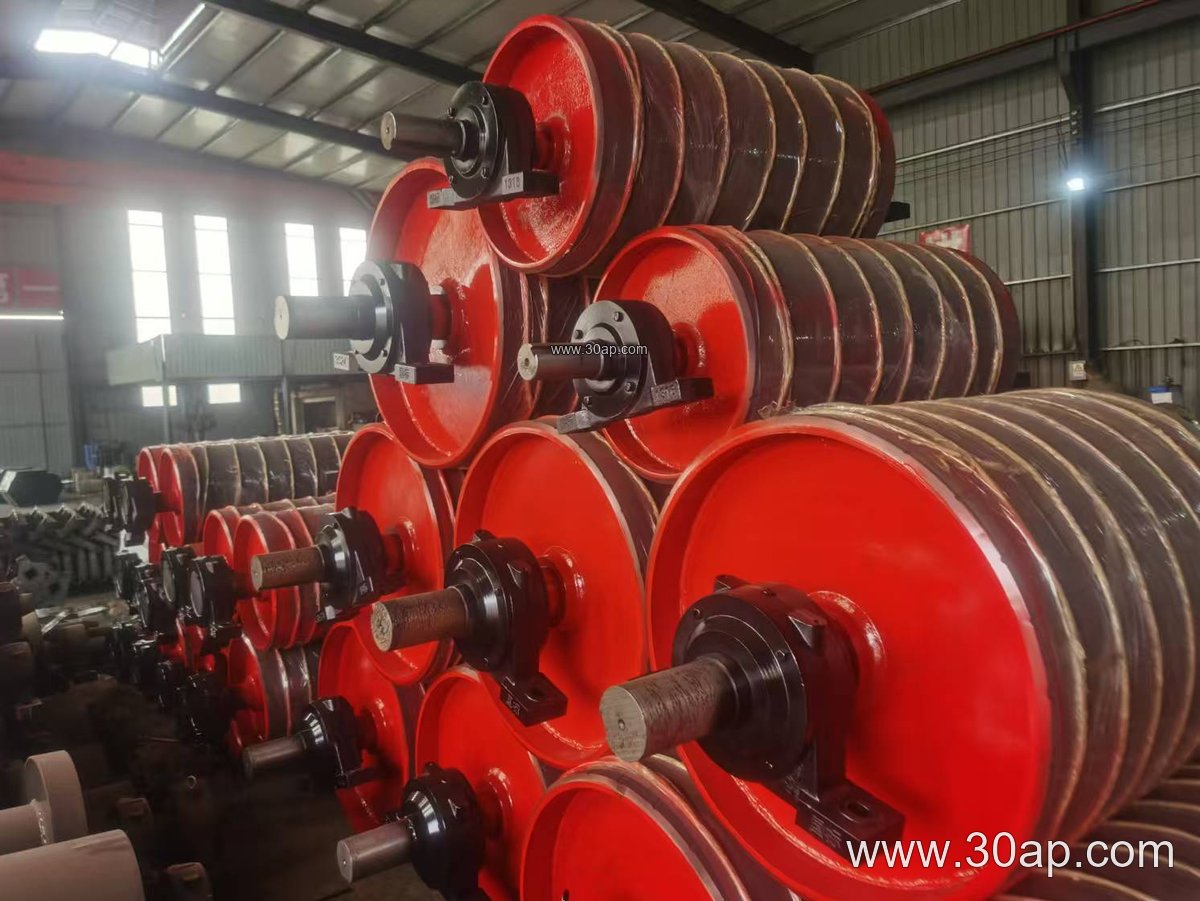
Most industrial pulleys combine a cylindrical shell, end discs, a shaft, hubs, and bearing housings. The shell may be machined from tube or rolled plate, and the shaft is sized by torque and radial load rather than by belt width alone. Common shaft diameters include Ø50, Ø60, Ø80, Ø100, Ø120, Ø160, and Ø200, but the final value is a design decision. Surface treatment matters as much as the steel: plain face, cast rubber, cold-bonded rubber, hot-vulcanized rubber, diamond grooving, herringbone grooving, and ceramic lagging are all used, with lagging thickness commonly 8, 10, 12, 15, or 20 mm. The right cover improves grip and sheds water or fines, which is why quarry and aggregate conveyor belt lines often specify grooved lagging on the drive drum while a smooth face may suit a bend pulley.
Matching Drum Size to Belt Width
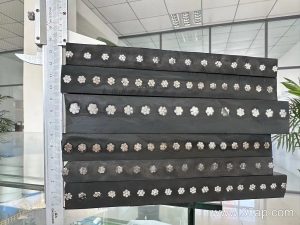
Belt width and pulley diameter are related but not locked together. The drum face is normally wider than the belt, for example a B800 belt around a 950 mm face, a B1200 belt around a 1400 mm face, or a B1400 belt around a 1600 mm face. Diameter is chosen from belt tension, wrap angle, belt stiffness, and the minimum bend radius the belt can tolerate. Typical combinations such as B800 × Ø500 or B1200 × Ø1000 appear in real installations, yet no single diameter is mandatory for a given width. A heavy-duty mining conveyor belt with a steel cord carcass usually needs a larger drum than a light fabric belt of the same width, while an EP conveyor belt or multi-ply fabric core belt may run over a smaller drum. Always confirm the belt manufacturer’s minimum pulley diameter before ordering.
Where These Drums Are Used
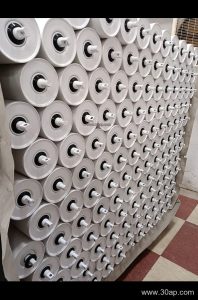
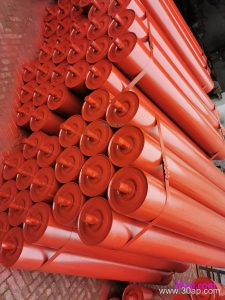
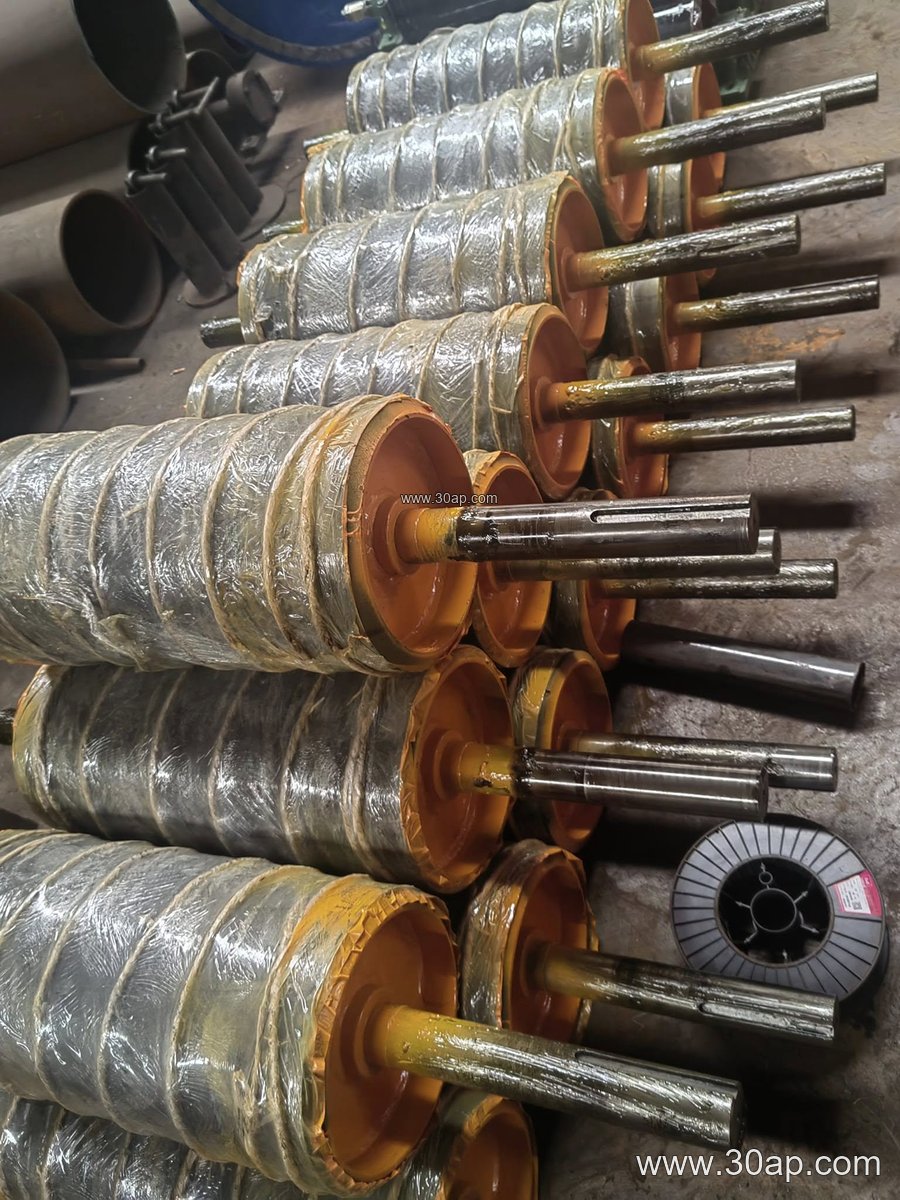
You will find a conveyor belt pulley in almost any bulk handling circuit. In a limestone quarry or sand and gravel plant, head and tail pulleys work with an abrasion resistant conveyor belt to move crushed rock. In a coal preparation plant or underground coal mining conveyor, flame retardant conveyor belt and anti-static conveyor belt grades are paired with robust drums and sealed bearings. Cement plants use them on clinker and raw meal lines, power plants on coal feeding systems, and ports on ship loading conveyors. The surrounding equipment matters too: conveyor idler roller sets support the belt between pulleys, and a conveyor bracket or frame keeps the drum aligned with the structure.
Buyer Checklist Before Ordering
- State the duty position: drive, tail, bend, take-up, or snub.
- Give belt width, belt type, and belt tension data, not just the width.
- Specify drum diameter and face width, for example B1000 with a 1150 mm face.
- Choose the lagging form and thickness, such as 12 mm diamond rubber or ceramic.
- Confirm shaft diameter and bearing type from the calculated load.
- Describe the environment: wet, dusty, corrosive, or high temperature.
For abrasive iron ore or copper ore duty, a wear-resistant lagging and a generously sized shell extend service life. For a chevron conveyor belt or corrugated sidewall conveyor belt, check that the cleat height clears the drum and that the belt can flex around the chosen diameter. A pipe conveyor belt needs special consideration at the transition, and an endless conveyor belt may require a drum that can be removed without cutting the belt. Whether the line handles cement, grain, fertilizer, or tunnel spoil, matching the pulley to the belt and the load is the surest route to steady operation.