What a High Impact Resistant Idler Does
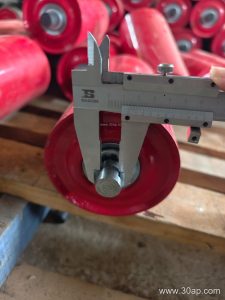
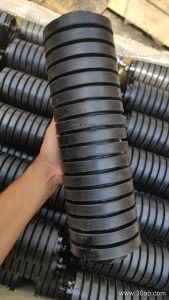
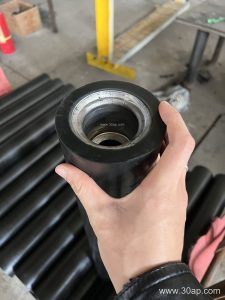
A high impact resistant idler is a load-bearing roller built to absorb the force of heavy lumps, sharp rock and sudden drops at the transfer point of a belt conveyor. Instead of passing that shock into a standard steel tube, this impact resistant idler uses a cushioned surface and a reinforced body so the conveyor belt, the roller and the frame all last longer under punishing feed conditions. In practice it is the same product family as a buffer idler or shock-absorbing roller, and it usually sits directly under the chute where material first lands on the belt.
Construction and Surface Options
The core is normally a heavy-gauge steel tube carried on sealed ball bearings, with the shock-absorbing layer fitted to the outside. Common surface forms include rubber rings, rubber discs and, in some designs, ceramic or nylon sleeves. Rubber ring impact rollers are the most widespread choice for quarry and ore duty because the rings flex, spread the point load and can be replaced individually. Bearing selection is matched to the load and shaft rather than to belt width alone; sizes such as 6205, 6305, 6308 and 6310 appear across the range, and the correct fit depends on the roller diameter and the calculated radial load.
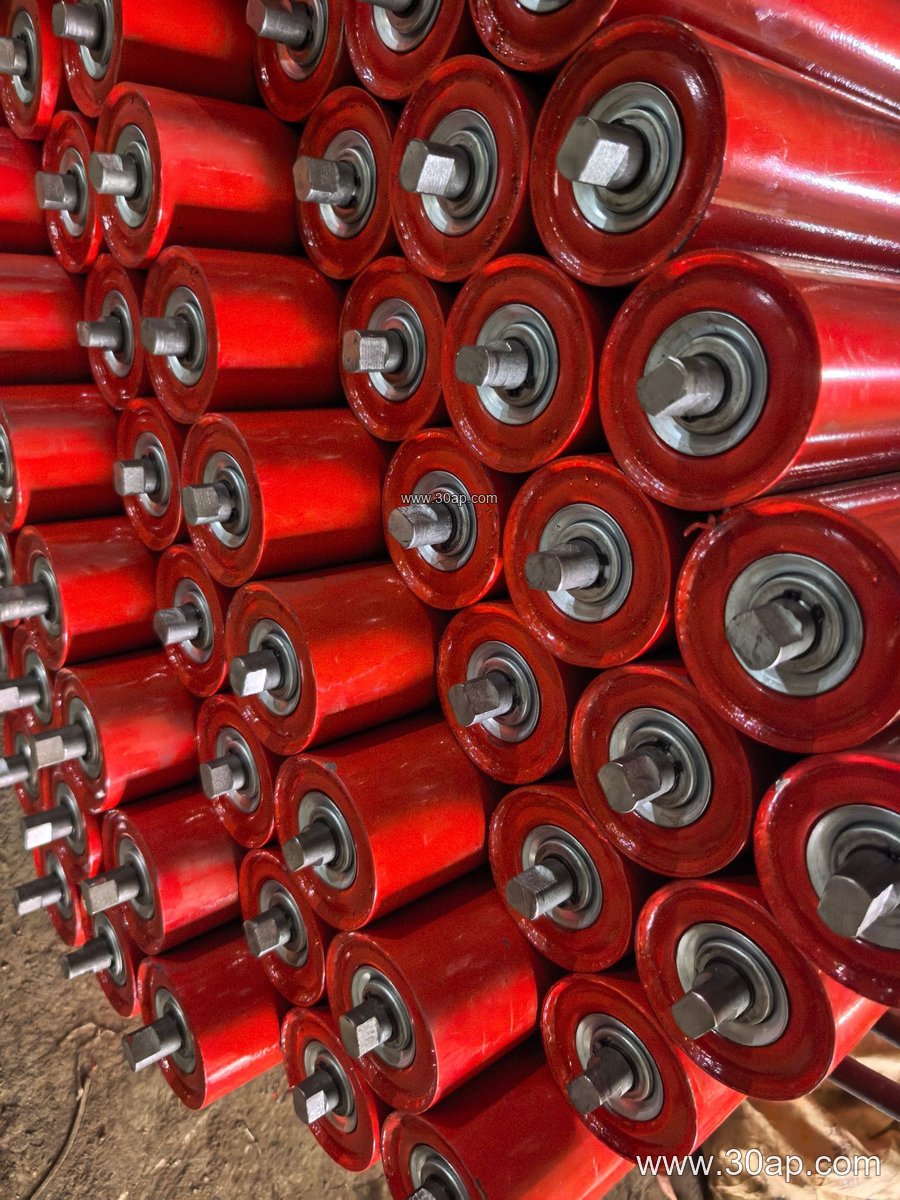
Typical reference data
The values below are common examples, not fixed supply combinations. Roller length changes with belt width, trough angle and the number of rolls in the set, and the side rolls of a three-roll troughed set are shorter than the centre roll.
- Roller diameter: Ø89, Ø108, Ø127, Ø133, Ø159, Ø178, Ø194 mm
- Belt width: B500, B650, B800, B1000, B1200, B1400, B1600, B1800, B2000 mm
- Trough angle: 20, 30, 35, 45 degrees
- Roll set: single roll, two-roll, three-roll troughed
- Surface: rubber ring, rubber disc, plain steel, nylon, ceramic
Where Impact Idlers Are Installed
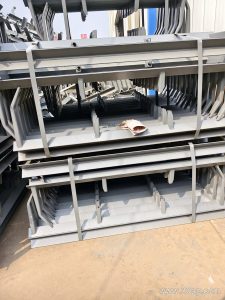
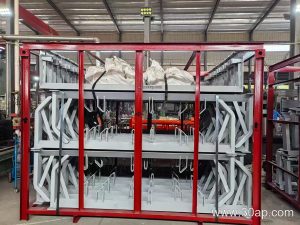
The loading zone is the decisive location. At a stone crushing line the primary crusher discharge drops mixed rock onto the belt, and a shock-absorbing roller set under the skirtboard protects the carcass from cut-through and edge damage. In a coal preparation plant the same approach is used below the raw coal chute, often combined with a flame retardant conveyor belt and a robust conveyor bracket that keeps the roller frame square under vibration. Similar layouts appear in iron ore handling, cement clinker transfer and power plant coal yards.
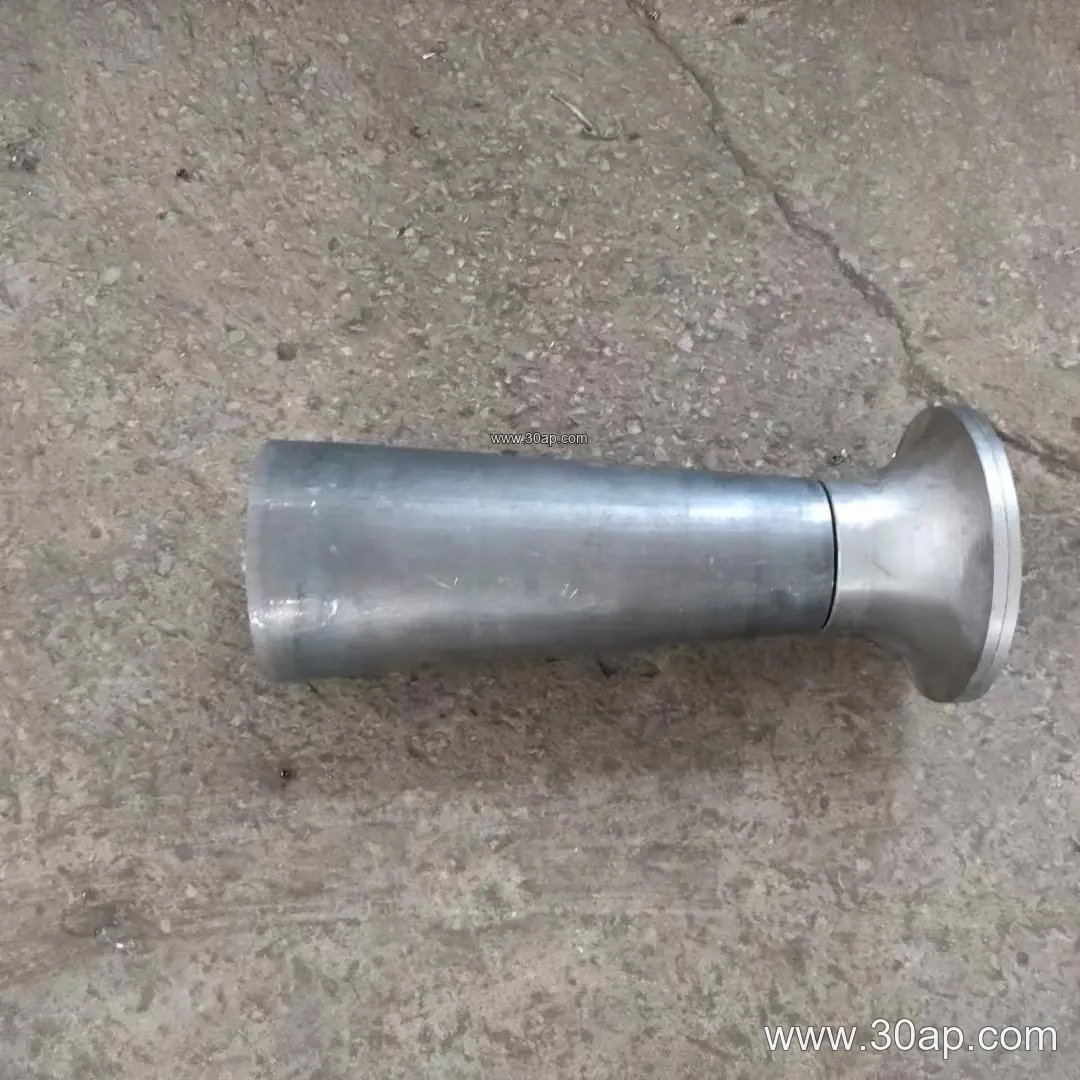
Impact rollers are not a substitute for a bend pulley or a tail pulley at the head and tail of the conveyor. Those pulleys drive and redirect the belt, while the impact idler only supports it. A bend pulley can be compared for its role in changing belt direction, but it does no shock absorption at the chute.
Selection Points for Buyers
Start with the drop height and the largest lump size, then confirm the belt speed and the tonnes per hour passing the loading point. The impact rating of the roller should follow the calculated shock load, not simply the belt width. Ask for the bearing designation, the shaft diameter, the ring hardness and the fixing dimensions so the new roller set matches the existing frame. On a heavy-duty mining conveyor belt line, it is often worth specifying more than one impact position in series, so the first set takes the worst hit and the following sets stabilise the belt.
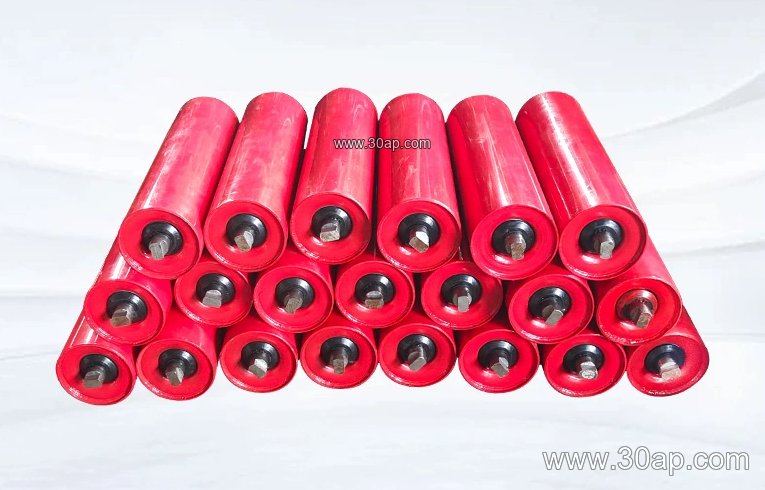
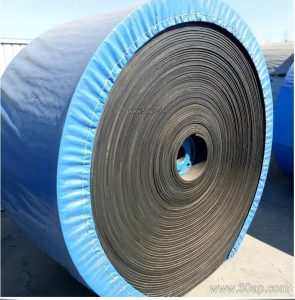
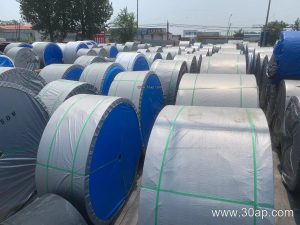
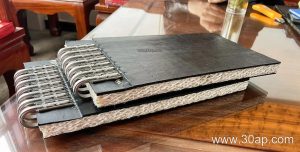
Check compatibility with the belt itself. A thick abrasion resistant conveyor belt tolerates impact better than a thin general-purpose fabric core belt, and an EP conveyor belt or steel cord conveyor belt used in high-drop service should be reviewed together with the idler spacing. Users of rubber conveyor belt and multi-ply fabric core conveyor belt in aggregate plants frequently find that a short impact section reduces both belt damage and spillage.
Maintenance and Long-Term Care
Inspect the loading zone weekly during the first months of operation, looking for flattened rings, loose discs, scored roller faces and grease leakage at the seals. Replace worn rings before the steel body contacts the belt. Keep the skirt rubber clear of the roller surface, because trapped fines can lock a roller and create a flat spot. Where dust is heavy, sealed bearings with effective labyrinth protection are more suitable than open types, and a regular bearing check will prevent a single seized impact idler from wearing a groove into the belt cover.
For a complete loading section, combine the shock-absorbing roller set with correctly aligned conveyor brackets, adequate belt support on both sides of the chute and a belt cover suited to the material. That combination keeps the impact resistant idler doing its job, protects the conveyor belt and extends the service interval between shutdowns.