What a Conveyor Idler Frame Does on the Line
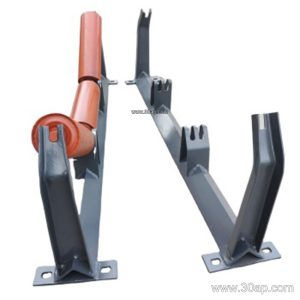
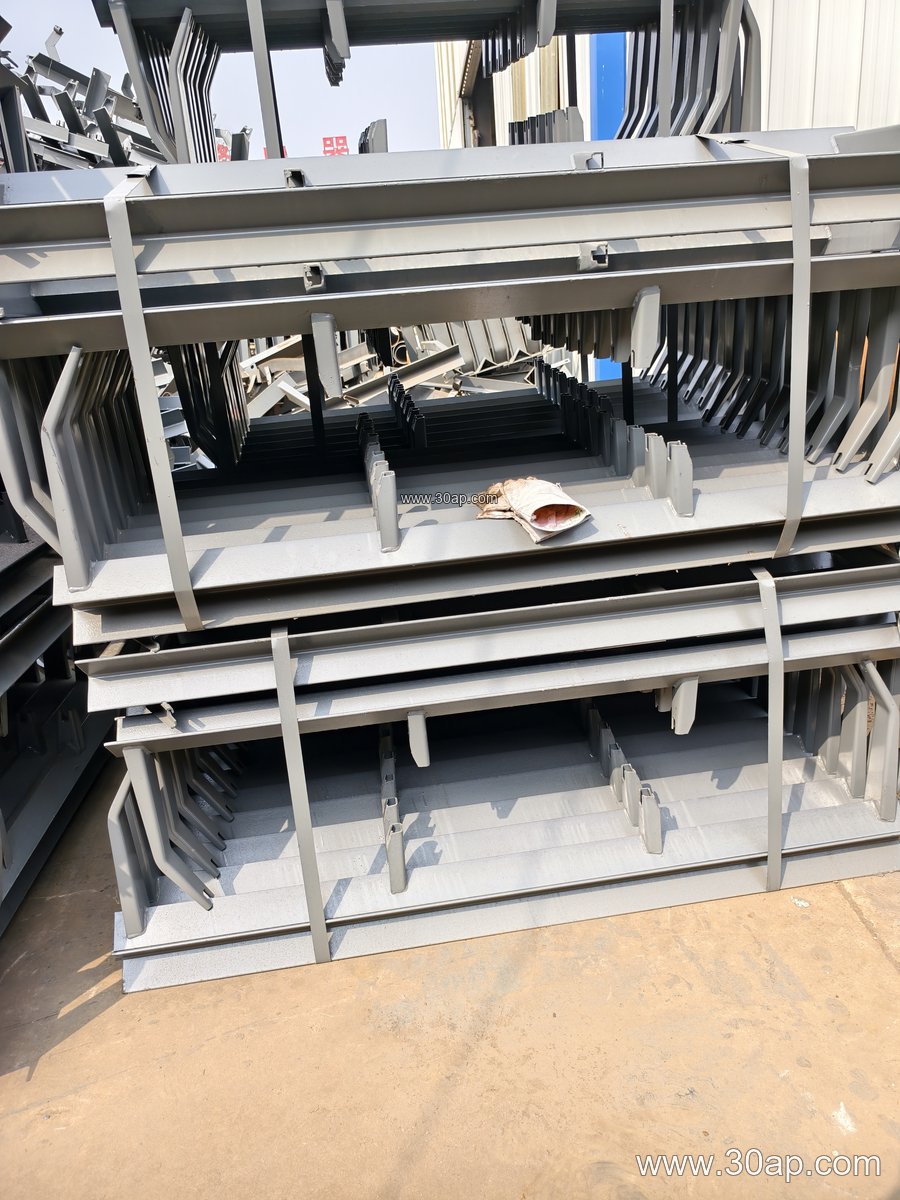
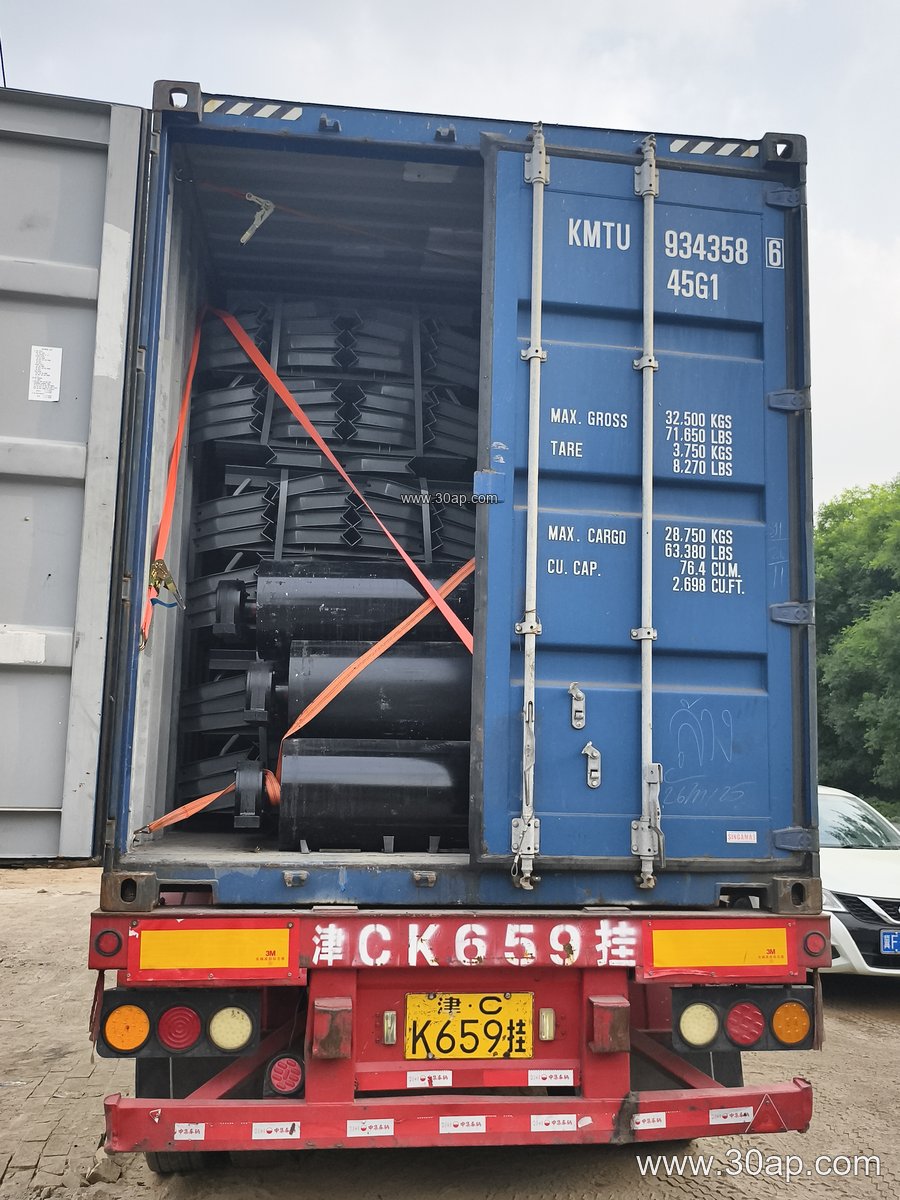
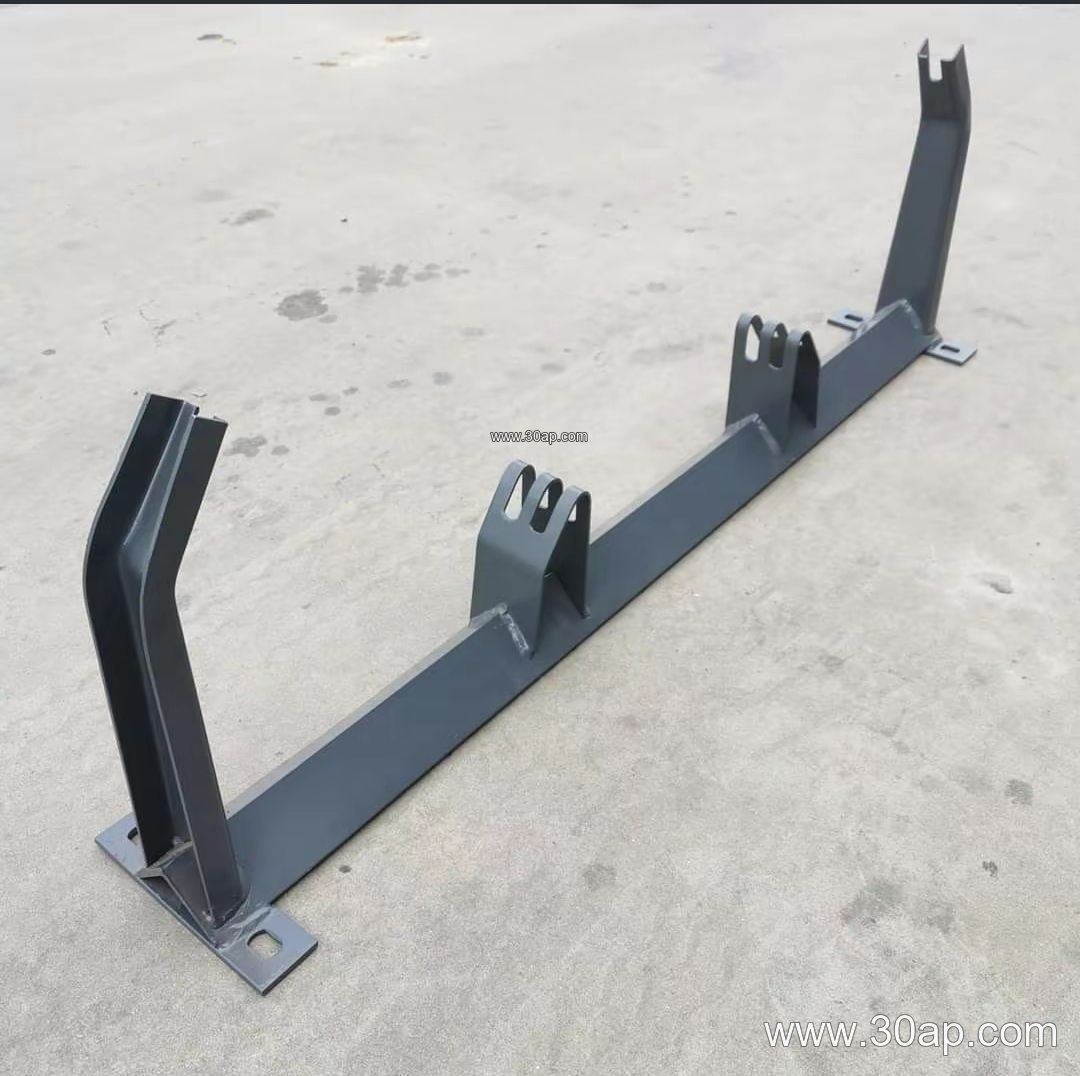
A conveyor idler frame is the structural element that holds idler rollers at the correct position and angle under the conveyor belt. It connects the roller assemblies to the conveyor stringer or bracket, transferring the weight of the belt and material into the main conveyor structure. In a quarry, cement plant, or power plant coal yard, the frame keeps the belt profile steady so material does not spill and the belt tracks properly. Without a rigid, well-aligned frame, even high-quality idler rollers cannot maintain consistent contact with the belt.
Common Frame Types and Where They Sit
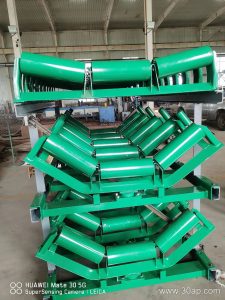
Frames are usually grouped by their position along the conveyor. Troughing frames support the carrying side and set the belt into a trough shape. Return frames support the belt on its way back, often as a flat or V-shaped arrangement. Transition frames sit near pulleys to guide the belt from flat to troughed. Impact frames, built with buffer idlers, are placed at loading points. Self-aligning frames help correct belt misalignment, and suspended or adjustable frames allow field changes to trough angle or height. Each type has a distinct role, and a drive pulley or tail pulley cannot substitute for any of them.
Materials and Construction Details
Most frames are fabricated from angle steel, channel steel, or bent steel plate. The choice depends on load, belt width, and environment. A frame for a B800 belt in a sand and gravel line may use lighter channel sections, while a B1600 or B2000 frame in an iron ore stockyard needs heavier sections and reinforced welding. Trough angles commonly range from 20 to 45 degrees, and adjustable frames can be set between these values on site. Forward-leaning frames, often around 1.5 to 2 degrees, are used to encourage belt centering. Roller diameters such as Ø89, Ø108, Ø133, Ø159, and Ø194 appear across different frame designs, but the frame and roller must be matched by the conveyor designer.
Matching Frame, Roller, and Belt Width
Frame selection starts with belt width and the required trough angle, not with a single fixed rule. A B650 conveyor might use a 30-degree frame with Ø89 rollers, while a B1200 conveyor in a cement plant may run 35 or 45 degrees with Ø133 rollers. These are examples, not mandatory pairings. Installation hole spacing and beam length vary with belt width and trough angle, so the frame drawing should always be checked against the conveyor layout. The conveyor belt itself, whether an EP conveyor belt, NN conveyor belt, or steel cord conveyor belt, also influences the frame because belt stiffness affects how well it forms the trough.
Applications Across Bulk Handling Industries
In a coal washing plant, troughing frames and return frames keep the belt aligned through transfer points. In a limestone quarry, impact frames under the crusher discharge absorb shock from large lumps. Port ship loading conveyors use long runs of frames that must stay square and level. A fertilizer or grain silo operation may prefer lighter, corrosion-conscious frames. The same frame concept appears in steel plant sinter lines and tunnel muck removal, but the environment dictates material thickness and surface treatment.
Buyer Checklist Before Ordering
- Confirm belt width, such as B500, B800, B1000, B1400, or B1800.
- State the required trough angle and whether adjustment is needed.
- Provide the idler roller diameter and mounting dimensions.
- Specify the conveyor bracket or stringer connection details.
- Describe the environment: dust, moisture, temperature, or corrosive exposure.
- Ask for frame drawings showing hole spacing and beam length for the actual belt width and angle.
Frames are often ordered together with idler rollers and pulleys, so the interface dimensions should be agreed before fabrication. For more information on compatible belt and roller systems, visit www.example.com/conveyor-idler-frame and review the conveyor belt and idler roller data. A well-matched frame reduces belt edge damage, lowers spillage, and extends the service life of the entire conveyor line.