What a Conveyor Bracket Does on the Line
A conveyor bracket is the structural interface between the idler roller and the conveyor frame. It holds each roller at the correct height, angle, and spacing so the conveyor belt runs true under load. In a quarry or a coal handling plant, a loose or misaligned bracket shows up quickly as belt wander, spillage, or edge damage. The bracket itself is simple, but its geometry decides how well the whole idler set performs.
Brackets are usually grouped by function: carry-side troughing brackets, return-side flat or V-return brackets, impact brackets under the load zone, and self-aligning brackets that correct minor belt drift. Each group uses the same basic fabrication but different hole patterns and angles.
How the Bracket Is Built
Most conveyor brackets are fabricated from angle steel, channel steel, or folded steel plate. The material choice follows the duty: a light aggregate line may use folded plate, while a heavy-duty mining conveyor often uses channel sections. Welds at the roller seats and frame mounting points take the repeated vibration from the belt and material load.
Typical bracket configurations include:
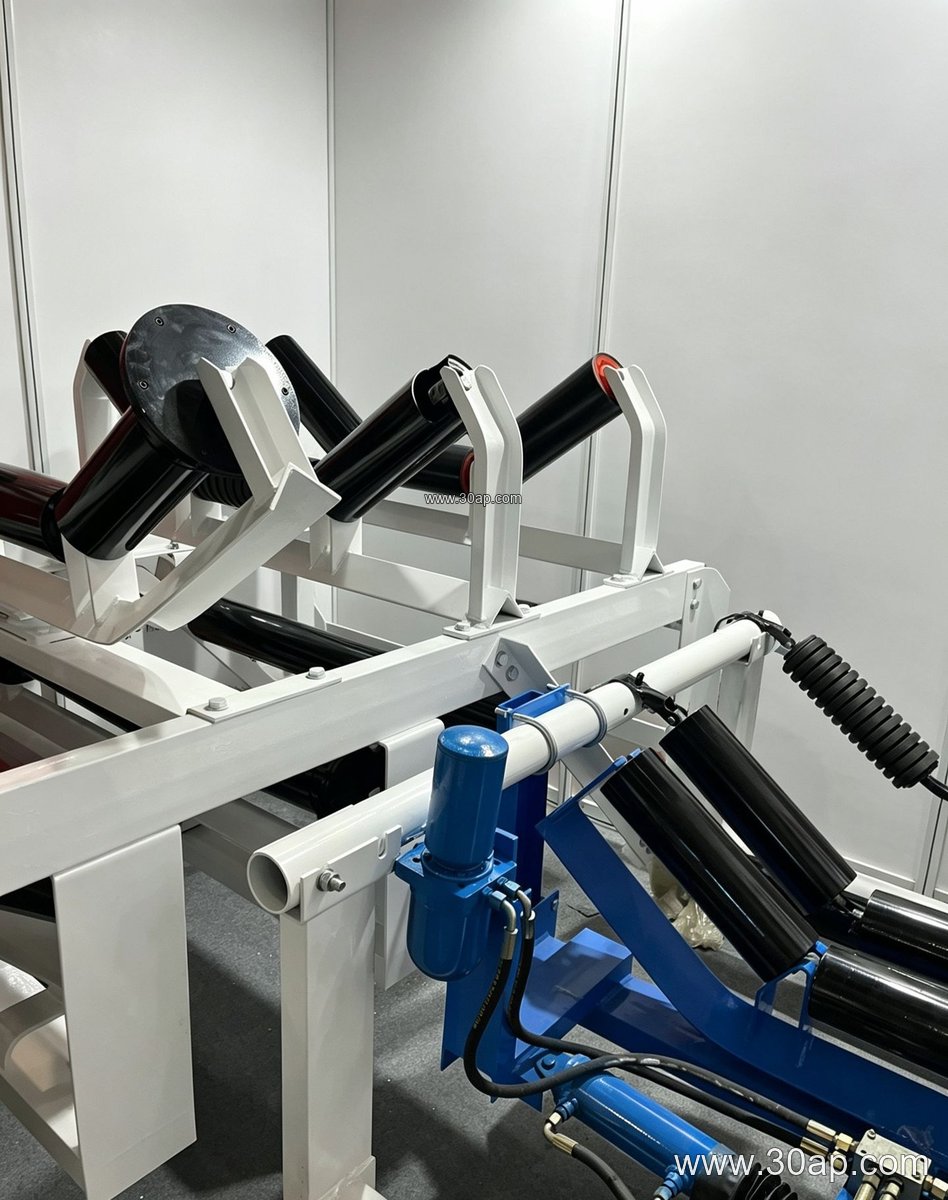
- Troughing bracket with 20°, 30°, 35°, or 45° trough angle
- Transition bracket near the head and tail
- Flat return bracket and V-return bracket
- Impact bracket with cushion roller seats
- Self-aligning bracket with a pivot base
- Adjustable bracket that can be set between common trough angles
Some designs add a forward tilt of about 1.5° to 2° to help center the belt. Adjustable versions let maintenance crews correct the trough angle after installation without cutting or re-welding.
Matching Bracket, Belt, and Roller
Bracket selection starts with belt width and roller diameter. Common belt widths run from B500 up to B2200, and roller diameters are often Ø89, Ø108, Ø133, Ø159, or Ø194. A B800 bracket at 35° with Ø108 rollers is a common mid-duty combination, while a B1200 line at 45° may use Ø133 rollers. These are examples, not fixed rules: the same belt width can be paired with different roller diameters depending on load and speed.
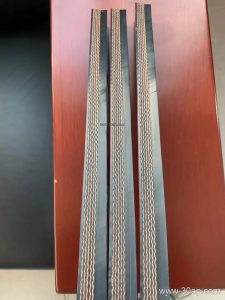
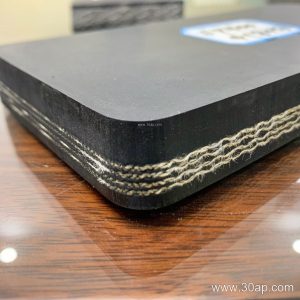
Mounting hole spacing and crossbeam length change with belt width and trough angle, so they should be confirmed against the frame drawing rather than assumed. On a fabric core conveyor belt such as an EP conveyor belt or NN conveyor belt, the bracket spacing also affects how evenly the belt is supported between pulleys. For a steel cord conveyor belt on a long overland run, bracket alignment becomes even more critical because the belt has less tolerance for uneven support.
| Bracket Type | Common Belt Width | Typical Trough Angle | Roller Diameter |
|---|---|---|---|
| Troughing bracket | B650–B1400 | 30°–35° | Ø89–Ø133 |
| Transition bracket | B800–B1600 | 20°–35° | Ø108–Ø159 |
| V-return bracket | B800–B1800 | — | Ø108–Ø159 |
| Impact bracket | B800–B1600 | 30°–45° | Ø108–Ø159 |
| Self-aligning bracket | B650–B1400 | 30°–35° | Ø89–Ø133 |
| Adjustable bracket | B650–B1800 | 20°–45° | Ø89–Ø159 |
Where Brackets Are Used
In a limestone quarry, troughing brackets carry the primary crusher feed belt, while impact brackets sit under the discharge chute. In a coal-fired power plant, flame retardant and anti-static belt grades are common, and the brackets must keep the belt centered through transfer towers. Cement plants use abrasion resistant belts on clinker lines, where dust and heat make bracket alignment and roller condition part of daily inspection.
Other typical locations include sand and gravel plants, iron ore and copper ore handling, port ship loaders, and steel plant sinter lines. In each case, the bracket is a small part of the conveyor but a direct influence on belt life and downtime.
Buyer Checklist
Before ordering, confirm the belt width, trough angle, roller diameter, and frame hole pattern. Ask whether the bracket is fixed or adjustable, and whether it is for carry side, return side, impact, or self-aligning duty. Check the material thickness and finish against the site conditions. For a coal mining conveyor or an underground installation, specify the required flame retardant grade for the belt and keep bracket hardware compatible with the same environment.
Good bracket selection is not about one universal size. It is about matching the bracket to the belt, the idler roller, and the real load at each point on the conveyor.