What a Surface Belt Conveyor Idler Does
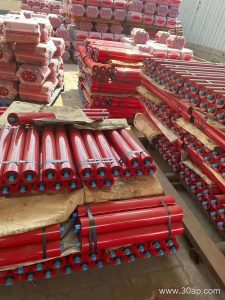
A surface belt conveyor idler is the rotating roller assembly that supports the conveyor belt along the carrying and return runs of a conveyor. In everyday plant language it is often called a carrying idler, troughing roller or simply an idler roller. It is not a drive pulley, tail pulley or bend pulley; those components transmit power and change belt direction, while the idler only carries the belt and the material load. Getting this distinction right matters when specifying spares for a quarry, a cement plant or a power station coal yard.
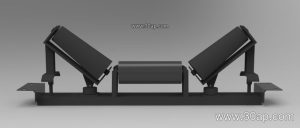
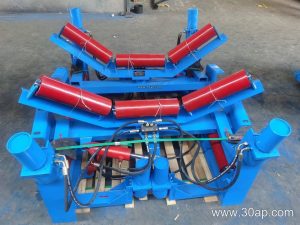
The idler rotates freely as the belt moves, so friction stays low and the belt does not sag between support points. On a typical surface installation, several idlers are mounted in a frame to form a troughed section, with two or three rolls cradling the belt. The result is stable tracking, controlled belt sag and longer conveyor belt life.
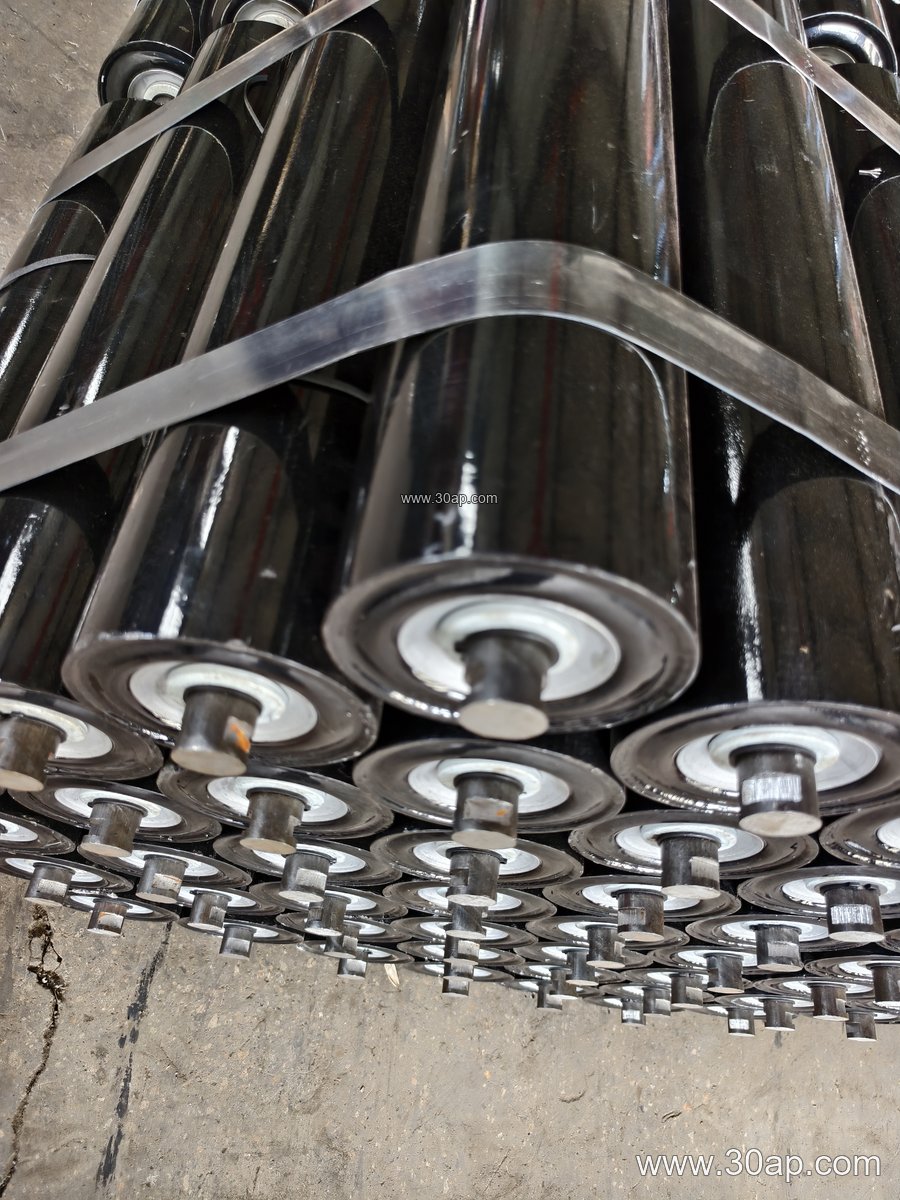
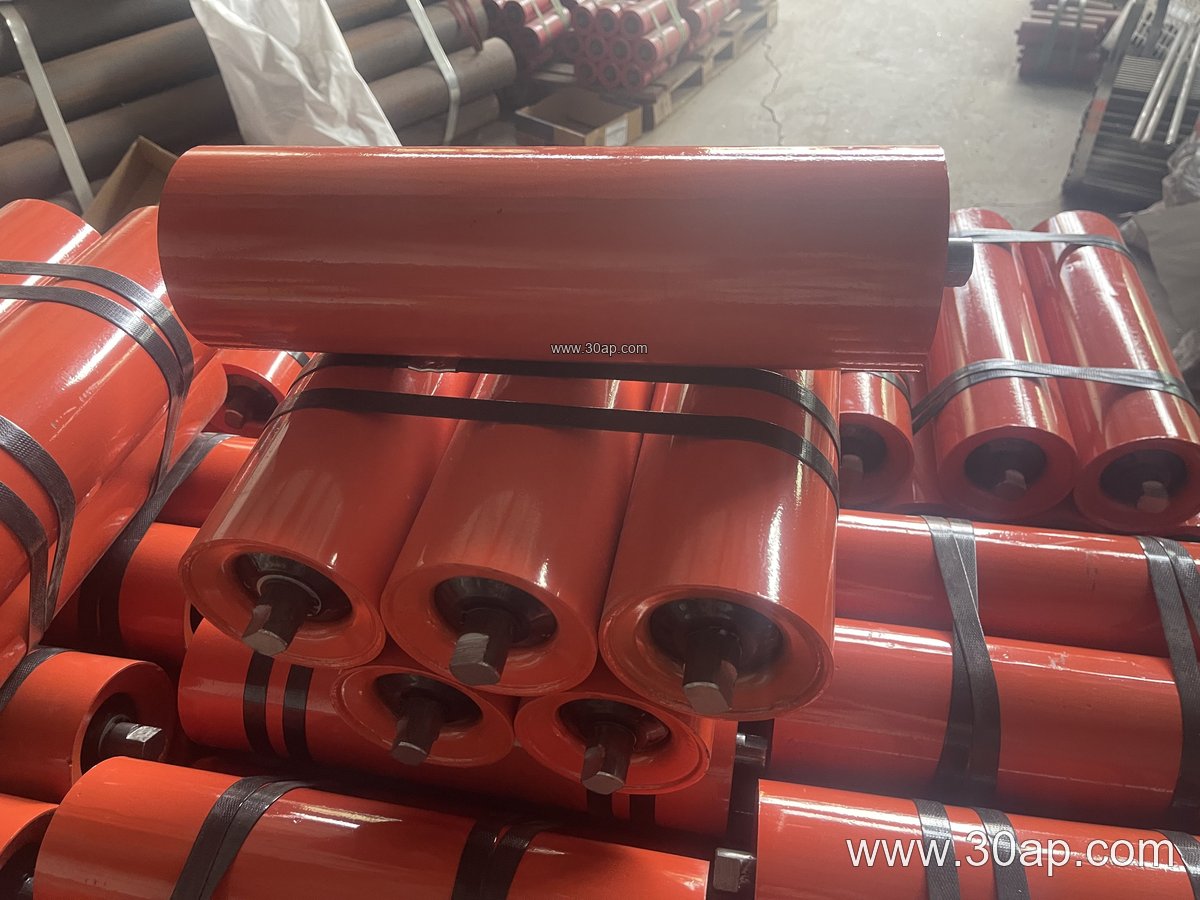
Construction and Surface Forms
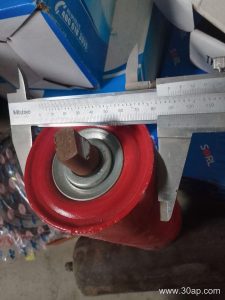
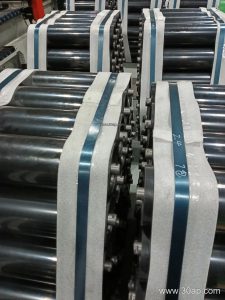
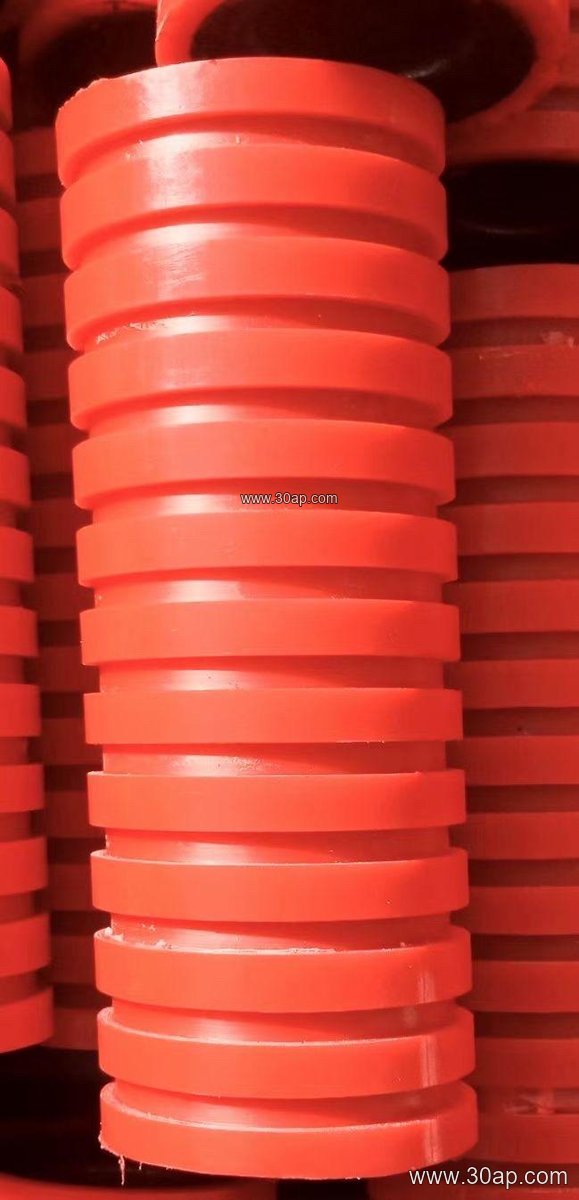
A standard idler combines a steel tube shell, bearing housings at each end, a shaft and a sealing arrangement. The shell may be plain steel, nylon-coated, ceramic-covered or fitted with rubber rings. Rubber-ring impact idlers are common below crusher discharge points, while plain steel rolls suit general bulk handling. Bearing sizes usually range from 6204 up to 6310 depending on load and roll diameter, and larger shafts are used on wider, heavier conveyors. Sealing quality is often the deciding factor in dusty conditions such as a limestone mine or a sand and aggregate line.
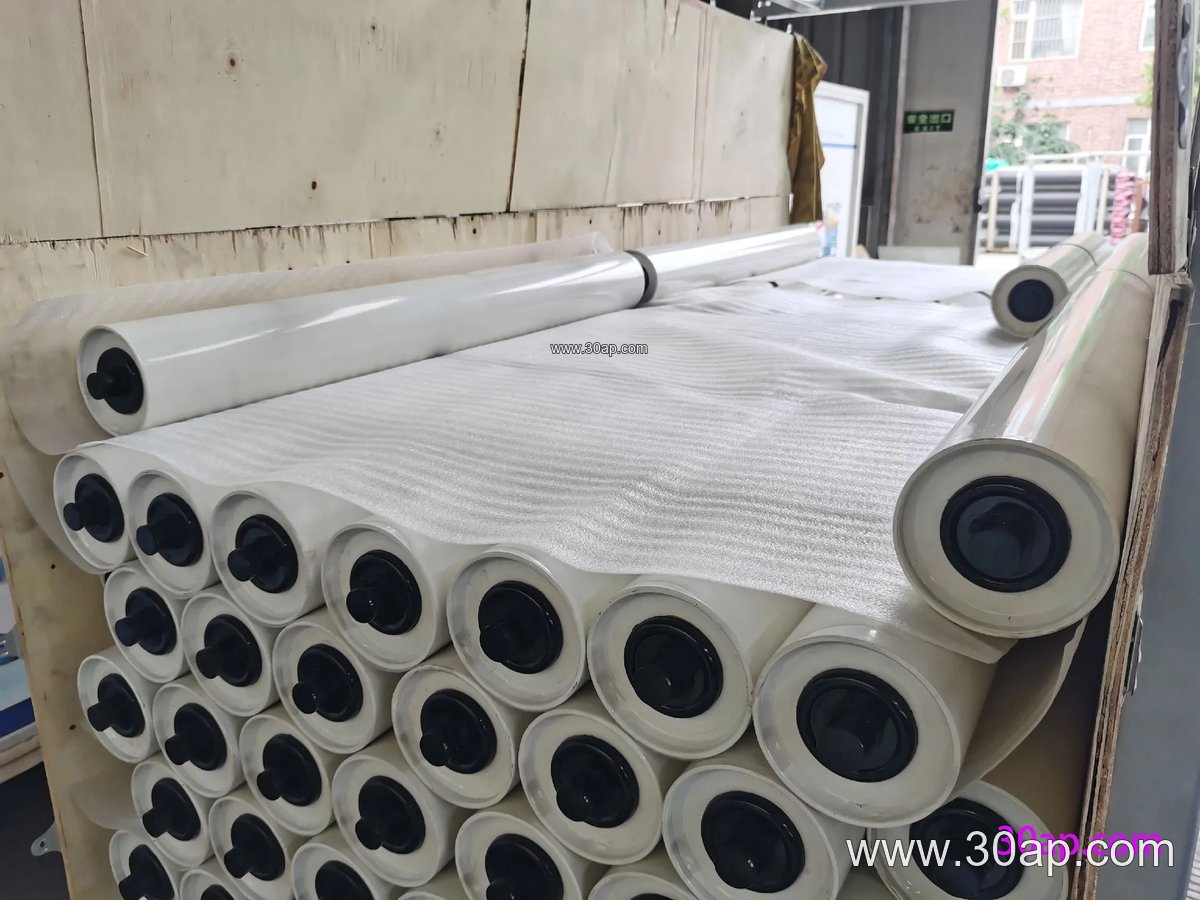
Roll diameters commonly run from Ø63 to Ø219 mm, and belt widths from B400 to B2400 are supported by matching frame designs. A few typical combinations are shown below; these are common references, not fixed rules.
| Belt width | Typical three-roll idler length | Common trough angle |
|---|---|---|
| B500 | about 200 mm | 20° to 35° |
| B800 | about 315 mm | 30° to 35° |
| B1000 | about 380 mm | 30° to 35° |
| B1200 | about 465 mm | 30° to 45° |
| B1400 | about 530 mm | 35° to 45° |
| B1600 | about 600 mm | 35° to 45° |
Side rolls and centre rolls can differ in length, and the final figure should always be confirmed against the conveyor drawing. A 1200mm wide conveyor belt does not automatically dictate one pulley diameter or one shaft size.
Where Surface Idlers Are Used
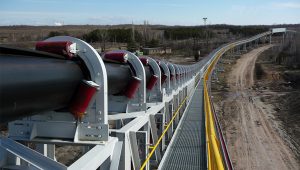
Surface conveyors appear across many industries. In a quarry or stone crushing plant, troughing idlers carry abrasive rock and aggregate, so abrasion resistant conveyor belt grades and robust roll shells are usual. In a coal yard or coal mining surface operation, flame retardant conveyor belt and anti-static conveyor belt grades are often specified alongside sealed idlers to handle fine dust. Cement plants use idlers on clinker and raw meal lines, while power plant coal handling systems rely on them for continuous duty. Ports and ship loading conveyors use wide belts, sometimes 1800mm or 2000mm, with heavy-duty idler frames.
Return runs are usually supported by flat or V-return idlers, and transition zones near the tail need idlers set at gradually changing angles so the belt is not over-stressed. Self-aligning idlers help correct minor mistracking on long surface lines.
Buyer Checklist
- Confirm belt width, trough angle and roll length from the conveyor layout, not from a catalogue alone.
- Match roll diameter and bearing size to the actual load and belt speed.
- Choose the shell surface for the duty: rubber rings for impact, ceramic or nylon where wear is severe.
- Check sealing and lubrication type for dusty or wet surface conditions.
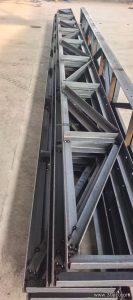
- Verify frame and bracket compatibility with the existing conveyor bracket spacing.
- Ask for dimensional drawings before ordering large quantities for a cement or steel plant project.
Good idler selection keeps the belt running true, reduces splice fatigue and limits unplanned stops. Whether the line handles iron ore, fertiliser or grain, the surface belt conveyor idler remains a low-cost component with a large influence on conveyor availability.