What a Stone Conveyor Idler Does on the Line
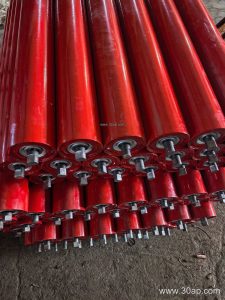
A stone conveyor idler is the rotating support that carries the loaded belt between the head and tail of a conveyor. In a quarry or a cement plant, the belt may transport sharp crushed rock, limestone, clinker or aggregate, so the idler has to keep the belt tracking, control sag between frames and protect the belt from unnecessary wear. The idler roller is a simple-looking part, but its bearing, seal and shell decide how long the whole conveyor can run without stoppage.
When the conveyed material is heavy and abrasive, the idler set is usually matched to the belt width, the trough angle and the load. A well-chosen stone conveyor idler keeps the belt stable on the troughing rolls, reduces spillage and limits the load on the conveyor bracket and frame.
Construction of the Idler Roller
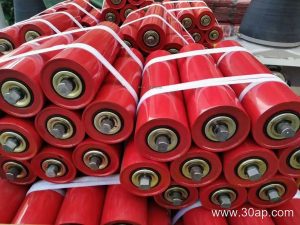
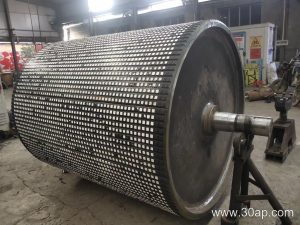
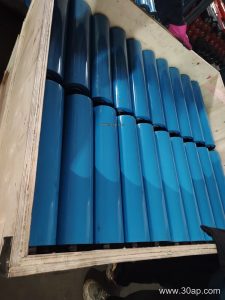
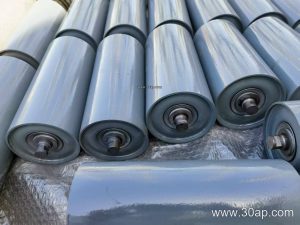
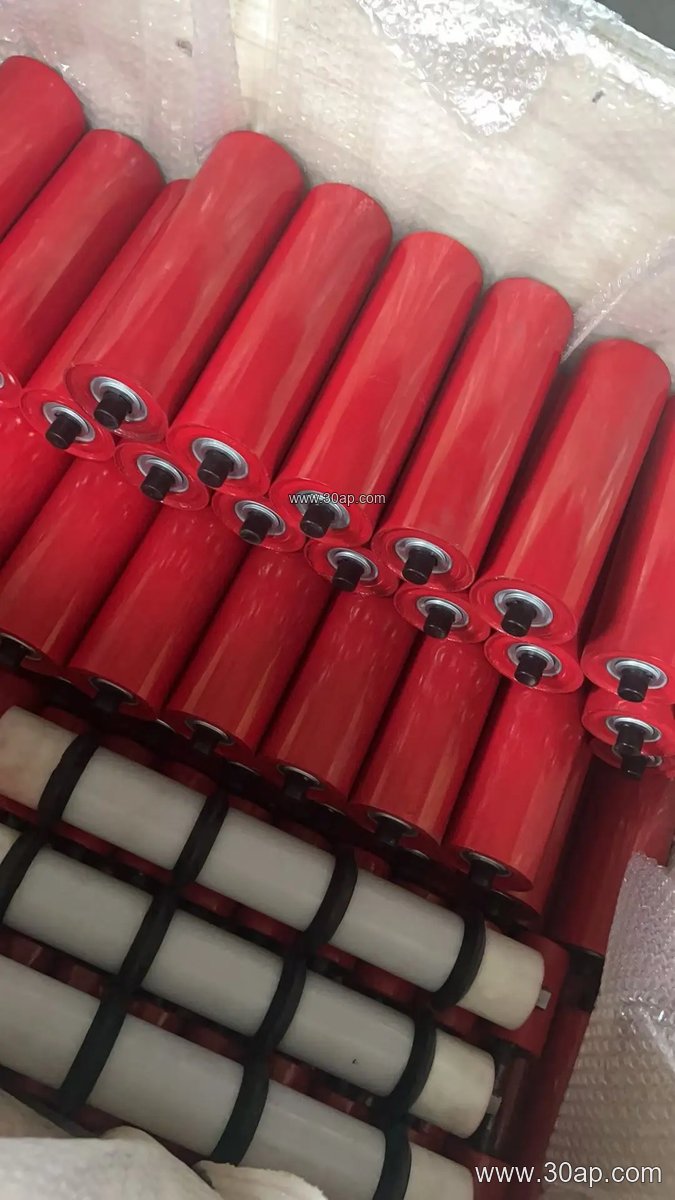
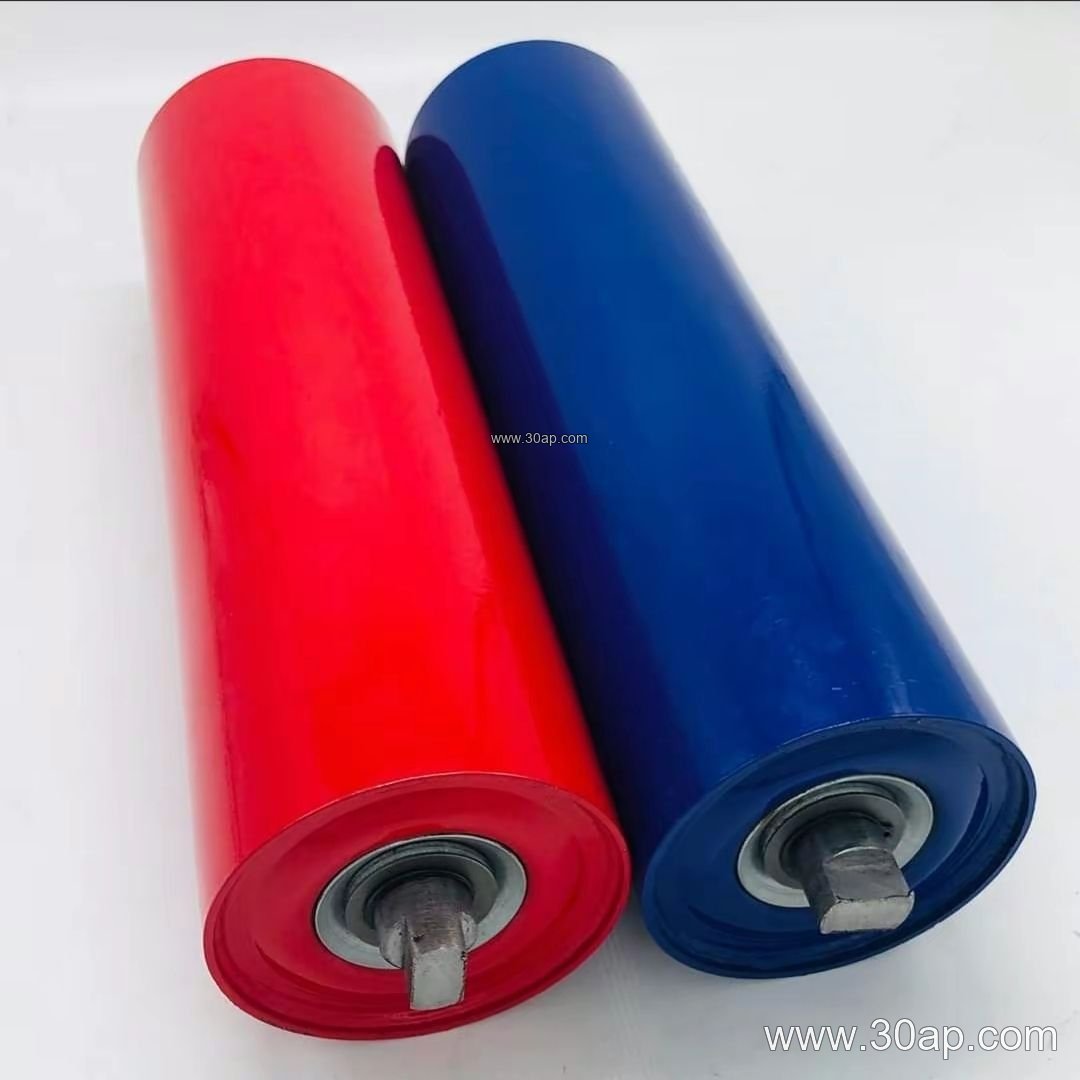
A typical stone conveyor idler includes a steel or polymer shell, a shaft, bearing housings, bearings and a sealing arrangement. The shell may be plain steel tube, nylon-coated, ceramic-lined or fitted with rubber rings. Rubber ring types are common on impact zones below a crusher, while plain steel rollers suit long carrying sections where material is already sized.
Bearings are usually selected from common series such as 6204, 6205, 6305, 6306, 6308 or 6310. The bearing size should follow the shaft and load calculation rather than a single belt width. Seals matter in dusty stone yards, because fine grit entering the bearing is a frequent cause of seizure and belt damage.
Common Troughing and Return Arrangements
On the carrying side, three-roll troughing sets are widely used for stone and aggregate. A single-roll or two-roll arrangement may appear on narrow belts or special transfer points. On the return side, flat return idlers, V-type return idlers and spiral return rollers are used to support the empty belt and remove clinging material.
- Troughing idlers at 20, 30, 35 or 45 degrees, selected by material angle of repose and belt width.
- Transition idlers near the head and tail to change belt shape gradually.
- Impact idlers or rubber-ring impact rollers under crusher discharge and transfer chutes.
- Self-aligning idlers, including friction and tapered types, to correct belt drift on long runs.
- Return rollers, including V-type and spiral, to keep the empty belt supported and cleaner.
Roll diameters commonly range from Ø63 and Ø76 up to Ø219, while belt widths run from B400 to B2400 in many plant designs. The roller length varies with belt width, trough angle and frame type. For example, a three-roll troughing set on B800 may use a centre roll near 315 mm, while B1200 may use about 465 mm. These are common examples, not fixed rules; side rolls and centre rolls can differ, and the final length should be confirmed by the conveyor design.
Where Stone Conveyor Idlers Are Used
These idlers appear in limestone quarries, sand and aggregate lines, crushing and screening plants, cement plants, coal handling systems and power plant coal yards. In a crushing circuit, the belt after the primary crusher carries jagged rock, so impact-resistant rollers and sturdy brackets are important. In a cement plant, the same idler type may run under clinker or raw meal, where dust control and seal quality affect service life.
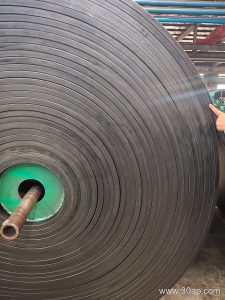
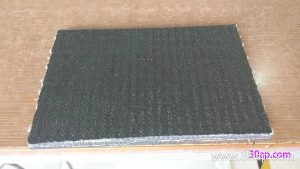
The idler also works together with the conveyor belt. A heavy-duty rubber conveyor belt, an abrasion resistant conveyor belt or a chevron conveyor belt on an incline will each place different demands on the troughing rolls. Belt width, speed and material lump size should be reviewed together with the idler spacing.
Buyer Checklist Before Ordering
Buyers should confirm the belt width, trough angle, roll diameter, roller length, shaft end type, bearing series and seal design. The mounting dimensions must match the existing conveyor bracket and frame; a roller that fits the belt but not the bracket will not install. It is also useful to state the material, lump size, moisture and daily running hours so the supplier can recommend a suitable shell and bearing protection.
For a plant using a fabric core conveyor belt or a steel cord conveyor belt on the main line, idler spacing and roll quality should follow the belt manufacturer’s guidance. Spare idlers kept on site should match the installed series so maintenance crews can replace a failed roller quickly without modifying the frame.
Ask for the actual drawing and dimensional data before a bulk order, and check that the stone conveyor idler suits the real duty rather than a catalogue average. More conveyor idler details and matched belt specifications are available at beltconveyoridler.com for plant engineers comparing options.