What a Rubber Disc Return Idler Does
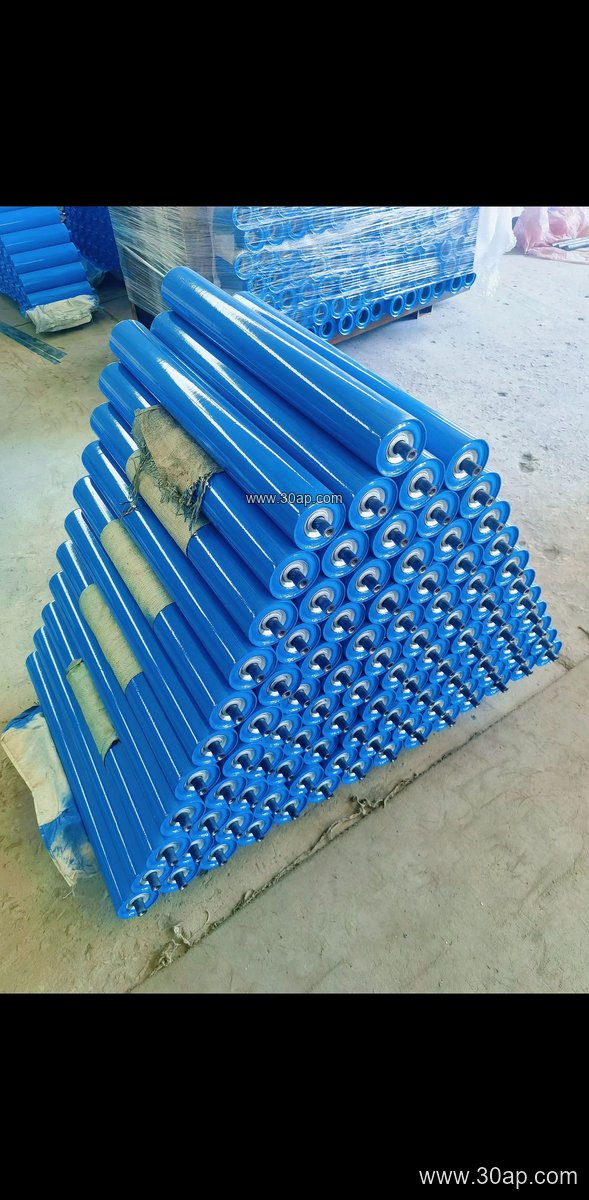
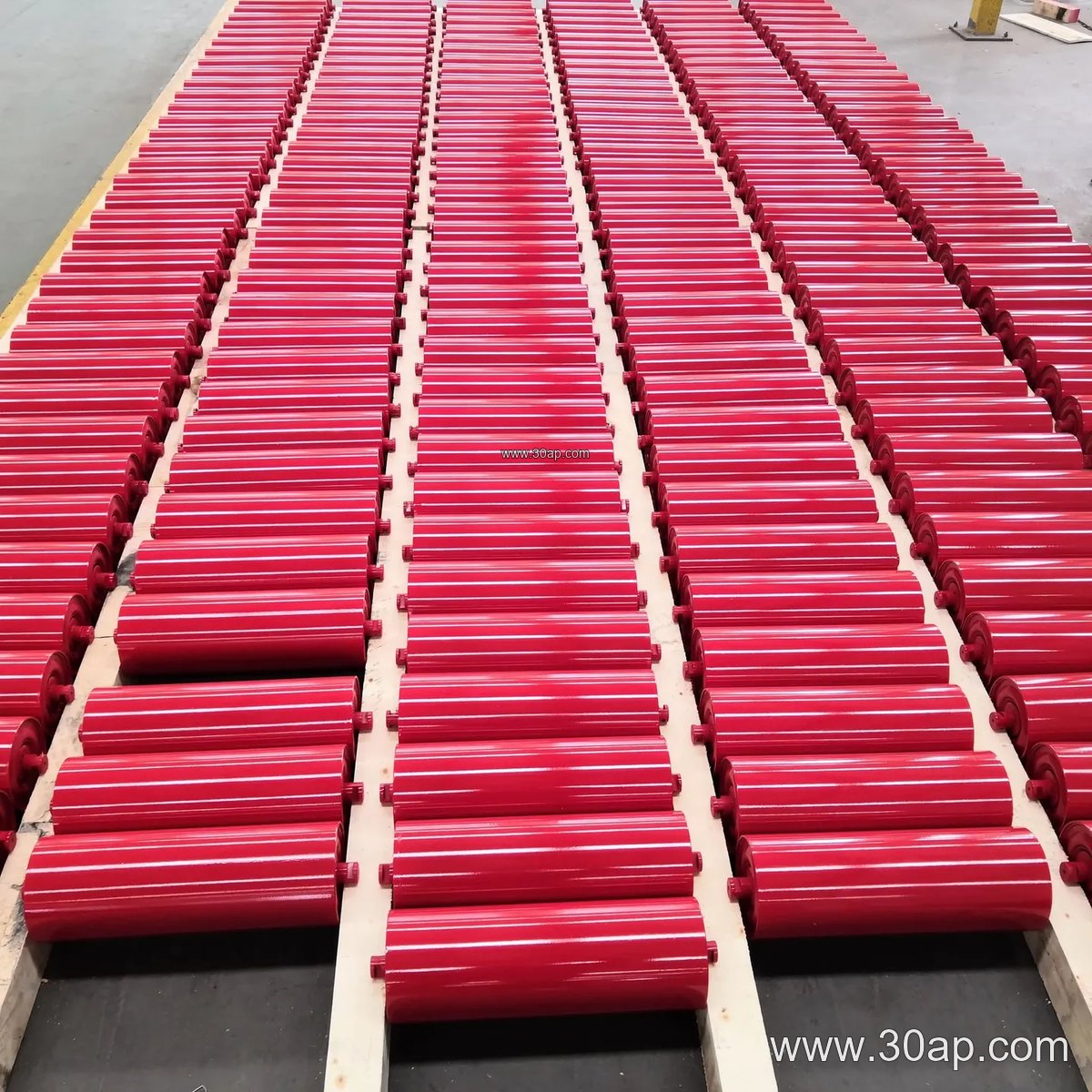
A rubber disc return idler is a type of lower idler roller used on the return strand of a conveyor belt. Instead of a plain steel shell, it carries a series of rubber discs or rings spaced along the shaft. These discs support the belt and, because they are resilient and slightly flexible, they help shed sticky material that would otherwise build up on a smooth roller. In plants handling wet or tacky bulk materials, this self-cleaning action reduces carryback and keeps the return run running truer. The same product is also called a rubber ring return roller or rubber disc return roller, and those names describe the same item.
Construction and Key Components
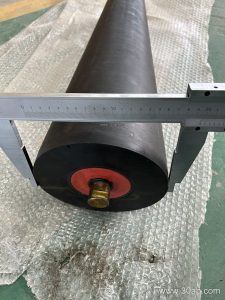
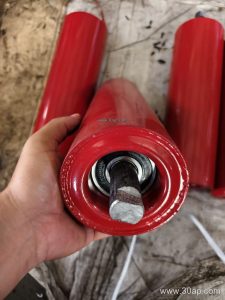
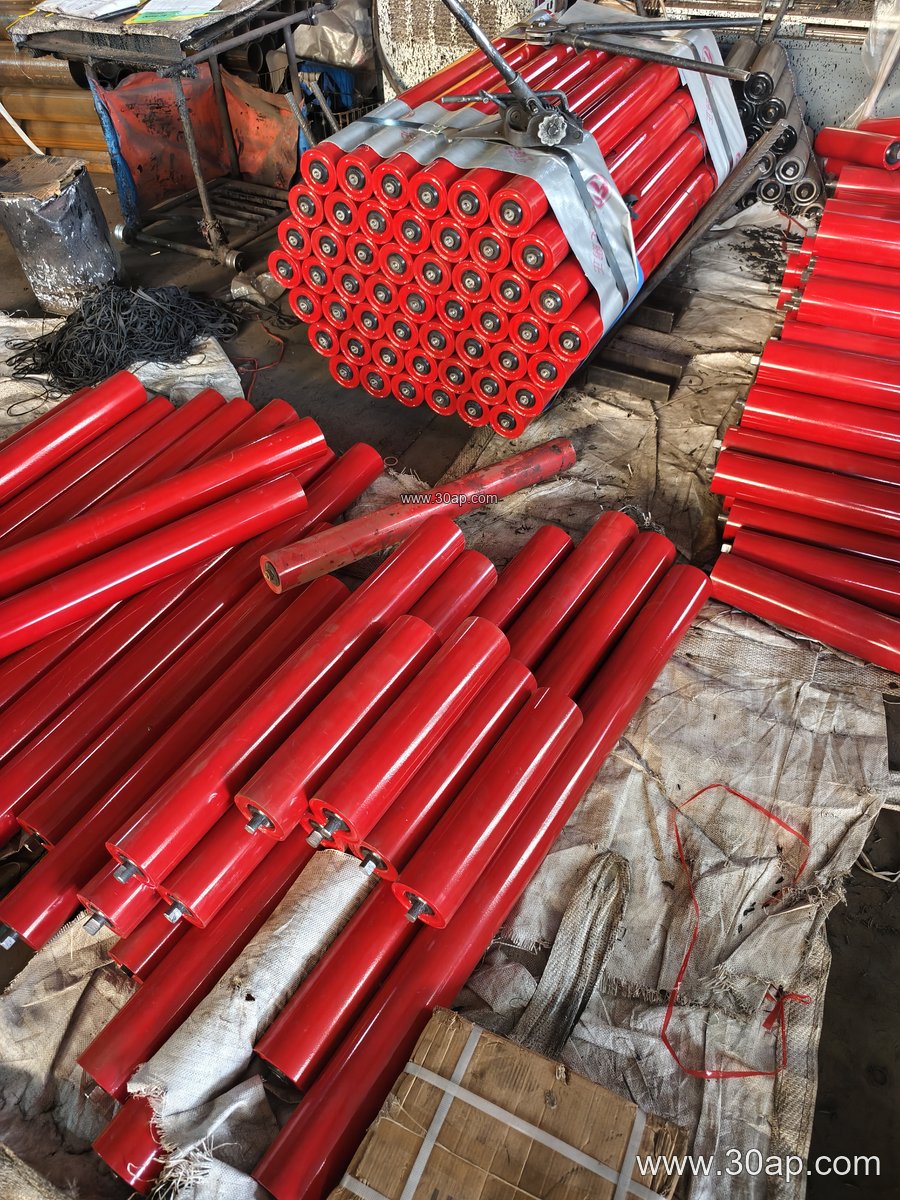
The basic build includes a shaft, bearing housings, sealed bearings, and a steel core tube onto which rubber discs are fitted. Discs are usually made from abrasion resistant rubber and may be moulded directly onto the shell or slid on as separate rings. Bearing protection matters on the return side, where dust and fines are common. Common bearing sizes include 6205, 6305, 6306, and 6308, matched to the shaft and load rating rather than to belt width alone. The roller surface is often described as a rubber disc surface, distinguishing it from plain steel, nylon, or ceramic options.
Where It Fits on the Conveyor
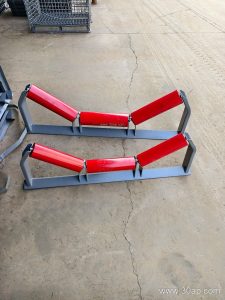
This idler belongs to the return idler group, alongside plain flat return rollers and V-shaped return idlers. It is not a substitute for a troughing idler, impact idler, or self-aligning idler; those do different jobs on the carrying side or at load points. A rubber disc return idler is typically installed at intervals under the returning belt, after the discharge point, to support the belt and limit sag. In a quarry conveyor or a cement plant, it can be a practical choice where fine dust and moisture create buildup on standard return rollers. It also appears in coal handling and power plant coal conveying, where belt cleanliness supports stable tracking.
Common Sizes and Configuration Notes
Return idlers are selected by shaft diameter, roller diameter, and face length. The table below gives common reference values, not fixed combinations. Final dimensions follow the conveyor design.
| Parameter | Common reference values |
|---|---|
| Roller diameter | Ø89, Ø102, Ø108, Ø127, Ø133, Ø159 mm |
| Belt width | B500, B650, B800, B1000, B1200, B1400, B1600 mm |
| Bearing | 6205, 6305, 6306, 6308 |
| Disc material | Abrasion resistant rubber |
Face length changes with belt width and frame type. For example, a return roller under a B800 belt is often around 950 mm long, while a B1200 belt may use a roller around 1400 mm long. These are typical examples only; the actual length is set by the conveyor bracket spacing and the return idler arrangement.
Buyer Checklist
- Confirm the belt width and the return idler mounting dimensions, including shaft ends and bracket type.
- Check whether the application needs a plain return roller or a rubber disc version for sticky material.
- Match bearing size and sealing to the dust and moisture level at the installation point.
- Review the conveyor belt specification, since a heavy-duty mining conveyor belt or a steel cord conveyor belt may call for a more robust return roller support.
- Ask for the disc hardness and rubber grade if the environment includes oil, heat, or fine abrasive dust.
Maintenance and Application Notes
Inspect rubber discs for wear, cracking, or missing rings, and check that the roller turns freely. A seized bearing can wear the belt edge and increase power demand. Because the disc surface is flexible, it can handle minor material buildup better than a plain shell, but it still needs clearance and regular cleaning in wet service. In an aggregate conveyor line or a lime kiln feed system, a rubber disc return idler is often a low-cost way to improve return-side cleanliness without changing the whole idler set. For more information on conveyor belt and idler roller selection, visit our site at www.example.com/conveyor-belt or www.example.com/idler-roller. Matching the return idler to the conveyor pulley layout and the conveyor bracket height helps avoid misalignment and premature wear.