What a Loading Point Impact Idler Does
A conveyor loading point impact idler is the cushioning roller set placed directly beneath the point where material drops onto the belt. Instead of letting ore, clinker, or crushed stone slam into a standard steel trough roller, the impact idler absorbs the falling energy and spreads it across a wider contact area. This protects both the belt cover and the roller frame, and it keeps the belt line stable during the most violent part of the conveying cycle. In practice, a well-chosen conveyor loading point impact idler is one of the cheapest ways to extend the service life of a heavy-duty belt on a mine, quarry, or power plant conveyor.
How the Roller Is Built
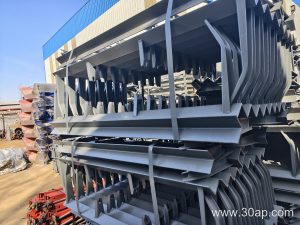
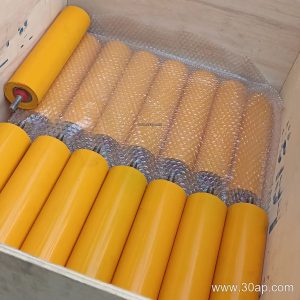
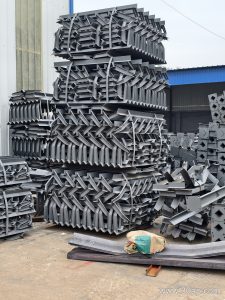
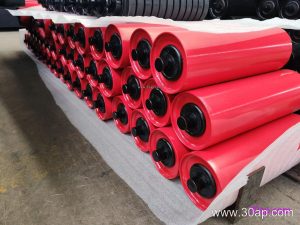
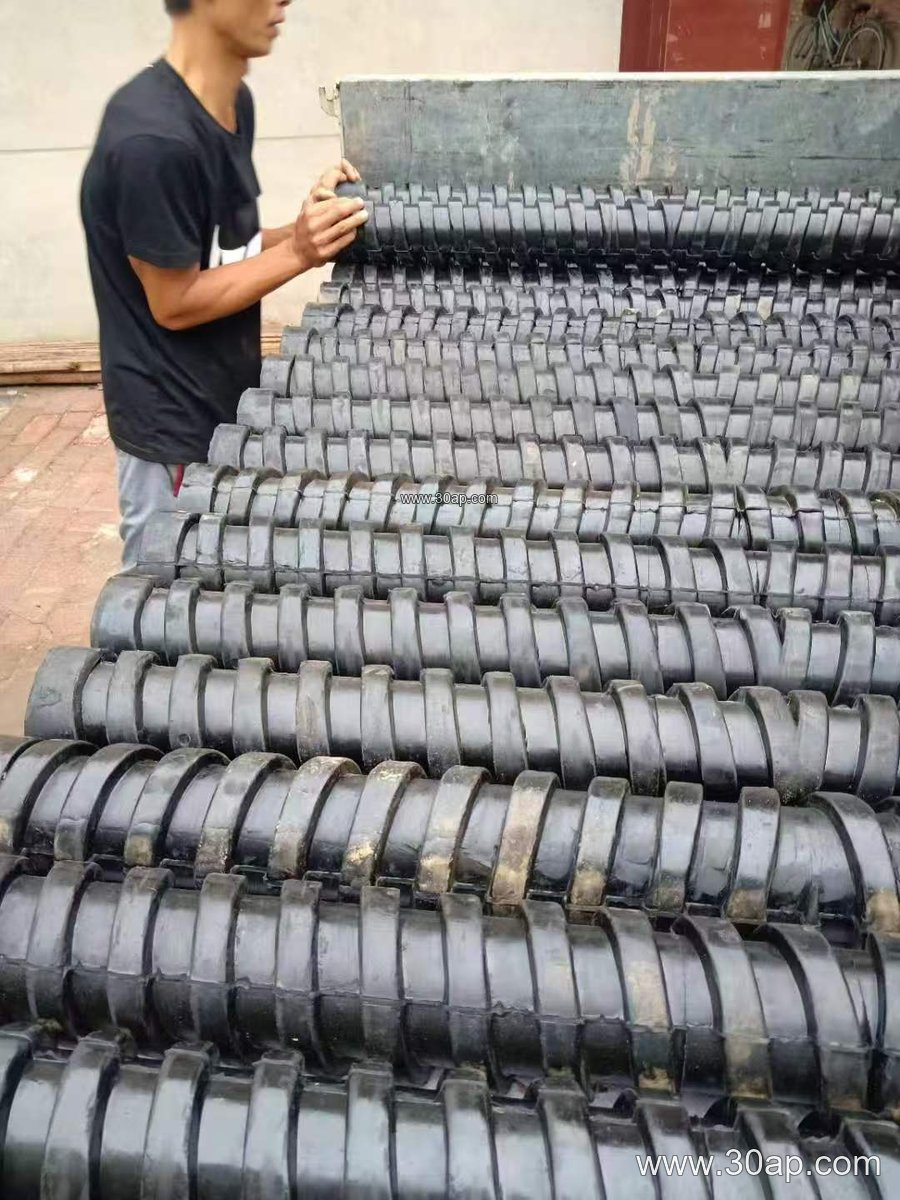
The impact idler roller normally uses a sturdy steel tube body fitted with thick rubber rings or a rubber-covered shell. The rubber rings are spaced along the roller length so the belt rests on a series of flexible cushions rather than a single hard surface. Bearings are sealed to keep out dust and fines, and the shaft ends fit into a conveyor bracket that is often reinforced for shock loads. Because the loading zone sees repeated hammering, the frame, bearing housing, and weld quality matter as much as the rubber itself.
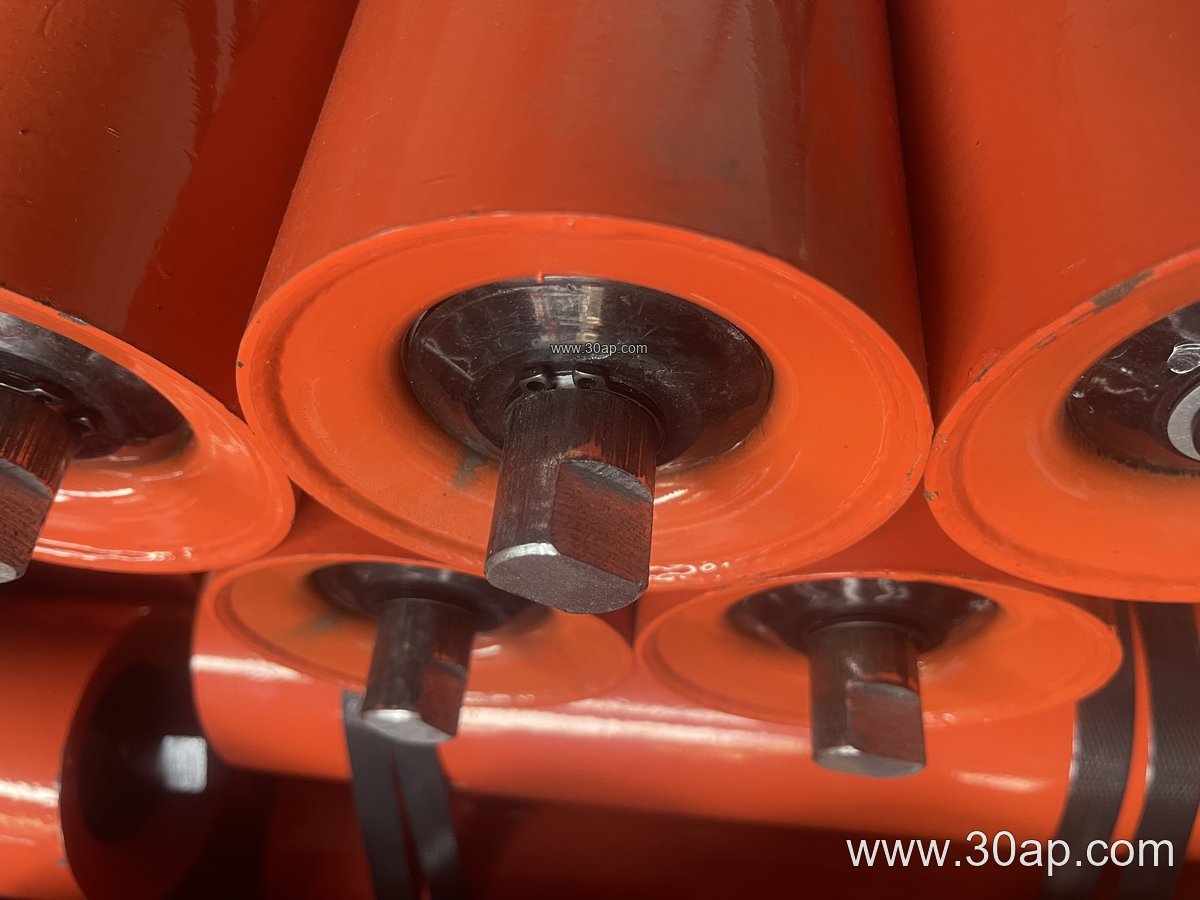
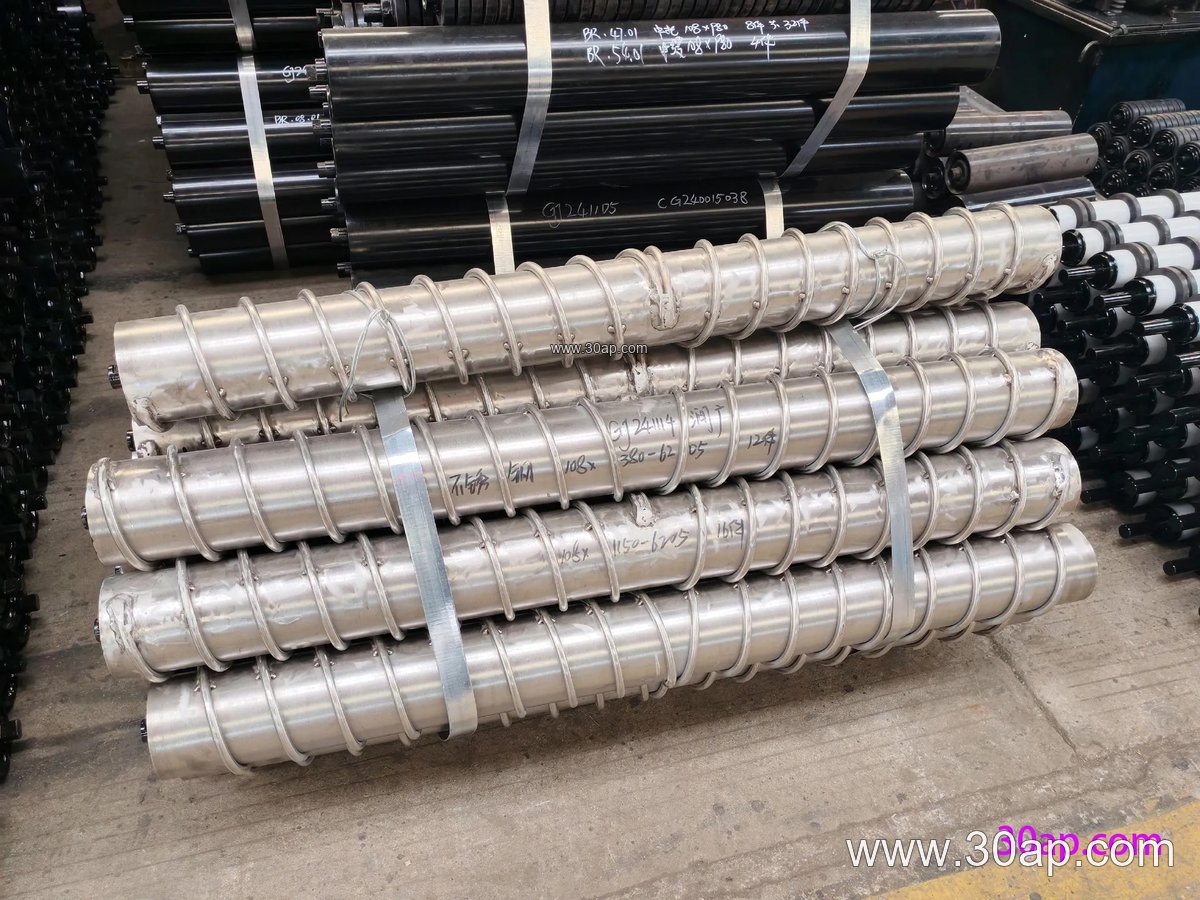
Roller surfaces in this family commonly appear as plain steel, nylon, ceramic, or rubber ring versions. For impact duty, the rubber ring and rubber-covered forms are the usual choice, while ceramic or nylon surfaces tend to appear where abrasion and sticking are the main concerns rather than direct impact.
Where Impact Idlers Are Used
These idlers belong at transfer chutes, crusher discharge points, and the head of any belt that receives material from another belt or a feeder. Typical sites include a limestone quarry feeding a primary crusher, a coal handling system in a power plant, a cement plant clinker line, and an iron ore or copper ore transfer station. In a sand and aggregate plant, the impact idler often sits under the crusher outlet where the drop height is greatest.
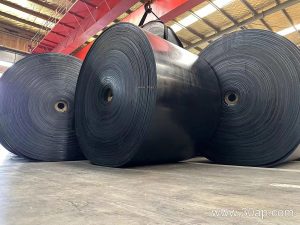
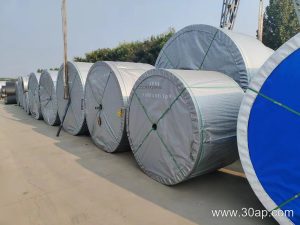
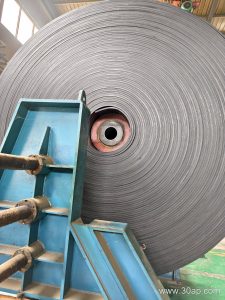
The belt itself is part of the decision. A thick abrasion resistant conveyor belt or a heavy-duty mining conveyor belt tolerates impact better than a thin general-purpose cover, and a steel cord conveyor belt or high strength EP conveyor belt may need a longer cushioning zone because the belt carries more tension and higher lump loads.
Common Sizes and Configurations
Impact idlers are usually supplied as part of a troughing set, most often a three-roll arrangement, and the roll diameter and length follow the belt width and the load. The values below are common reference examples, not fixed rules; side rollers and the centre roller can differ within the same set.
- Roller diameter: Ø89, Ø102, Ø108, Ø127, Ø133, Ø159, Ø178 mm for typical impact duty
- Belt width: B500, B650, B800, B1000, B1200, B1400, B1600, B1800 mm
- Trough angle: 20, 30, 35, 45 degrees
- Bearing: 6204, 6205, 6305, 6306, 6308, 6310 depending on load and shaft design
- Roller surface: rubber ring, rubber covered, steel, nylon, ceramic
For example, a three-roll troughing set on a B800 belt often uses rollers around 315 mm long, while a B1200 set commonly uses rollers near 465 mm. These are typical starting points for layout work and should be confirmed against the actual conveyor design.
Impact Idler Compared with a Standard Troughing Idler
A standard troughing idler is designed for steady carrying load, not for repeated shock. The impact version adds rubber cushioning and a stronger frame, so it costs more but lasts longer at the transfer point. It is not a replacement for a return idler, a training idler, or a transition idler; each of those performs a different job along the conveyor. A conveyor pulley such as a drive pulley, tail pulley, or bend pulley also has its own role and is never interchangeable with a roller set.
Where the material is hot, a heat resistant conveyor belt may be paired with suitable cushioning, and where the environment is flammable, a flame retardant conveyor belt or fire resistant conveyor belt is normally specified together with the idler set.
Buyer Checklist
- Confirm the belt width and trough angle before selecting roller length.
- Check drop height and lump size, since these set the cushioning requirement.
- Match bearing and shaft to the actual load, not to belt width alone.
- Ask for sealed bearings and a reinforced bracket for transfer points.
- Consider the belt type: an abrasion resistant conveyor belt, oil resistant conveyor belt, or cold resistant conveyor belt may change the rubber specification.
For buyers sourcing through a bulk handling supplier, it helps to review the whole conveyor line, including the conveyor belt, idler roller, conveyor pulley, and conveyor bracket, so the impact zone is designed as a system rather than a single part. More detail on related components is available at conveyor idler and conveyor belt resources.