What a 1600mm Conveyor Belt Is
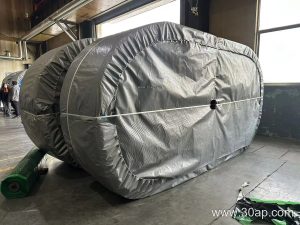
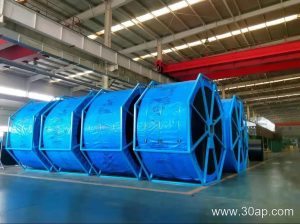
A 1600mm conveyor belt is a wide-profile belt designed for conveyor systems that handle high tonnage and large lump sizes. The 1600mm figure refers to the belt width, which is often written as B1600. This width sits in the wide-to-extra-wide range and is common in primary crushing circuits, stockyard reclaim lines and long overland conveyors where a narrower belt would need unrealistic speed to meet the required capacity.
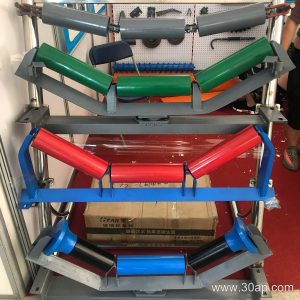
In practice, a belt of this width is usually a heavy-duty mining conveyor belt, though it also appears in cement plants, power plant coal yards, port ship loading systems and large sand and gravel operations. It is not simply a scaled-up version of a 1000mm belt. Wider belts carry more tension, need more careful tracking, and place higher demands on the conveyor pulley, idler roller and conveyor bracket set.
Construction and Common Specifications
The carcass is the load-bearing part. For a 1600mm belt, buyers most often evaluate fabric core and steel cord options. The table below shows typical reference values, not fixed universal specifications.
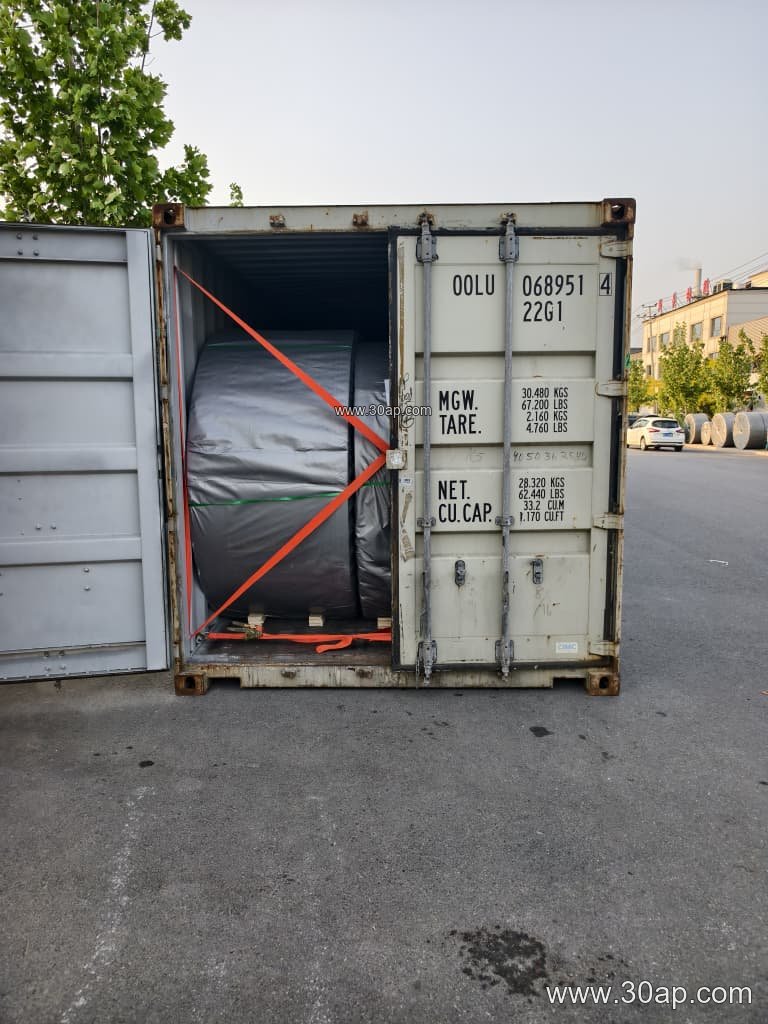
Carcass and Strength Options
Fabric core constructions are common where moderate tension and good troughing are needed. Steel cord belts suit long center distances and high operating tension, where stretch must stay low.
| Construction | Typical Grade Examples | Notes |
|---|---|---|
| EP fabric core | EP200, EP315, EP400, EP630, EP1000, EP1250 | Good flexibility, widely used in aggregate and quarry lines |
| NN nylon fabric core | NN100 to NN400 | High elasticity, suited to impact-heavy loading points |
| Steel cord | ST1000, ST1600, ST2000, ST2500 | Long conveyors and high tension duty |
| Solid woven PVG | PVG800S and similar | Common in underground coal mining conveyors |
Cover Rubber and Thickness
Cover grade should match the material being carried. Abrasion resistant conveyor belt covers protect against sharp rock and ore, while heat resistant conveyor belt compounds are used after kilns or dryers. In coal handling, flame retardant conveyor belt and anti-static properties are often requested. Common cover thickness combinations include 4+2 mm, 5+2 mm, 6+2 mm and 8+3 mm, with 2 to 6 fabric plies depending on the design.
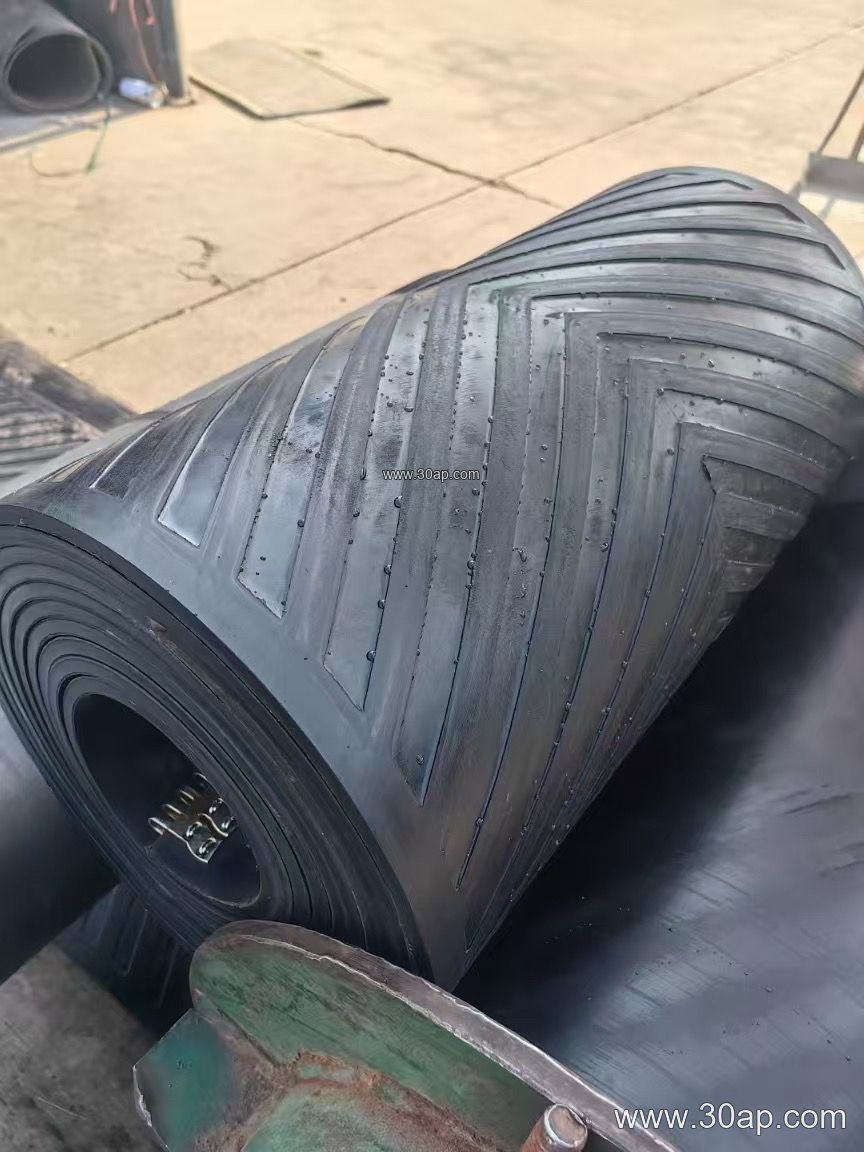
Special profiles are available when the route demands them. A chevron conveyor belt improves grip on inclines, a corrugated sidewall belt contains material on steep sections, and a pipe conveyor belt encloses the load for dust control.
Where 1600mm Belts Are Used
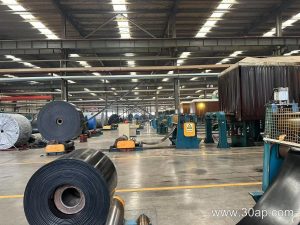
This width appears in mines and quarries where run-of-mine material is fed from a primary crusher. A 1600mm conveyor belt can accept large lumps and still deliver high throughput at a moderate belt speed. In cement plants it moves clinker and raw meal; in power plants it feeds coal yards; in ports it serves ship loading and stockpile systems. Iron ore, copper ore and gold mining operations also use wide belts on main haulage lines.
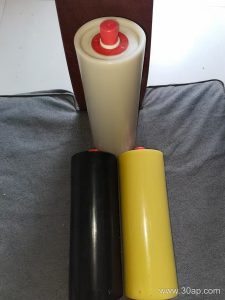
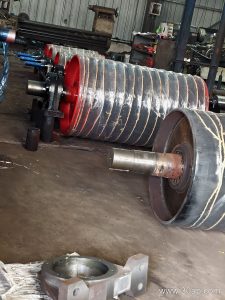
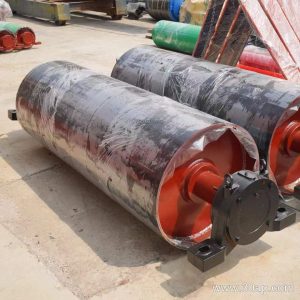
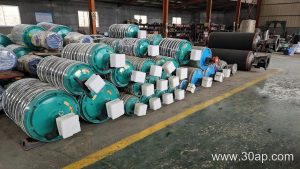
Because the belt is heavy, the supporting components matter as much as the belt itself. The conveyor pulley at the drive and tail ends must be sized by the actual tension and shaft load, not by belt width alone. Idler roller spacing and trough angle affect how the belt trains, and every conveyor bracket should be rated for the load of a loaded wide belt.
Selection Points for Buyers
- Confirm the required strength grade from the calculated tension, not from the belt width.
- Match cover grade to the material: abrasion, heat, oil, chemical or cold resistance.
- Check whether flame retardant and anti-static properties are required for the site.
- Review splice type and whether an endless conveyor belt is preferred for the application.
- Ask for the recommended minimum pulley diameter for the chosen carcass.
- Verify belt weight per meter so the idler roller and conveyor bracket design is adequate.
A 1600mm conveyor belt is a significant investment and a critical wear item. Getting the carcass, cover and component compatibility right at the design stage is more effective than correcting tracking and splice problems later. For more information on matching belts with conveyor pulley and idler roller selections, visit conveyorbeltpros.com and review our technical notes on wide belt systems.