What a Belt Conveyor Pulley Does
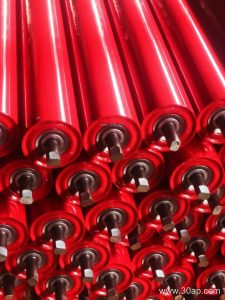
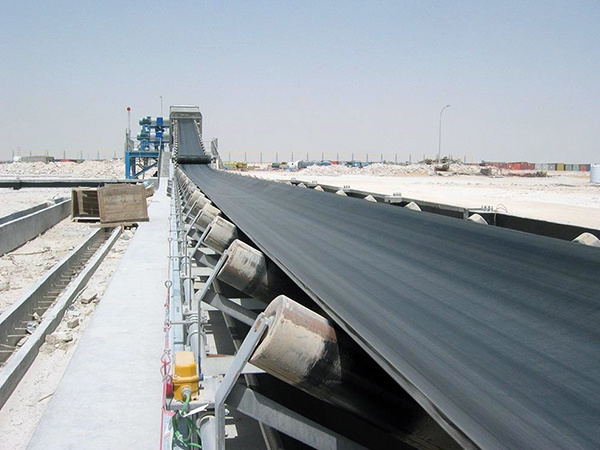
A belt conveyor pulley is the rotating drum that carries and drives the conveyor belt at the ends and turning points of a conveyor. In a quarry or a cement plant, the pulley is the component that transfers drive force into the belt, holds belt tension, and guides the belt around changes in direction. It works together with the idler roller, conveyor bracket, and belt to form a complete conveying line. Choosing the right drum size and surface is as important as choosing the right rubber conveyor belt for the duty.
The same product is also called a conveyor pulley or conveyor drum. The term covers several positions on one conveyor, but each position has its own job. A drive pulley at the head transmits torque. A tail pulley at the loading end sets the return direction. A bend pulley changes the belt path without driving it. These are different roles, not interchangeable names.
How the Drum Is Built
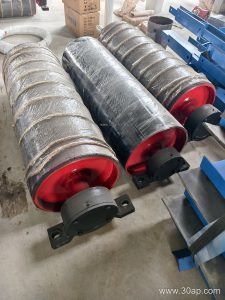
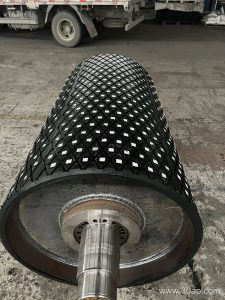
A typical drum has a steel shell, two end discs, a shaft, and bearing housings. The shell is machined to keep the belt tracking straight, and the surface may be plain or covered with rubber, ceramic, or another grip layer. Common shell diameters include Ø200, Ø315, Ø400, Ø500, Ø630, Ø800, Ø1000, and larger sizes up to Ø1600 and Ø1800 for heavy-duty mining conveyors. Shell width usually exceeds belt width so the belt is fully supported.
Typical width and diameter references
- B400 belt, shell width about 500 mm
- B650 belt, shell width about 750 mm
- B800 belt, shell width about 950 mm
- B1000 belt, shell width about 1150 mm
- B1200 belt, shell width about 1400 mm
- B1400 belt, shell width about 1600 mm
- B1600 belt, shell width about 1800 mm
These are reference figures, not fixed pairings. A B800 conveyor may use Ø500 or a larger drum depending on belt tension and wrap angle. Shaft diameter is set by torque and load, with common sizes from Ø50 to Ø200; it should never be guessed from belt width alone.
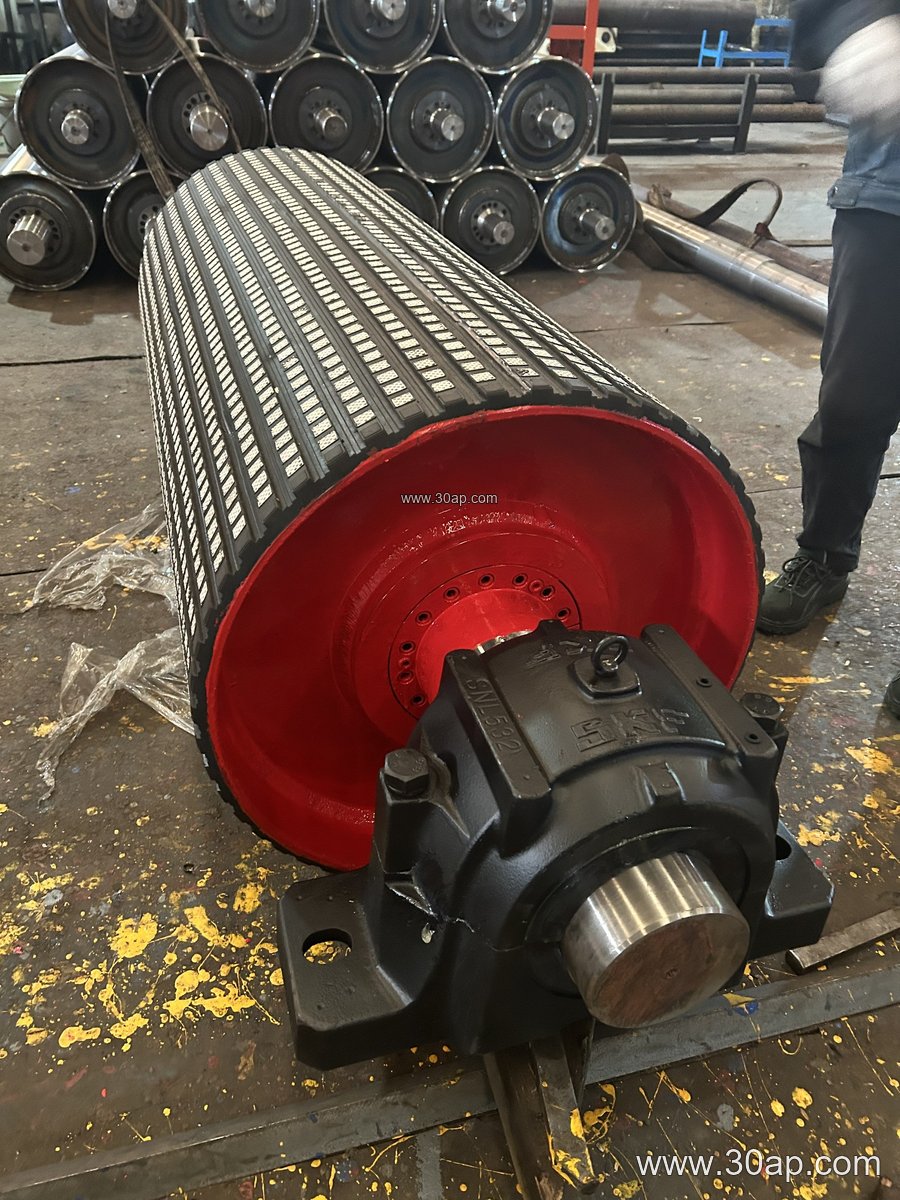
Surface Options and Where They Fit
The surface form affects grip and wear life. Plain face drums suit light duty and some bend positions. Rubber lagging, applied by hot vulcanizing or cold bonding, improves friction at the drive. Diamond and herringbone patterns help shed water and fines, which matters on wet quarry belts and in wash plants. Ceramic lagging is chosen where slip and abrasion are severe. Lagging thickness is commonly 8, 10, 12, 15, or 20 mm.
On a cement plant clinker line, a heat resistant conveyor belt may run beside a drum that needs heat-tolerant lagging. In a coal mine, a flame retardant conveyor belt is matched with a drum and idler roller set that meets the same fire-safety requirements.
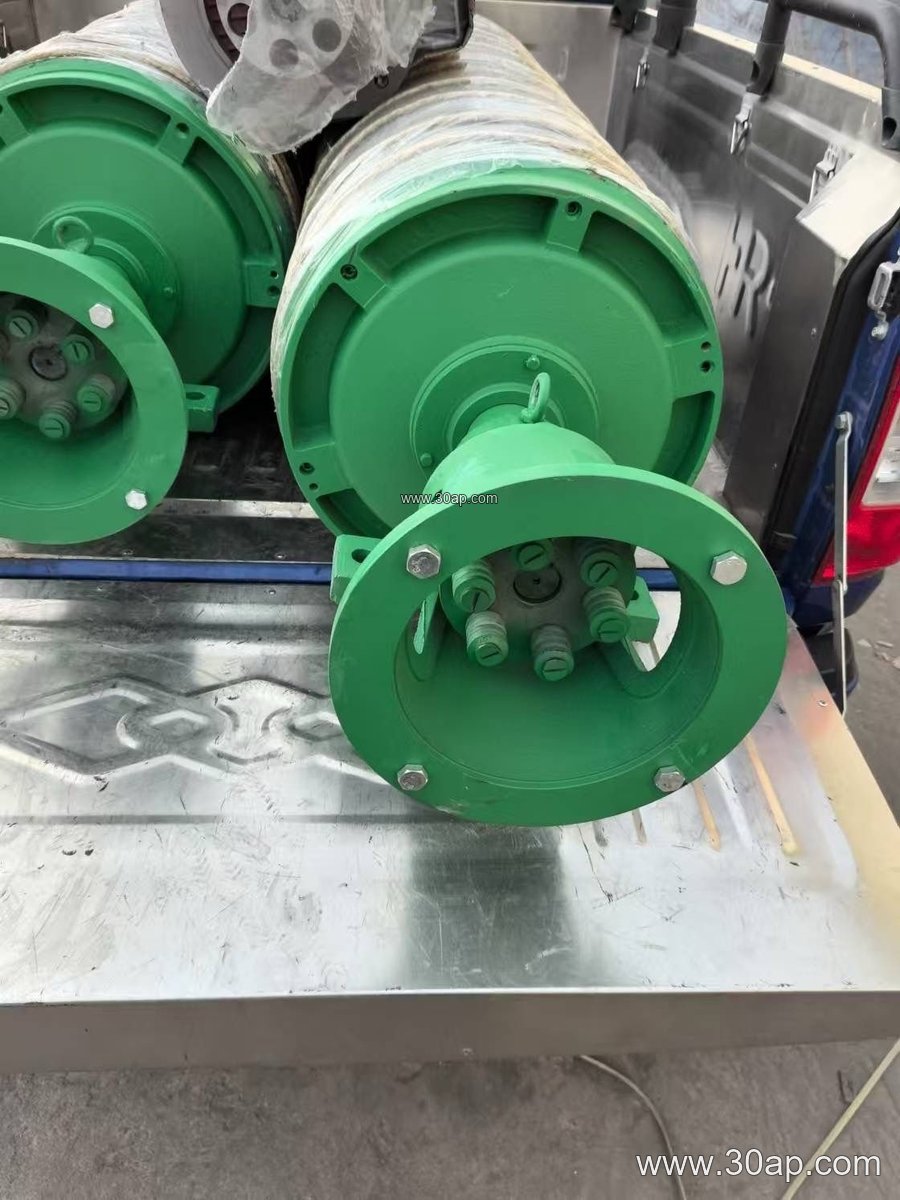
Matching the Drum to the Belt
The belt and the drum form a pair. A steel cord conveyor belt needs a larger drum diameter than a thin fabric core belt because bending stress on the cords must stay low. Multi-ply fabric core belts, EP conveyor belts, and NN conveyor belts generally accept smaller drums. Abrasion resistant conveyor belts used on crusher discharge lines put high load on the drive pulley, so lagging quality and shell thickness matter.
On a long overland line in a copper or iron ore mine, a high strength conveyor belt may run over a Ø1250 or Ø1400 drive drum. On a short aggregate conveyor in a sand and gravel yard, a B650 or B800 belt with a Ø400 or Ø500 drum is common. The correct combination comes from belt tension, wrap angle, and belt manufacturer data, not from a single rule of thumb.
Installation and Maintenance Notes
Alignment is the first check after installation. A drum that is not square to the belt centerline will cause edge wear and mistracking, even with a good conveyor bracket. Check lagging for wear, cuts, and glazing during scheduled stops. Bearing temperature and lubrication should be recorded, because a failing bearing can damage the shaft and shell. Keep the belt cleaner and the return side free of buildup so fines do not wrap around the drum.
For a buyer, the useful questions are simple. What is the belt width and type? What is the drive power and belt tension? Is the position a head, tail, or bend? Does the site need oil resistant, heat resistant, or anti-static properties in the belt and drum covering? Answering these before ordering avoids a drum that fits the shaft but not the duty.