What the EP630 Conveyor Belt Is
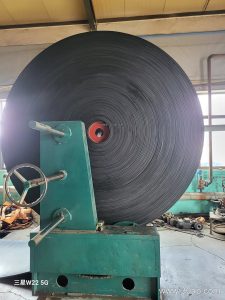
The EP630 Conveyor Belt is a fabric-core rubber belt built around polyester-polyamide (EP) warp and weft cords. The number 630 refers to the nominal tensile strength of the carcass in newtons per millimeter of belt width. In practical terms, this is a mid-to-high strength class within the EP family, sitting above EP500 and below EP800. Buyers who need more capacity than an EP400 belt can offer, but who do not require the stiffness of a steel cord design, often find EP630 a sensible middle ground for mining, quarry, cement, and power plant duty.
Because the carcass is a multi-ply fabric core, the belt tolerates flexing over relatively small pulleys better than a rigid steel cord belt. That flexibility helps on plants with compact head and tail layouts, where a conveyor pulley at each end must handle the belt repeatedly without fatigue. The same construction also makes field splicing more forgiving.
Construction and Cover Compounds
A typical EP630 belt uses two to five plies of EP fabric, depending on the manufacturer and the intended duty. The skim rubber between plies bonds the carcass into one unit, while the top and bottom covers protect the fabric from abrasion, moisture, and impact. Cover thickness is usually quoted as a pair of numbers, for example 5+2 mm or 6+2 mm, meaning top cover plus bottom cover. Heavier covers suit coarse rock and ore; thinner covers reduce weight and cost on cleaner duties.
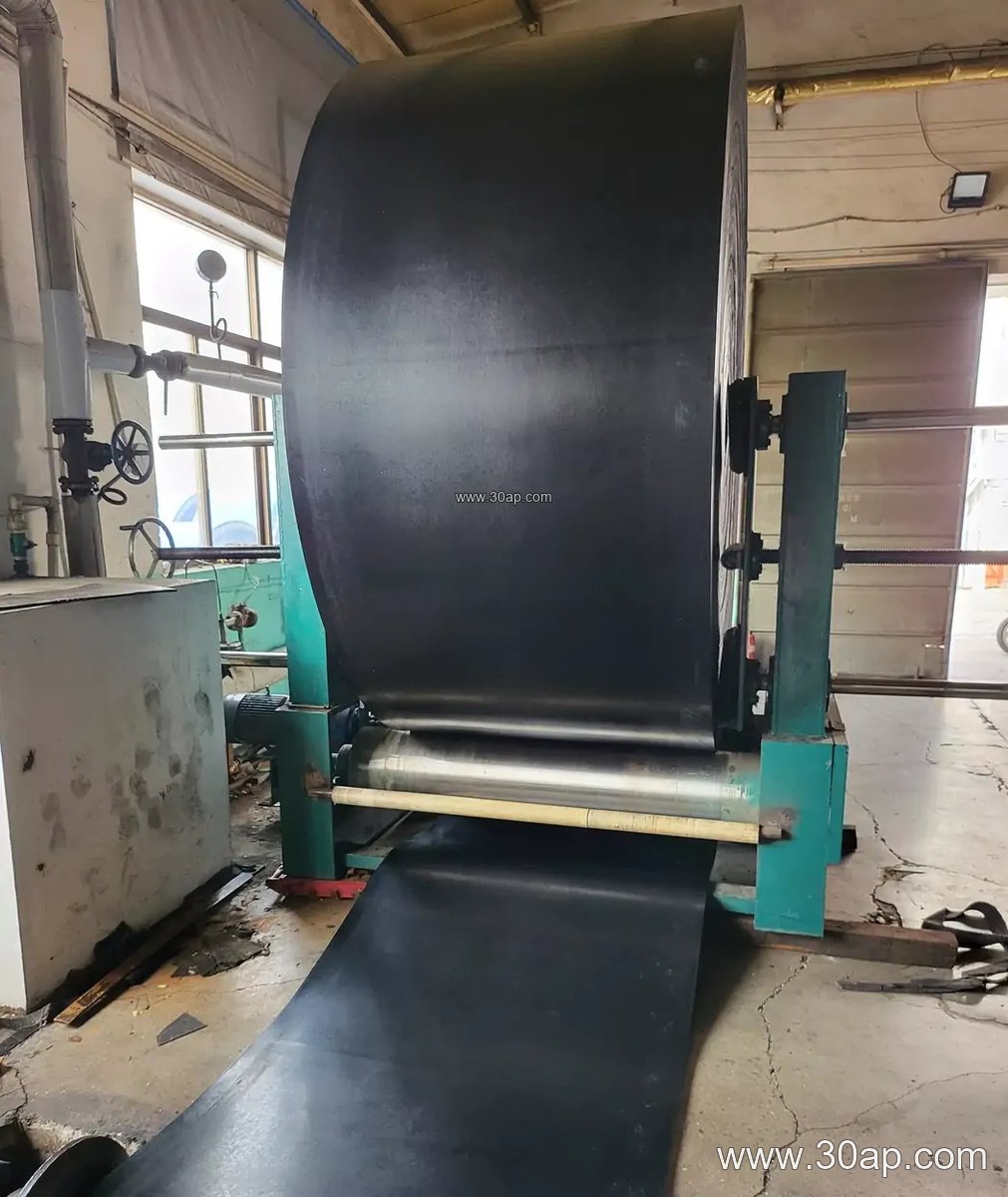
Cover compound choice matters as much as strength class. Common options include abrasion resistant, heat resistant, oil resistant, flame retardant, anti-static, and cold resistant grades. A quarry handling sharp granite will usually favor a high abrasion resistant cover, while a coal preparation plant may specify a flame retardant and anti-static belt for underground or enclosed sections. In cement plants, heat resistant covers are often requested behind clinker coolers, though temperature limits should always be confirmed with the supplier rather than assumed.
Common EP630 reference data
The values below are indicative only. Actual constructions vary by manufacturer and should be confirmed against the project specification.
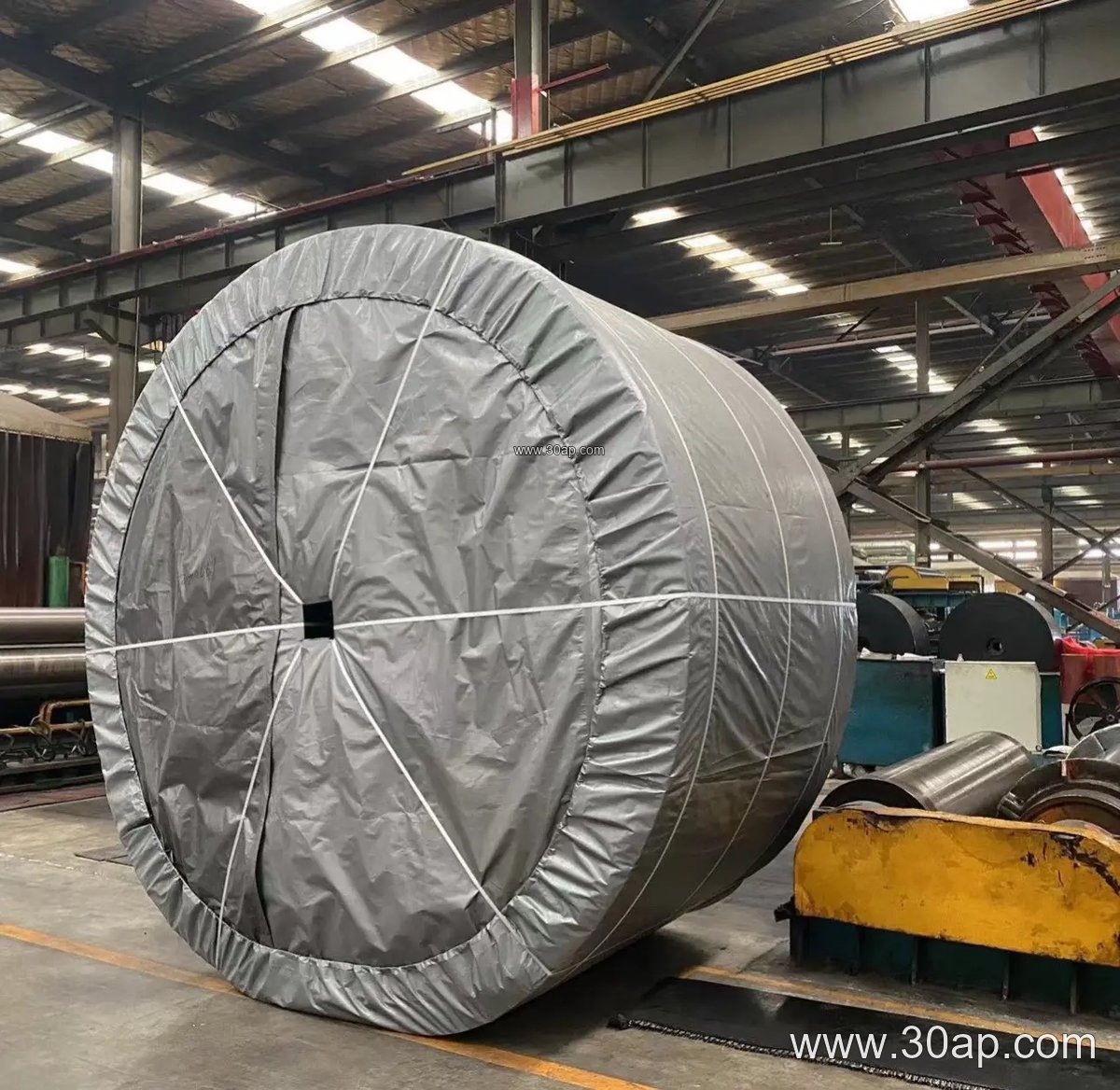
- Strength class: EP630 (nominal 630 N/mm)
- Carcass: 2 to 5 plies of EP fabric, depending on design
- Cover combinations seen in catalogs: 4+2 mm, 5+2 mm, 6+2 mm, 8+3 mm
- Belt widths: B500, B650, B800, B1000, B1200, B1400, B1600, and wider on request
- Surface forms: plain, chevron, skirted, corrugated sidewall
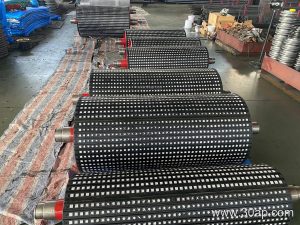
Note that belt width and pulley diameter are separate design decisions. A 1000mm wide EP630 belt does not automatically dictate one specific pulley size; the pulley diameter follows the carcass flexibility rating, the load, and the wrap angle. Drive pulleys, tail pulleys, and bend pulleys each have different roles and are not interchangeable, so the belt data sheet and the conveyor layout should be reviewed together.
Where EP630 Belts Fit in the Plant
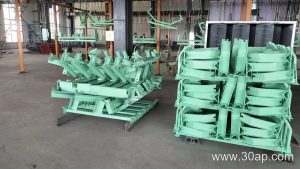
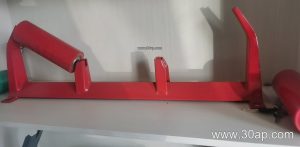
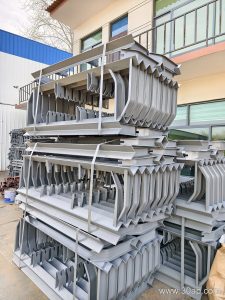
This strength class appears across a broad range of bulk handling duties. In the aggregate industry, an EP630 belt often runs on primary and secondary crusher discharge conveyors, where lump size and abrasion are moderate to severe. In coal mining, flame retardant versions are used on main haulage and underground sections, paired with idler rollers and conveyor brackets that keep the belt tracking straight. Iron ore and copper ore operations may prefer a heavier cover and a higher strength class, but EP630 still finds use on transfer and stockpile conveyors.
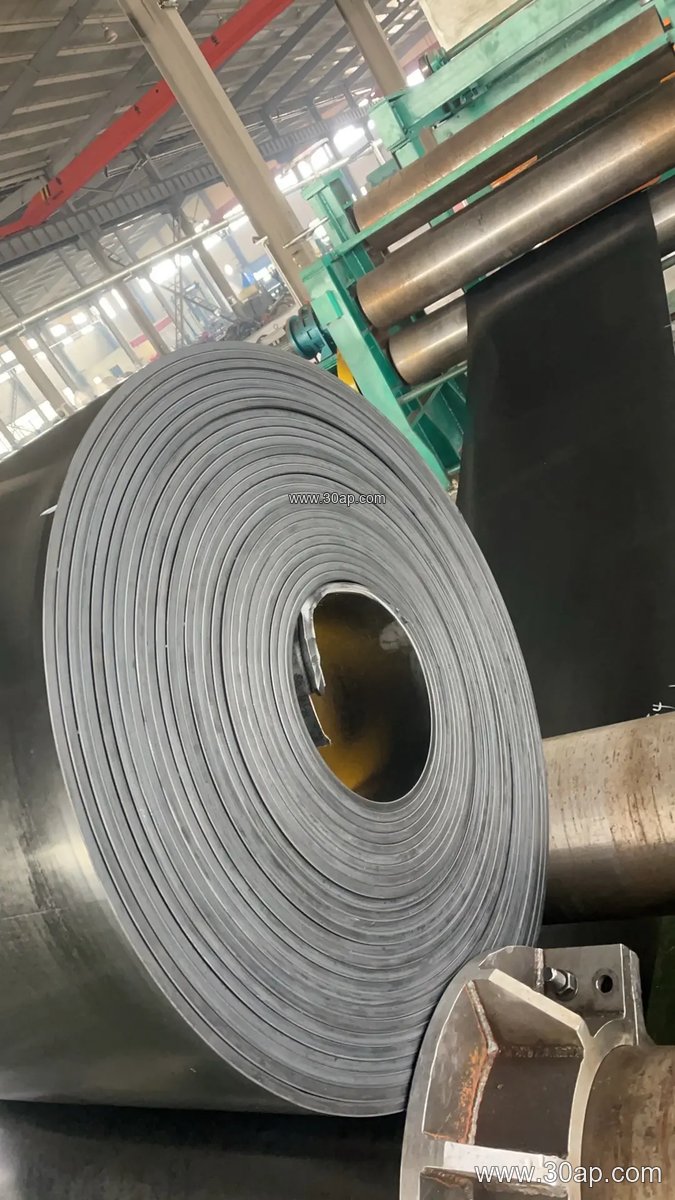
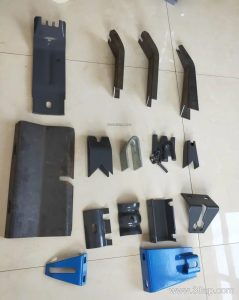
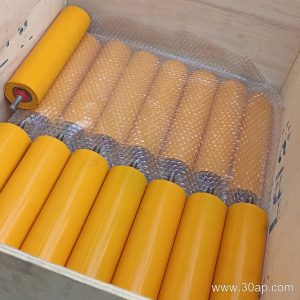
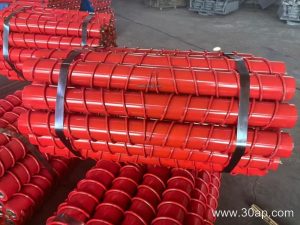
Cement plants use EP630 on clinker, limestone, and additive lines. Power plants apply it to coal feed and ash handling. Ports and ship loading facilities use wide belts, sometimes 1400mm or 1600mm, to move bulk material at high tonnage. In each case, the belt works as part of a system: the conveyor pulley transfers drive force, the idler roller supports the load, and the conveyor bracket holds the idlers in alignment.
Selection Points for Buyers
Start with the actual duty, not the strength number alone. A buyer should confirm the maximum lump size, material temperature, presence of oil or chemicals, and whether the belt runs underground or in a classified area. These factors decide the cover compound and may push the specification toward a flame retardant or anti-static grade.
Next, check the carcass flexibility against the smallest pulley in the system. A stiffer multi-ply belt may need larger pulley diameters, which affects the conveyor frame and the bracket layout. Confirm the splice method as well: vulcanized splices are common for long belts, while mechanical fasteners suit shorter or temporary runs.
Finally, ask for the manufacturer’s data sheet for the exact construction being quoted. Strength class, ply count, cover thickness, and width should all be stated together. A belt sold as EP630 with a 6+2 cover on a 1200mm width is a different product from one with a 4+2 cover on the same width, even though both carry the same strength label. Matching the belt to the conveyor pulley, idler roller, and loading conditions is what keeps the system running.